

 プレビュー
プレビュー
 プリントを購入
 シェアする
シェアする シェアする
シェアする
 詳細を見る
詳細を見る

 ダウンロード
 似ている作品
 X線調査
X線調査 スライドショー
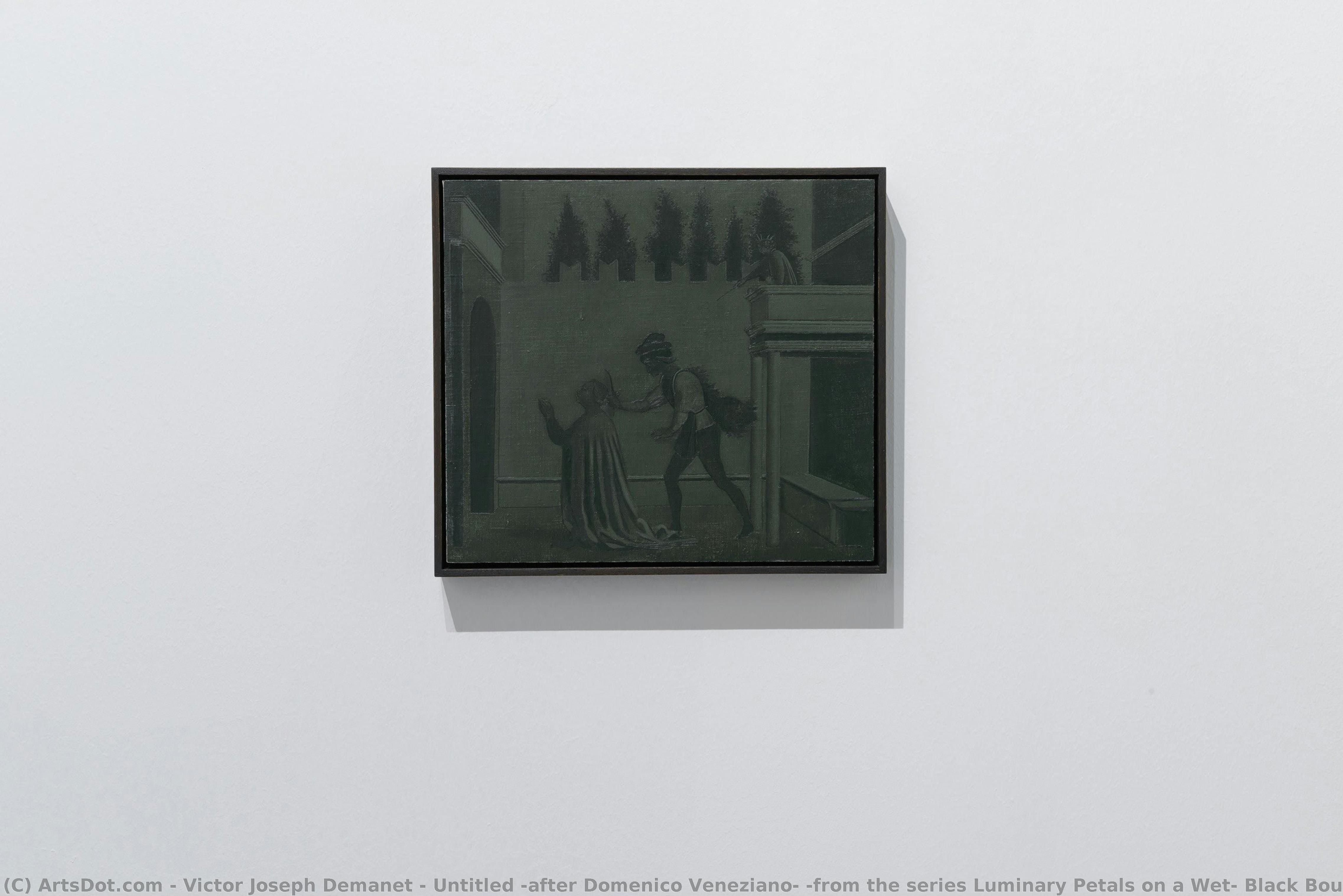
Untitled (after Domenico Veneziano) (from the series Luminary Petals on a Wet, Black Bough)


 詳細を見る
詳細を見る
オンラインプレビューをはるかに凌ぐ、高解像度で鮮明なデジタル画像をご購入いただけます。
各ファイルは、社内の専門家が高度なツールと熟練した手作業によるレタッチを用いて、細心の注意を払って準備されています。すべての画像において、卓越した鮮明度、正確な色彩再現性、そして繊細なディテールを保証いたします。
最終ファイルは、プロフェッショナルな編集・印刷環境ですぐにご利用いただけるよう最適化された状態で、72時間以内にメールにてお届けいたします。これは、一流のデザインスタジオ、出版社、ギャラリーから信頼されているものと同等の品質です。
デジタル画像のご注文に付随する特典
高品質なデジタル画像配信を、確かな品質で。
ArtsDot.com を選ぶことは、単に画像を手に入れることではありません。それは、プロの手によって精密に仕上げられ、満足保証が付いた高品質なデジタルアートワークを受け取ることを意味します。ご注文いただいた際に自動的に付随する内容は、以下の通りです:

メールですぐにお届け
ご注文から72時間以内に、高解像度のデジタル画像ファイルがメールでお手元に届きます。すぐにそのままご利用いただけます。

AI技術で最適化されたデジタルファイル
お客様の作品は、高度なAIツールと専門家による手作業の編集を組み合わせてプロフェッショナルに最適化されており、細部のディテール、鮮明さ、そして正確な色再現性を最大限に引き出しています。

一生涯無料の再送サービス
ファイルを誤って削除したり、紛失してしまったりしましたか?ご安心ください。いつでも無料で再送いたします。

輸入手数料は一切かかりません
関税や手数料、配送料を気にすることなく、お気に入りのアートワークをすぐにお楽しみいただけます。デジタルダウンロードは常に免税です。

色彩再現の保証
プロ仕様のツールとカラーマネジメント技術を用いることで、デジタル画像が元の色を最大限に忠実に再現することを保証いたします。

60日間満足保証
ご購入いただいたデジタル画像にご満足いただけない場合は、60日以内であれば、修正または100%の返金(理由を問う必要はありません)をさせていただきます。

100% 返金保証
ご満足いただけない場合は、デジタルファイルを受け取ってから60日以内であれば、理由を問わず全額返金いたします。

まとめ買い割引
3枚購入で10%OFF - 5枚購入で15%OFF - 10枚以上購入で20%OFF。クリエイティブなプロジェクト、ギャラリー、エージェンシーに最適です。
作品の詳細
Victor Man’s Haunting Meditation on Mortality and Myth
Victor ManBorn in Cluj-Napoca, Romania, in 1974.He lives and works in Berlin, Germany, and Cluj-Napoca.This enigmatic artist delves into the darkest recesses of human experience, crafting paintings that resonate with unsettling beauty and profound psychological depth. His work—particularly ‘Untitled (after Domenico Veneziano)’ from the series ‘Luminary Petals on a Wet, Black Bough’—stands as a testament to his masterful command of technique and his unwavering fascination with themes of transformation and suffering.
The painting itself presents a stark visual narrative. Dominated by oppressive shades of gray, black, and muted green, it depicts two figures positioned within an ambiguous interior space. The artist’s deliberate use of light and shadow creates a dramatic tension, mirroring the psychological turmoil at the heart of Man’s artistic vision. Geometric forms—sharp angles and receding planes—are employed to construct depth and perspective, guiding the viewer's gaze into a realm where reality blends seamlessly with symbolism.
- Style & Influences: Man’s style is undeniably rooted in Surrealism and Symbolism, drawing heavily from the artistic currents of his time. He echoes the spirit of artists like Giorgio Morandi and Yves Klein, prioritizing mood and atmosphere over literal representation. The reference to Domenico Veneziano—a Venetian Renaissance painter known for his luminous floral compositions—introduces a counterpoint of serenity amidst the pervasive darkness.
- Technique: Executed in oil paint on canvas, ‘Untitled’ exemplifies Man's meticulous attention to detail. Layered pigments are skillfully blended to achieve an astonishing tonal range and create a palpable sense of texture. The artist employs glazing techniques—applying thin washes of translucent color over underlying layers—to imbue the painting with subtle luminosity and enhance its expressive power.
- Historical Context: Created in 2015, the artwork speaks to broader anxieties surrounding mortality and the confrontation with existential questions. It aligns itself with a tradition of artistic exploration into the subconscious mind and the depiction of disturbing imagery—a deliberate provocation designed to unsettle and provoke contemplation.
- Symbolism & Narrative: The central figure—holding a disembodied head—immediately evokes associations with biblical narratives such as Judith and Holofernes and Salome and John the Baptist. This iconic image symbolizes severed connection, loss of identity, and the inescapable awareness of death’s presence. The ambiguous gender of the figure underscores Man's interest in challenging conventional notions of masculinity and femininity.
- Emotional Impact: Viewing ‘Untitled’ is akin to stepping into a psychological landscape fraught with unease and apprehension. The painting compels us to confront uncomfortable truths about human vulnerability and the inevitability of decay. Yet, amidst the darkness, there exists an undeniable beauty—a haunting reminder that even in confronting our deepest fears, we can discover moments of profound artistic resonance.
Ultimately, Victor Man’s ‘Untitled (after Domenico Veneziano)’ transcends mere visual representation; it is a deeply felt meditation on the human condition. Its enduring power lies in its ability to capture the unsettling grandeur of existence—a masterpiece destined to inspire and provoke discussion for years to come.
関連作品

作家の略歴
A Life Sculpted in Bronze: The Story of Victor Demanet
Victor Joseph Ghislain Demanet, born February 3rd, 1895, in the Belgian town of Givet near Namur, was an artist whose life and work were deeply intertwined with the artistic currents of his time. Though initially destined to follow in his parents’ footsteps as an antique dealer, a burgeoning passion for sculpture led him down a different path—one that would see him exhibit at prestigious salons, compete on the Olympic stage, and leave behind a legacy of dynamic, emotionally resonant works. Demanet's early education included studies at the Academy of Fine Arts in Namur, but it was a sojourn to Paris in 1921 that proved pivotal. Immersed in the city’s vibrant art scene, he found inspiration in the sculptures of masters like Rude, Carpeaux, and Rodin, solidifying his commitment to three-dimensional form. He returned to Belgium, settling first in Namur before ultimately establishing himself in Brussels in 1926—a move that would mark a significant period of artistic productivity.Influences and Artistic Development
Demant’s formative years were significantly shaped by Constantin Meunier, the Belgian realist painter and sculptor known for his depictions of working-class life. Meunier's focus on social themes resonated deeply with Demanet, influencing his early exploration of human labor and strength in sculpture. This initial direction was tempered by a fascination with classical forms and the expressive power of Romantic sculpture encountered during his time in Paris. He skillfully blended these influences, creating works that were both grounded in reality and imbued with a sense of dramatic energy. His participation in the Salon des Artistes Français—where he became a member after receiving recognition for his bust of Bonaparte in 1923—provided crucial exposure and validation. This period saw him establish himself as a talented portraitist, undertaking numerous public commissions while simultaneously pursuing more personal artistic endeavors.Olympic Aspirations and Public Recognition
A unique facet of Demanet’s career was his involvement in the Olympic Games art competitions. He submitted works to the games in 1924, 1932, and 1936—a testament to his ambition and the growing recognition of sculpture as a legitimate form of artistic expression within the broader cultural context of the era. While specific details regarding his submissions vary, these entries demonstrate his commitment to representing athletic ideals through sculptural form. Beyond the Olympics, Demanet’s talent was acknowledged with appointments as a Knight of the Leopold Order in 1937 and an Officer in 1961, further solidifying his standing within Belgian society. He also received the honor of being named a Knight of the Legion of Honor in 1947.The Legacy of ‘Luminary Petals’ and Beyond
Demant is perhaps best known for his series of sculptures titled “Luminary Petals on a Wet, Black Bough.” These works—often rendered in bronze with delicate gold outlines—are characterized by their abstract floral forms and evocative titles. They possess a unique quality, suggesting both fragility and resilience, capturing a fleeting moment of beauty amidst darkness. Beyond this signature series, Demanet produced numerous large-scale sculptures depicting physical work and powerful movement, as well as over one hundred medals honoring public and private figures. His statue of King Leopold II in Namur stands as a prominent example of his skill in monumental sculpture.A Lasting Impression
Victor Demanet passed away on February 7th, 1964, in Ixelles, Brussels, leaving behind a body of work that reflects the artistic sensibilities of the early to mid-20th century. His sculptures—blending realism with dramatic flair and abstract beauty—continue to captivate audiences today. He was an artist who successfully navigated the demands of public commissions while pursuing his own unique vision, creating works that celebrate both human strength and the ephemeral nature of beauty. Demanet’s legacy lies not only in the enduring quality of his sculptures but also in his ability to capture a sense of emotion and movement within the solid form of bronze—a testament to his skill as a sculptor and his deep understanding of the human spirit.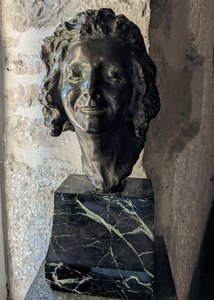
victor joseph demanet
1895 - 1964 , Belgium
プロフィール概要
- Artistic Movement Or Style: Art Deco, Social Art
- Artists Who Influenced This Artist:
- Constantin Meunier
- Rodin
- Rude
- Carpeaux
- Date Of Birth: February 3, 1895
- Date Of Death: February 7, 1964
- Full Name: Victor Joseph Demanet
- Nationality: Belgian
- Notable Artworks:
- Luminary Petals series
- Hercules
- Olympic works
- Place Of Birth: Brussels, Belgium

