

 プレビュー
プレビュー
 シェアする
シェアする シェアする
シェアする
 詳細を見る
詳細を見る

 ダウンロード
 似ている作品
 X線調査
X線調査 スライドショー
 統計情報
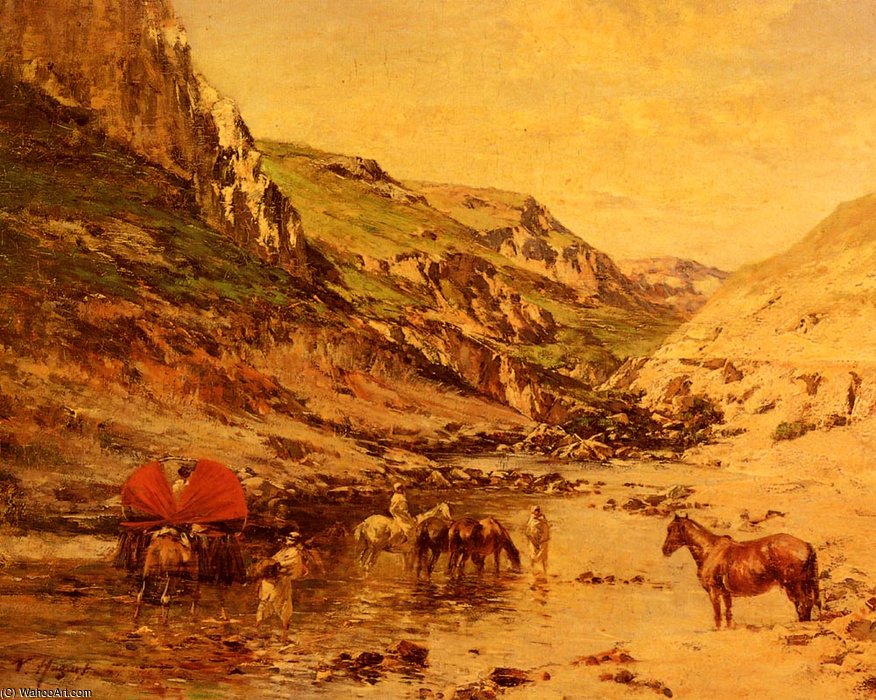
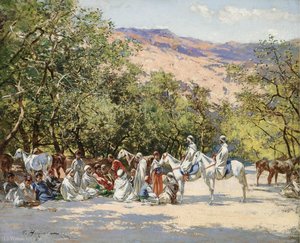
統計情報Arabs resting in a gorge
 詳細を見る
詳細を見る
手描き油彩複製画
当社のアーティストが、お客様のご希望のサイズと額縁に合わせて、キャンバスに手描きで制作する油彩画です。 ( プリント版に切り替え デジタル画像販売へ切り替え)




































作品のオリジナル比率に合わせた、当店の規定サイズからお選びください。

特定のフレームやスペースに合わせて、ご希望のサイズをご入力いただけます。選択されたサイズが元の画像の比率と異なる場合、アートワークをトリミングするか、手描きで要素を追加して絵画を拡張いたします。デジタルモックアップ を制作し、制作開始前にご確認(承認)をいただきます。
画面上のプレビューは、実際のトリミングや拡張を正確に反映しているものではありません。最終的な構図は、モックアップによってのみ正確にご確認いただけます。
カスタムサイズもご利用いただけますが、元の比率を維持するためには、あらかじめ用意されたリストからサイズを選択することをお勧めいたします。
ご注文後、ArtsDot.com チームより詳細な指示をお送りするとともに、仕上がりイメージ(モックアップ)をご提供いたします。


 ガラスオプションは、110cm未満のサイズでのみご利用いただけます。

Arabs resting in a gorge
複製技法
複製画のサイズ
-


合計金額
$ 263
関連作品


アーティストの略歴
Victor Pierre Huguet: Capturing the Soul of the Orient
Victor Pierre Huguet (1835-1902) stands as a significant figure within the realm of 19th-century Orientalist painting, a movement that sought to depict scenes from the Middle East and North Africa with both artistic beauty and a nuanced understanding of their cultures. Born in Le Lude, France, Huguet’s life was inextricably linked to his art, fueled by an insatiable curiosity for distant lands and a profound respect for the traditions he encountered. His journey wasn't merely geographical; it was a deep immersion into a world vastly different from his native France, resulting in paintings that resonate with both exotic allure and intimate human detail.
Huguet’s artistic education began under the tutelage of Émile Loubon at the École supérieure des beaux-arts de Marseille. Loubon specialized in landscapes featuring animals, providing Huguet with a foundational understanding of composition and rendering natural settings. However, it was his subsequent studies with Eugène Fromentin, a prominent Orientalist painter based in Paris, that truly shaped his artistic trajectory. Fromentin’s emphasis on direct observation and the portrayal of local life instilled in Huguet a commitment to authenticity and a desire to capture the essence of the cultures he depicted.
Early Travels and Artistic Development
Huguet's first significant journey abroad occurred in 1852, when he traveled to Egypt. This initial encounter with the ancient land ignited within him a lifelong fascination with its history, architecture, and people. The following year, he accompanied Jean-Baptiste Henri Durand-Brager on an expedition to Crimea, offering him valuable experience in depicting military scenes and capturing the atmosphere of conflict. These early experiences proved formative, establishing his technical skills and laying the groundwork for his distinctive style.
Crucially, Huguet’s artistic development was profoundly influenced by his extensive travels throughout North Africa – Libya, Algeria, Tunisia, and Egypt. Unlike many Western artists who approached these regions with a sense of detached observation, Huguet sought to engage respectfully with local communities, learning their customs and documenting their daily lives. This genuine interest is evident in the warmth and humanity that permeates his paintings. He wasn’t simply sketching exotic landscapes; he was striving to portray the souls of the people within them.
A Distinctive Style: Color, Light, and Human Connection
Huguet's artistic style evolved considerably over time, reflecting his growing understanding of the regions he depicted. Initially, his work exhibited a more academic approach, characterized by meticulous detail and a focus on architectural grandeur. However, as he gained experience and developed a deeper connection with the cultures he portrayed, his palette became brighter and more vibrant, and his brushwork grew looser and more expressive. He favored warm, saturated colors – ochres, reds, and yellows – to evoke the sun-drenched landscapes of North Africa.
What truly distinguishes Huguet’s work is his ability to capture the essence of human interaction within these exotic settings. His paintings are populated by a diverse cast of characters – merchants, laborers, nomads, and religious figures – each rendered with remarkable sensitivity and psychological depth. He didn't simply depict scenes; he conveyed emotions, relationships, and the rhythms of daily life. His compositions often feature intimate moments of connection—a father teaching his son to read, a woman drawing water from a well, or a group of men engaged in animated conversation – these details elevate his work beyond mere topographical representation.
Legacy and Recognition
Victor Huguet continued to exhibit his works at the Salon de Marseille and the Paris Salon until 1893, after which he became a regular exhibitor at the Société des Peintres Orientalistes Français. His paintings are now housed in museums across France, including Nîmes, Montpellier, and Marseille, testament to their enduring appeal. Huguet’s legacy lies not only in his technical skill but also in his commitment to portraying the Middle East and North Africa with respect, empathy, and a profound appreciation for its rich cultural heritage. He remains an important voice within Orientalist art, offering a nuanced perspective on a world often viewed through a Western lens.
victor pierre huguet
1835 - 1902 , France
基本情報
- Artistic Movement Or Style: Orientalist Painting
- Artists Or Movements Influenced By This Artist: ['French Orientalism']
- Artists Who Influenced This Artist:
- Eugène Fromentin
- Émile Loubon
- Date Of Birth: May 1, 1835
- Date Of Death: August 16, 1902
- Full Name: Victor Pierre Huguet
- Nationality: French
- Notable Artworks:
- Fetching Water
- By The Water
- Horseman at the door
- Place Of Birth: Le Lude, France