

 プレビュー
プレビュー
 プリントを購入
 シェアする
シェアする シェアする
シェアする
 詳細を見る
詳細を見る

 ダウンロード
 似ている作品
 X線調査
X線調査 スライドショー
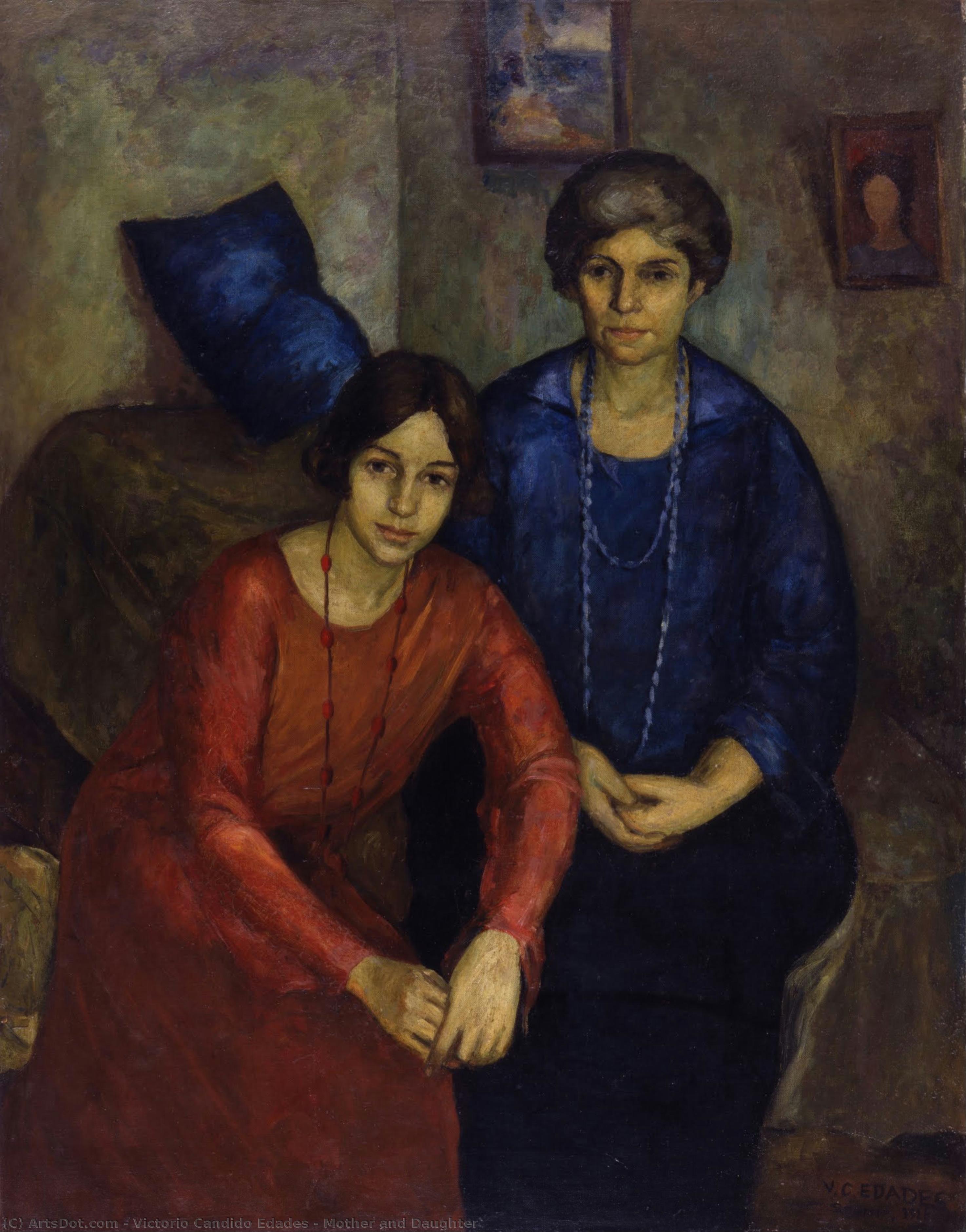
Mother and Daughter
 106.0 x 122.0 cm
 福岡アジア美術館
 詳細を見る
詳細を見る
オンラインプレビューをはるかに凌ぐ、高解像度で鮮明なデジタル画像をご購入いただけます。
各ファイルは、社内の専門家が高度なツールと熟練した手作業によるレタッチを用いて、細心の注意を払って準備されています。すべての画像において、卓越した鮮明度、正確な色彩再現性、そして繊細なディテールを保証いたします。
最終ファイルは、プロフェッショナルな編集・印刷環境ですぐにご利用いただけるよう最適化された状態で、72時間以内にメールにてお届けいたします。これは、一流のデザインスタジオ、出版社、ギャラリーから信頼されているものと同等の品質です。
デジタル画像のご注文に付随する特典
高品質なデジタル画像配信を、確かな品質で。
ArtsDot.com を選ぶことは、単に画像を手に入れることではありません。それは、プロの手によって精密に仕上げられ、満足保証が付いた高品質なデジタルアートワークを受け取ることを意味します。ご注文いただいた際に自動的に付随する内容は、以下の通りです:

メールですぐにお届け
ご注文から72時間以内に、高解像度のデジタル画像ファイルがメールでお手元に届きます。すぐにそのままご利用いただけます。

AI技術で最適化されたデジタルファイル
お客様の作品は、高度なAIツールと専門家による手作業の編集を組み合わせてプロフェッショナルに最適化されており、細部のディテール、鮮明さ、そして正確な色再現性を最大限に引き出しています。

一生涯無料の再送サービス
ファイルを誤って削除したり、紛失してしまったりしましたか?ご安心ください。いつでも無料で再送いたします。

輸入手数料は一切かかりません
関税や手数料、配送料を気にすることなく、お気に入りのアートワークをすぐにお楽しみいただけます。デジタルダウンロードは常に免税です。

色彩再現の保証
プロ仕様のツールとカラーマネジメント技術を用いることで、デジタル画像が元の色を最大限に忠実に再現することを保証いたします。

100日間満足保証
ご購入いただいたデジタル画像にご満足いただけない場合は、100日以内であれば、修正または100%の返金(理由を問う必要はありません)をさせていただきます。

100% 返金保証
ご満足いただけない場合は、デジタルファイルを受け取ってから100日以内であれば、理由を問わず全額返金いたします。

まとめ買い割引
3枚購入で10%OFF - 5枚購入で15%OFF - 10枚以上購入で20%OFF。クリエイティブなプロジェクト、ギャラリー、エージェンシーに最適です。
関連作品







作家の略歴
A Pioneer of Philippine Modernism: The Life and Legacy of Victorio Edades
Victorio Candido Edades, hailed as the “Father of Modern Philippine Art,” was a revolutionary figure who irrevocably altered the course of artistic expression in his homeland. Born on December 23, 1895, in Barrio Bolosan, Dagupan, Pangasinan, to Hilario and Cecilia Edades, he emerged from humble beginnings marked by both familial warmth and the shadow of loss – six of his ten siblings succumbed to smallpox. Even as a young boy, Edades displayed an exceptional aptitude for art, quickly recognized as an “apprentice teacher” in his seventh-grade class due to his remarkable skill. This early talent wasn’t confined to the visual arts; he also excelled in debate and writing, demonstrating a multifaceted intellect that would later inform his artistic philosophy. His formative years instilled in him not only a passion for creation but also a deep understanding of human experience, particularly hardship and resilience—themes that would resonate throughout his oeuvre.From Seattle to Revolution: The Shaping of an Artistic Vision
After completing high school, Edades embarked on a journey to the United States with friends, briefly working in Alaska before pursuing higher education at the University of Washington in Seattle. Initially drawn to architecture, he ultimately earned a Master of Fine Arts in Painting, a pivotal decision that set him on the path toward artistic innovation. However, it was an encounter with a traveling exhibition from the New York Armory Hall that truly ignited his creative fire. This exposure to European modernists – Cézanne, Gauguin, Matisse, and Picasso – proved transformative, shattering his preconceived notions of art and inspiring him to break free from traditional academic styles. He absorbed their bold experimentation with form, color, and perspective, recognizing the power of art to convey not merely what is seen, but how it *feels*. This newfound artistic freedom would become the cornerstone of his future work.Challenging Conventions: The Thirteen Moderns and a New Artistic Landscape
Upon returning to the Philippines in 1928, Edades found an art scene steeped in tradition, dominated by the idyllic landscapes and genteel portraits favored by Fernando Amorsolo. He perceived a stifling lack of innovation and experimentation, a reluctance to confront the realities of modern life. Undeterred, he boldly challenged these prevailing norms with a daring one-man show at the Philippine Columbia Club in Ermita. The exhibition, featuring thirty paintings – including works previously acclaimed in America – was met with shock and resistance from conservative critics and audiences accustomed to more conventional fare. Yet, it marked a turning point, signaling the arrival of a new artistic voice. Edades soon became the leader of “The Thirteen Moderns,” a group of like-minded artists who actively debated and challenged classical conventions, advocating for new forms of expression and pushing the boundaries of Philippine art. Their collective efforts sparked a cultural dialogue that would reshape the nation’s artistic identity.A Legacy Forged in Bold Strokes: Style, Themes, and National Recognition
Edades' distinctive style was characterized by bold brushstrokes, distorted figures, and a masterful use of muted earth tones contrasted with strong black contours. He deliberately eschewed the idealized representations common in traditional Filipino painting, instead focusing on depictions of everyday laborers and scenes of hardship – subjects previously considered unworthy of artistic attention. His work wasn’t merely about *what* he painted but *how* he painted it; his expressive technique conveyed a sense of raw emotion and social commentary. This commitment to authentic expression earned him widespread recognition, culminating in the prestigious title of National Artist of the Philippines in 1976. His influence extended beyond his own creations, inspiring generations of Filipino artists to embrace experimentation and explore diverse themes. In recent years, his works have achieved record prices at auction – “American Football Player” (1926) and “Poinsettia Girl” (1976) being prime examples – demonstrating a growing appreciation for his groundbreaking contributions. He dismantled artistic norms, believing art should reflect the artist’s emotions and perspective, revolutionizing how art was conceived and created in the Philippines.The Enduring Impact: A Father of Modern Art
Victorio Edades passed away on March 7, 1985, in Davao City, leaving behind a legacy that continues to resonate within the Philippine art community and beyond. He is rightfully regarded as the “Father of Modern Philippine Art” not simply for introducing modernist thought but for fostering a spirit of artistic freedom and encouraging artists to move beyond mere representation and explore their own unique perspectives. His impact on Filipino artistic identity is immeasurable, paving the way for a more dynamic and diverse landscape where innovation and self-expression are celebrated. His story serves as an enduring inspiration, reminding us that true art lies not in replicating reality but in interpreting it through the lens of individual experience and emotion – a principle that continues to guide artists today, including those influenced by figures like Benedicto Reyes Cabrera. Edades’ legacy extends far beyond his canvases; it embodies a commitment to pushing boundaries and challenging conventions, ensuring his place as a true visionary in the history of Philippine art.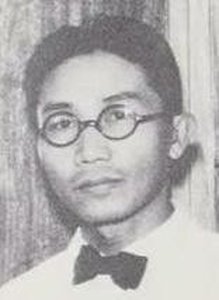
Victorio Candido Edades
1895 - 1985 , Philippines
プロフィール概要
- Artistic Movement Or Style: Modernism, Expressionism
- Artists Or Movements Influenced By This Artist:
- Benedicto Reyes Cabrera
- Philippine Modern Art
- Artists Who Influenced This Artist:
- Cézanne
- Gauguin
- Matisse
- Picasso
- Date Of Birth: December 23, 1895
- Date Of Death: 1985
- Full Name: Victorio Candido Edades
- Nationality: Filipino
- Notable Artworks:
- American Football Player
- Poinsettia Girl
- Mother and Daughter
- The Builders
- Place Of Birth: Dagupan City, Philippines