

 プレビュー
プレビュー
 プリントを購入
 シェアする
シェアする シェアする
シェアする
 詳細を見る
詳細を見る

 ダウンロード
 似ている作品
 X線調査
X線調査 スライドショー
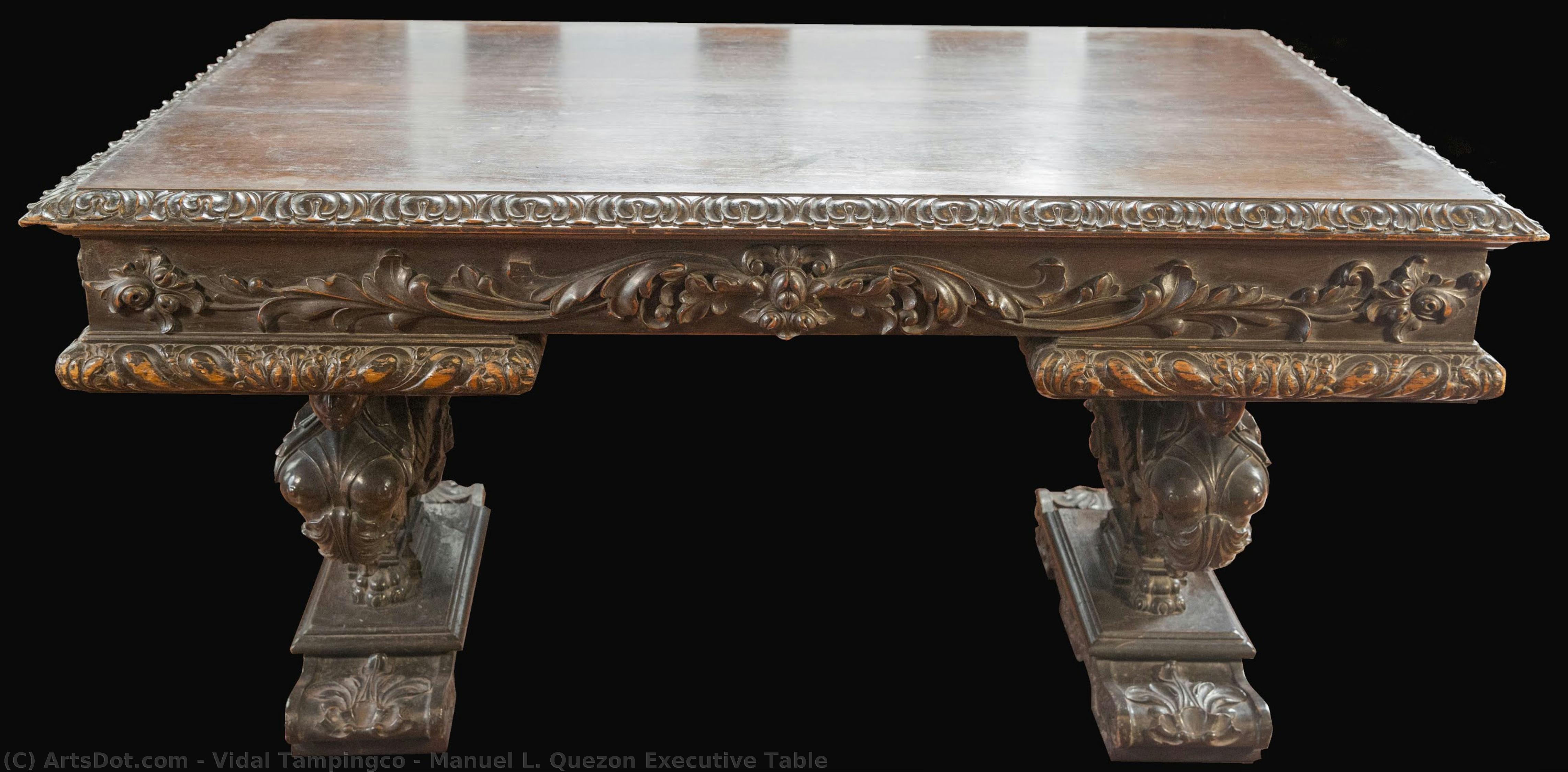
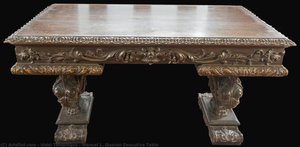
Manuel L. Quezon Executive Table


 詳細を見る
詳細を見る




































作品のオリジナル比率に合わせた、当店の規定サイズからお選びください。

特定のフレームやスペースに合わせて、ご希望のサイズをご入力いただけます。選択されたサイズが元の画像の比率と異なる場合、アートワークをトリミングするか、手描きで要素を追加して絵画を拡張いたします。デジタルモックアップ を制作し、制作開始前にご確認(承認)をいただきます。
画面上のプレビューは、実際のトリミングや拡張を正確に反映しているものではありません。最終的な構図は、モックアップによってのみ正確にご確認いただけます。
カスタムサイズもご利用いただけますが、元の比率を維持するためには、あらかじめ用意されたリストからサイズを選択することをお勧めいたします。
ご注文後、ArtsDot.com チームより詳細な指示をお送りするとともに、仕上がりイメージ(モックアップ)をご提供いたします。


 ガラスオプションは、110cm未満のサイズでのみご利用いただけます。

Manuel L. Quezon Executive Table
複製技法
複製画のサイズ
-


合計金額
$ 263
関連作品







アーティストの略歴
A Legacy Carved in Heritage: The Life of Vidal Tampingco
In the heart of Manila, where the echoes of colonial history meet the burgeoning spirit of a developing nation, the name Vidal Tampingco resonates as a bridge between eras. Born in 1893, Tampingco did not merely enter the world of art; he was born into its very lineage. As the son of the legendary sculptor Isabelo Tampinco, Vidal’s early years were steeped in the scent of carved wood and the meticulous discipline of classical form. This familial connection provided more than just a name; it offered an intimate apprenticeship under a master who had already redefined Filipino aesthetics through his unique Estilo Tampinco. Growing up amidst the profound influence of his father, Vidal inherited a deep-seated reverence for sculptural craftsmanship and a fascination with the interplay between Greco-Roman ideals and the lush, organic textures of the Philippine landscape.
Unlike many of his contemporaries who sought validation through formal European academies, Tampingco’s artistic development was a deeply personal journey of self-education and local mentorship. This path allowed him to cultivate a style that felt authentically rooted in his homeland while maintaining a sophisticated command of classical proportions. His training was marked by an extraordinary ability to absorb the grandeur of Renaissance masters—legend even suggests a profound connection to the spirit of Michelangelo Buonarroti—and translate those monumental concepts into a medium that spoke to the Filipino soul. This synthesis of the classical and the indigenous became the hallmark of his burgeoning career, as he learned to navigate the delicate balance between the rigid structures of Western tradition and the fluid, vibrant essence of Philippine identity.
Mastery of Form and the Spirit of Nationalism
The oeuvre of Vidal Tampingco is a testament to the power of sculpture to embody national pride. His work moved seamlessly across various scales, from the intimate religious iconography used in local devotion to massive, monumental commissions designed for the public eye. He possessed a rare versatility, capable of rendering the divine through classical saints and religious figures with such grace that they seemed to breathe within their alcoves, yet he was equally adept at capturing the terrestrial beauty of his country. His most celebrated achievement, “The Mother Nature” sculpture located at the National Art Gallery in Manila, serves as a breathtaking centerpiece of his legacy. In this bronze masterpiece, Tampingco achieved a sublime harmony, depicting Philippine flora and fauna with such meticulous detail that the metal itself seems to pulse with life.
Beyond the purely aesthetic, Tampingco’s work often served a higher purpose: the celebration of Filipino sovereignty and dignity. This is perhaps most evident in his “Manuel L. Quezon Executive Table,” a piece that stands as a pinnacle of neoclassical elegance and sculptural precision. In such works, he demonstrated how the tools of a colonial artistic language could be reclaimed to honor Filipino leaders and institutions. His technique was characterized by an exquisite attention to detail, often incorporating indigenous materials like bamboo and anahaw into his designs. By weaving these local elements into the fabric of classical compositions, he created a visual language that was simultaneously sophisticated and deeply familiar, helping to forge a sculptural identity that was uniquely Filipino.
Historical Significance and Enduring Influence
The historical importance of Vidal Tampingco lies in his role as a custodian of culture during a period of profound transition. As the Philippines navigated the complexities of the early 20th century, Tampingco’s sculptures provided a sense of continuity and permanence. He did not merely replicate the past; he reinterpreted it, ensuring that the classical traditions passed down from his father were revitalized for a new generation. His ability to blend the sinuous lines of Art Nouveau and the strength of Neoclassicism with local motifs helped prevent the erasure of indigenous identity in the face of heavy Western influence.
Today, the works of Tampingco continue to command respect within the halls of the National Museum and private collections alike. His legacy is not found solely in the bronze and wood he left behind, but in the way he taught future generations of Filipino artists to look inward for inspiration. He proved that one could master the global language of art without losing the local heartbeat of one's culture. Through his dedication to both the monumental and the decorative, Vidal Tampingco remains a pivotal figure whose sculptures continue to tell the story of a nation finding its form, much like the very materials he so masterfully shaped.
vidal tampingco
1893 - 1963 , Philippines
基本情報
- Artistic Movement Or Style: Modern & Contemporary Art
- Artists Or Movements Influenced By This Artist: ['Art Deco Philippines']
- Artists Who Influenced This Artist: ['Isabelo Tampinco']
- Date Of Birth: Manila, Philippines (1893)
- Date Of Death: 1963
- Full Name: Vidal Tampinco
- Nationality: Filipino
- Notable Artworks: ['Manuel L. Quezon Executive Table']
- Place Of Birth: Manila