

 プレビュー
プレビュー
 プリントを購入
 シェアする
シェアする シェアする
シェアする
 詳細を見る
詳細を見る

 ダウンロード
 似ている作品
 X線調査
X線調査 スライドショー
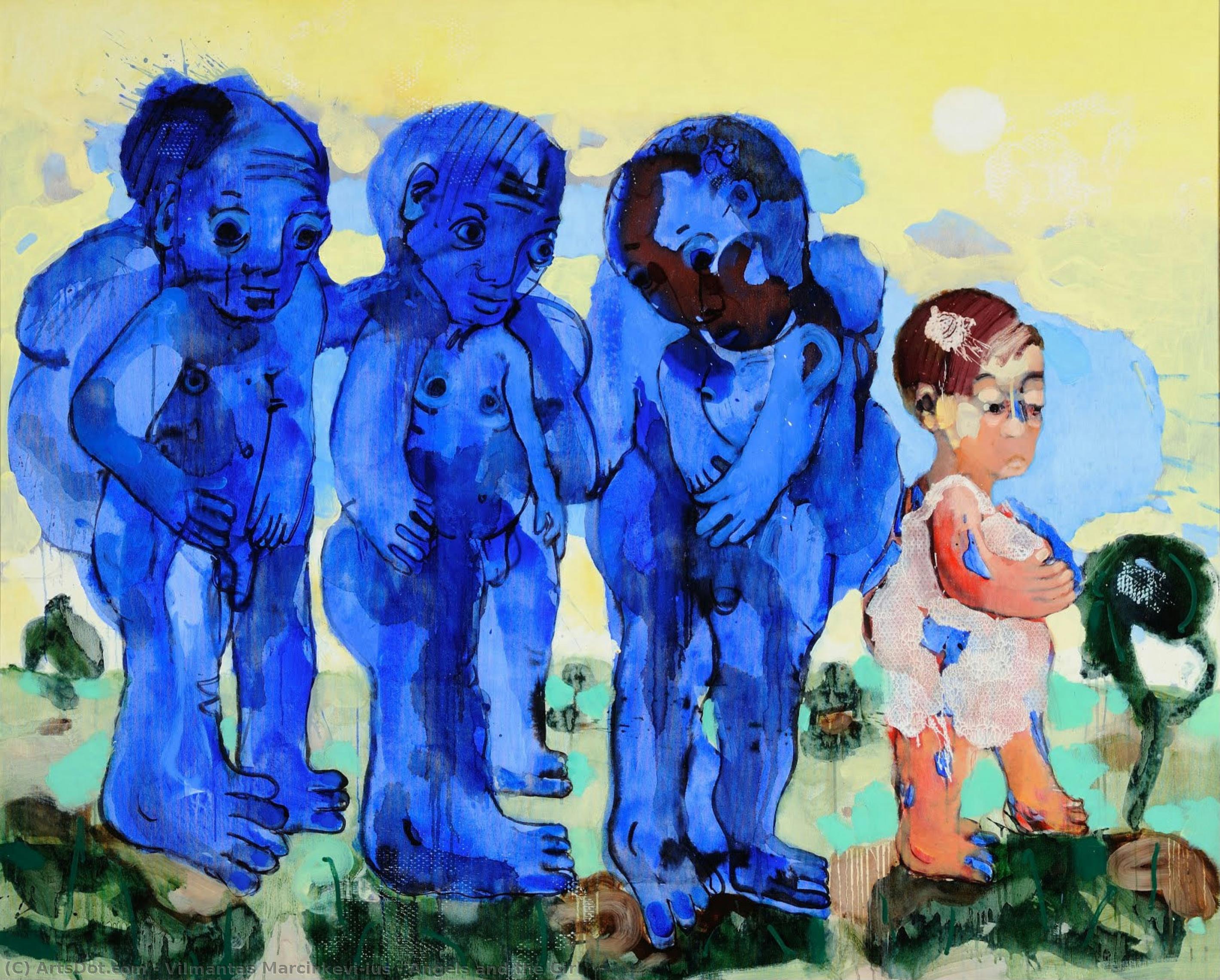
Angels and the Girl
 Oil On Canvas
- WallArt
- Surrealism
 Contemporary
 130.0 x 160.0 cm
 MO Museum / MO muziejus
 詳細を見る
詳細を見る




































作品のオリジナル比率に合わせた、当店の規定サイズからお選びください。

特定のフレームやスペースに合わせて、ご希望のサイズをご入力いただけます。選択されたサイズが元の画像の比率と異なる場合、アートワークをトリミングするか、手描きで要素を追加して絵画を拡張いたします。デジタルモックアップ を制作し、制作開始前にご確認(承認)をいただきます。
画面上のプレビューは、実際のトリミングや拡張を正確に反映しているものではありません。最終的な構図は、モックアップによってのみ正確にご確認いただけます。
カスタムサイズもご利用いただけますが、元の比率を維持するためには、あらかじめ用意されたリストからサイズを選択することをお勧めいたします。
ご注文後、ArtsDot.com チームより詳細な指示をお送りするとともに、仕上がりイメージ(モックアップ)をご提供いたします。


 ガラスオプションは、110cm未満のサイズでのみご利用いただけます。

Angels and the Girl
複製技法
複製画のサイズ
-


合計金額
$ 263
作品解説
A Dreamscape of Azure and Ether
In the mesmerizing expanse of Angels and the Girl, Lithuanian contemporary artist Vilmantas Marcinkevičius invites the viewer into a realm where the boundaries between reality and subconsciousness dissolve. This large-scale oil on canvas serves as a profound window into a surrealist landscape, dominated by a striking palette of cerule enough to evoke both the depths of the ocean and the infinite reaches of a twilight sky. The composition is anchored by three primary blue figures, standing in a silent, rhythmic procession across the canvas. Each figure possesses a unique anatomical presence, their distinct facial features and varying proportions suggesting a hierarchy of celestial or spiritual beings. This triad of silhouettes creates a sense of monumental stillness, as if we have stumbled upon a sacred moment frozen in time.
The painting’s technical mastery lies in its ability to balance weight and weightlessness. Through the deliberate application of oil paint, Marcinkevičius achieves a texture that feels both substantial and ethereal. While the main figures command the foreground with their bold, blue forms, the artist subtly weaves smaller, more delicate figures into the periphery. A tiny presence near the center and another tucked into the bottom left corner act as visual anchors, guiding the eye through the complex layers of this dreamlike narrative. This careful placement of secondary elements prevents the large 130 x 160 cm canvas from feeling static, instead imbuing it with a sense of hidden movement and secret life.
Symbolism and the Radiance of the Unknown
Beyond its striking visual impact, Angels and the Girl is a work rich in symbolic potential. The inclusion of a sun positioned in the upper right corner provides a crucial counterpoint to the cool, monochromatic dominance of the blue figures. This celestial light source introduces an element of hope and warmth, suggesting that even within the mysterious or melancholic depths of the blue world, there is a guiding radiance. The interplay between the shadow-like figures and this singular light source evokes themes of enlightenment, the passage of time, and the eternal dance between the known and the unknowable.
For the discerning collector or interior designer, this piece offers more than mere decoration; it offers an atmosphere. The surrealist style makes it a transformative addition to any sophisticated space, particularly those seeking to create a focal point of contemplation. Whether placed in a contemporary gallery setting or as a centerpiece in a luxury residential lounge, the painting’s emotive power remains undimines. It challenges the viewer to look past the surface and engage with the profound emotional resonance of its blue-hued inhabitants, making it an exquisite choice for those who appreciate art that speaks to the mysteries of the human spirit.
関連作品
アーティストの略歴
Kara Walker: Unearthing Histories Through Shadow and Silhouette
Kara Walker is a singular voice in contemporary art, a name synonymous with unsettling beauty, layered narratives, and the potent exploration of American history—particularly its legacy of race, gender, and violence. Born in November 1969, her work has rapidly ascended to prominence, challenging viewers to confront uncomfortable truths through a distinctive visual language built upon the evocative power of silhouette. Walker’s journey as an artist began with a formal education at Rhode Island School of Design (RISD), where she honed her skills in printmaking and drawing before transitioning to large-scale room installations that have become her signature style.Early Influences and Artistic Development
Walker's artistic vision is deeply rooted in the traditions of African American folklore, particularly the stories of “mammy” figures and the complexities of Southern plantation life. However, she doesn’t simply replicate these narratives; instead, she deconstructs them, exposing their inherent contradictions and unsettling assumptions. Early influences include artists like Romare Bearden, whose collages explored themes of Black identity and urban experience, and the work of Charles White, a prominent figure in the Civil Rights Movement who used art as a tool for social commentary. Her fascination with silhouette drawing, initially sparked by a childhood interest in shadow puppets, provided a crucial foundation for her later explorations. This technique—cutting paper into stark black forms against white backgrounds—allowed her to create instantly recognizable and emotionally charged images that bypassed literal representation, focusing instead on atmosphere, gesture, and psychological impact. Crucially, Walker’s work is not merely about depicting the past; it's an active engagement with its ongoing relevance in contemporary society.Room-Scale Installations: A World of Unspoken Narratives
Walker’s most celebrated achievement lies in her monumental room installations, often referred to as “tableau” or “dramatic scenes.” These immersive environments typically feature hundreds of intricately cut paper silhouettes depicting scenes of antebellum life—often involving sexual violence, exploitation, and the subjugation of Black women. These aren't straightforward historical accounts; they are carefully constructed narratives designed to provoke discomfort and demand interpretation. The scale of these installations – often filling entire rooms – creates a sense of claustrophobia and immediacy, drawing viewers into the heart of the depicted drama. The stark contrast between the black silhouettes and the white background amplifies the emotional intensity, while the absence of dialogue forces the audience to confront the unspoken horrors within the scenes. The deliberate ambiguity of these narratives—leaving much open to interpretation—is a key element of their power.Critical Acclaim and Recognition
Walker’s work has garnered widespread critical acclaim and numerous prestigious awards, solidifying her position as one of the most important artists working today. In 1997, at the young age of 28, she received a MacArthur Fellowship – often dubbed a “genius grant” – recognizing her innovative approach to artmaking and her significant contribution to contemporary discourse. This award propelled her career forward, providing crucial resources for experimentation and expansion. Her work has been exhibited extensively in major museums and galleries around the world, including the Museum of Modern Art (MoMA) in New York City, the Tate Modern in London, and the Whitney Museum of American Art in New York. Beyond individual exhibitions, Walker’s installations have become significant cultural events, sparking dialogue and challenging viewers to reconsider their understanding of history and identity.Legacy and Continuing Relevance
Kara Walker's work continues to resonate deeply with audiences today, prompting critical conversations about race, gender, sexuality, and the enduring impact of slavery on American society. Her innovative use of silhouette as a means of exploring complex social issues has established her as a pioneering figure in contemporary art. Furthermore, she actively engages with her audience through lectures, residencies, and teaching positions at institutions like Rutgers University, ensuring that her work remains accessible and relevant to new generations of artists and viewers. Walker’s legacy lies not only in the powerful imagery she creates but also in her willingness to confront difficult truths and challenge conventional narratives—a vital contribution to the ongoing dialogue about America's past and its present.
vilmantas marcinkevičius
1969 - , Lithuania
基本情報
- Artistic Movement Or Style: Silhouettist, installation artist
- Artists Or Movements Influenced By This Artist: ['Fons Americanus']
- Artists Who Influenced This Artist: ['Augustus Saint-Gaudens']
- Date Of Birth: November 26, 1969
- Full Name: Kara Elizabeth Walker
- Nationality: American
- Notable Artworks:
- Darkytown Rebellion
- no place (like home)
- Place Of Birth: United States
関連記事
Slate Blue Masterpieces: 10 Iconic Paintings & Timeless Home Decor Ideas
Immerse yourself in the captivating world of slate blue! Explore 10 iconic paintings by Monet, Van Gogh & Renoir. Discover their stories, techniques & find museum-quality art reproductions for your home at .

The Enduring Legacy of Oil on Canvas: Technique, History & Aesthetic Impact
Explore the rich history & techniques of oil painting – from Renaissance masters to Impressionism. Discover pigments, layering methods, and why this timeless medium endures. Expert insights for artists & art enthusiasts.

Oil on Canvas: A Historical & Technical Exploration of a Timeless Artistic Medium
Explore the rich history & enduring techniques of oil painting on canvas. Discover the science behind its longevity, conservation practices, and contemporary relevance. Expert insights for art enthusiasts.

油彩のキャンバス:技法、歴史、そして現代の実践 - 古典美術愛好家へ
油彩の技法、歴史、巨匠たちの秘密を徹底解説。古典美術愛好家向けに、初期フランドル絵画から現代の実践まで深く掘り下げます。ArtsDotで高品質な複製画やカスタムオーダーも承ります。
Oil on Canvas Masters: 10 Paintings That Redefined Art History |
Journey through art history with our guide to 10 legendary oil on canvas masterpieces! Explore iconic works by Van Gogh, Monet & Rembrandt. Find museum-quality reproductions and elevate your home decor at . Discover all masterpieces online.

