 プレビュー
プレビュー
 プリントを購入
 シェアする
シェアする シェアする
シェアする
 詳細を見る
詳細を見る

 ダウンロード
 似ている作品
 X線調査
X線調査 スライドショー
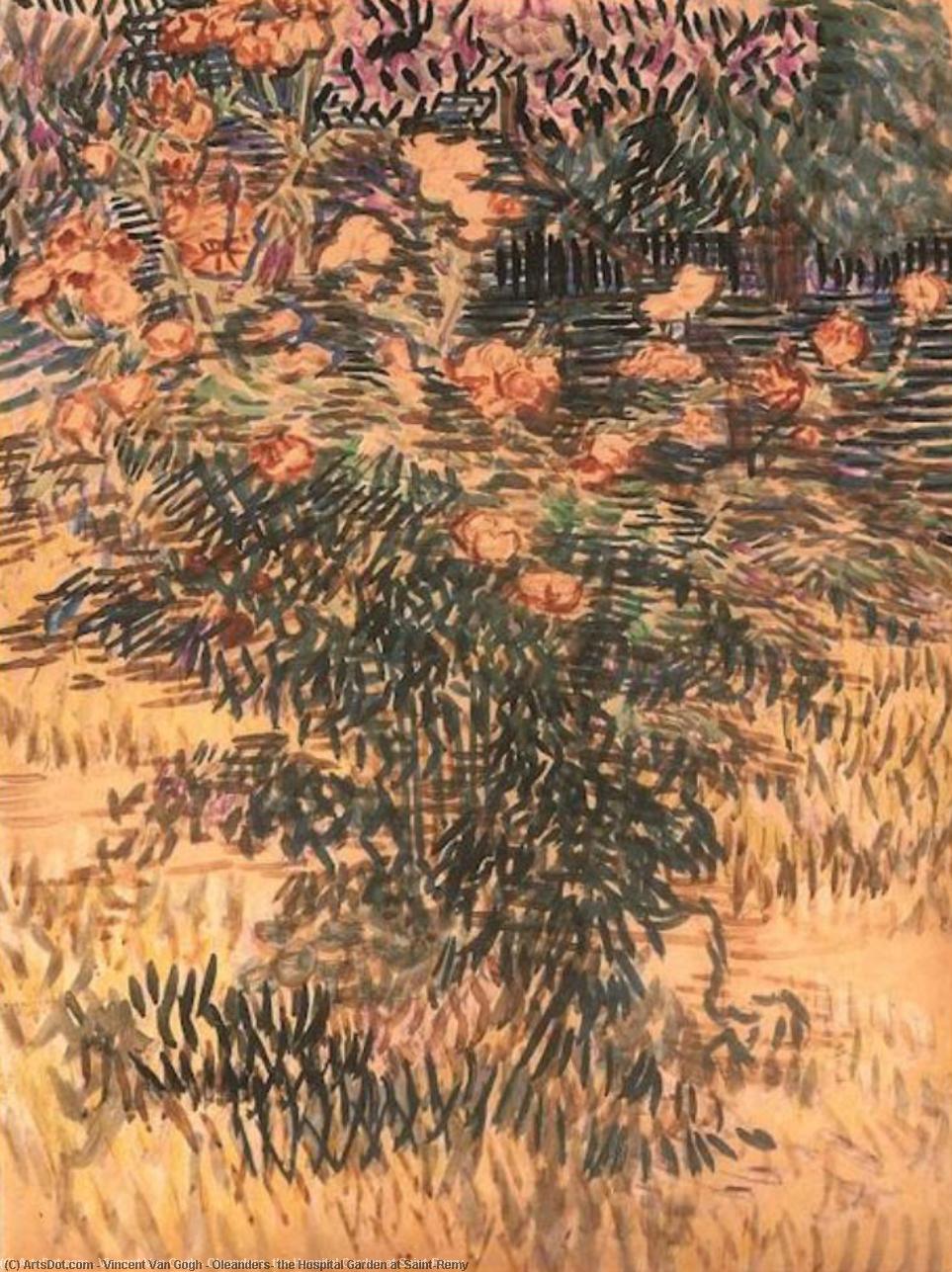
Oleanders, the Hospital Garden at Saint-Remy


 詳細を見る
詳細を見る




P118B $10

P118H $10

P118W $10

P438Z $10

P508JH $12

P508YH $12

P805H $10

P805Z $10

P919BZ $10

P919G $10

P919XJ $10

P959ZH $10

P968JZ $12

W106C $8

W218G $10

W218JH $8

W218Y $10

W307PJ $10

W316G $10

W316PJ $8

W316Y $10

W398PJ $8

W4111J $10

W500HY $15

W500JH $15

W692G $12

W849H $8

W940BG $15

W953PJ $8




作品のオリジナル比率に合わせた、当店の規定サイズからお選びください。

特定のフレームやスペースに合わせて、ご希望のサイズをご入力いただけます。選択されたサイズが元の画像の比率と異なる場合、アートワークをトリミングするか、手描きで要素を追加して絵画を拡張いたします。デジタルモックアップ を制作し、制作開始前にご確認(承認)をいただきます。
画面上のプレビューは、実際のトリミングや拡張を正確に反映しているものではありません。最終的な構図は、モックアップによってのみ正確にご確認いただけます。
カスタムサイズもご利用いただけますが、元の比率を維持するためには、あらかじめ用意されたリストからサイズを選択することをお勧めいたします。
ご注文後、ArtsDot.com チームより詳細な指示をお送りするとともに、仕上がりイメージ(モックアップ)をご提供いたします。


 ガラスオプションは、110cm未満のサイズでのみご利用いただけます。

Oleanders, the Hospital Garden at Saint-Remy
複製技法
複製画のサイズ
-


合計金額
$ 263
Oleanders, the Hospital Garden at Saint-Remy
Vincent van Gogh’s “Oleanders, the Hospital Garden at Saint-Rémy,” painted in 1889 during his stay at Saint-Paul-de-Mausole asylum near Arles, France, stands as a poignant testament to both artistic innovation and profound emotional turmoil. More than just a depiction of flowers—specifically oleanders—the painting embodies Van Gogh’s relentless pursuit of capturing the essence of nature and conveying inner feelings through vibrant color and expressive brushstrokes—a hallmark of Post-Impressionism. ### The Style of Expressionism Post-Impressionism emerged as a reaction against Impressionist aesthetics, rejecting their focus on fleeting light effects in favor of subjective emotion and symbolic representation. Artists like Cézanne, Gauguin, Seurat, and Van Gogh sought to move beyond mere observation, delving into the artist’s psychological state and attempting to communicate it directly to the viewer. “Oleanders” exemplifies this stylistic shift; its bold colors aren't merely descriptive but serve as conduits for conveying a sense of yearning and melancholy—a reflection of Van Gogh’s mental struggles during his confinement. The flattened perspective, characteristic of Cézanne’s influence, contributes to the painting’s stability and emphasizes form over illusion. ### Technique: Thick Impasto and Vivid Color Palette Van Gogh employed a technique known as *impasto*, applying paint thickly onto the canvas with a palette knife or brush. This method creates textural surfaces that capture light and shadow in remarkable detail, enhancing the visual impact of the artwork. The painting’s color palette is dominated by reds, yellows, and greens—particularly vibrant shades of scarlet and crimson—creating an arresting contrast against the muted tones of the foliage. These colors aren't chosen arbitrarily; they represent not only the beauty of the garden but also symbolize passion, vitality, and perhaps even a desperate desire for renewal—themes that resonate deeply within Van Gogh’s psyche. The artist meticulously layered pigment upon pigment, building up texture and depth to convey an overwhelming sense of emotion. ### Historical Context: Mental Illness and Artistic Breakthrough “Oleanders” was created during a period of intense psychological instability for Van Gogh. Following his expulsion from Paris and the tumultuous arrival of Paul Gauguin at Saint-Rémy, he experienced episodes of paranoia and hallucinations—a direct consequence of his battle with mental illness. Yet, amidst these difficulties, Van Gogh achieved a remarkable artistic breakthrough, producing some of his most iconic paintings during this time. The garden itself served as a focal point for contemplation and inspiration, offering solace from the confines of the asylum. It’s believed that Van Gogh sought to capture not just the visual appearance of the flowers but also their symbolic significance—representing resilience, beauty amidst adversity, and the enduring power of nature. ### Emotional Resonance: A Window into Van Gogh's Soul Ultimately, “Oleanders” transcends its formal qualities as a landscape painting; it functions as a profound exploration of human emotion. The artist’s expressive brushwork conveys a palpable sense of urgency and vulnerability—a yearning for connection and beauty that speaks to the viewer on an instinctive level. It is this emotional resonance—the ability to capture the complexities of the human experience—that secures Van Gogh's place among the greatest painters of all time. Viewing “Oleanders” invites contemplation about inner turmoil, artistic passion, and the transformative power of confronting one’s demons—themes that continue to captivate audiences today.関連作品
アーティストの略歴
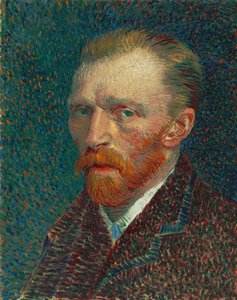
ヴィンセント・ファン・ゴッホ:情熱と苦悩の画家
1853年3月30日、オランダのズントに生まれたヴィンセント・ウィレム・ファン・ゴッホ。彼の名は、鮮やかな色彩と生々しい感情表現によって西洋美術史に永遠に刻まれました。牧師の息子として生まれ、様々な職を転々としながらも、27歳で絵筆を手にしたという遅咲きの画家であるゴッホは、わずか10年ほどの短い期間で2,100点もの作品を生み出しました。風景画、静物画、肖像画、自画像…その作品群は、大胆な色彩と劇的な筆致によって特徴づけられ、表現主義の誕生を予感させるとともに、後世の無数の芸術家たちに影響を与えました。生前にはわずか1点しか売れなかったというゴッホですが、死後、妹の妻であるヨハンナ・ファン・ゴッホ=ボンガーの尽力によってその名声は高まり、今や世界で最も愛される画家の一人となりました。彼の作品は単なる絵画ではなく、人間の感情を表現する力の証なのです。初期の試行錯誤と芸術への目覚め
ゴッホの幼少期は、様々な未成就の夢に彩られていました。美術商、教師、宣教師…様々な職業を経験した後、ようやく27歳で絵筆を持つことを決意します。これらの初期の経験は、彼の世界観を深く形作り、その後の作品にも反映されています。初期の作品には、ベルギーの農村地帯の風景が描かれ、労働者の苦境に対する深い共感と、それを表現する重々しい色彩が見て取れます。ジャン=フランソワ・ミレーの影響を受け、ゴッホは人々の尊厳と忍耐力を、写実的な描写を通して捉えようと試みました。しかし、1886年にパリに移住したことで、彼の芸術人生に大きな転換期が訪れます。印象派やポスト印象派の技法を学び、モネ、ルノワール、ピサロといった巨匠たちから影響を受けました。これにより、ゴッホはより明るい色彩と自由な筆致を取り入れながらも、独自の感情的な強烈さを失うことなく、芸術的視野を広げていきます。また、美術商の弟テオは、この時期に彼を経済的に支援し、パリのアート界とのつながりを提供することで、ゴッホの芸術的成長を支えました。二人の兄弟間の手紙は、ゴッホの芸術的発展と個人的な苦悩を知る上で貴重な資料となっています。南フランスの光と爆発的な創造性
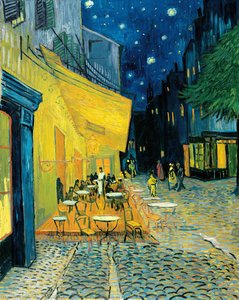
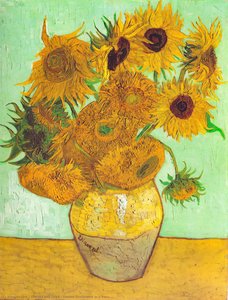
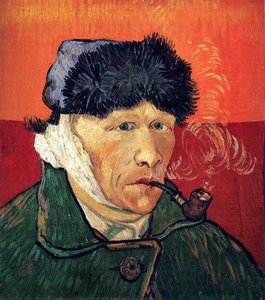
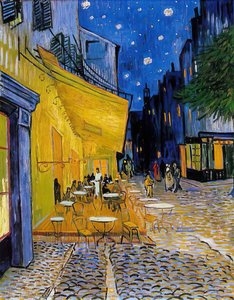
より鮮やかな風景と新たな息吹を求めて、1888年、ゴッホは南フランスのアールルに移り住みます。この転居は、色彩の奔流と、キャンバスに厚く絵具を塗り重ねるインパスト技法によって特徴づけられる、激しい創造活動の時代を迎えました。『ひまわり』、『夜のカフェテリア』、『星月夜』など、彼の最も有名な作品がこの時期に生み出されました。南フランスの日光は彼の想像力を刺激し、風景画や静物画を前例のない鮮やかさで描き出しました。芸術的な共同生活への強い願望から、ゴッホはポール・ゴーギャンをアールルへ招き入れ、芸術家村の設立を目指しましたが、二人の関係は不安定となり、最終的にはゴッホが自らの耳の一部を切断するという劇的な事件に発展します。この出来事は、彼の精神状態の脆弱性を浮き彫りにし、投病院生活へと繋がっていきました。晩年と不朽の遺産
精神的な崩壊の後、ゴッホはサン=レミの療養所に自ら入院し、精力的に絵画活動を続けました。周囲の風景を美しくも激しい感情を込めて描き出し、『星月夜』のような作品には、宇宙的な驚異と深遠な感情が込められています。その後、オーヴェル=叙=オワーズに移り、医師ポール・ガシェの保護下で生活を送りましたが、苦悩は続き、1890年7月29日、37歳の若さで自ら命を絶ちました。生前にはほとんど評価されなかったゴッホですが、死後、妹夫ヨハンナ・ファン・ゴッホ=ボンガーの尽力によってその名声は高まりました。彼女は彼の遺産を受け継ぎ、その作品の普及に生涯を捧げたのです。今日、ゴッホの絵画は世界中で愛され、その感情的な強さ、革新的な技法、そして不朽の美しさが称えられています。彼の遺産はキャンバスを超えて広がり、芸術的熱情、逆境への忍耐力、そして人間の感情を表現する力の象徴として、今もなお多くの人々に感動を与え続けています。主要な影響と芸術的発展
- 初期の写実主義: ジャン=フランソワ・ミレーの農民生活を描いた作品は、ゴッホの初期作品に影響を与えました。
- 印象派とポスト印象派: パリでの印象派やポスト印象派への接触は、彼の色彩と技法を広げました。
- 日本の版画: ゴッホは熱心な日本の版画収集家であり、その大胆な構図と平板的な色彩は、彼自身のスタイルに影響を与えました。
- 感情表現: ゴッホは常に客観的な描写よりも、感情を作品を通して表現することを重視し、それが彼の作品の大きな特徴となりました。この感情への集中は、表現主義の先駆けとなったと言えるでしょう。
フィンセント・ファン・ゴッホ
1853 - 1890 , オランダ
基本情報
- フルネーム: フィンセント・ウィレム・ファン・ゴッホ
- 主な作品:
- 《ポテト・イーター》
- 《ひまわり》
- 《星月夜》
- 《カフェ・テ・ネール》
- 出生地: ズント (オランダ)
- 国籍: オランダ人
- 影響を与えた芸術家: ['表現主義']
- 影響を受けた芸術家:
- レンブラント・ファン・レイン
- ジャン=フランソワ・ミレー
- 死亡年月日: 1890年7月29日
- 生年月日: 1853年3月30日
- 芸術運動: 後期印象派
関連記事
没後印象派を彩る至宝:時代を定義した10大名作
時代を彩る没後印象派の名作10選。ゴッホ、セザンヌら巨匠の傑作を深く掘り下げ、その物語と技法に迫ります。色彩豊かなアートで空間を演出。ArtsDot.comで至高のアートプリントを見つけませんか?
Decoding Van Gogh's Turmoil: ArtsDot’s Masterful Reproductions of Emotional Depth
Discover exquisite Van Gogh reproductions from ArtsDot – expert art specialists offering museum-quality prints & custom paintings. Trust our authentic process and elevate your collection today.

Impressionism's Masterpieces: 10 Paintings That Defined a Movement | ArtsDot
Journey through Impressionism's heart with 10 iconic paintings by Monet, Renoir & Degas. Explore light, color & the stories behind these masterpieces. Find museum-quality art reproductions and elevate your home decor on ArtsDot.com.
Beyond Impressionism: Exploring the Emotional Depth of Post-Impressionist Painting
Explore the profound emotional depth & innovative techniques of Post-Impressionism with ArtsDot. Discover Cézanne, Van Gogh, Gauguin & more – and their lasting impact on modern art.
Beyond the Brush: A Visual Journey Through the Emotional Brilliance of Post-Impressionism
Embark on a visual journey through Post-Impressionism. Discover the emotional depth of Van Gogh and Cézanne, explore the tactile beauty of impasto, and learn how to bring these vibrant, soulful masterpieces into your home with expert art curation and custom hand-painted reproductions.
![イリス [1889]](/media/artworks/images-thumb/ca/85/ca85582a4fd1dc392efef83ec4dc3124.jpg)