

 プレビュー
プレビュー
 プリントを購入
 シェアする
シェアする シェアする
シェアする
 詳細を見る
詳細を見る

 ダウンロード
 似ている作品
 X線調査
X線調査 スライドショー
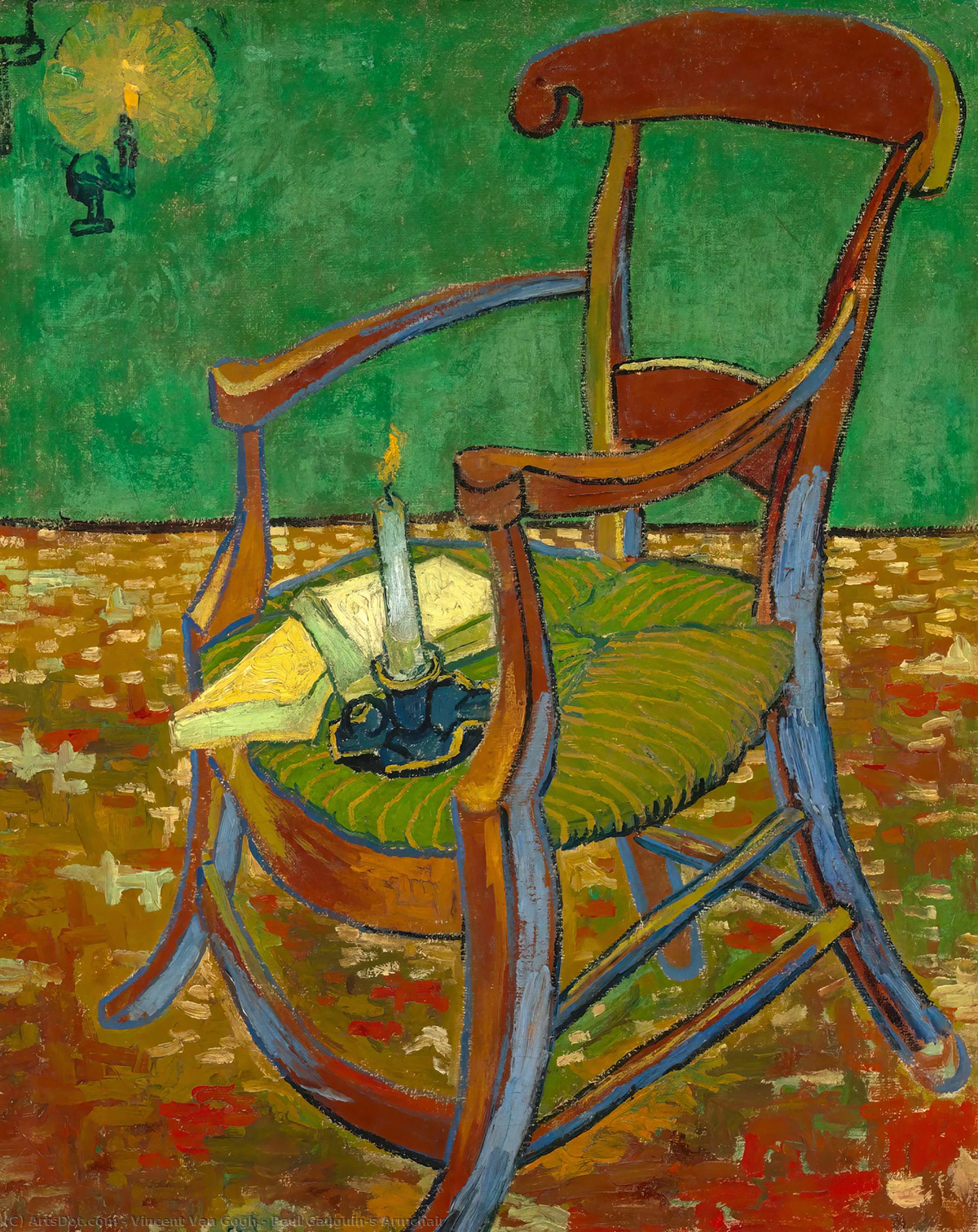
Paul Gauguin's Armchair


 詳細を見る
詳細を見る
オンラインプレビューをはるかに凌ぐ、高解像度で鮮明なデジタル画像をご購入いただけます。
各ファイルは、社内の専門家が高度なツールと熟練した手作業によるレタッチを用いて、細心の注意を払って準備されています。すべての画像において、卓越した鮮明度、正確な色彩再現性、そして繊細なディテールを保証いたします。
最終ファイルは、プロフェッショナルな編集・印刷環境ですぐにご利用いただけるよう最適化された状態で、72時間以内にメールにてお届けいたします。これは、一流のデザインスタジオ、出版社、ギャラリーから信頼されているものと同等の品質です。
デジタル画像のご注文に付随する特典
高品質なデジタル画像配信を、確かな品質で。
ArtsDot.com を選ぶことは、単に画像を手に入れることではありません。それは、プロの手によって精密に仕上げられ、満足保証が付いた高品質なデジタルアートワークを受け取ることを意味します。ご注文いただいた際に自動的に付随する内容は、以下の通りです:

メールですぐにお届け
ご注文から72時間以内に、高解像度のデジタル画像ファイルがメールでお手元に届きます。すぐにそのままご利用いただけます。

AI技術で最適化されたデジタルファイル
お客様の作品は、高度なAIツールと専門家による手作業の編集を組み合わせてプロフェッショナルに最適化されており、細部のディテール、鮮明さ、そして正確な色再現性を最大限に引き出しています。

一生涯無料の再送サービス
ファイルを誤って削除したり、紛失してしまったりしましたか?ご安心ください。いつでも無料で再送いたします。

輸入手数料は一切かかりません
関税や手数料、配送料を気にすることなく、お気に入りのアートワークをすぐにお楽しみいただけます。デジタルダウンロードは常に免税です。

色彩再現の保証
プロ仕様のツールとカラーマネジメント技術を用いることで、デジタル画像が元の色を最大限に忠実に再現することを保証いたします。

60日間満足保証
ご購入いただいたデジタル画像にご満足いただけない場合は、60日以内であれば、修正または100%の返金(理由を問う必要はありません)をさせていただきます。

100% 返金保証
ご満足いただけない場合は、デジタルファイルを受け取ってから60日以内であれば、理由を問わず全額返金いたします。

まとめ買い割引
3枚購入で10%OFF - 5枚購入で15%OFF - 10枚以上購入で20%OFF。クリエイティブなプロジェクト、ギャラリー、エージェンシーに最適です。
A Moment of Shared Solitude: Vincent van Gogh’s “Paul Gauguin’s Armchair”
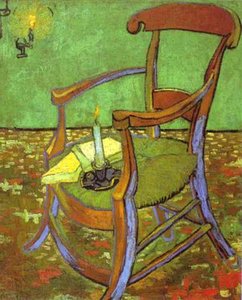
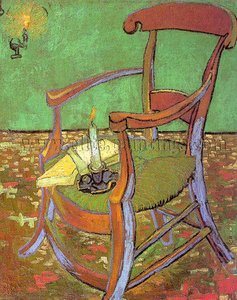
Vincent van Gogh's "Paul Gauguin’s Armchair," painted in December 1888 during his tumultuous time in Arles, France, is far more than a simple still life. It’s a poignant meditation on friendship, artistic collaboration, and the complexities of human connection—a visual embodiment of the intense yet ultimately fraught relationship between two giants of modern art. The painting captures an unassuming wooden armchair, bathed in the warm glow of a flickering candle, resting upon a worn floor. Yet within this seemingly ordinary scene lies a wealth of symbolic meaning, meticulously crafted through Van Gogh’s distinctive post-impressionist style.
The technique employed is immediately recognizable as Van Gogh's own—bold, expressive brushstrokes layered thickly onto the canvas to create an almost palpable sense of texture and movement. The colors are vibrant yet subdued, dominated by a rich palette of reds, greens, and blues that evoke both warmth and melancholy. Notice how he uses complementary colors – the fiery red of the candle flame juxtaposed against the cool green of the cushion – not merely for visual interest but to heighten the emotional impact of the scene. The chair itself is rendered with an almost sculptural quality, each stroke contributing to its three-dimensional presence. Van Gogh’s signature impasto technique—applying paint in thick, visible layers—adds a tactile dimension, inviting the viewer to reach out and feel the surface of the painting.
The Seeds of Collaboration and Discord
The genesis of “Paul Gauguin’s Armchair” is inextricably linked to Van Gogh's brief but intensely productive collaboration with his fellow artist Paul Gauguin in Arles. Both artists sought a new direction for their work, rejecting the constraints of academic art and embracing a more expressive and subjective approach. They envisioned establishing an "Studio of Life" – a communal workshop where they could share ideas, techniques, and inspiration. However, this idyllic dream quickly dissolved into conflict as their vastly different personalities and artistic visions clashed. Gauguin’s arrival in Arles brought with it a whirlwind of activity and a challenge to Van Gogh's established routines.
The painting itself is understood to be a reflection of this dynamic. The armchair, a symbol of shared space and companionship, represents the presence of Gauguin within Van Gogh’s life—a reminder of their collaborative efforts and the underlying tensions that simmered beneath the surface. It's a quiet scene, almost melancholic in its stillness, hinting at the unspoken complexities of their relationship. The book resting on the chair is not merely an object but a symbol of intellectual exchange and shared interests – perhaps even a reference to the literary discussions they engaged in.
Symbolism Woven into the Everyday
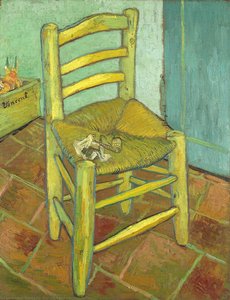
Beyond the immediate depiction of the armchair, Van Gogh imbues the scene with layers of symbolic meaning. The candle, burning brightly, represents both illumination and vulnerability—a source of warmth and comfort but also a potential threat of destruction. The worn floor suggests a sense of history and familiarity, grounding the scene in a tangible reality. The book, open on the chair, symbolizes knowledge, contemplation, and perhaps even a shared intellectual pursuit. Notably, Van Gogh’s own chair, “Van Gogh’s Chair,” depicted alongside this one, is starkly different—a simple, rush-seated stool, reflecting his preference for humble materials and a more direct engagement with the physical world.
The choice of complementary colors – red and green – further reinforces the painting's symbolic weight. Red represents passion, energy, and perhaps even conflict, while green symbolizes harmony, growth, and nature. The juxtaposition of these colors highlights the contrasting personalities of Van Gogh and Gauguin—Van Gogh’s inherent simplicity and humility versus Gauguin’s more flamboyant and extravagant nature. The overall effect is a delicate balance between warmth and coolness, suggesting both the beauty and the challenges of artistic collaboration.
A Legacy of Emotional Resonance
"Paul Gauguin's Armchair" remains one of Van Gogh’s most enduringly captivating works, not simply for its technical brilliance but for its profound emotional resonance. It offers a glimpse into the heart of an artist grappling with complex relationships and searching for his own artistic identity. The painting’s quiet intimacy invites viewers to contemplate the nature of friendship, creativity, and the human condition. Reproductions of this iconic work capture the essence of Van Gogh's genius—his ability to transform the mundane into the extraordinary, imbuing everyday objects with layers of symbolic meaning and emotional depth. It stands as a testament to the power of art to illuminate the complexities of life and connect us to the shared experiences of humanity.
関連作品
作家の略歴
ヴィンセント・ファン・ゴッホ:情熱と苦悩の画家
1853年3月30日、オランダのズントに生まれたヴィンセント・ウィレム・ファン・ゴッホ。彼の名は、鮮やかな色彩と生々しい感情表現によって西洋美術史に永遠に刻まれました。牧師の息子として生まれ、様々な職を転々としながらも、27歳で絵筆を手にしたという遅咲きの画家であるゴッホは、わずか10年ほどの短い期間で2,100点もの作品を生み出しました。風景画、静物画、肖像画、自画像…その作品群は、大胆な色彩と劇的な筆致によって特徴づけられ、表現主義の誕生を予感させるとともに、後世の無数の芸術家たちに影響を与えました。生前にはわずか1点しか売れなかったというゴッホですが、死後、妹の妻であるヨハンナ・ファン・ゴッホ=ボンガーの尽力によってその名声は高まり、今や世界で最も愛される画家の一人となりました。彼の作品は単なる絵画ではなく、人間の感情を表現する力の証なのです。初期の試行錯誤と芸術への目覚め
ゴッホの幼少期は、様々な未成就の夢に彩られていました。美術商、教師、宣教師…様々な職業を経験した後、ようやく27歳で絵筆を持つことを決意します。これらの初期の経験は、彼の世界観を深く形作り、その後の作品にも反映されています。初期の作品には、ベルギーの農村地帯の風景が描かれ、労働者の苦境に対する深い共感と、それを表現する重々しい色彩が見て取れます。ジャン=フランソワ・ミレーの影響を受け、ゴッホは人々の尊厳と忍耐力を、写実的な描写を通して捉えようと試みました。しかし、1886年にパリに移住したことで、彼の芸術人生に大きな転換期が訪れます。印象派やポスト印象派の技法を学び、モネ、ルノワール、ピサロといった巨匠たちから影響を受けました。これにより、ゴッホはより明るい色彩と自由な筆致を取り入れながらも、独自の感情的な強烈さを失うことなく、芸術的視野を広げていきます。また、美術商の弟テオは、この時期に彼を経済的に支援し、パリのアート界とのつながりを提供することで、ゴッホの芸術的成長を支えました。二人の兄弟間の手紙は、ゴッホの芸術的発展と個人的な苦悩を知る上で貴重な資料となっています。南フランスの光と爆発的な創造性
より鮮やかな風景と新たな息吹を求めて、1888年、ゴッホは南フランスのアールルに移り住みます。この転居は、色彩の奔流と、キャンバスに厚く絵具を塗り重ねるインパスト技法によって特徴づけられる、激しい創造活動の時代を迎えました。『ひまわり』、『夜のカフェテリア』、『星月夜』など、彼の最も有名な作品がこの時期に生み出されました。南フランスの日光は彼の想像力を刺激し、風景画や静物画を前例のない鮮やかさで描き出しました。芸術的な共同生活への強い願望から、ゴッホはポール・ゴーギャンをアールルへ招き入れ、芸術家村の設立を目指しましたが、二人の関係は不安定となり、最終的にはゴッホが自らの耳の一部を切断するという劇的な事件に発展します。この出来事は、彼の精神状態の脆弱性を浮き彫りにし、投病院生活へと繋がっていきました。晩年と不朽の遺産
精神的な崩壊の後、ゴッホはサン=レミの療養所に自ら入院し、精力的に絵画活動を続けました。周囲の風景を美しくも激しい感情を込めて描き出し、『星月夜』のような作品には、宇宙的な驚異と深遠な感情が込められています。その後、オーヴェル=叙=オワーズに移り、医師ポール・ガシェの保護下で生活を送りましたが、苦悩は続き、1890年7月29日、37歳の若さで自ら命を絶ちました。生前にはほとんど評価されなかったゴッホですが、死後、妹夫ヨハンナ・ファン・ゴッホ=ボンガーの尽力によってその名声は高まりました。彼女は彼の遺産を受け継ぎ、その作品の普及に生涯を捧げたのです。今日、ゴッホの絵画は世界中で愛され、その感情的な強さ、革新的な技法、そして不朽の美しさが称えられています。彼の遺産はキャンバスを超えて広がり、芸術的熱情、逆境への忍耐力、そして人間の感情を表現する力の象徴として、今もなお多くの人々に感動を与え続けています。主要な影響と芸術的発展
- 初期の写実主義: ジャン=フランソワ・ミレーの農民生活を描いた作品は、ゴッホの初期作品に影響を与えました。
- 印象派とポスト印象派: パリでの印象派やポスト印象派への接触は、彼の色彩と技法を広げました。
- 日本の版画: ゴッホは熱心な日本の版画収集家であり、その大胆な構図と平板的な色彩は、彼自身のスタイルに影響を与えました。
- 感情表現: ゴッホは常に客観的な描写よりも、感情を作品を通して表現することを重視し、それが彼の作品の大きな特徴となりました。この感情への集中は、表現主義の先駆けとなったと言えるでしょう。
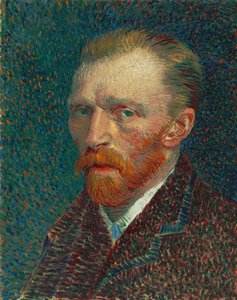
フィンセント・ファン・ゴッホ
1853 - 1890 , オランダ
プロフィール概要
- フルネーム: フィンセント・ウィレム・ファン・ゴッホ
- 主な作品:
- 《ポテト・イーター》
- 《ひまわり》
- 《星月夜》
- 《カフェ・テ・ネール》
- 出生地: ズント (オランダ)
- 国籍: オランダ人
- 影響を与えた芸術家: ['表現主義']
- 影響を受けた芸術家:
- レンブラント・ファン・レイン
- ジャン=フランソワ・ミレー
- 死亡年月日: 1890年7月29日
- 生年月日: 1853年3月30日
- 芸術運動: 後期印象派

