

 プレビュー
プレビュー
 プリントを購入
 シェアする
シェアする シェアする
シェアする
 詳細を見る
詳細を見る

 ダウンロード
 似ている作品
 X線調査
X線調査 スライドショー
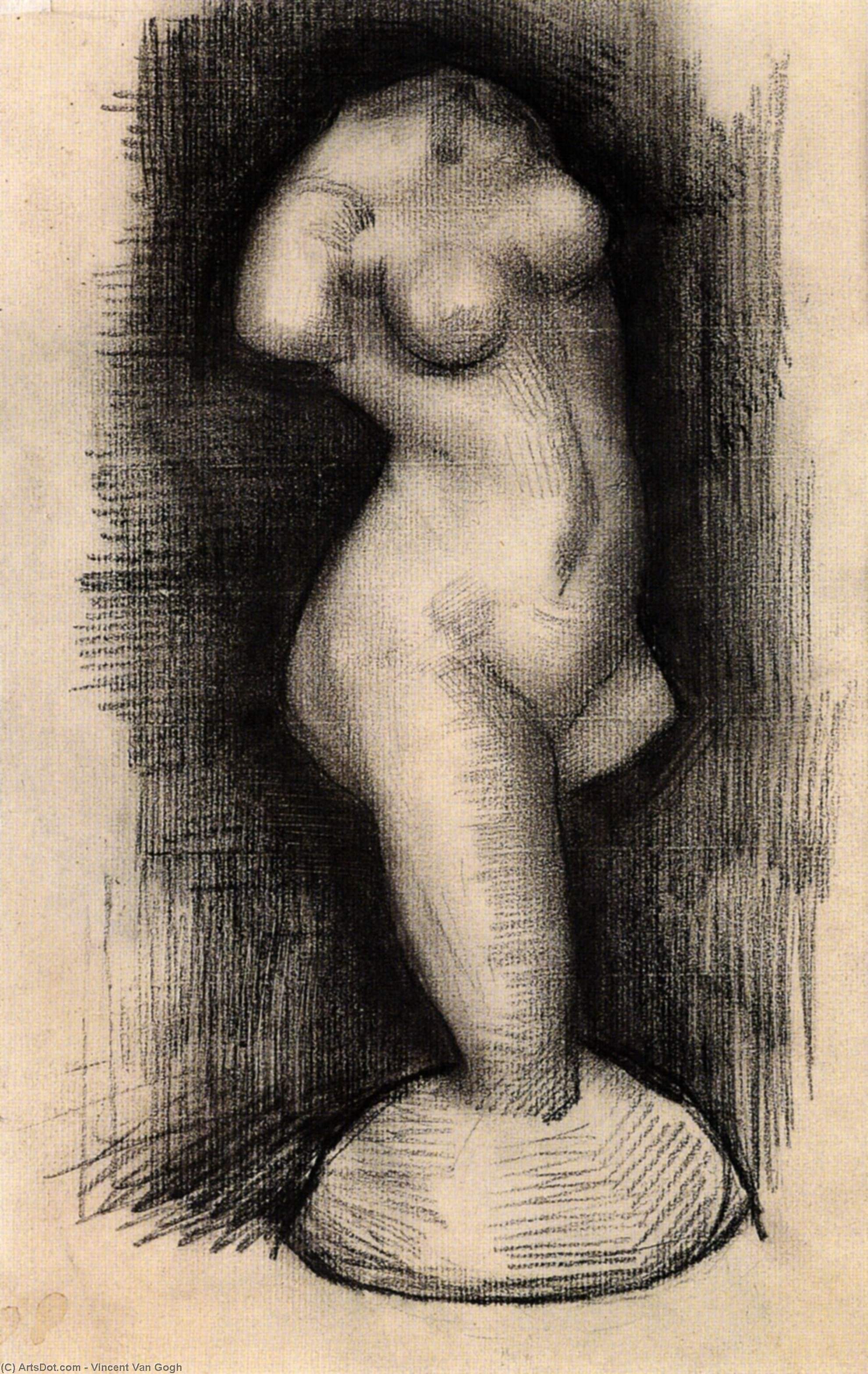
Torso of Venus (11)


 詳細を見る
詳細を見る
オンラインプレビューをはるかに凌ぐ、高解像度で鮮明なデジタル画像をご購入いただけます。
各ファイルは、社内の専門家が高度なツールと熟練した手作業によるレタッチを用いて、細心の注意を払って準備されています。すべての画像において、卓越した鮮明度、正確な色彩再現性、そして繊細なディテールを保証いたします。
最終ファイルは、プロフェッショナルな編集・印刷環境ですぐにご利用いただけるよう最適化された状態で、72時間以内にメールにてお届けいたします。これは、一流のデザインスタジオ、出版社、ギャラリーから信頼されているものと同等の品質です。
デジタル画像のご注文に付随する特典
高品質なデジタル画像配信を、確かな品質で。
ArtsDot.com を選ぶことは、単に画像を手に入れることではありません。それは、プロの手によって精密に仕上げられ、満足保証が付いた高品質なデジタルアートワークを受け取ることを意味します。ご注文いただいた際に自動的に付随する内容は、以下の通りです:

メールですぐにお届け
ご注文から72時間以内に、高解像度のデジタル画像ファイルがメールでお手元に届きます。すぐにそのままご利用いただけます。

AI技術で最適化されたデジタルファイル
お客様の作品は、高度なAIツールと専門家による手作業の編集を組み合わせてプロフェッショナルに最適化されており、細部のディテール、鮮明さ、そして正確な色再現性を最大限に引き出しています。

一生涯無料の再送サービス
ファイルを誤って削除したり、紛失してしまったりしましたか?ご安心ください。いつでも無料で再送いたします。

輸入手数料は一切かかりません
関税や手数料、配送料を気にすることなく、お気に入りのアートワークをすぐにお楽しみいただけます。デジタルダウンロードは常に免税です。

色彩再現の保証
プロ仕様のツールとカラーマネジメント技術を用いることで、デジタル画像が元の色を最大限に忠実に再現することを保証いたします。

60日間満足保証
ご購入いただいたデジタル画像にご満足いただけない場合は、60日以内であれば、修正または100%の返金(理由を問う必要はありません)をさせていただきます。

100% 返金保証
ご満足いただけない場合は、デジタルファイルを受け取ってから60日以内であれば、理由を問わず全額返金いたします。

まとめ買い割引
3枚購入で10%OFF - 5枚購入で15%OFF - 10枚以上購入で20%OFF。クリエイティブなプロジェクト、ギャラリー、エージェンシーに最適です。
作品の詳細
The Enigmatic Beauty of “Torso of Venus”
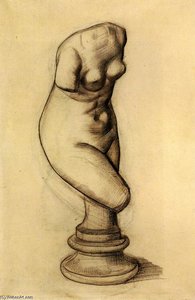
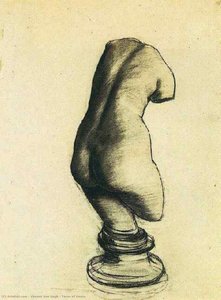
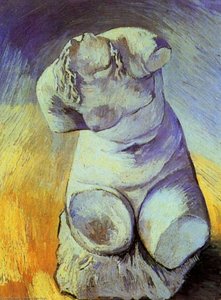
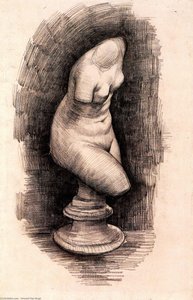
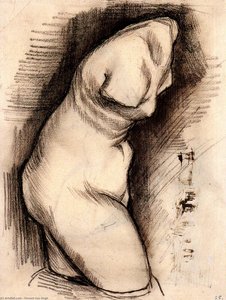
Vincent van Gogh’s “Torso of Venus (11)” is not merely a charcoal drawing; it's a profound meditation on the human form, imbued with an almost palpable sense of longing and quiet contemplation. Completed in Paris during the spring of 1886, this work represents a pivotal moment in Van Gogh’s artistic journey – a deliberate engagement with classical ideals that simultaneously challenged and amplified his own intensely personal vision. The drawing, measuring just 31.4 cm x 47.5 cm, belies its compact size with the sheer emotional weight it conveys. It's a study in restraint, a carefully considered exploration of line, shadow, and texture, revealing a remarkable sensitivity to the subtle nuances of human anatomy and emotion.
At first glance, the subject is straightforward: a depiction of the torso of Venus, the Roman goddess of love and beauty. However, Van Gogh’s treatment transcends simple representation. He doesn't offer a celebratory or overtly sensual portrayal; instead, he presents a figure stripped bare, vulnerable yet undeniably powerful. The pose itself – turned slightly away from the viewer – creates an immediate sense of intimacy, inviting us to observe this classical icon with a degree of personal scrutiny. The drawing’s starkness—the absence of vibrant color and the reliance on the expressive qualities of charcoal—heightens the emotional impact, forcing us to engage with the subject's essence rather than its superficial appearance.
Influences and Artistic Context
Van Gogh’s fascination with classical art was a defining characteristic of his early career. He deeply admired the works of Michelangelo, Raphael, and particularly the sculptures of antiquity, which he viewed as embodying an ideal of beauty and human form. “Torso of Venus” is directly influenced by ancient Roman sculpture, specifically depictions of Venus Anadyomene – Venus rising from the sea. Botticelli’s “Birth of Venus,” a monumental painting depicting the goddess emerging from a seashell, served as a key reference point for Van Gogh. However, unlike Botticelli's vibrant and celebratory depiction, Van Gogh’s drawing is imbued with a sense of melancholy and introspection.
Crucially, this work emerged during a period when Van Gogh was deeply influenced by Realist painters like Jean-François Millet and Gustave Courbet. These artists sought to depict everyday life and ordinary people with honesty and sincerity, rejecting the idealized representations prevalent in academic art. Van Gogh’s engagement with these Realist principles is evident in his meticulous attention to detail – the precise rendering of muscles, tendons, and skin texture – combined with a willingness to portray the subject without embellishment or romanticization. The drawing's starkness reflects this influence, prioritizing observation and emotional truth over decorative effect.
The Language of Line and Texture
What truly distinguishes “Torso of Venus” is Van Gogh’s masterful manipulation of line and texture. He employs a rapid, broken charcoal technique, creating a dynamic surface filled with subtle variations in tone and pressure. The lines are not smooth or continuous; instead, they are fragmented and overlapping, suggesting movement and capturing the ephemeral quality of light and shadow. This expressive approach to drawing is reminiscent of Japanese woodblock prints – Ukiyo-e – which had a profound impact on Van Gogh’s artistic sensibilities.
The artist's use of hatching—short, parallel lines—creates a sense of depth and volume, while the darker areas suggest shadow and contour. The subtle shifts in tone reveal the underlying musculature of the figure, conveying both its physical strength and its inherent vulnerability. Notably, Van Gogh incorporates a small white ball positioned near the bottom right corner – an intriguing detail that adds a touch of whimsy and perhaps serves as a compositional element or a visual focal point. This seemingly simple addition underscores Van Gogh’s meticulous attention to every aspect of his work.
A Legacy of Emotion and Influence
“Torso of Venus” is more than just a study in anatomy; it's a profound exploration of the human condition. The drawing embodies Van Gogh’s ability to imbue inanimate objects with emotion, transforming a classical icon into a vehicle for personal reflection. It stands as a testament to his enduring influence on modern art, paving the way for Expressionism and inspiring generations of artists to explore the expressive potential of line and texture.
Today, reproductions of this captivating drawing are available through ArtsDot.com, offering an opportunity to experience the beauty and emotional depth of Van Gogh’s masterpiece in your own home or office. The Van Gogh Museum in Amsterdam houses a significant collection of his works, including “Torso of Venus,” providing invaluable context for understanding its historical and artistic significance. For further exploration, visit Wikipedia for detailed biographical information about Vincent van Gogh and his artistic legacy.
関連作品
作家の略歴
ヴィンセント・ファン・ゴッホ:情熱と苦悩の画家
1853年3月30日、オランダのズントに生まれたヴィンセント・ウィレム・ファン・ゴッホ。彼の名は、鮮やかな色彩と生々しい感情表現によって西洋美術史に永遠に刻まれました。牧師の息子として生まれ、様々な職を転々としながらも、27歳で絵筆を手にしたという遅咲きの画家であるゴッホは、わずか10年ほどの短い期間で2,100点もの作品を生み出しました。風景画、静物画、肖像画、自画像…その作品群は、大胆な色彩と劇的な筆致によって特徴づけられ、表現主義の誕生を予感させるとともに、後世の無数の芸術家たちに影響を与えました。生前にはわずか1点しか売れなかったというゴッホですが、死後、妹の妻であるヨハンナ・ファン・ゴッホ=ボンガーの尽力によってその名声は高まり、今や世界で最も愛される画家の一人となりました。彼の作品は単なる絵画ではなく、人間の感情を表現する力の証なのです。初期の試行錯誤と芸術への目覚め
ゴッホの幼少期は、様々な未成就の夢に彩られていました。美術商、教師、宣教師…様々な職業を経験した後、ようやく27歳で絵筆を持つことを決意します。これらの初期の経験は、彼の世界観を深く形作り、その後の作品にも反映されています。初期の作品には、ベルギーの農村地帯の風景が描かれ、労働者の苦境に対する深い共感と、それを表現する重々しい色彩が見て取れます。ジャン=フランソワ・ミレーの影響を受け、ゴッホは人々の尊厳と忍耐力を、写実的な描写を通して捉えようと試みました。しかし、1886年にパリに移住したことで、彼の芸術人生に大きな転換期が訪れます。印象派やポスト印象派の技法を学び、モネ、ルノワール、ピサロといった巨匠たちから影響を受けました。これにより、ゴッホはより明るい色彩と自由な筆致を取り入れながらも、独自の感情的な強烈さを失うことなく、芸術的視野を広げていきます。また、美術商の弟テオは、この時期に彼を経済的に支援し、パリのアート界とのつながりを提供することで、ゴッホの芸術的成長を支えました。二人の兄弟間の手紙は、ゴッホの芸術的発展と個人的な苦悩を知る上で貴重な資料となっています。南フランスの光と爆発的な創造性
より鮮やかな風景と新たな息吹を求めて、1888年、ゴッホは南フランスのアールルに移り住みます。この転居は、色彩の奔流と、キャンバスに厚く絵具を塗り重ねるインパスト技法によって特徴づけられる、激しい創造活動の時代を迎えました。『ひまわり』、『夜のカフェテリア』、『星月夜』など、彼の最も有名な作品がこの時期に生み出されました。南フランスの日光は彼の想像力を刺激し、風景画や静物画を前例のない鮮やかさで描き出しました。芸術的な共同生活への強い願望から、ゴッホはポール・ゴーギャンをアールルへ招き入れ、芸術家村の設立を目指しましたが、二人の関係は不安定となり、最終的にはゴッホが自らの耳の一部を切断するという劇的な事件に発展します。この出来事は、彼の精神状態の脆弱性を浮き彫りにし、投病院生活へと繋がっていきました。晩年と不朽の遺産
精神的な崩壊の後、ゴッホはサン=レミの療養所に自ら入院し、精力的に絵画活動を続けました。周囲の風景を美しくも激しい感情を込めて描き出し、『星月夜』のような作品には、宇宙的な驚異と深遠な感情が込められています。その後、オーヴェル=叙=オワーズに移り、医師ポール・ガシェの保護下で生活を送りましたが、苦悩は続き、1890年7月29日、37歳の若さで自ら命を絶ちました。生前にはほとんど評価されなかったゴッホですが、死後、妹夫ヨハンナ・ファン・ゴッホ=ボンガーの尽力によってその名声は高まりました。彼女は彼の遺産を受け継ぎ、その作品の普及に生涯を捧げたのです。今日、ゴッホの絵画は世界中で愛され、その感情的な強さ、革新的な技法、そして不朽の美しさが称えられています。彼の遺産はキャンバスを超えて広がり、芸術的熱情、逆境への忍耐力、そして人間の感情を表現する力の象徴として、今もなお多くの人々に感動を与え続けています。主要な影響と芸術的発展
- 初期の写実主義: ジャン=フランソワ・ミレーの農民生活を描いた作品は、ゴッホの初期作品に影響を与えました。
- 印象派とポスト印象派: パリでの印象派やポスト印象派への接触は、彼の色彩と技法を広げました。
- 日本の版画: ゴッホは熱心な日本の版画収集家であり、その大胆な構図と平板的な色彩は、彼自身のスタイルに影響を与えました。
- 感情表現: ゴッホは常に客観的な描写よりも、感情を作品を通して表現することを重視し、それが彼の作品の大きな特徴となりました。この感情への集中は、表現主義の先駆けとなったと言えるでしょう。
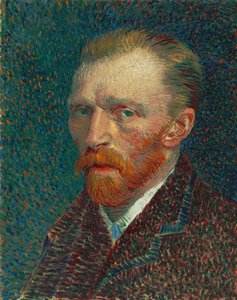
フィンセント・ファン・ゴッホ
1853 - 1890 , オランダ
プロフィール概要
- フルネーム: フィンセント・ウィレム・ファン・ゴッホ
- 主な作品:
- 《ポテト・イーター》
- 《ひまわり》
- 《星月夜》
- 《カフェ・テ・ネール》
- 出生地: ズント (オランダ)
- 国籍: オランダ人
- 影響を与えた芸術家: ['表現主義']
- 影響を受けた芸術家:
- レンブラント・ファン・レイン
- ジャン=フランソワ・ミレー
- 死亡年月日: 1890年7月29日
- 生年月日: 1853年3月30日
- 芸術運動: 後期印象派

