 プレビュー
プレビュー
 プリントを購入
 シェアする
シェアする シェアする
シェアする
 詳細を見る
詳細を見る

 ダウンロード
 似ている作品
 X線調査
X線調査 スライドショー
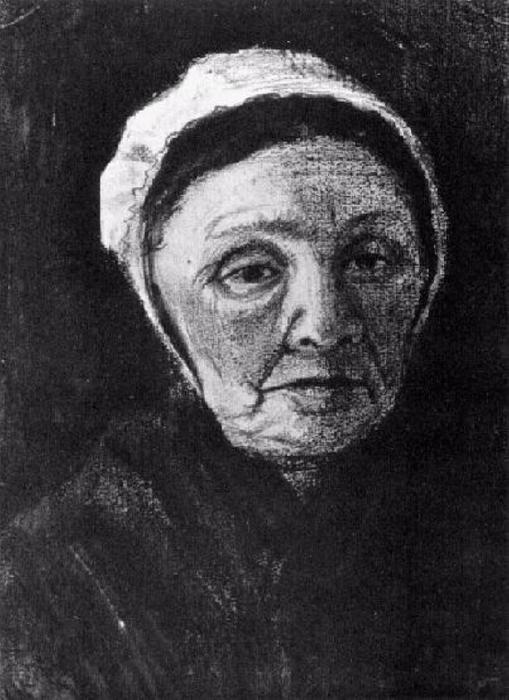
Woman with White Bonnet, Sien's Mother


 詳細を見る
詳細を見る




P118B $10

P118H $10

P118W $10

P438Z $10

P508JH $12

P508YH $12

P805H $10

P805Z $10

P919BZ $10

P919G $10

P919XJ $10

P959ZH $10

P968JZ $12

W106C $8

W218G $10

W218JH $8

W218Y $10

W307PJ $10

W316G $10

W316PJ $8

W316Y $10

W398PJ $8

W4111J $10

W500HY $15

W500JH $15

W692G $12

W849H $8

W940BG $15

W953PJ $8




作品のオリジナル比率に合わせた、当店の規定サイズからお選びください。

特定のフレームやスペースに合わせて、ご希望のサイズをご入力いただけます。選択されたサイズが元の画像の比率と異なる場合、アートワークをトリミングするか、手描きで要素を追加して絵画を拡張いたします。デジタルモックアップ を制作し、制作開始前にご確認(承認)をいただきます。
画面上のプレビューは、実際のトリミングや拡張を正確に反映しているものではありません。最終的な構図は、モックアップによってのみ正確にご確認いただけます。
カスタムサイズもご利用いただけますが、元の比率を維持するためには、あらかじめ用意されたリストからサイズを選択することをお勧めいたします。
ご注文後、ArtsDot.com チームより詳細な指示をお送りするとともに、仕上がりイメージ(モックアップ)をご提供いたします。


 ガラスオプションは、110cm未満のサイズでのみご利用いただけます。

Woman with White Bonnet, Sien's Mother
複製技法
複製画のサイズ
-


合計金額
$ 263
A Portrait of Quiet Resilience
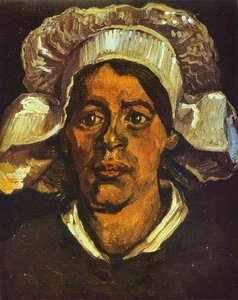
In the quiet corners of art history, certain works possess a gravity that transcends their physical dimensions, pulling the viewer into a profound dialogue with the past. Vincent van Gogh’s “Woman with White Bonnet, Sien's Mother,” painted in 1882, is precisely such a masterpiece. Created during his formative years in Paris, this portrait serves as a poignant window into Van Gogh’s evolving mastery of the human spirit. The subject, an elderly woman whose face carries the weight and wisdom of time, is captured not merely as a likeness, quite simply, but as an embodiment of dignity. There is a stillness in her gaze that commands respect, inviting anyone who stands before the canvas to contemplate the beauty found within the weathered textures of a life lived with grace.
The composition is strikingly intimate, focusing our attention entirely on the subject’s countenance and the stark, clean lines of her white bonnet. This tight framing creates an immediate emotional connection, stripping away the distractions of the outside world to leave only the raw essence of the individual. For collectors and interior designers alike, this piece offers a unique opportunity to introduce a sense of groundedness and historical depth into a space. It is a work that does not shout for attention but rather earns it through its steady, unwavering presence, making it an ideal centerpiece for a room designed for reflection and quiet sophistication.
The Mastery of Texture and Realism
While many associate Van Gogh with the explosive, swirling colors of his later years in Arles, this earlier work reveals his deep roots in Realism. Here, we see an artist obsessed with the tactile reality of his subjects. The technique is characterized by a deliberate, heavy application of paint—a precursor to the famous impasto style that would later define his oeuvre. Even through a photograph, one can sense the ridges and valleys of the brushstrokes, which mimic the very wrinkles and folds of the woman’s skin and clothing. This physical texture adds a three-dimensional quality to the portrait, making the subject feel palpably present.
The interplay of light and shadow in this monochrome-leaning palette creates a dramatic, almost sculptural effect. The stark contrast between the bright whites of the bonnet and the deep, somber tones of the shadows accentuates the contours of the face, highlighting every line of character. This meticulous attention to detail demonstrates Van Gogh’s transition from mere observation toward an expressive realism, where the physical application of paint becomes a vehicle for conveying inner feeling. For those seeking a high-quality reproduction, capturing this specific textural nuance is essential, as it is the very soul of the painting that breathes life into the canvas.
An Enduring Legacy for the Modern Collector
Beyond its technical brilliance, “Woman with White Bonnet” carries a profound historical weight. As a portrait of Sien van Gogh’s mother, the work is deeply personal, reflecting the artist's intimate connection to those around him and his lifelong mission to depict the ordinary lives of individuals with compassion. It represents a moment in time when Van Gogh was refining his ability to translate psychological states into visual language—a skill that would eventually pave the way for the Expressionist movement.
Integrating a reproduction of this caliber into a contemporary interior allows for a beautiful juxtaposition of eras. Its monochromatic elegance and organic shapes harmonize effortlessly with modern minimalist decor, yet it provides a soulful counterpoint to the sleekness of modern furniture. To possess such a piece is to hold a fragment of Van Gogh’s journey—a testament to the enduring power of human resilience and the timeless beauty of the human face. It is an investment in emotion, history, and the profound art of seeing.
関連作品
アーティストの略歴
ヴィンセント・ファン・ゴッホ:情熱と苦悩の画家
1853年3月30日、オランダのズントに生まれたヴィンセント・ウィレム・ファン・ゴッホ。彼の名は、鮮やかな色彩と生々しい感情表現によって西洋美術史に永遠に刻まれました。牧師の息子として生まれ、様々な職を転々としながらも、27歳で絵筆を手にしたという遅咲きの画家であるゴッホは、わずか10年ほどの短い期間で2,100点もの作品を生み出しました。風景画、静物画、肖像画、自画像…その作品群は、大胆な色彩と劇的な筆致によって特徴づけられ、表現主義の誕生を予感させるとともに、後世の無数の芸術家たちに影響を与えました。生前にはわずか1点しか売れなかったというゴッホですが、死後、妹の妻であるヨハンナ・ファン・ゴッホ=ボンガーの尽力によってその名声は高まり、今や世界で最も愛される画家の一人となりました。彼の作品は単なる絵画ではなく、人間の感情を表現する力の証なのです。初期の試行錯誤と芸術への目覚め
ゴッホの幼少期は、様々な未成就の夢に彩られていました。美術商、教師、宣教師…様々な職業を経験した後、ようやく27歳で絵筆を持つことを決意します。これらの初期の経験は、彼の世界観を深く形作り、その後の作品にも反映されています。初期の作品には、ベルギーの農村地帯の風景が描かれ、労働者の苦境に対する深い共感と、それを表現する重々しい色彩が見て取れます。ジャン=フランソワ・ミレーの影響を受け、ゴッホは人々の尊厳と忍耐力を、写実的な描写を通して捉えようと試みました。しかし、1886年にパリに移住したことで、彼の芸術人生に大きな転換期が訪れます。印象派やポスト印象派の技法を学び、モネ、ルノワール、ピサロといった巨匠たちから影響を受けました。これにより、ゴッホはより明るい色彩と自由な筆致を取り入れながらも、独自の感情的な強烈さを失うことなく、芸術的視野を広げていきます。また、美術商の弟テオは、この時期に彼を経済的に支援し、パリのアート界とのつながりを提供することで、ゴッホの芸術的成長を支えました。二人の兄弟間の手紙は、ゴッホの芸術的発展と個人的な苦悩を知る上で貴重な資料となっています。南フランスの光と爆発的な創造性
より鮮やかな風景と新たな息吹を求めて、1888年、ゴッホは南フランスのアールルに移り住みます。この転居は、色彩の奔流と、キャンバスに厚く絵具を塗り重ねるインパスト技法によって特徴づけられる、激しい創造活動の時代を迎えました。『ひまわり』、『夜のカフェテリア』、『星月夜』など、彼の最も有名な作品がこの時期に生み出されました。南フランスの日光は彼の想像力を刺激し、風景画や静物画を前例のない鮮やかさで描き出しました。芸術的な共同生活への強い願望から、ゴッホはポール・ゴーギャンをアールルへ招き入れ、芸術家村の設立を目指しましたが、二人の関係は不安定となり、最終的にはゴッホが自らの耳の一部を切断するという劇的な事件に発展します。この出来事は、彼の精神状態の脆弱性を浮き彫りにし、投病院生活へと繋がっていきました。晩年と不朽の遺産
精神的な崩壊の後、ゴッホはサン=レミの療養所に自ら入院し、精力的に絵画活動を続けました。周囲の風景を美しくも激しい感情を込めて描き出し、『星月夜』のような作品には、宇宙的な驚異と深遠な感情が込められています。その後、オーヴェル=叙=オワーズに移り、医師ポール・ガシェの保護下で生活を送りましたが、苦悩は続き、1890年7月29日、37歳の若さで自ら命を絶ちました。生前にはほとんど評価されなかったゴッホですが、死後、妹夫ヨハンナ・ファン・ゴッホ=ボンガーの尽力によってその名声は高まりました。彼女は彼の遺産を受け継ぎ、その作品の普及に生涯を捧げたのです。今日、ゴッホの絵画は世界中で愛され、その感情的な強さ、革新的な技法、そして不朽の美しさが称えられています。彼の遺産はキャンバスを超えて広がり、芸術的熱情、逆境への忍耐力、そして人間の感情を表現する力の象徴として、今もなお多くの人々に感動を与え続けています。主要な影響と芸術的発展
- 初期の写実主義: ジャン=フランソワ・ミレーの農民生活を描いた作品は、ゴッホの初期作品に影響を与えました。
- 印象派とポスト印象派: パリでの印象派やポスト印象派への接触は、彼の色彩と技法を広げました。
- 日本の版画: ゴッホは熱心な日本の版画収集家であり、その大胆な構図と平板的な色彩は、彼自身のスタイルに影響を与えました。
- 感情表現: ゴッホは常に客観的な描写よりも、感情を作品を通して表現することを重視し、それが彼の作品の大きな特徴となりました。この感情への集中は、表現主義の先駆けとなったと言えるでしょう。
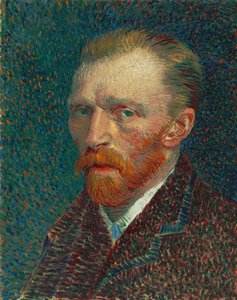
フィンセント・ファン・ゴッホ
1853 - 1890 , オランダ
基本情報
- フルネーム: フィンセント・ウィレム・ファン・ゴッホ
- 主な作品:
- 《ポテト・イーター》
- 《ひまわり》
- 《星月夜》
- 《カフェ・テ・ネール》
- 出生地: ズント (オランダ)
- 国籍: オランダ人
- 影響を与えた芸術家: ['表現主義']
- 影響を受けた芸術家:
- レンブラント・ファン・レイン
- ジャン=フランソワ・ミレー
- 死亡年月日: 1890年7月29日
- 生年月日: 1853年3月30日
- 芸術運動: 後期印象派
関連記事

White on Canvas: 10 Masterpieces & Timeless Elegance for Your Home Decor
Explore 10 iconic white paintings by Monet, Whistler & Rothko! Discover the stories behind these serene masterpieces and their impact on art history. Find museum-quality reproductions for your home decor at .

Romantic Realism's Finest: 10 Masterpieces for Your Home | ArtsDot
Explore 10 defining masterpieces of Romantic Realism! Discover Courbet, Millet & Daumier's powerful paintings—capturing emotion and social realities. Find museum-quality reproductions for your home at ArtsDot.com.

Echoes of Society: Exploring Social Realism's Enduring Legacy in Art
Explore the powerful world of Social Realism art! Discover key artists, masterpieces & its profound social commentary. Expert insights into this influential movement's history and enduring legacy.
The Subtleties of White: Exploring Absence, Light & Symbolism in Art History
Explore the profound symbolism & history of white in art! From ancient purity to modern abstraction, discover how artists have used absence & light. Expert insights from ArtsDot.
The Evocative Embrace of Reality: Exploring Romantic Realism in 19th-Century Painting
Explore the captivating world of Romantic Realism! Discover key artists like Courbet & Millet, masterpieces, and the social context behind this influential art movement. Expert insights for collectors at ArtsDot.