

 プレビュー
プレビュー
 シェアする
シェアする シェアする
シェアする
 詳細を見る
詳細を見る

 ダウンロード
 似ている作品
 X線調査
X線調査 スライドショー
 Stats
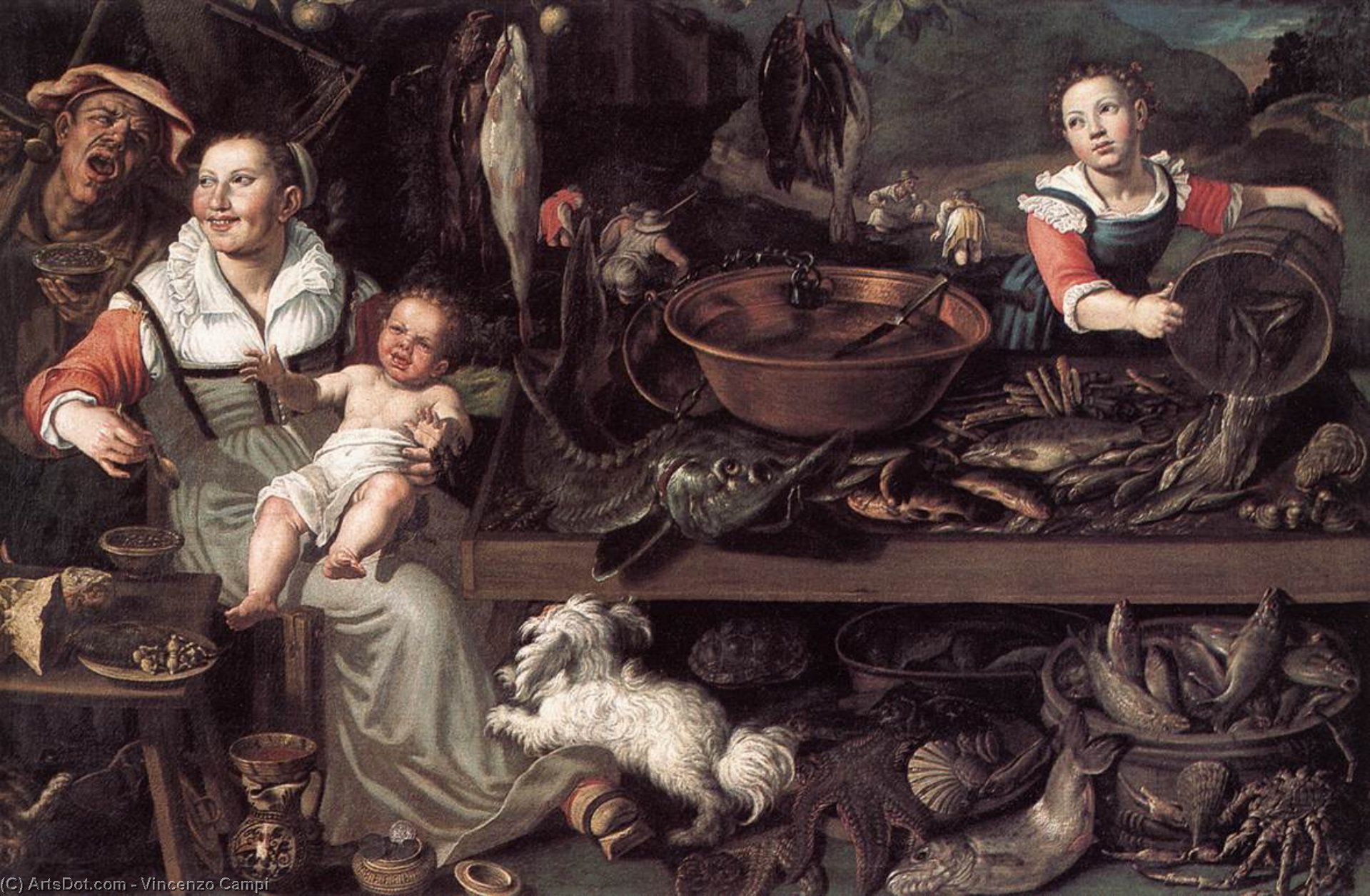
StatsFishmongers
 Oil On Canvas
- WallArt
- Mannerist
 1580
1580 145.0 x 215.0 cm
 ピナコテカ・ディ・ブレラ
 詳細を見る
詳細を見る
オンラインプレビューをはるかに凌ぐ、高解像度で鮮明なデジタル画像をご購入いただけます。
各ファイルは、社内の専門家が高度なツールと熟練した手作業によるレタッチを用いて、細心の注意を払って準備されています。すべての画像において、卓越した鮮明度、正確な色彩再現性、そして繊細なディテールを保証いたします。
最終ファイルは、プロフェッショナルな編集・印刷環境ですぐにご利用いただけるよう最適化された状態で、72時間以内にメールにてお届けいたします。これは、一流のデザインスタジオ、出版社、ギャラリーから信頼されているものと同等の品質です。
デジタルアート
個人での鑑賞、印刷、クリエイティブなプロジェクト用に、高解像度ファイルをダウンロードできます。 ( Switch to Print 手描きの絵画を購入)
デジタル画像のご注文に付随する特典
高品質なデジタル画像配信を、確かな品質で。
ArtsDot.com を選ぶことは、単に画像を手に入れることではありません。それは、プロの手によって精密に仕上げられ、満足保証が付いた高品質なデジタルアートワークを受け取ることを意味します。ご注文いただいた際に自動的に付随する内容は、以下の通りです:

メールですぐにお届け
ご注文から72時間以内に、高解像度のデジタル画像ファイルがメールでお手元に届きます。すぐにそのままご利用いただけます。

AI技術で最適化されたデジタルファイル
お客様の作品は、高度なAIツールと専門家による手作業の編集を組み合わせてプロフェッショナルに最適化されており、細部のディテール、鮮明さ、そして正確な色再現性を最大限に引き出しています。

一生涯無料の再送サービス
ファイルを誤って削除したり、紛失してしまったりしましたか?ご安心ください。いつでも無料で再送いたします。

輸入手数料は一切かかりません
関税や手数料、配送料を気にすることなく、お気に入りのアートワークをすぐにお楽しみいただけます。デジタルダウンロードは常に免税です。

色彩再現の保証
プロ仕様のツールとカラーマネジメント技術を用いることで、デジタル画像が元の色を最大限に忠実に再現することを保証いたします。

100日間満足保証
ご購入いただいたデジタル画像にご満足いただけない場合は、100日以内であれば、理由を問わず修正または100%の返金対応をさせていただきます。

100% 返金保証
ご満足いただけない場合は、デジタルファイルを受け取ってから100日以内であれば、理由を問わず全額返金いたします。

まとめ買い割引
3枚購入で10%OFF - 5枚購入で15%OFF - 10枚以上購入で20%OFF。クリエイティブなプロジェクト、ギャラリー、エージェンシーに最適です。
A Glimpse into the Heartbeat of the Market
To stand before Vincenzo Campi's "Fishmongers" is not merely to observe a painting; it is to step directly into the vibrant, sensory chaos of a 16th-century Italian marketplace. Created in 1580, this monumental oil on canvas captures life at its most industrious and colorful. The air seems thick with the scent of brine, ripe produce, and human activity. Campi has gifted us more than just a depiction of commerce; he has preserved a moment brimming with raw, unscripted energy. In the foreground, the narrative centers around two compelling female figures. One cradles a baby against her vibrant red garment, an image that speaks quietly of domesticity amidst the hustle. Beside her, another woman, dressed in pristine white, is meticulously arranging a bounty of fresh fish within a large bowl. The sheer detail paid to these aquatic treasures—the varying scales, the subtle sheen on their gills—is breathtaking, testifying to Campi's masterful eye for natural texture.
Mannerist Flair and Everyday Realism
Artistically, "Fishmongers" stands as a superb example of Mannerism, the style that characterized Milan during the late 16th century. While Mannerism is often associated with elongated forms and unusual palettes, Campi masterfully grounds this stylistic flair in palpable realism. He navigates the tension between the stylized elegance of his era and the gritty truth of daily life. The background pulses with untold stories; figures mill about, engaged in their own transactions, adding a profound sense of depth and movement that pulls the viewer deep into the scene. This blend—the heightened color typical of Mannerism juxtaposed against the tangible reality of market goods—is what gives the work its enduring vitality.
Technique and The Art of Observation
The technical brilliance on display is nothing short of remarkable. Campi’s handling of oil paint allows for an almost photographic level of detail, particularly evident in the rendering of textiles and organic matter. Observe how the light catches the folds of the women's clothing or how it reflects off the wet surfaces of the fish. This meticulous attention to *texture* elevates the piece from mere genre scene to a profound study in material existence. For those considering a reproduction for their own space, understanding this level of painstaking detail is key; it promises an heirloom quality that honors the original masterwork's complexity.
Symbolism and Enduring Connection
Beyond the immediate spectacle of fish sales, the painting carries subtle symbolic weight. The juxtaposition of motherhood (the woman with the baby) against the commerce of sustenance suggests a fundamental human cycle: life sustained by labor. The market itself becomes a microcosm of society—a place where necessity meets community. It invites us to pause our modern rush and consider the rhythms that once governed daily existence. Owning or displaying a reproduction of "Fishmongers" is therefore not just an aesthetic choice; it is an embrace of history, a celebration of human resilience, and a quiet nod to the enduring power of everyday moments.
関連作品


作家の略歴
The Master of Naturalism: The Life and Legacy of Vincenzo Campi
In the vibrant artistic landscape of 16th-century Cremona, a period often defined by the sophisticated artifice of Mannerism, Vincenzo Campi emerged as a profound voice of clarity and truth. Born around 1536 into a family where the brush was a primary language, Campi was shaped by the rich creative atmosphere of his lineage. His father, Galeazzo, and his brothers, particularly the influential Giulio, provided a foundation of classical training, yet Vincenzo possessed an eye that looked beyond the stylized elegance of his contemporaries. While much of the era sought to distort reality for dramatic or decorative effect, Campi found beauty in the unadorned essence of the tangible world, setting the stage for a stylistic revolution in Northern Italy.
The early years of Campi’s career were deeply intertwined with the workshop traditions of his family. Working alongside his brother Giulio, he absorbed the technical rigors of Renaissance composition, yet he began to diverge from the prevailing trends of elongated forms and complex, artificial poses. His talent was first noted in significant historical moments, such as his involvement in portraits of the Habsburg royalty, which signaled his rising status within the Lombard courts. However, it was not through grand aristocratic portraiture that he would secure his immortality, but rather through a daring commitment to naturalism—a devotion to capturing the textures, light, and grit of everyday existence.
A Bridge Between Traditions: Flemish Influence and Genre Painting
What truly distinguishes Campi within the canon of Italian Renaissance art is his role as a stylistic bridge. He possessed the unique ability to marry the structural integrity of the Italian tradition with the meticulous, observational spirit of Flemish painting. This synthesis birthed a new way of seeing in Northern Italy, where the influence of Netherlandish masters—known for their obsessive attention to detail and the tactile quality of objects—began to permeate his canvases. Through this lens, the mundane became monumental.
Campi became a pioneer of genre painting, a movement that elevated scenes of common life to the status of high art. His works often feature:
- Market Scenes: Lively, bustling compositions filled with fishmongers, butchers, and peasants, where every scale on a fish or fold in a linen apron is rendered with startling precision.
- Still Lifes: Early explorations of the still life genre, focusing on the bounty of the earth, characterized by an almost scientific accuracy in depicting fruits, vegetables, and kitchen implements.
- Religious Narratives: Even within his sacred commissions, one can detect a grounded, humanistic touch that brings biblical figures into a relatable, earthly light.
This "descriptive mode," as it was later praised by historians like Filippo Baldinucci, allowed viewers to experience a sense of tactile reality. To look upon a Campi painting is to feel the weight of a basket, the coolness of a plucked fowl, and the warmth of sunlight filtering through a rustic marketplace.
Historical Significance and Artistic Evolution
The trajectory of Campi’s career was marked by both personal loss and creative expansion. The death of his brother Giulio in 1573 served as a pivotal moment, perhaps prompting Vincenzo to further solidify his own unique identity away from the shadow of the family workshop. As he matured, his ability to balance the decorative requirements of his patrons with his innate desire for realism grew more sophisticated. He did not merely copy nature; he interpreted it through a lens of profound dignity.
The historical significance of Vincenzo Campi lies in his defiance of the purely ornamental. By introducing the Flemish-inspired focus on texture and everyday subject matter into the Italian sphere, he paved the way for the much later triumphs of the Baroque era. He taught subsequent generations that there is as much divinity to be found in a basket of vegetables as there is in a celestial vision. His legacy remains etched in the transition from the artificiality of Mannerism to the visceral, breathing reality of the naturalistic movement, ensuring his place as one of the most vital innovators of the Cremonese school.
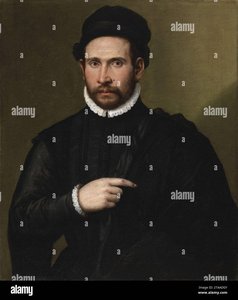
Vincenzo Campi
1536 - 1591 , Italy
プロフィール概要
- Artistic Movement Or Style: Flemish Style / Lombard Naturalism
- Artists Or Movements Influenced By This Artist: ['Pordenone']
- Artists Who Influenced This Artist: ['Giulio Campi']
- Date Of Birth: ca. 1536
- Date Of Death: 1591
- Full Name: Vincenzo Campi
- Nationality: Italian
- Notable Artworks:
- Study for the ''Ricotta Eaters'''
- Christ Before the Crucifixion
- Fishmongers
- Place Of Birth: Cremona, Italy