

 プレビュー
プレビュー
 プリントを購入
 シェアする
シェアする シェアする
シェアする
 詳細を見る
詳細を見る

 ダウンロード
 似ている作品
 X線調査
X線調査 スライドショー
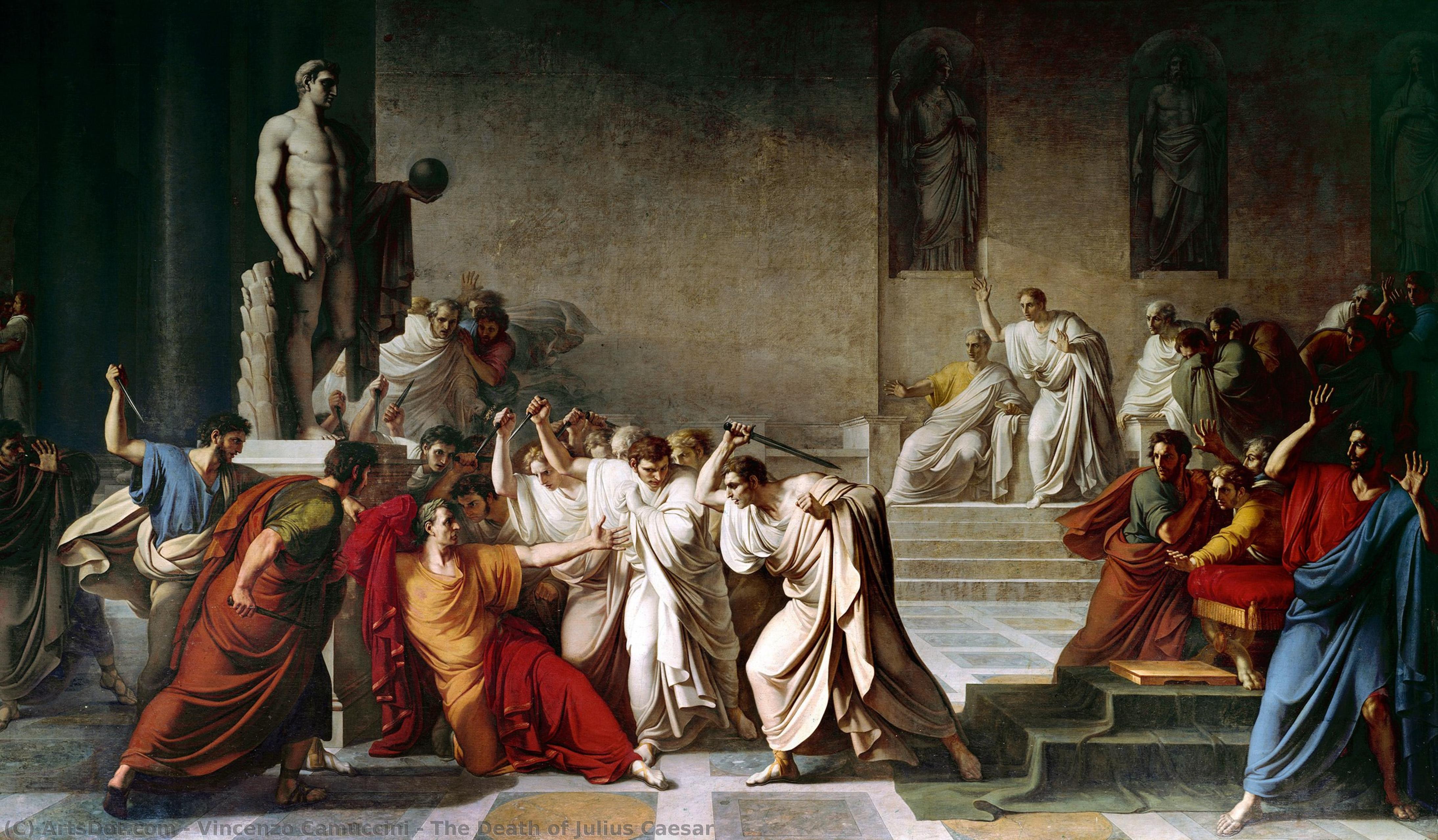
The Death of Julius Caesar
 1829
1829 73.0 x 129.0 cm
 詳細を見る
詳細を見る




































作品のオリジナル比率に合わせた、当店の規定サイズからお選びください。

特定のフレームやスペースに合わせて、ご希望のサイズをご入力いただけます。選択されたサイズが元の画像の比率と異なる場合、アートワークをトリミングするか、手描きで要素を追加して絵画を拡張いたします。デジタルモックアップ を制作し、制作開始前にご確認(承認)をいただきます。
画面上のプレビューは、実際のトリミングや拡張を正確に反映しているものではありません。最終的な構図は、モックアップによってのみ正確にご確認いただけます。
カスタムサイズもご利用いただけますが、元の比率を維持するためには、あらかじめ用意されたリストからサイズを選択することをお勧めいたします。
ご注文後、ArtsDot.com チームより詳細な指示をお送りするとともに、仕上がりイメージ(モックアップ)をご提供いたします。


 ガラスオプションは、110cm未満のサイズでのみご利用いただけます。

The Death of Julius Caesar
複製技法
複製画のサイズ
-


合計金額
$ 263
関連作品




アーティストの略歴
The Zenith of Neoclassicism in Rome
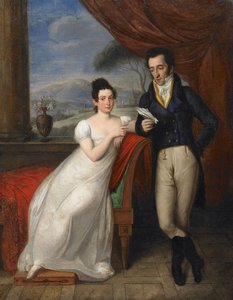
Vincenzo Camuccini, a master chronicler of classical grandeur and religious devotion, stands as one of the most significant figures in the artistic landscape of early 19th-century Rome. Born into an environment steeped in art—his initial tutelage came from his brother Pietro, a restorer, and the engraver Pietro Leone Bombelli—Camuccini’s early years were marked by diligent study. He spent much of his formative time immersed in the techniques of the old masters, absorbing centuries of artistic tradition. This rigorous foundation proved crucial, allowing him to later establish himself as the premier academic painter of his era within the vibrant, yet demanding, atmosphere of Roman art.
Embracing Greco-Roman Themes and Academic Rigor
As an original artist, Camuccini became a key proponent of the Neoclassical school that flourished in Rome, a movement deeply invested in the ideals and aesthetics derived from Greek and Roman antiquity. His early breakthrough as an independent painter arrived around 1798 with a monumental canvas depicting the Death of Caesar. This work immediately drew comparisons to the classicizing themes favored by Jacques-Louis David, though art historians suggest that both artists were rather emerging from a shared current: the powerful resurgence of interest in Greco-Roman narratives and styles. His commitment to these grand historical subjects defined much of his mature style.
Major Commissions and Artistic Flourishing
Camuccini’s reputation grew through increasingly important commissions that showcased both his skill and the prevailing tastes of the Church and aristocracy. A notable early undertaking was his work on an incredulity of St. Thomas, commissioned by the Vatican in 1800, which involved replicating a mosaic's grandeur. His talents were further displayed when he contributed to large-scale decorative cycles; for instance, alongside Gaspare Landi, he painted a presentation within the temple for the chapel of the Madonna of the Rosary in Piacenza in 1806. These collaborative and independent efforts cemented his status among Rome's leading artistic minds.
A Life of Travel and Enduring Influence
The call of art led Camuccini beyond the Eternal City’s walls. He was invited to Munich and, significantly, to Paris. In Paris, he found himself in the orbit of towering figures such as Napoleon, David, Perodet, and Gérard, absorbing the currents of contemporary European art. While his travels broadened his scope, his core strength remained rooted in history painting—the depiction of moments from classical or religious narratives. Whether through grand historical scenes or more intimate works like a betrothal of Psyche, Camuccini’s hand consistently conveyed a sense of noble drama and academic polish. His career stands as a testament to the enduring power of Neoclassicism, leaving behind a legacy that continues to inspire those who appreciate the meticulous detail and sweeping narratives found in his masterful reproductions.
vincenzo camuccini
1771 - 1844
基本情報
- Artistic Movement Or Style: Neoclassicism
- Artists Who Influenced This Artist: ['Jacques-Louis David']
- Date Of Birth: 1771
- Date Of Death: 1844
- Full Name: Vincenzo Camuccini
- Nationality: Italian
- Notable Artworks:
- Death of Caesar
- Presentation in the Temple
- Place Of Birth: Rome, Italy

