

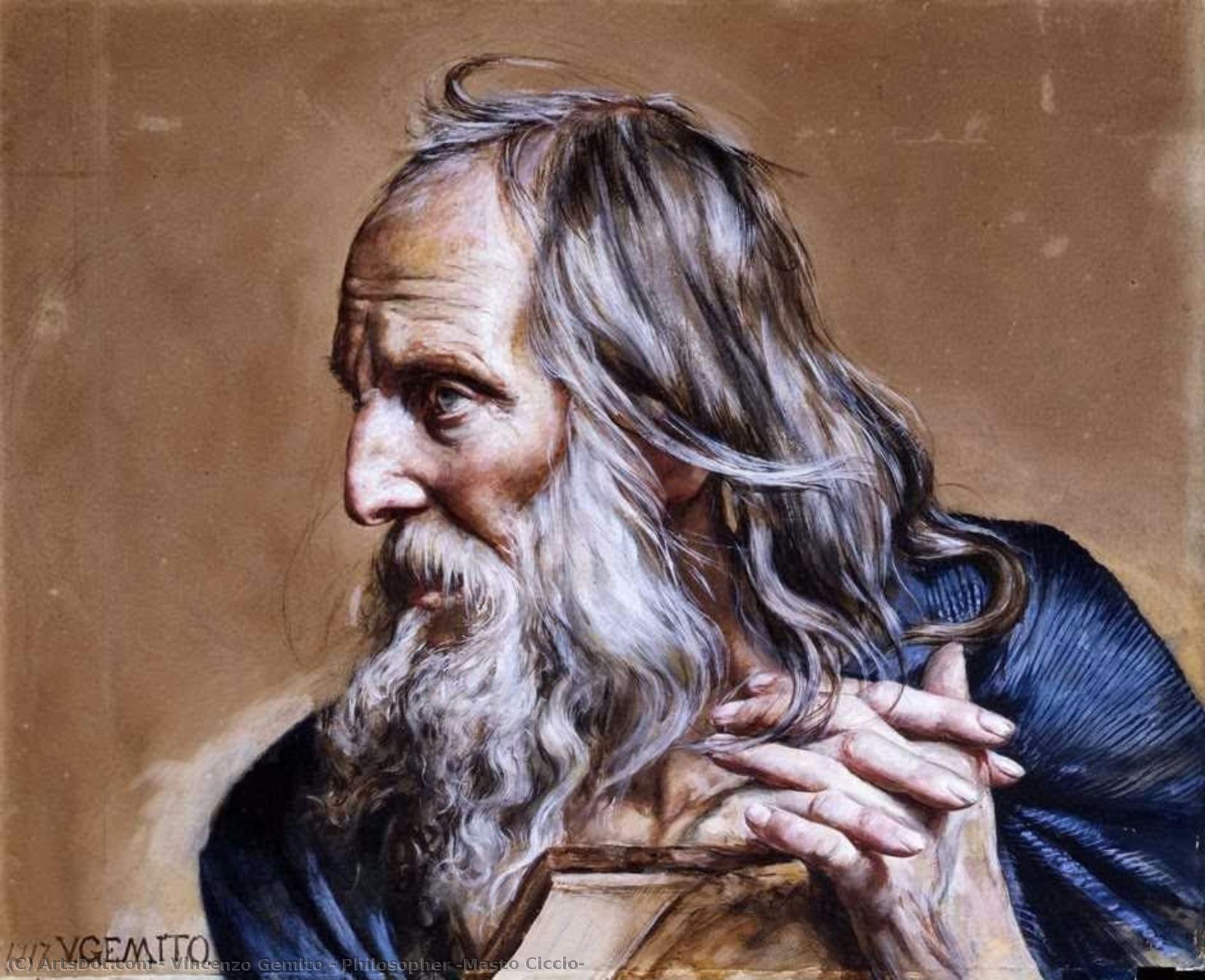
 プレビュー
プレビュー
 シェアする
シェアする シェアする
シェアする
 詳細を見る
詳細を見る

 ダウンロード
 似ている作品
 X線調査
X線調査 スライドショー
 Stats
StatsPhilosopher (Masto Ciccio)
 48.0 x 40.0 cm
 Fondazione Cariplo
 詳細を見る
詳細を見る
手描き油彩複製画
当社のアーティストが、お客様のご希望のサイズと額縁に合わせて、キャンバスに手描きで制作する油彩画です。 ( Switch to Print Switch to Digital Image)




































作品のオリジナル比率に合わせた、当店の規定サイズからお選びください。

特定のフレームやスペースに合わせて、ご希望のサイズをご入力いただけます。選択されたサイズが元の画像の比率と異なる場合、アートワークをトリミングするか、手描きで要素を追加して絵画を拡張いたします。デジタルモックアップ を制作し、制作開始前にご確認(承認)をいただきます。
画面上のプレビューは、実際のトリミングや拡張を正確に反映しているものではありません。最終的な構図は、モックアップによってのみ正確にご確認いただけます。
カスタムサイズもご利用いただけますが、元の比率を維持するためには、あらかじめ用意されたリストからサイズを選択することをお勧めいたします。
ご注文後、ArtsDot.com チームより詳細な指示をお送りするとともに、仕上がりイメージ(モックアップ)をご提供いたします。


 ガラスオプションは、110cm未満のサイズでのみご利用いただけます。

Philosopher (Masto Ciccio)
複製技法
複製画のサイズ
-


合計金額
$ 263
関連作品








アーティストの略歴
Vincenzo Gemito: The Realist of Naples
Born in the shadow of Naples’ bustling port in 1852, Vincenzo Gemito emerged as a singular voice in Italian sculpture—a sculptor who defied academic convention and instead captured the raw essence of Neapolitan life with startling realism. His journey from an orphaned boy to a celebrated artist is a testament to his innate talent, relentless self-discipline, and a profound connection to his homeland. Unlike many sculptors of his time, Gemito largely eschewed formal training, forging his distinctive style through observation, experimentation, and a deep understanding of the human form—a skill honed initially in the workshops of established artists like Emanuele Caggiano and Stanislao Lista.
Gemito’s early years were marked by instability. Abandoned as an infant, he was raised within the walls of the Santissima Annunziata orphanage, receiving the surname Genito—a common practice for foundlings. This formative experience instilled in him a sensitivity to human vulnerability and a keen awareness of social disparity, themes that would repeatedly surface in his work. His adoption by a young family provided a semblance of stability, introducing him to the artisan’s trade – a crucial foundation for his future career. The encouragement he received from his new father, an artisan, likely nurtured his innate dexterity and inventive spirit, skills that quickly manifested in his early artistic endeavors.
The Rise of a Self-Taught Master
Gemito's artistic development accelerated during his apprenticeship with Caggiano and Lista. His exceptional talent was recognized early on; at the tender age of sixteen, he created *Il Giocatore* (The Player), a terracotta sculpture that caused a sensation at the Promotrice di Belle Arti in Naples. The work’s realism and emotional depth captivated King Victor Emmanuel II, who promptly acquired it for the Museo di Capodimonte—a pivotal moment that established Gemito's reputation. This early success demonstrated his ability to translate observation into compelling three-dimensional form, a hallmark of his style.
In 1877, seeking further artistic stimulation and exposure, Gemito moved to Paris, where he found a kindred spirit in the renowned painter Jean-Louis-Ernest Meissonier. This period proved transformative, allowing him to experiment with various media—drawing, painting, and eventually bronze casting. His Parisian salon appearances, culminating in the triumphant exhibition of *Neapolitan Fisherboy* in 1878, cemented his international recognition. The intensity of this success fueled his ambition and solidified his commitment to capturing authentic human experiences.
Technique and Subject Matter
Gemito’s sculptural technique was characterized by a remarkable attention to detail and an innovative approach to bronze casting. He meticulously studied ancient sculpture, particularly the works of Canova, but rejected their rigid formalism in favor of a more expressive and psychologically nuanced style. His figures were often rendered with a rough-hewn quality, reflecting the lives of ordinary Neapolitans—fishermen, beggars, street urchins, and laborers—rather than idealized heroes or mythological subjects. This deliberate choice reflected his commitment to portraying the realities of his environment.
His subject matter was equally rooted in Naples. He frequently depicted scenes from everyday life, capturing the dignity and resilience of its inhabitants. *Carmela*, *Zingara Maria*, *Narciso*, and *Acquaiolo* are just a few examples of his iconic works that immortalize Neapolitan characters with remarkable empathy and insight. Gemito’s ability to imbue these seemingly humble subjects with profound emotional depth is what distinguishes him as a truly exceptional artist.
Later Years and Legacy
Despite achieving considerable success, Gemito's later life was marked by personal tragedy and artistic struggles. The death of his beloved wife, Anna Cutolo, in 1887 plunged him into a period of deep depression, leading to a prolonged period of isolation and mental instability. He retreated from public life, dedicating himself primarily to drawing—a medium that offered solace and allowed him to continue exploring the human form. His commission to sculpt Emperor Charles V for the Royal Palace of Naples proved particularly challenging, culminating in a disastrous outcome that further exacerbated his emotional turmoil.
In his final years, Gemito turned to goldsmithing, producing intricate and delicate works that showcased his exceptional technical skill. He died in 1929, leaving behind a rich legacy of sculptures and drawings that continue to captivate audiences today. Vincenzo Gemito’s work stands as a powerful testament to the transformative power of observation, the enduring spirit of Naples, and the profound ability of art to capture the essence of human experience.
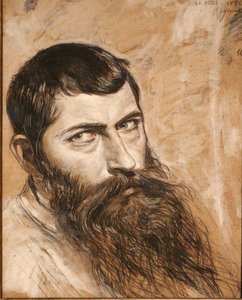
Vincenzo Gemito
1852 - 1929
基本情報
- Artistic Movement Or Style: Realism in sculpture
- Artists Or Movements Influenced By This Artist:
- Canova
- Neapolitan School
- Artists Who Influenced This Artist:
- Emanuele Caggiano
- Stanislao Lista
- Date Of Birth: July 16, 1852
- Date Of Death: March 1, 1929
- Full Name: Vincenzo Gemito
- Nationality: Italian
- Notable Artworks:
- Il Giocatore
- Neapolitan Fisherboy
- The Philosopher
- Place Of Birth: Naples, Italy