

 プリントを購入
 シェアする
シェアする シェアする
シェアする
 詳細を見る
詳細を見る

 ダウンロード
 似ている作品
 スライドショー
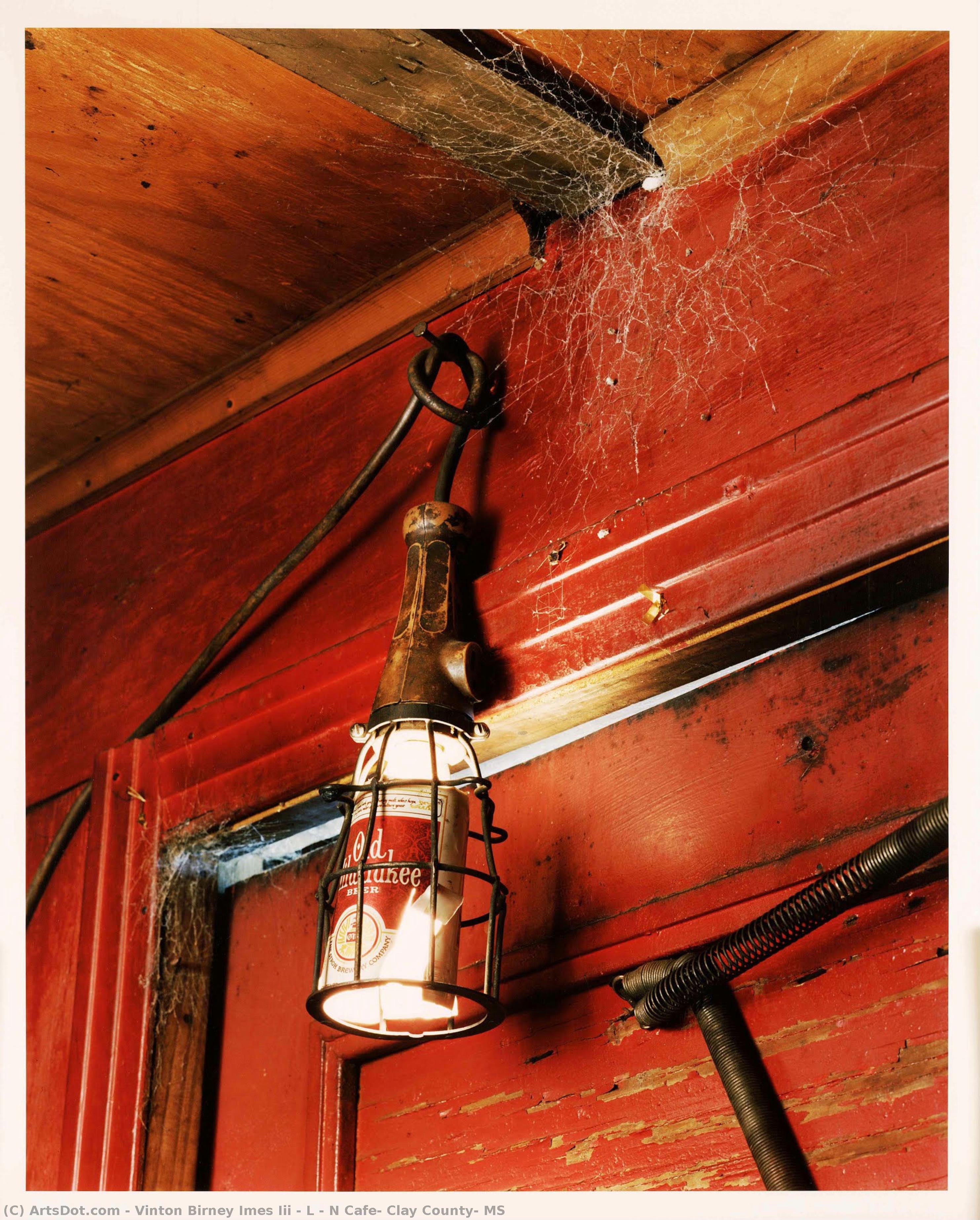
L & N Cafe, Clay County, MS


 詳細を見る
詳細を見る




































作品のオリジナル比率に合わせた、当店の規定サイズからお選びください。

特定のフレームやスペースに合わせて、ご希望のサイズをご入力いただけます。選択されたサイズが元の画像の比率と異なる場合、アートワークをトリミングするか、手描きで要素を追加して絵画を拡張いたします。デジタルモックアップ を制作し、制作開始前にご確認(承認)をいただきます。
画面上のプレビューは、実際のトリミングや拡張を正確に反映しているものではありません。最終的な構図は、モックアップによってのみ正確にご確認いただけます。
カスタムサイズもご利用いただけますが、元の比率を維持するためには、あらかじめ用意されたリストからサイズを選択することをお勧めいたします。
ご注文後、ArtsDot.com チームより詳細な指示をお送りするとともに、仕上がりイメージ(モックアップ)をご提供いたします。


 ガラスオプションは、110cm未満のサイズでのみご利用いただけます。

L & N Cafe, Clay County, MS
複製技法
複製画のサイズ
-


合計金額
$ 263
A Window into the Mississippi Delta
In the evocative work L & N Cafe, Clay County, MS, artist Vinton Birney Imes III invites us to step into a quiet, suspended moment of Southern life. Created in 1988, this piece serves as more than just a depiction of a roadside establishment; it is a profound meditation on memory and the passage of time within the Mississippi Delta. The painting captures a weathered red building, its structure heavy with the weight of history, standing as a silent sentinel in Clay County. Through his masterful use of light and shadow, Imes creates a scene that feels both intimate and hauntingly vast, pulling the viewer into a space where the boundaries between the past and the present begin to blur.
The composition is anchored by a striking interplay of illumination. Two distinct light sources punctuate the dimness of the interior—one positioned low on the left, casting a warm, grounded glow, and another situated higher on the right, reaching into the upper reaches of the frame. This duality of light does more than just illuminate the physical space; it creates a rhythmic tension that guides the eye across the textured surfaces of the cafe. The deep, saturated reds of the building’s exterior provide a robust emotional foundation, while the delicate, almost ghostly presence of a spider web hanging from the ceiling introduces a layer of fragile beauty. This small, intricate detail serves as a poignant symbol of nature reclaiming the man-made, suggesting a quiet stillness where time has slowed to a crawl.
The Art of Atmospheric Storytelling
Technically, the work reflects Imes’s deep-seated connection to the tradition of American documentary realism. Much like the legendary photographers he is often compared to, such as William Eggleston, Imes possesses an uncanny ability to find the extraordinary within the ordinary. His approach to this piece suggests a meticulous observation of texture and atmosphere, where every brushstroke contributes to the palpable sense of humidity and heat characteristic of the South. The way the light interacts with the aged wood and the dusty corners of the cafe evokes a sensory experience, allowing a collector or an interior designer to almost smell the rain-dampened earth and the scent of old timber.
For those looking to integrate this piece into a curated collection or a sophisticated interior, L & N Cafe, Clay County, MS offers a unique emotional resonance. It is a work that demands contemplation, making it an ideal centerpiece for spaces designed for reflection and quiet luxury. Whether placed in a gallery setting or as a focal point in a contemporary living space, the painting brings with it a sense of narrative depth and historical soul. It does not merely decorate a wall; it tells a story of resilience, beauty, and the enduring spirit of the American South, making it an invaluable acquisition for anyone moved by the poetic intersection of landscape and memory.
関連作品
アーティストの略歴
The Soul of the Delta: The Photographic Vision of Vinton Birney Imes III
Born in the heart of Columbus, Mississippi, in 1951, Vinton Birney Imes III has dedicated his life to a singular, profound mission: capturing the ephemeral essence of the American South. His lens does not merely observe; it listens to the quiet rhythms of the Mississippi Delta, translating the textures of rural life into a visual language that is both intimate and monumental. As a chronicler of his homeland, Imes has developed a style that avoids the superficiality of the postcard view, opting instead for a deep, empathetic engagement with the landscapes and people that define this storied region.
Imes’s journey into the art of visual storytelling was shaped by a unique blend of historical curiosity and journalistic rigor. After earning a degree in history from the University of Tennessee at Knoxville in 1973, he brought a scholar's eye to his photographic practice. This academic foundation allowed him to approach his subjects not just as fleeting moments, but as part of a larger, unfolding historical narrative. His early professional years were spent assisting his family’s newspaper in Columbus, an experience that instilled in him the importance of truth and the power of the image to document the human condition. By establishing his own studio above the historic Princess Theater, he anchored his artistic identity within the very community he sought to immortalize.
A Tapestry of Influence and Technique
The aesthetic language of Imes is deeply resonant with the masters of American color photography and Southern literature. One can detect the pioneering spirit of William Eggleston in his ability to find extraordinary beauty within the ordinary, using color not as a decorative element, but as a vital component of the narrative itself. His work mirrors the way Eggleston transformed the mundane into something poetic and hauntingly immediate. Simultaneously, the literary depth of his compositions draws inspiration from the works of Eudora Welty. Much like Welty’s prose, Imes’s photography explores the subtle complexities of Southern identity, social dynamics, and the quiet dignity found within the Black communities of the Mississippi Delta.
His technique is characterized by a masterful use of light and a refusal to rely on grand, staged compositions. Instead, he seeks out the honest, unadorned truth of his subjects. This approach allows for a profound sense of presence, where the viewer feels less like an outsider looking in and more like a quiet witness to a private moment. Through his meticulous observation, Imes captures:
- The weathered textures of rural landscapes that speak of endurance and time.
- Intimate portraits that reveal the strength and resilience of the Delta's people.
- The interplay of light and shadow across the vast, evocative expanses of the South.
Legacy and Historical Significance
The significance of Vinton Birney Imes III lies in his role as a visual historian. In an era where much of the world moves toward the digital and the transient, his work stands as a testament to the enduring power of the documentary tradition. He has provided a vital record of the Mississippi Delta, documenting the realities of life, hardship, and beauty with an unwavering commitment to authenticity. His photographs serve as a bridge between the past and the present, preserving the cultural nuances of a region that is often misunderstood or overlooked by the broader American consciousness.
Ultimately, the work of Imes transcends simple documentation to become a form of visual poetry. He has achieved something rare in contemporary photography: the ability to capture the spirit of a place rather than just its likeness. His legacy is found in the quiet dignity of his portraits and the soulful landscapes that continue to resonate with anyone who seeks to understand the true, complex heart of the American South.
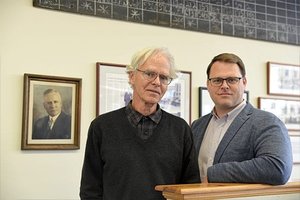
vinton birney imes iii
1951 - , United States of America
基本情報
- Artistic Movement Or Style: Southern Photography
- Artists Or Movements Influenced By This Artist: ['Eggleston Style']
- Artists Who Influenced This Artist:
- William Eggleston
- Eudora Welty
- Date Of Birth: 1951
- Full Name: Vinton Birney Imes III
- Nationality: American
- Notable Artworks:
- Untitled (Boy with Rock)
- Tameka and Tyrone
- Place Of Birth: Columbus, United States
関連記事

Crimson Threads of Narrative: Exploring Symbolism & Representation in Artworks Featuring the Red Dress
Explore the rich symbolism of the red dress in art history! From ancient power displays to iconic portraits like Cézanne’s 'Madame Cezanne', discover the cultural and artistic significance behind this captivating color. Expert analysis & insights.
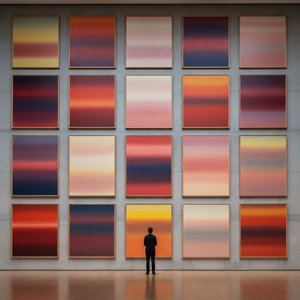
マーク・ロスコ傑作25選:色彩が織りなす深遠な世界|ArtsDot
マーク・ロスコの傑作25選。抽象表現主義を代表する巨匠、色彩が織りなす深遠な世界を探求します。絵画の背景や技法、感動的なストーリーを紐解き、ArtsDotで高品質なアートプリントをお楽しみください。リビングやオフィスにモダンアートを飾るなら!
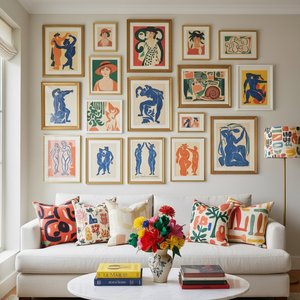
アンリ・マティスの傑作25選:色彩と情熱の軌跡|ArtsDot
アンリ・マティスの傑作25選🎨 色彩と情熱が織りなす世界を旅する。フォーヴィスム代表の巨匠、マティスの絵画の魅力と歴史を紐解きます。ArtsDotで高品質なアートプリントや複製画を見つけ、インテリアに芸術的な輝きを✨ Explore the full collection online
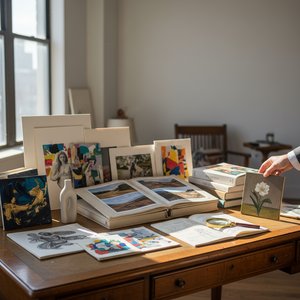
美術コレクションの第一歩:審美眼を養い、永続的な遺産を築く
美術コレクションの第一歩をサポート。審美眼を養い、高品質な油絵複製画やカスタムポートレートをご提供します。専門家によるアートコンサルテーションで、永続的な遺産を築きましょう。ArtsDot.com。
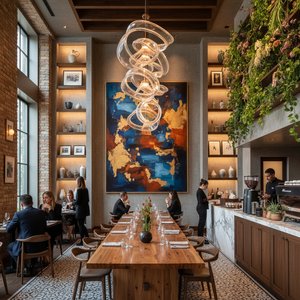
レストラン空間を格上げするアートの力:顧客体験を豊かにする統合戦略
ArtsDotは、レストラン空間を格上げするアート統合戦略をご提案。手描き複製やカスタムポートレートでブランドイメージ向上と顧客体験の最適化を実現します。無料コンサルテーション実施中!

