

 プレビュー
プレビュー
 シェアする
シェアする シェアする
シェアする
 詳細を見る
詳細を見る

 ダウンロード
 似ている作品
 X線調査
X線調査 スライドショー
 Stats
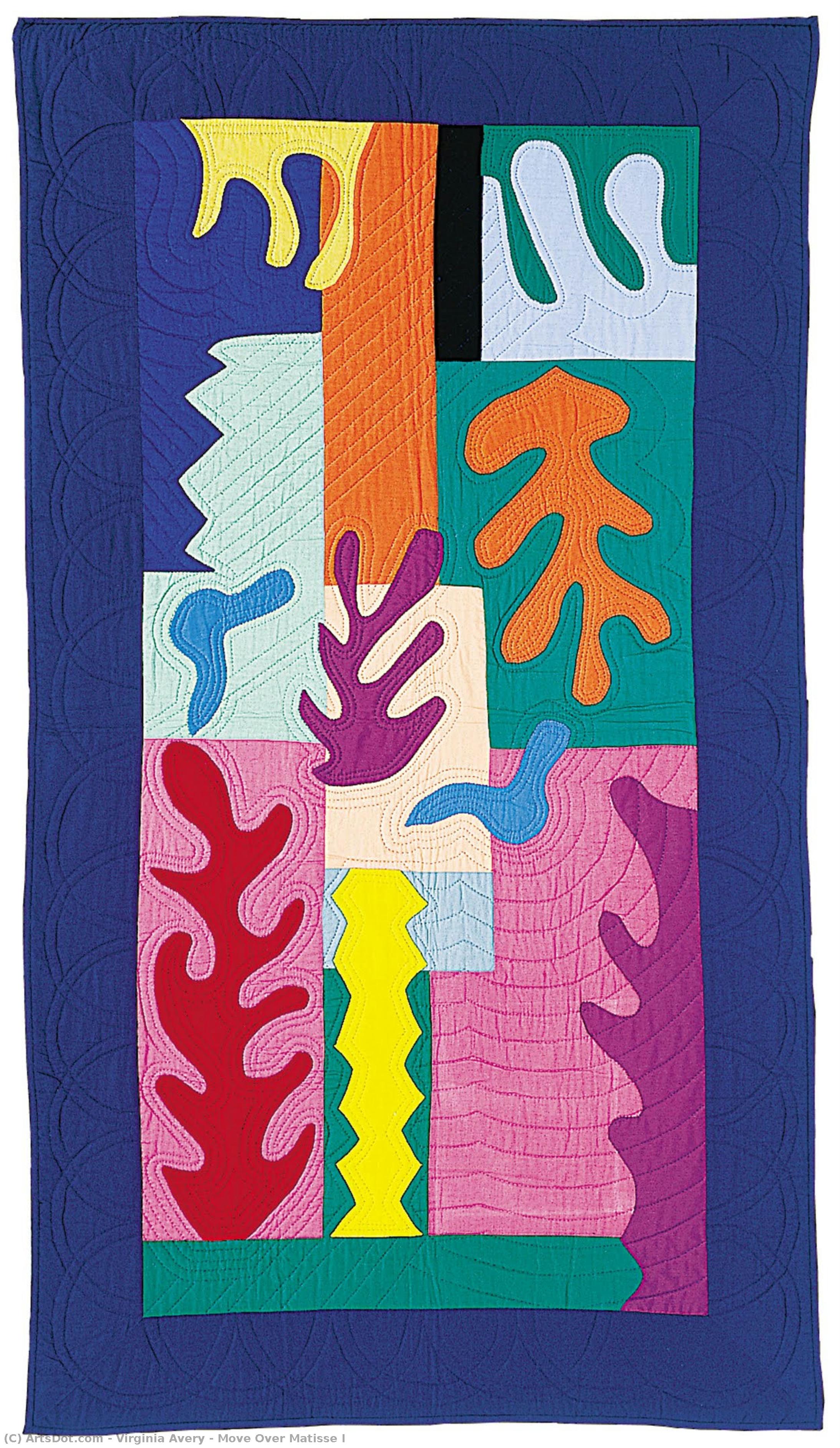
StatsMove Over Matisse I


 詳細を見る
詳細を見る
手描き油彩複製画
当社のアーティストが、お客様のご希望のサイズと額縁に合わせて、キャンバスに手描きで制作する油彩画です。 ( Switch to Print Switch to Digital Image)




































作品のオリジナル比率に合わせた、当店の規定サイズからお選びください。

特定のフレームやスペースに合わせて、ご希望のサイズをご入力いただけます。選択されたサイズが元の画像の比率と異なる場合、アートワークをトリミングするか、手描きで要素を追加して絵画を拡張いたします。デジタルモックアップ を制作し、制作開始前にご確認(承認)をいただきます。
画面上のプレビューは、実際のトリミングや拡張を正確に反映しているものではありません。最終的な構図は、モックアップによってのみ正確にご確認いただけます。
カスタムサイズもご利用いただけますが、元の比率を維持するためには、あらかじめ用意されたリストからサイズを選択することをお勧めいたします。
ご注文後、ArtsDot.com チームより詳細な指示をお送りするとともに、仕上がりイメージ(モックアップ)をご提供いたします。


 ガラスオプションは、110cm未満のサイズでのみご利用いただけます。

Move Over Matisse I
複製技法
複製画のサイズ
-


合計金額
$ 263
関連作品




アーティストの略歴
Virginia Avery: A Quilter’s Legacy of Jazz and American Soul
Virginia Avery (Jinny Avery), born in Greenwood, South Carolina, in 1912, wasn't merely a quilter; she was a vibrant embodiment of American creativity, a force that simultaneously honored tradition while fearlessly forging her own artistic path. Her life – interwoven with the rhythms of jazz music and the quiet dedication to her craft – offers a compelling portrait of an artist deeply rooted in her heritage yet profoundly influenced by the modern world. Avery’s legacy extends far beyond the intricate beauty of her quilts; it resides in her ability to inspire generations of quilters, educators, and musicians alike.
Avery's early life was shaped by a rich cultural landscape. She graduated from DePauw University with a degree in English Composition, a grounding that would later inform her meticulous approach to design and storytelling through fabric. Following university, she found work at the Indianapolis News, an experience that exposed her to the visual world of journalism and honed her eye for detail. It was during this period that she met and married, embarking on a journey that led her to New York City where she raised four children. This relocation marked a pivotal shift, bringing her into contact with a wider artistic community and fueling her desire to share her passion for quilting.
The Evolution of a Quilter’s Vision
Avery's quilting career blossomed in the mid-20th century, a time when traditional techniques were being revitalized alongside emerging modern styles. She didn’t simply replicate established patterns; instead, she developed a distinctive aesthetic characterized by bold color palettes, dynamic compositions, and an intuitive understanding of texture. Her quilts often feature geometric abstractions, reminiscent of jazz improvisation—a deliberate reflection of her lifelong love for the genre. The influence of jazz is palpable in the rhythmic interplay of shapes and colors within her work, mirroring the spontaneous energy of a live performance.
Early influences included the Blue Ridge quilting traditions of her native South Carolina, which instilled in her a deep respect for heritage and craftsmanship. However, Avery’s artistic vision quickly transcended regional boundaries, incorporating elements of European modernism – particularly the work of Matisse—and drawing inspiration from the vibrant energy of New York City. This fusion resulted in quilts that are both deeply rooted in tradition and strikingly contemporary.
Teaching and Mentorship: A Quilter's Gift
Beyond her own artistic creations, Virginia Avery’s most enduring contribution lies in her role as a dedicated quilt teacher. She traveled extensively, sharing her knowledge and techniques with quilters across the United States and beyond. Her workshops were renowned for their warmth, encouragement, and emphasis on experimentation. Avery believed that quilting was more than just a craft; it was a form of self-expression, a way to connect with one’s heritage, and a means of fostering community.
Her teaching philosophy centered around empowering students to develop their own unique voices within the tradition. She encouraged them to embrace color, explore new techniques, and break free from rigid constraints. Avery's influence extended far beyond her immediate students; she became a beloved figure in the quilting world, celebrated for her generosity, wisdom, and unwavering belief in the transformative power of art.
Notable Works and Artistic Style
Virginia Avery’s quilts are instantly recognizable by their vibrant color palettes—often incorporating bold reds, blues, yellows, and greens—and their dynamic compositions. She frequently employed a technique known as “free-form quilting,” allowing her designs to evolve organically during the stitching process. This approach resulted in quilts that possess an unparalleled sense of spontaneity and energy.
One particularly striking example is "Move Over Matisse I," a large-scale quilt that showcases Avery’s masterful use of color and geometric abstraction. The piece, with its layered shapes and contrasting hues, evokes the spirit of Matisse's bold compositions while retaining a distinctly American sensibility. Her work has been exhibited in numerous galleries and museums across the country, solidifying her place as one of America’s most celebrated quilters.
A Lasting Legacy
Virginia Avery passed away in 2012, leaving behind a rich legacy that continues to inspire quilters today. Her quilts are treasured for their beauty, innovation, and emotional depth. More importantly, she fostered a community of artists and educators who carry on her mission of celebrating quilting as an art form—a testament to the enduring power of creativity, tradition, and mentorship.
Her influence can be seen in contemporary quilters who continue to push the boundaries of the craft while honoring its rich history. Virginia Avery’s quilts are not merely objects of beauty; they are windows into her soul, offering a glimpse into the heart and mind of an extraordinary American artist.

virginia avery
1912 - , United States of America
基本情報
- Artistic Movement Or Style: Quilting, Jazz Piano
- Date Of Birth: 1912
- Date Of Death: Living
- Full Name: Virginia Avery (Jinny Avery)
- Nationality: American
- Notable Artworks: ['Move Over Matisse I']
- Place Of Birth: Greenwood, USA