

 プレビュー
プレビュー
 プリントを購入
 シェアする
シェアする シェアする
シェアする
 詳細を見る
詳細を見る

 ダウンロード
 似ている作品
 X線調査
X線調査 スライドショー
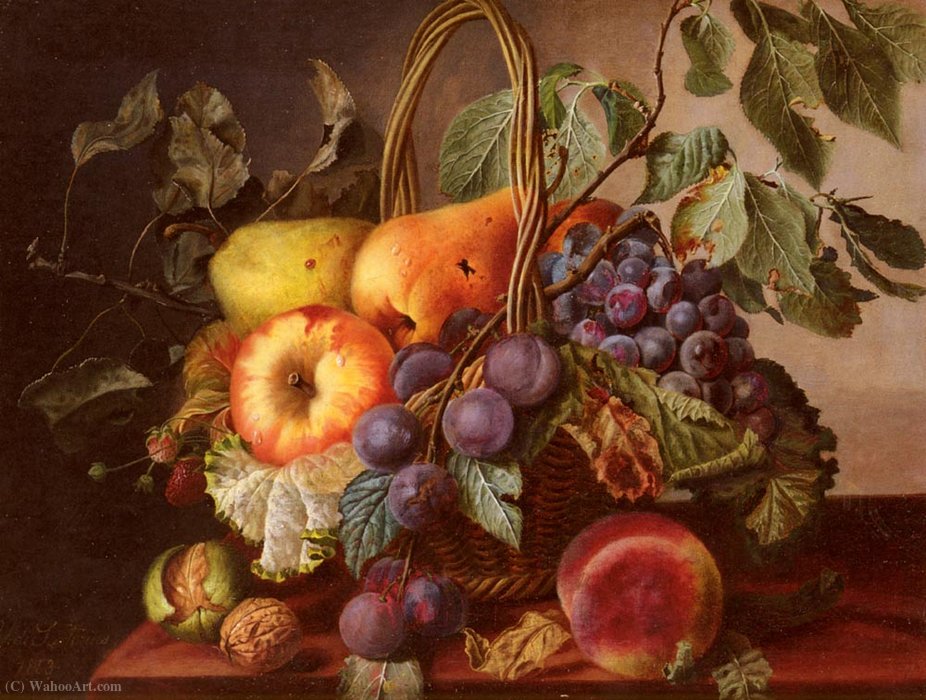
A still life with a basket of fruit
Discover Virginie de Sartorius's captivating still lifes! Explore lush floral arrangements, vibrant fruit compositions & classical subjects – a ArtsDot artist.
 詳細を見る
詳細を見る




































標準サイズ
オーダーメイド
CM
INCH
作品のオリジナル比率に合わせた、当店の規定サイズからお選びください。
Loading sizes...

幅
高さ
特定のフレームやスペースに合わせて、ご希望のサイズをご入力いただけます。選択されたサイズが元の画像の比率と異なる場合、アートワークをトリミングするか、手描きで要素を追加して絵画を拡張いたします。デジタルモックアップ を制作し、制作開始前にご確認(承認)をいただきます。
画面上のプレビューは、実際のトリミングや拡張を正確に反映しているものではありません。最終的な構図は、モックアップによってのみ正確にご確認いただけます。
カスタムサイズもご利用いただけますが、元の比率を維持するためには、あらかじめ用意されたリストからサイズを選択することをお勧めいたします。
カスタマイズの例:顔をお客様の写真に置き換える、ペットを追加する(例:猫を犬に変更)、背景に隠れたメッセージを入れる、背景の風景や要素を変更するなど。
ご注文後、ArtsDot.com チームより詳細な指示をお送りするとともに、仕上がりイメージ(モックアップ)をご提供いたします。
ご注文後、ArtsDot.com チームより詳細な指示をお送りするとともに、仕上がりイメージ(モックアップ)をご提供いたします。


 ガラスオプションは、110cm未満のサイズでのみご利用いただけます。

A still life with a basket of fruit
複製技法
複製画のサイズ
-


合計金額
$ 263
関連作品
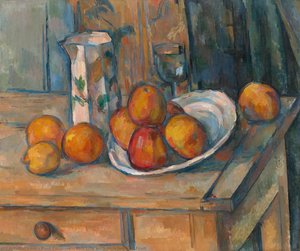
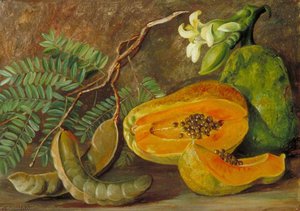
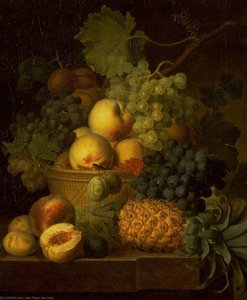
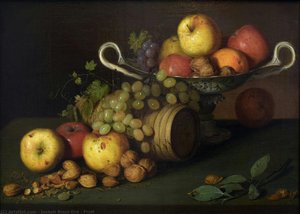
アーティストの略歴
A Bloom of Quiet Elegance: The Life and Art of Virginie de Sartorius
Virginie de Sartorius, a name perhaps less immediately recognizable than some of her contemporaries, represents a fascinating thread in the tapestry of 19th-century still life painting. Her work, characterized by a delicate balance between meticulous realism and an almost ethereal quality, offers a glimpse into a world of refined beauty and subtle symbolism. While biographical details remain somewhat elusive – a common fate for women artists of her era – we can piece together a portrait of a dedicated painter who carved out a unique space within the established art circles of her time. Born into a family that likely fostered an appreciation for aesthetics, Sartorius’s artistic journey was one of quiet perseverance and skillful execution. She wasn't driven by grand pronouncements or revolutionary manifestos; instead, she found her voice in the intimate study of flowers, fruit, and carefully chosen objects, transforming them into compelling visual poems. Her paintings weren’t simply depictions of nature’s bounty but rather meditations on transience, beauty, and the passage of time.The Language of Flowers: Influences and Artistic Development
Sartorius's artistic development was undoubtedly shaped by the prevailing trends of her period. The Dutch Golden Age masters – painters like Jan van Huysum and Rachel Ruysch – served as crucial early influences. Their mastery of light, texture, and botanical accuracy is clearly echoed in Sartorius’s meticulous rendering of petals, leaves, and the sheen on ripening fruit. However, she wasn't merely an imitator. The Romantic movement, with its emphasis on emotion and individual expression, also left its mark. While her compositions often adhere to a classical structure, there’s a palpable sense of atmosphere and mood in her work that transcends pure technical skill.- Dutch Masters: The influence of Jan van Huysum's detailed floral arrangements is evident in Sartorius's precision and use of light.
- Romantic Sensibility: A subtle emotional quality permeates her paintings, moving beyond mere representation to evoke a sense of atmosphere.
- French Academic Tradition: Her compositions often demonstrate a strong understanding of classical balance and form.
Still Life as Symbolism: Recurring Motifs and Themes
Sartorius’s still lifes are not simply beautiful arrangements; they are imbued with symbolism drawn from the rich visual language of the 19th century. Flowers, in particular, carried specific meanings – roses representing love and beauty, lilies symbolizing purity, and violets signifying modesty. Fruit often alluded to themes of abundance, fertility, and temptation. The inclusion of objects like marble busts or antique vases added layers of intellectual depth, referencing classical mythology and history. Bouquets, a recurring motif in her work, are not random collections but carefully constructed narratives. A wilting rose alongside vibrant blooms might represent the fleeting nature of beauty and the inevitability of decay. The juxtaposition of different textures – the smooth surface of polished fruit against the rough bark of a branch – creates visual interest while also hinting at contrasting ideas. Sartorius’s skill lies in her ability to weave these symbolic elements together seamlessly, creating paintings that are both visually appealing and intellectually stimulating. Her work invites viewers to contemplate deeper meanings beyond the surface representation of objects.A Legacy of Quiet Refinement: Historical Significance
While Sartorius may not have achieved widespread fame during her lifetime, her work holds a significant place in the history of 19th-century still life painting. She represents a generation of women artists who were often overlooked by the established art world but nonetheless produced works of considerable quality and originality. Her paintings offer valuable insights into the aesthetic sensibilities of the period and demonstrate the enduring appeal of traditional artistic techniques. ArtsDot, through its dedication to reproducing her work, ensures that Sartorius’s legacy continues to inspire contemporary audiences. By making her paintings accessible to a wider public, they allow viewers to appreciate the beauty and subtlety of her art. Her contribution lies not in groundbreaking innovation but in the masterful execution of a time-honored genre, elevating it through her delicate touch and nuanced understanding of symbolism. She reminds us that true artistry often resides in the quiet refinement of skill and the ability to find beauty in the everyday world.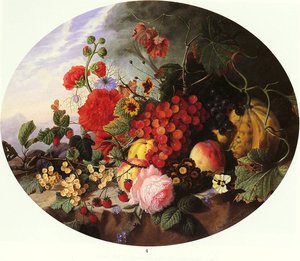
基本情報
- Artistic Movement Or Style: Still Life Art
- Date Of Death: Living
- Full Name: Virginie de Sartorius
- Notable Artworks:
- Floral Arrangements
- Fruit Compositions
- Classical Subjects