

 シェアする
シェアする シェアする
シェアする
 詳細を見る
詳細を見る

 ダウンロード
 似ている作品
 スライドショー
 Stats
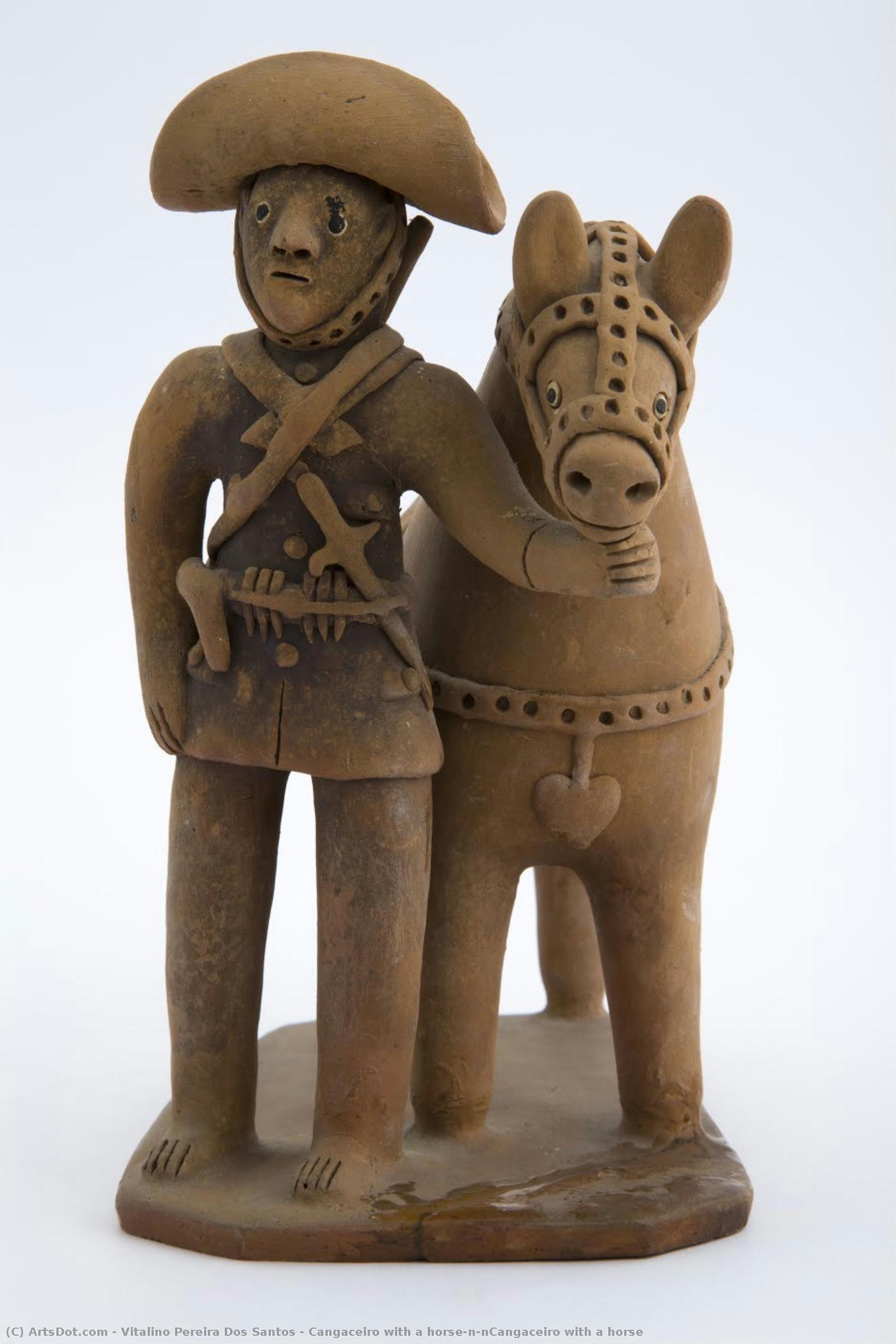
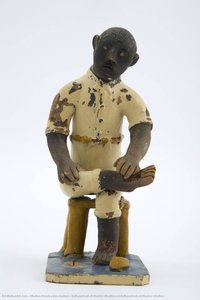
StatsCangaceiro with a horse\n\nCangaceiro with a horse


 詳細を見る
詳細を見る
ジークレー/アートプリント
迅速な制作と多彩な仕上げオプションを備えた、ミュージアムクオリティのジークレーまたはキャンバスプリント。 ( 手描きの絵画を購入 Switch to Digital Image)




































作品のオリジナル比率に合わせた、当店の規定サイズからお選びください。

特定のフレームやスペースに合わせて、ご自身でサイズを指定することも可能です。選択されたサイズが元の画像の比率と一致しない場合、作品をトリミングするか、鏡面反射または単色での塗りつぶしによって画像を拡張いたします。制作を開始する前に、ご確認用のデジタルモックアップをお送りいたします。
画面上のプレビューには、実際のトリミングや拡張は反映されませんのでご注意ください。最終的な構図を正確に確認できるのは、モックアップのみとなります。
カスタムサイズも承っておりますが、元の比率を維持するためには、あらかじめ用意されたリストからサイズを選択することをお勧めいたします。


 ガラスオプションは、110cm未満のサイズでのみご利用いただけます。

Cangaceiro with a horse\n\nCangaceiro with a horse
ジークレー/アートプリント
複製画のサイズ
-


合計金額
$ 62
関連作品


アーティストの略歴
Francis Bacon: A Chronicle of Anguish and the Human Condition
Born in Dublin, Ireland, on October 28th, 1909, Francis Bacon’s life was a tapestry woven with threads of intellectual curiosity, bohemian excess, and profound emotional turmoil. He wasn't initially destined for artistic greatness; his early years were marked by a restless spirit and a series of seemingly haphazard pursuits – interior decorating, gambling, and a brief stint as a bon vivant in London’s Soho district. It was only in his late twenties that Bacon truly embraced painting, driven by an insistent need to capture the raw, unsettling realities he perceived within himself and the world around him. His career trajectory wasn't one of gradual ascent; it was punctuated by periods of intense productivity followed by long stretches of inactivity, reflecting a deeply personal struggle with self-doubt and existential anxieties.
Bacon’s artistic development can be broadly categorized into distinct phases, each characterized by a specific thematic focus. The 1930s saw the emergence of “bio-morphs,” distorted figures influenced by Picasso, exploring themes of metamorphosis and decay. The 1940s brought forth his iconic "male heads in rooms," claustrophobic studies of isolation and psychological distress – often rendered in stark, unsettling monochrome. The mid-to-late 1950s witnessed a shift towards animals and solitary figures, imbued with a sense of vulnerability and impending doom. Crucially, the 1960s marked a return to his most recognizable subject matter: crucifixions, reflecting a preoccupation with suffering, mortality, and religious iconography. Later in life, Bacon turned increasingly inward, producing self-portraits that offered a brutally honest reflection on aging and the passage of time – culminating in the powerful “Black Triptychs,” a series of intensely personal works exploring themes of loss, memory, and the inevitability of death.
Bacon’s artistic vision was profoundly shaped by his intellectual milieu. He was deeply influenced by existentialist philosophy, particularly the writings of Jean-Paul Sartre and Albert Camus, which explored themes of absurdity, alienation, and the burden of freedom. His work also resonated with Surrealism, though he rejected its emphasis on dream imagery in favor of a more direct and visceral approach to depicting psychological states. The music of jazz – particularly the improvisational nature of the genre – served as a key inspiration, informing his use of fragmented forms, dynamic compositions, and a sense of urgent energy. Furthermore, Bacon’s close friendships with fellow artists like Lucian Freud, John Deakin, and Henrieta Moraes provided a vital source of emotional support and artistic exchange.
Despite the darkness that permeated much of his work, Bacon was known for his charisma and intellectual wit. He cultivated a reputation as a flamboyant figure, enjoying the pleasures of life – food, drink, and companionship – with an almost reckless abandon. However, beneath this outward facade lay a deep-seated melancholy and a profound awareness of human suffering. His art wasn’t merely a depiction of misery; it was an attempt to confront viewers with uncomfortable truths about the human condition—a stark reminder of our vulnerability, mortality, and the inherent chaos of existence.
The Legacy of a Troubled Genius
Francis Bacon died unexpectedly on April 28th, 1992, at the age of 82. His death marked the end of an era in British art, leaving behind a body of work that continues to challenge and disturb viewers decades after its creation. While he never achieved widespread commercial success during his lifetime, Bacon’s influence on subsequent generations of artists is undeniable. His willingness to explore taboo subjects—violence, sexuality, and death—broke new ground and paved the way for more direct and emotionally honest forms of expression.
Bacon's paintings are now held in major museums around the world, including the Tate Gallery in London, the Museum of Modern Art in New York, and the National Gallery of Ireland. His work is valued highly by collectors and critics alike, recognized for its raw power, emotional intensity, and enduring relevance. More than simply portraits or scenes, Bacon’s paintings are explorations of the human psyche—a testament to his ability to capture the darkest corners of our inner lives with unflinching honesty and unsettling beauty.
His legacy extends beyond the art world; Bacon's exploration of existential themes continues to resonate in contemporary culture, prompting reflection on questions of identity, mortality, and the meaning of life. He remains a profoundly influential artist—a chronicler of anguish, a visionary of the human condition, and a master of unsettling imagery.
vitalino pereira dos santos
1909 - 1963 , Brazil
基本情報
- Artistic Movement Or Style: Figurative art
- Artists Or Movements Influenced By This Artist: ['Abstract Expressionism']
- Artists Who Influenced This Artist:
- Picasso
- Furies
- Date Of Birth: October 28, 1909
- Date Of Death: April 28, 1992
- Full Name: Francis Bacon
- Nationality: British
- Notable Artworks:
- Three Studies...
- screaming popes
- portraits of friends
- Place Of Birth: Dublin, Ireland
関連記事

Bronze Sculptures That Defined Art History | ArtsDot
Journey through art history with our Top 10 bronze sculptures! Explore masterpieces by Rodin, Michelangelo & more. Discover stories behind iconic statues and find museum-quality reproductions for your home decor at ArtsDot.com.

The Enduring Form: Sculpture Across History, Technique & Emotional Resonance
Explore the rich history of sculpture with ArtsDot. Discover key techniques, influential artists & investment potential for discerning collectors. Expert insights into valuing and collecting timeless masterpieces.

The Enduring Form: Exploring Themes & Techniques in Sculpture Across Historical Periods
Explore the rich history of sculpture from ancient masterpieces to contemporary innovations. Discover key techniques, influential artists & investment potential for discerning art collectors.

The Alchemy of Clay: A Collector's Guide to the Mastery, Texture, and Timeless Form of Ceramic Art
Discover the profound beauty of ceramic art. Our expert guide explores the alchemy of clay, texture, and glaze, offering collectors deep insights into mastering earth and fire to create timeless, sculptural masterpieces for any curated collection.

Bronze Age to Modern Masters: 10 Sculptures That Redefined Art | ArtsDot
Journey through art history with 10 legendary bronze sculptures – from Michelangelo's David to Rodin’s Thinker. Explore the stories, techniques & timeless beauty of these masterpieces. Find museum-quality reproductions & elevate your home decor on ArtsDot.com.