 プレビュー
プレビュー
 プリントを購入
 シェアする
シェアする シェアする
シェアする
 詳細を見る
詳細を見る

 ダウンロード
 似ている作品
 X線調査
X線調査 スライドショー
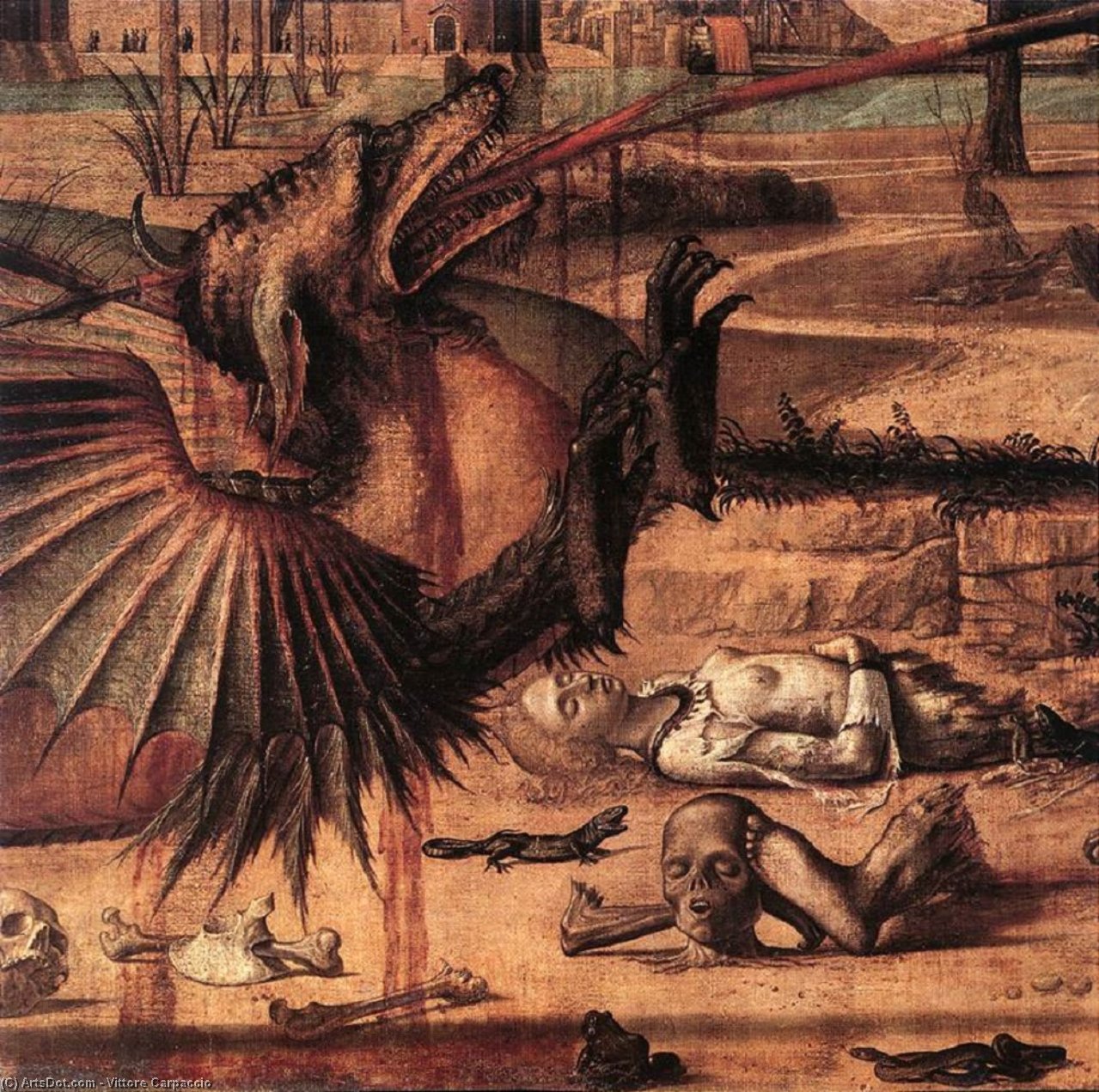
St George and the Dragon (detail)


 詳細を見る
詳細を見る




P118B $10

P118H $10

P118W $10

P438Z $10

P508JH $12

P508YH $12

P805H $10

P805Z $10

P919BZ $10

P919G $10

P919XJ $10

P959ZH $10

P968JZ $12

W106C $8

W218G $10

W218JH $8

W218Y $10

W307PJ $10

W316G $10

W316PJ $8

W316Y $10

W398PJ $8

W4111J $10

W500HY $15

W500JH $15

W692G $12

W849H $8

W940BG $15

W953PJ $8




作品のオリジナル比率に合わせた、当店の規定サイズからお選びください。

特定のフレームやスペースに合わせて、ご希望のサイズをご入力いただけます。選択されたサイズが元の画像の比率と異なる場合、アートワークをトリミングするか、手描きで要素を追加して絵画を拡張いたします。デジタルモックアップ を制作し、制作開始前にご確認(承認)をいただきます。
画面上のプレビューは、実際のトリミングや拡張を正確に反映しているものではありません。最終的な構図は、モックアップによってのみ正確にご確認いただけます。
カスタムサイズもご利用いただけますが、元の比率を維持するためには、あらかじめ用意されたリストからサイズを選択することをお勧めいたします。
ご注文後、ArtsDot.com チームより詳細な指示をお送りするとともに、仕上がりイメージ(モックアップ)をご提供いたします。


 ガラスオプションは、110cm未満のサイズでのみご利用いただけます。

St George and the Dragon (detail)
複製技法
複製画のサイズ
-


合計金額
$ 263
A Grim Testament of Faith: Vittore Carpaccio’s St George and the Dragon
Vittore Carpaccio's *St George and the Dragon* (1502), housed in the Galleria dell’Accademia in Venice, stands as a cornerstone of Venetian Renaissance painting—a dramatic depiction steeped in religious allegory and executed with meticulous attention to detail. More than just a narrative recounting the saint’s triumph over evil, it embodies Carpaccio's distinctive artistic vision: conservative, emotionally resonant, and profoundly influenced by the stylistic precedents established by Antonello da Messina and early Netherlandish masters. This painting isn’t merely observed; it’s felt—a chilling reminder of mortality intertwined with unwavering devotion.The Narrative Landscape
The scene unfolds against a bleak, mountainous backdrop – a deliberate choice mirroring the desolate terrain of spiritual struggle. Saint George, clad in gleaming armor, confronts the colossal dragon, its serpentine form dominating the composition. The dragon's gaping maw is positioned centrally, conveying palpable menace and embodying primal darkness. Beneath him lies the fallen warrior—a figure rendered lifeless, symbolizing vulnerability to sin and awaiting divine redemption. Two birds – one perched atop Saint George’s helmet and another fluttering near the dragon’s head – serve as emblems of hope and vigilance, representing God's watchful eye safeguarding Christendom. Carpaccio skillfully weaves these symbolic elements into a compelling visual narrative that adheres closely to medieval legend.Carpaccio’s Style: A Quiet Revolution
Unlike many contemporaries embracing humanist ideals and experimenting with innovative techniques, Carpaccio remained steadfast in his adherence to Byzantine influences and the stylistic conventions of Messina and Bruges. This conservatism is evident in the muted palette—primarily ochres, reds, and blues—which prioritizes tonal harmony over vibrant color contrasts. The artist’s brushstrokes are deliberate and controlled, creating a surface texture that emphasizes form rather than illusionistic depth. Carpaccio's technique relies on layering thin glazes of pigment upon gesso panels, resulting in luminous surfaces that capture the subtle nuances of light and shadow—a hallmark of Venetian painting during his era.Symbolism: Beyond Simple Heroic Tale
The dragon itself represents evil incarnate – specifically Satan attempting to corrupt Saint George’s soul. The warrior's death symbolizes humanity’s susceptibility to temptation and the necessity of faith to overcome darkness. However, Carpaccio imbues the scene with deeper theological significance. The birds symbolize divine providence—God protecting Saint George from harm and guiding him towards salvation. Furthermore, the skulls scattered throughout the painting serve as poignant reminders of mortality and the ultimate triumph of God over death. These elements elevate *St George and the Dragon* beyond a mere retelling of biblical lore into a profound meditation on faith, courage, and spiritual redemption.Emotional Resonance: A Masterpiece of Dramatic Intensity
Carpaccio’s masterful portrayal captures the visceral horror of Saint George's confrontation with the dragon—a palpable tension conveyed through expressive gestures and meticulous anatomical detail. The artist skillfully utilizes chiaroscuro – dramatic contrasts between light and dark – to heighten the emotional impact of the scene, emphasizing Saint George’s heroic posture and highlighting the dragon’s terrifying presence. Viewing *St George and the Dragon* evokes a feeling of solemn contemplation—a recognition of humanity's struggle against evil and an affirmation of God’s unwavering compassion. It remains a testament to Carpaccio’s ability to transform biblical narrative into emotionally charged visual art, securing its place as one of Venice’s most enduring treasures.関連作品
アーティストの略歴
初期の生涯と修行
ヴィットーレ・カルパッチョは、1465年頃にヴェネツィアで生まれた著名なイタリアの画家です。彼は、ヴェネツィア派の名匠であるジェンティレ・ベリーニのもとで学びました。この徒弟制度が、カルパッチョの将来の成功の礎を築いたのです。芸術様式と影響
カルパッチョの様式は、その保守的な性質によって特徴づけられ、彼が生きた時代にイタリア・ルネサンス絵画を変貌させた人文主義的な潮流の影響を最小限に留めていました。彼の作品には、アントネロ・ダ・メシーナの様式と初期フランドル絵画の影響が見られます。この独自の様式の融合が、ヴェネツィア絵画に特有のアプローチを生み出したのです。代表作
- 9枚からなる連作『聖ウルズラの伝説』は、カルパッチョの最も有名な作品です。このシリーズは現在アカデミア美術館に所蔵されており、物語絵画における彼の熟練の技を見せています。
- 『聖ウルズラの栄光の祭壇画』(1491年)は、ジョヴァンニ・ベリーニの様式を彷彿とさせる光と色彩を捉えるカルパッチョの技術を示しています。
- 『リアルト橋の十字架の遺物の奇跡』(1494年)は、構図と物語性を調和させるカルパッチョの能力を際立たせています。
キャリアのハイライトと遺産
- カルパッチョの主要な作品群は1490年から1519年の間に制作され、彼をヴェネツィア・ルネサンス初期の巨匠の一人に位置づけています。
- 『セレニテスを洗礼する聖ゲオルギウス』に見られるように、彼のオリエンタリズム的な様式は、レバント地方への新たな魅了を反映しています。
- カルパッチョの作品は、同時代のジョヴァンニ・ベリーニやジョルジョネといった画家と比較すると、やや見過ごされがちです。
参考文献とさらなる読書
ヴィットーレ・カルパッチョとヴェネツィア派のさらなる詳細をArtsDotで発見してください。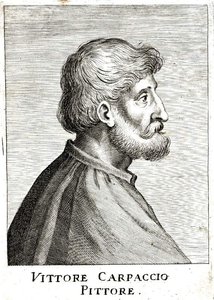
ヴィットーレ・カルパッチオ
1465 - 1526 , イタリア
基本情報
- Artistic Movement Or Style: 初期ヴェネツィア・ルネサンス
- Artists Or Movements Influenced By This Artist: ['初期ネーデルラント絵画']
- Artists Who Influenced This Artist:
- アントネロ・ダ・メッシーナ
- ジェンティレ・ベリーニ
- Date Of Birth: イタリア、ヴェネツィア(1465年頃)
- Date Of Death: 1526年
- Full Name: ヴィットーレ・カルパッチョ
- Nationality: イタリア人
- Notable Artworks:
- 聖ウルズラ伝説
- 聖ウルズラの栄光祭壇画
- リアルト橋の十字架の遺物の奇跡
- Place Of Birth: ヴェネツィア
関連記事
ジョルジュ・ブラック傑作25選:革新的なキュビスムの世界と装飾への誘い
ジョルジュ・ブラックの傑作25選。キュビスムを代表する画家、その革新的な色彩と技法に迫ります。名画から知られざる逸品まで、美術史に残る作品群をArtsDot.comで鑑賞。お部屋を彩るアートプリントも多数ご用意。今すぐオンラインでコレクションをご覧ください。
ジョルジュ・スーラ傑作25選:光と色彩の科学が織りなす芸術の世界|ArtsDot
ジョルジュ・スーラの傑作25選。点描画の光と色彩、印象派から新印象派へ—ArtsDotで美術史を紐解き、リビングやダイニングを彩る高品質なアートプリントを見つけましょう。セーラ作品集をオンラインで鑑賞ください。
Vittore Carpaccio: Venetian Renaissance Narrative & the Poetics of Detail
Explore the captivating world of Vittore Carpaccio, a master storyteller of the Venetian Renaissance. Discover his intricate details, narrative cycles like 'The Legend of St. Ursula,' and unique artistic style.
High Medieval Art: 10 Masterpieces That Shaped an Era | ArtsDot
Journey through High Medieval Art! Explore 10 iconic masterpieces – from Giotto's frescoes to stunning Gothic cathedrals. Discover the stories behind these timeless paintings, sculptures & illuminated manuscripts. Find museum-quality art reproductions at ArtsDot.com.

ジャコポ・ティンコレット:至高の25選 – ヴェネツィア巨匠のドラマと光の世界 | ArtsDot
ジャコポ・ティンコレットの至高の25選。ドラマと光の世界を彩るヴェネツィア派巨匠の名画を紐解きます。ルネサンス絵画からバロック絵画まで、ArtsDotで高品質な複製画やインテリアアートを見つけましょう。傑作コレクションをオンラインで探求してください。