 プレビュー
プレビュー
 プリントを購入
 シェアする
シェアする シェアする
シェアする
 詳細を見る
詳細を見る

 ダウンロード
 似ている作品
 X線調査
X線調査 スライドショー
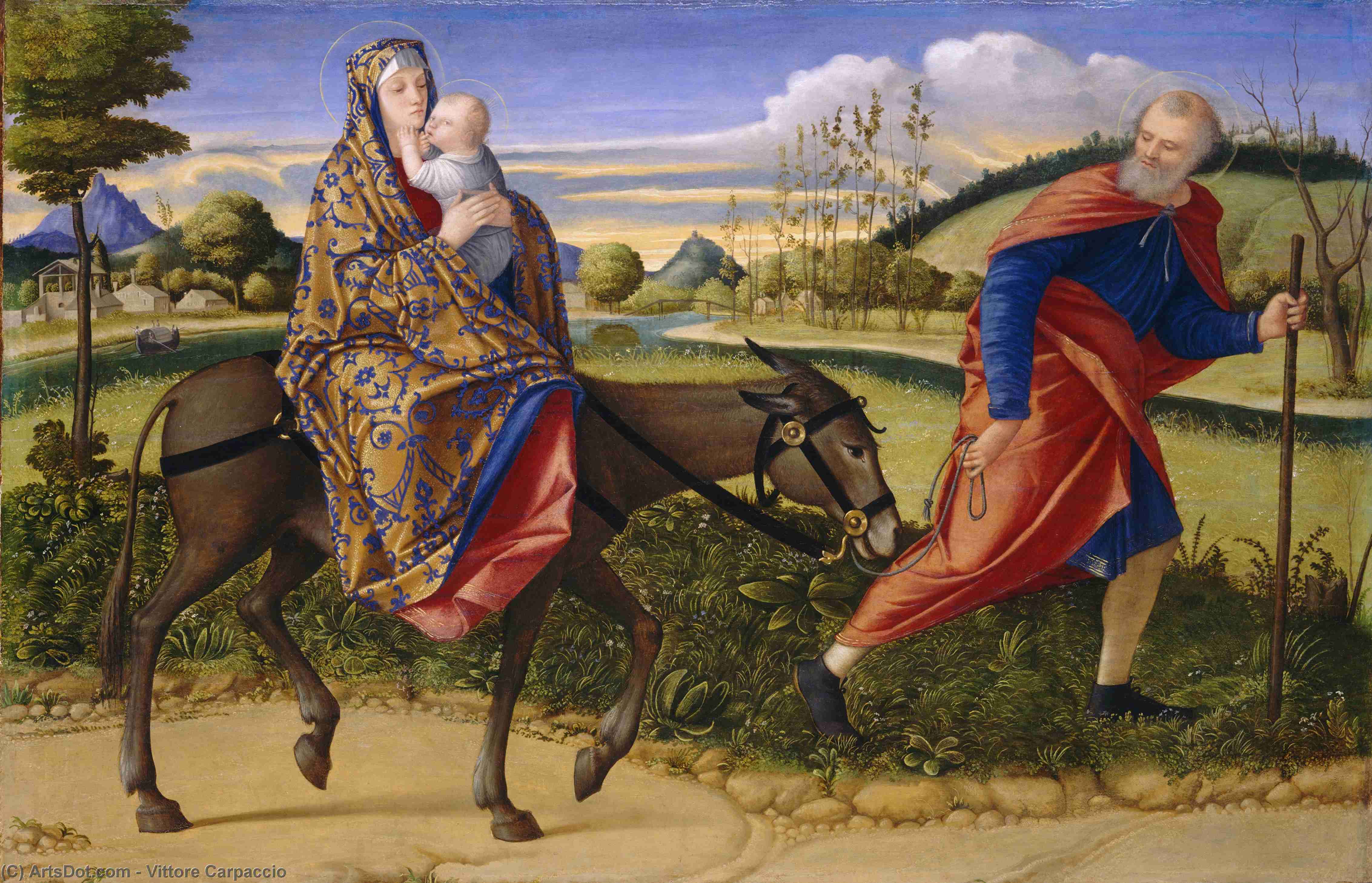
The Flight into Egypt
 Oil On Canvas
- WallArt
- Renaissance Painting
 1500
1500 73.0 x 111.0 cm
 ナショナル・ギャラリー・オブ・アート
 詳細を見る
詳細を見る




P118B $10

P118H $10

P118W $10

P438Z $10

P508JH $12

P508YH $12

P805H $10

P805Z $10

P919BZ $10

P919G $10

P919XJ $10

P959ZH $10

P968JZ $12

W106C $8

W218G $10

W218JH $8

W218Y $10

W307PJ $10

W316G $10

W316PJ $8

W316Y $10

W398PJ $8

W4111J $10

W500HY $15

W500JH $15

W692G $12

W849H $8

W940BG $15

W953PJ $8




作品のオリジナル比率に合わせた、当店の規定サイズからお選びください。

特定のフレームやスペースに合わせて、ご希望のサイズをご入力いただけます。選択されたサイズが元の画像の比率と異なる場合、アートワークをトリミングするか、手描きで要素を追加して絵画を拡張いたします。デジタルモックアップ を制作し、制作開始前にご確認(承認)をいただきます。
画面上のプレビューは、実際のトリミングや拡張を正確に反映しているものではありません。最終的な構図は、モックアップによってのみ正確にご確認いただけます。
カスタムサイズもご利用いただけますが、元の比率を維持するためには、あらかじめ用意されたリストからサイズを選択することをお勧めいたします。
ご注文後、ArtsDot.com チームより詳細な指示をお送りするとともに、仕上がりイメージ(モックアップ)をご提供いたします。


 ガラスオプションは、110cm未満のサイズでのみご利用いただけます。

The Flight into Egypt
複製技法
複製画のサイズ
-


合計金額
$ 263
作品解説
The Flight into Egypt: A Venetian Masterpiece of Narrative and Light
Vittore Carpaccio’s “The Flight into Egypt,” painted around 1500, is more than just a biblical scene; it's a meticulously crafted tableau brimming with narrative complexity, subtle symbolism, and an extraordinary command of late-Quattrocento Venetian painting. This monumental work, measuring 73 x 111 cm, housed within the National Gallery of Art in Washington D.C., offers a captivating glimpse into the world of Renaissance Venice – a city renowned for its artistic innovation and its deep engagement with both classical tradition and emerging humanist thought.
Carpaccio’s style is immediately recognizable: a deliberate conservatism that sets him apart from the more flamboyant figures of his time, like Bellini. He eschewed the radical experimentation of the High Renaissance, instead favoring a grounded approach rooted in meticulous observation and a profound understanding of narrative structure. His work isn't about dramatic gestures or idealized beauty; it’s about conveying a story with clarity and precision. This is evident in the careful positioning of figures, the detailed rendering of clothing and landscape, and the restrained use of color – predominantly earthy tones punctuated by vibrant reds and blues that draw the eye to key elements within the composition.
The scene itself—Mary, Joseph, and the infant Jesus fleeing Bethlehem for Egypt—is a cornerstone of Christian iconography. However, Carpaccio elevates this familiar narrative through his masterful execution. He doesn’t simply depict the event; he constructs a carefully orchestrated drama. Note the deliberate arrangement of the figures – Mary is centrally positioned, radiating maternal concern as she guides her family along the dusty road. Joseph, depicted with a weary but resolute expression, leads the way, while the infant Jesus, remarkably lifelike in his depiction, appears calm and trusting. The inclusion of several other individuals—a man carrying a staff, a group of travelers—adds layers to the story, suggesting a broader community responding to the unfolding events.
The Influence of Early Netherlandish Art
A key element contributing to Carpaccio’s distinctive style is his debt to early Netherlandish painting. Like Jan van Eyck and Rogier van der Weyden, he employed a painstaking attention to detail, rendering textures with incredible realism. The folds of Mary's cloak, the rough surface of the donkey’s hide, the intricate patterns on the travelers’ garments—all are rendered with meticulous precision. This commitment to naturalism is further emphasized by Carpaccio’s use of *sfumato*, a subtle blurring technique that softens outlines and creates an atmospheric effect, particularly noticeable in the distant landscape.
Furthermore, Carpaccio's compositional choices mirror those found in Netherlandish works. The figures are arranged within a shallow space, creating a sense of immediacy and drawing the viewer into the scene. The use of perspective, though not entirely innovative for Venice at the time, is carefully considered to create depth and spatial coherence. This influence is particularly evident in the depiction of the road leading towards the horizon—a recurring motif in Netherlandish landscapes.
Symbolism and Venetian Context
Beyond its narrative function, “The Flight into Egypt” is rich in symbolic meaning. The donkey itself represents humility and service – a deliberate choice that underscores Mary’s role as a humble servant of God. The landscape—a barren, sun-baked terrain—symbolizes the hardships faced by the Holy Family during their flight. The inclusion of the staff-carrying figure has been interpreted as representing Joseph's lineage or perhaps even a divine messenger guiding them on their journey.
Painted in Venice around 1500, this work reflects the city’s burgeoning artistic and economic power. Venice was a major center for trade and cultural exchange, attracting artists from across Europe. Carpaccio’s style—a synthesis of Venetian tradition and Northern European influences—embodied this cosmopolitan spirit. The painting's acquisition by the Medici family in Florence further underscores its significance as a masterpiece of the Renaissance.
A Timeless Masterpiece: Reproduction and Beyond
“The Flight into Egypt” remains a profoundly moving work, offering viewers a glimpse into the heart of Christian faith and the artistic genius of Vittore Carpaccio. Reproductions capture much of the original’s power, allowing this iconic image to be enjoyed by a wider audience. When selecting a reproduction, consider the quality of materials and printing techniques – aiming for a faithful representation of Carpaccio's masterful use of light, color, and detail. This painting is not merely a depiction of a biblical story; it’s an invitation to contemplate themes of faith, family, and the enduring power of art.
関連作品
アーティストの略歴
初期の生涯と修行
ヴィットーレ・カルパッチョは、1465年頃にヴェネツィアで生まれた著名なイタリアの画家です。彼は、ヴェネツィア派の名匠であるジェンティレ・ベリーニのもとで学びました。この徒弟制度が、カルパッチョの将来の成功の礎を築いたのです。芸術様式と影響
カルパッチョの様式は、その保守的な性質によって特徴づけられ、彼が生きた時代にイタリア・ルネサンス絵画を変貌させた人文主義的な潮流の影響を最小限に留めていました。彼の作品には、アントネロ・ダ・メシーナの様式と初期フランドル絵画の影響が見られます。この独自の様式の融合が、ヴェネツィア絵画に特有のアプローチを生み出したのです。代表作
- 9枚からなる連作『聖ウルズラの伝説』は、カルパッチョの最も有名な作品です。このシリーズは現在アカデミア美術館に所蔵されており、物語絵画における彼の熟練の技を見せています。
- 『聖ウルズラの栄光の祭壇画』(1491年)は、ジョヴァンニ・ベリーニの様式を彷彿とさせる光と色彩を捉えるカルパッチョの技術を示しています。
- 『リアルト橋の十字架の遺物の奇跡』(1494年)は、構図と物語性を調和させるカルパッチョの能力を際立たせています。
キャリアのハイライトと遺産
- カルパッチョの主要な作品群は1490年から1519年の間に制作され、彼をヴェネツィア・ルネサンス初期の巨匠の一人に位置づけています。
- 『セレニテスを洗礼する聖ゲオルギウス』に見られるように、彼のオリエンタリズム的な様式は、レバント地方への新たな魅了を反映しています。
- カルパッチョの作品は、同時代のジョヴァンニ・ベリーニやジョルジョネといった画家と比較すると、やや見過ごされがちです。
参考文献とさらなる読書
ヴィットーレ・カルパッチョとヴェネツィア派のさらなる詳細をArtsDotで発見してください。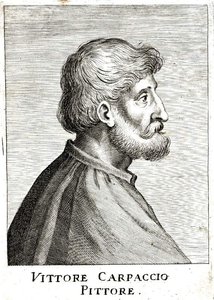
ヴィットーレ・カルパッチオ
1465 - 1526 , イタリア
基本情報
- Artistic Movement Or Style: 初期ヴェネツィア・ルネサンス
- Artists Or Movements Influenced By This Artist: ['初期ネーデルラント絵画']
- Artists Who Influenced This Artist:
- アントネロ・ダ・メッシーナ
- ジェンティレ・ベリーニ
- Date Of Birth: イタリア、ヴェネツィア(1465年頃)
- Date Of Death: 1526年
- Full Name: ヴィットーレ・カルパッチョ
- Nationality: イタリア人
- Notable Artworks:
- 聖ウルズラ伝説
- 聖ウルズラの栄光祭壇画
- リアルト橋の十字架の遺物の奇跡
- Place Of Birth: ヴェネツィア
関連記事
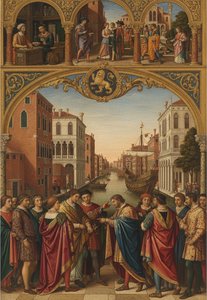
Vittore Carpaccio: Venetian Renaissance Narrative & the Poetics of Detail
Explore the captivating world of Vittore Carpaccio, a master storyteller of the Venetian Renaissance. Discover his intricate details, narrative cycles like 'The Legend of St. Ursula,' and unique artistic style.
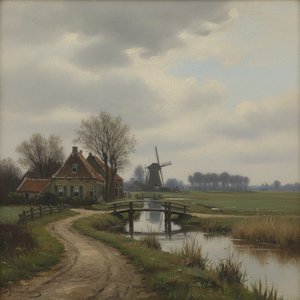
Jacob Henricus Maris: A Master of Dutch Atmospheric Realism & the Intimate Landscape
Explore the captivating world of Jacob Henricus Maris, a leading figure of the Dutch Hague School. Discover his atmospheric landscapes, signature brushstrokes & lasting influence on 19th-century art. Learn more at ArtsDot.

ジョット・ディ・ボンドーネ:至高の25選 - ルネサンスの夜明けを彩る傑作たち | ArtsDot
ジョット・ディ・ボンドーネの至高の25選。ルネサンス美術を牽引した巨匠の傑作と、その感動的な物語を紐解きます。高品質な絵画複製やインテリアアートで、名画の世界をあなたの空間に。ArtsDot.com でコレクションをご覧ください。
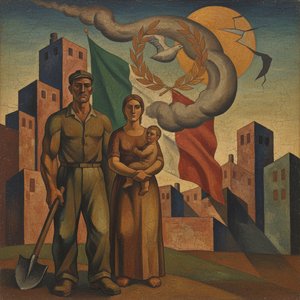
Mario Sironi: A Poetic of Modern Italian Identity Through Symbolism & Social Commentary
Explore the profound works of Mario Sironi, a key figure in Italian Modernism. Discover his evolution from Futurism to Metaphysical painting and his powerful social commentary. Learn about his legacy at ArtsDot.
Cosmè Tura: Rediscovering the Ferrarese Master & His Distinctive Style
Discover Cosmè Tura (1430-1495), founder of the Ferrara School. Explore his unique style, key artworks & lasting influence. Expert insights for collectors.