

 プレビュー
プレビュー
 プリントを購入
 シェアする
シェアする シェアする
シェアする
 詳細を見る
詳細を見る

 ダウンロード
 似ている作品
 X線調査
X線調査 スライドショー
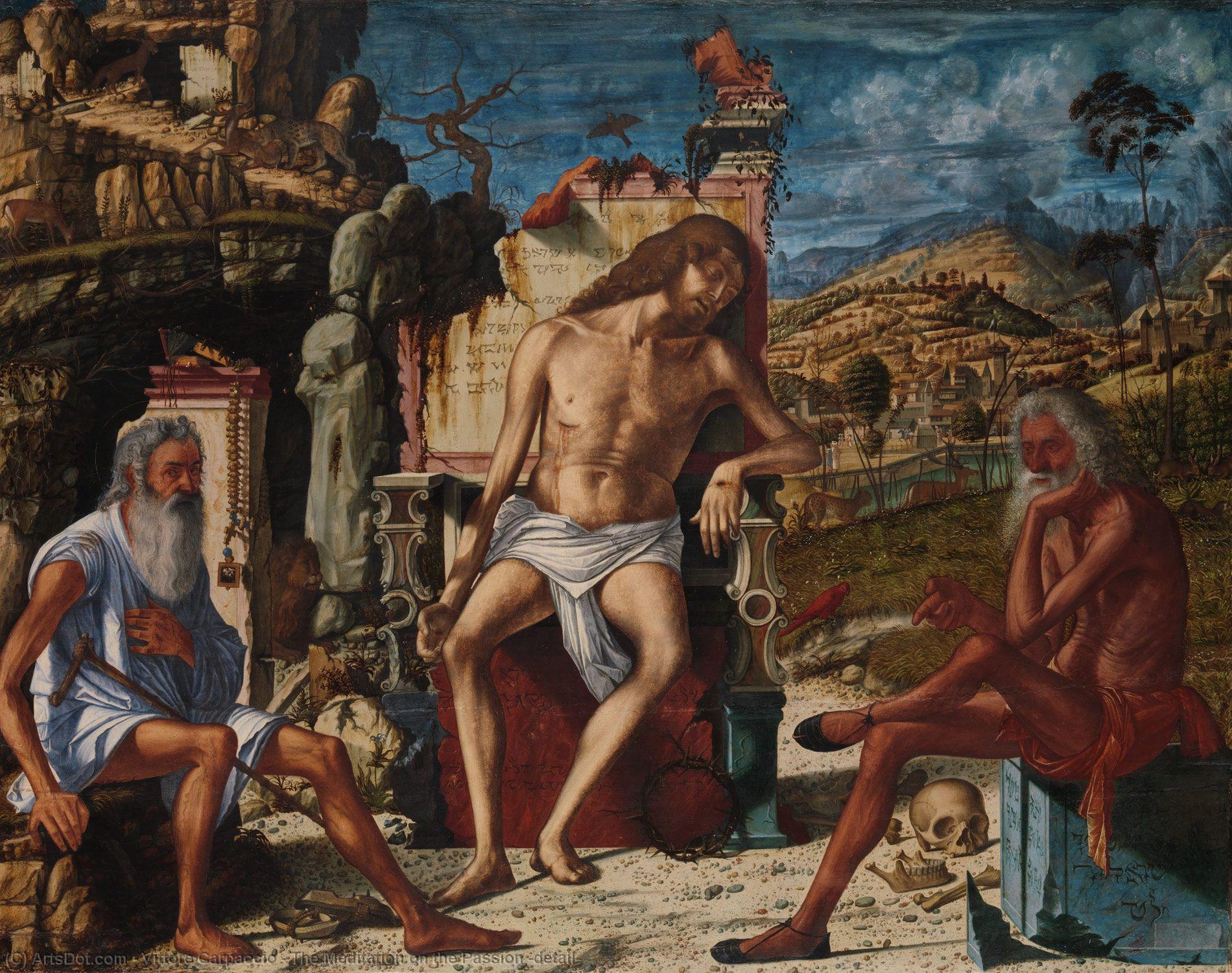
The Meditation on the Passion (detail)


 詳細を見る
詳細を見る




P118B $10

P118H $10

P118W $10

P438Z $10

P508JH $12

P508YH $12

P805H $10

P805Z $10

P919BZ $10

P919G $10

P919XJ $10

P959ZH $10

P968JZ $12

W106C $8

W218G $10

W218JH $8

W218Y $10

W307PJ $10

W316G $10

W316PJ $8

W316Y $10

W398PJ $8

W4111J $10

W500HY $15

W500JH $15

W692G $12

W849H $8

W940BG $15

W953PJ $8




作品のオリジナル比率に合わせた、当店の規定サイズからお選びください。

特定のフレームやスペースに合わせて、ご希望のサイズをご入力いただけます。選択されたサイズが元の画像の比率と異なる場合、アートワークをトリミングするか、手描きで要素を追加して絵画を拡張いたします。デジタルモックアップ を制作し、制作開始前にご確認(承認)をいただきます。
画面上のプレビューは、実際のトリミングや拡張を正確に反映しているものではありません。最終的な構図は、モックアップによってのみ正確にご確認いただけます。
カスタムサイズもご利用いただけますが、元の比率を維持するためには、あらかじめ用意されたリストからサイズを選択することをお勧めいたします。
ご注文後、ArtsDot.com チームより詳細な指示をお送りするとともに、仕上がりイメージ(モックアップ)をご提供いたします。


 ガラスオプションは、110cm未満のサイズでのみご利用いただけます。

The Meditation on the Passion (detail)
複製技法
複製画のサイズ
-


合計金額
$ 263
作品解説
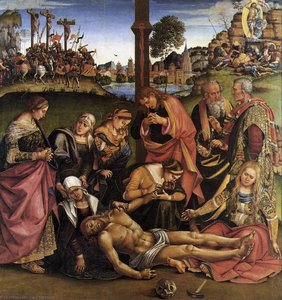
A Meditation on Suffering and Hope: Carpaccio’s “The Meditation on the Passion”
Vittore Carpaccio's "The Meditation on the Passion," painted around 1490, is not merely a depiction of Christ’s death; it’s a profound exploration of mortality, faith, and the enduring promise of resurrection. This remarkable work, housed within the walls of the Metropolitan Museum of Art, offers a rare glimpse into the Venetian painter's distinctive style – a blend of early Netherlandish precision, Italian Renaissance color palettes, and a deeply humanistic sensibility that sets him apart from his contemporaries.
Carpaccio’s artistic approach diverges significantly from the prevailing humanist trends sweeping through Italy at the time. He eschewed the idealized forms and classical references favored by many of his peers, instead opting for a more restrained and narrative-driven style. His work is characterized by meticulous detail, particularly in architectural renderings and the rendering of fabrics – hallmarks inherited from his apprenticeship under Gentile Bellini. Yet, unlike Bellini’s often opulent displays, Carpaccio imbues his scenes with a palpable sense of solemnity and introspection, drawing heavily on the emotional intensity found in Early Netherlandish painting, notably Antonello da Messina.
The Composition: A Landscape of Loss and Longing
The scene unfolds against a dramatic backdrop of rugged mountains, their peaks shrouded in mist – a visual metaphor for the uncertainties and challenges of life. Below this imposing landscape sits a starkly barren terrain, punctuated by the broken remains of a throne upon which Christ’s lifeless body rests. This fragmented throne, inscribed with pseudo-Hebrew text referencing Job's faith (“I know that my redeemer liveth”), immediately establishes the central theme: the acceptance of suffering and the unwavering belief in divine redemption. The inscription itself is a powerful statement – echoing the biblical narrative of Job’s endurance through unimaginable hardship.
Carpaccio masterfully employs contrasting elements to heighten the emotional impact. To Christ's still form, we are presented with a vibrant, almost overwhelming landscape teeming with life—a stark juxtaposition that underscores the tragedy of death while simultaneously hinting at the promise of eternal life. The inclusion of several figures – including Saint Jerome meditating on the scene and Job contemplating the events – invites contemplation and adds layers of theological significance. The turbaned figures in the background, likely representing merchants from the East, speak to Venice’s thriving trade routes and its engagement with diverse cultures, further enriching the painting's narrative complexity.
Symbolism and Spiritual Depth
The painting is replete with symbolic details that deepen its meaning. The presence of a single bird, soaring upwards towards Christ’s head, represents the soul ascending to God – a potent image of resurrection and spiritual liberation. The scattered bones near Job's figure serve as a poignant reminder of mortality and the transience of earthly existence. Even the carefully chosen colors contribute to the overall mood: somber blues and browns dominate the scene, punctuated by flashes of vibrant red in the drapery, symbolizing both Christ’s blood and the intensity of his sacrifice.
Carpaccio's "The Meditation on the Passion" is more than just a religious depiction; it’s a meditation on the human condition. It confronts viewers with the realities of suffering, loss, and mortality while simultaneously offering a message of hope and redemption. Its enduring power lies in its ability to evoke profound emotional responses – prompting reflection on faith, resilience, and the eternal promise of salvation. This work stands as a testament to Carpaccio’s unique artistic vision and his masterful command of narrative painting.
関連作品


アーティストの略歴
初期の生涯と修行
ヴィットーレ・カルパッチョは、1465年頃にヴェネツィアで生まれた著名なイタリアの画家です。彼は、ヴェネツィア派の名匠であるジェンティレ・ベリーニのもとで学びました。この徒弟制度が、カルパッチョの将来の成功の礎を築いたのです。芸術様式と影響
カルパッチョの様式は、その保守的な性質によって特徴づけられ、彼が生きた時代にイタリア・ルネサンス絵画を変貌させた人文主義的な潮流の影響を最小限に留めていました。彼の作品には、アントネロ・ダ・メシーナの様式と初期フランドル絵画の影響が見られます。この独自の様式の融合が、ヴェネツィア絵画に特有のアプローチを生み出したのです。代表作
- 9枚からなる連作『聖ウルズラの伝説』は、カルパッチョの最も有名な作品です。このシリーズは現在アカデミア美術館に所蔵されており、物語絵画における彼の熟練の技を見せています。
- 『聖ウルズラの栄光の祭壇画』(1491年)は、ジョヴァンニ・ベリーニの様式を彷彿とさせる光と色彩を捉えるカルパッチョの技術を示しています。
- 『リアルト橋の十字架の遺物の奇跡』(1494年)は、構図と物語性を調和させるカルパッチョの能力を際立たせています。
キャリアのハイライトと遺産
- カルパッチョの主要な作品群は1490年から1519年の間に制作され、彼をヴェネツィア・ルネサンス初期の巨匠の一人に位置づけています。
- 『セレニテスを洗礼する聖ゲオルギウス』に見られるように、彼のオリエンタリズム的な様式は、レバント地方への新たな魅了を反映しています。
- カルパッチョの作品は、同時代のジョヴァンニ・ベリーニやジョルジョネといった画家と比較すると、やや見過ごされがちです。
参考文献とさらなる読書
ヴィットーレ・カルパッチョとヴェネツィア派のさらなる詳細をArtsDotで発見してください。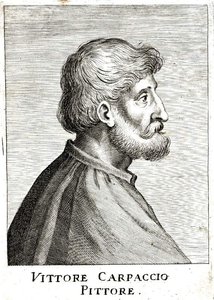
ヴィットーレ・カルパッチオ
1465 - 1526 , イタリア
基本情報
- Artistic Movement Or Style: 初期ヴェネツィア・ルネサンス
- Artists Or Movements Influenced By This Artist: ['初期ネーデルラント絵画']
- Artists Who Influenced This Artist:
- アントネロ・ダ・メッシーナ
- ジェンティレ・ベリーニ
- Date Of Birth: イタリア、ヴェネツィア(1465年頃)
- Date Of Death: 1526年
- Full Name: ヴィットーレ・カルパッチョ
- Nationality: イタリア人
- Notable Artworks:
- 聖ウルズラ伝説
- 聖ウルズラの栄光祭壇画
- リアルト橋の十字架の遺物の奇跡
- Place Of Birth: ヴェネツィア
関連記事
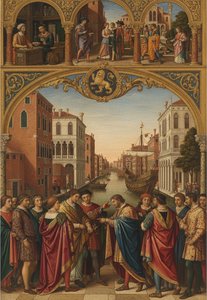
Vittore Carpaccio: Venetian Renaissance Narrative & the Poetics of Detail
Explore the captivating world of Vittore Carpaccio, a master storyteller of the Venetian Renaissance. Discover his intricate details, narrative cycles like 'The Legend of St. Ursula,' and unique artistic style.

フラ・アンジェリコの傑作25選:ルネサンス美術の神髄と至高の装飾 | ArtsDot
フラ・アンジェリコの傑作25選。ルネサンス美術の神髄を紐解き、天使のような静謐な色彩と宗教画の世界へ誘います。壁画やフレスコ画の技法、修道院に息づく祈りの絵…ArtsDotで至高のアートプリントをお手軽に。コレクションを探索する。

ジャコポ・ティンコレット:至高の25選 – ヴェネツィア巨匠のドラマと光の世界 | ArtsDot
ジャコポ・ティンコレットの至高の25選。ドラマと光の世界を彩るヴェネツィア派巨匠の名画を紐解きます。ルネサンス絵画からバロック絵画まで、ArtsDotで高品質な複製画やインテリアアートを見つけましょう。傑作コレクションをオンラインで探求してください。

エル・グレコの傑作25選:魂を揺さぶる宗教画と芸術の深淵 | ArtsDot
エル・グレコの傑作25選:魂を揺さぶる宗教画の世界へ。スペイン絵画の巨匠、マニエリスム様式と Toledo の光彩を紐解きます。ArtsDot.com で名画のアートプリントや複製画をお楽しみください。コレクションはこちら →
大英博物館の至宝25選:歴史と芸術が織りなす感動の旅 | ArtsDot
大英博物館の至宝25選:歴史を彩る絵画、彫刻の世界へ。印象派から古代美術まで、名作の背景と芸術家の情熱に迫ります。ArtsDotで高品質なアート複製やインテリアをお楽しみください。オンラインで全コレクションをご覧ください。

