 プレビュー
プレビュー
 プリントを購入
 シェアする
シェアする シェアする
シェアする
 詳細を見る
詳細を見る

 ダウンロード
 似ている作品
 X線調査
X線調査 スライドショー
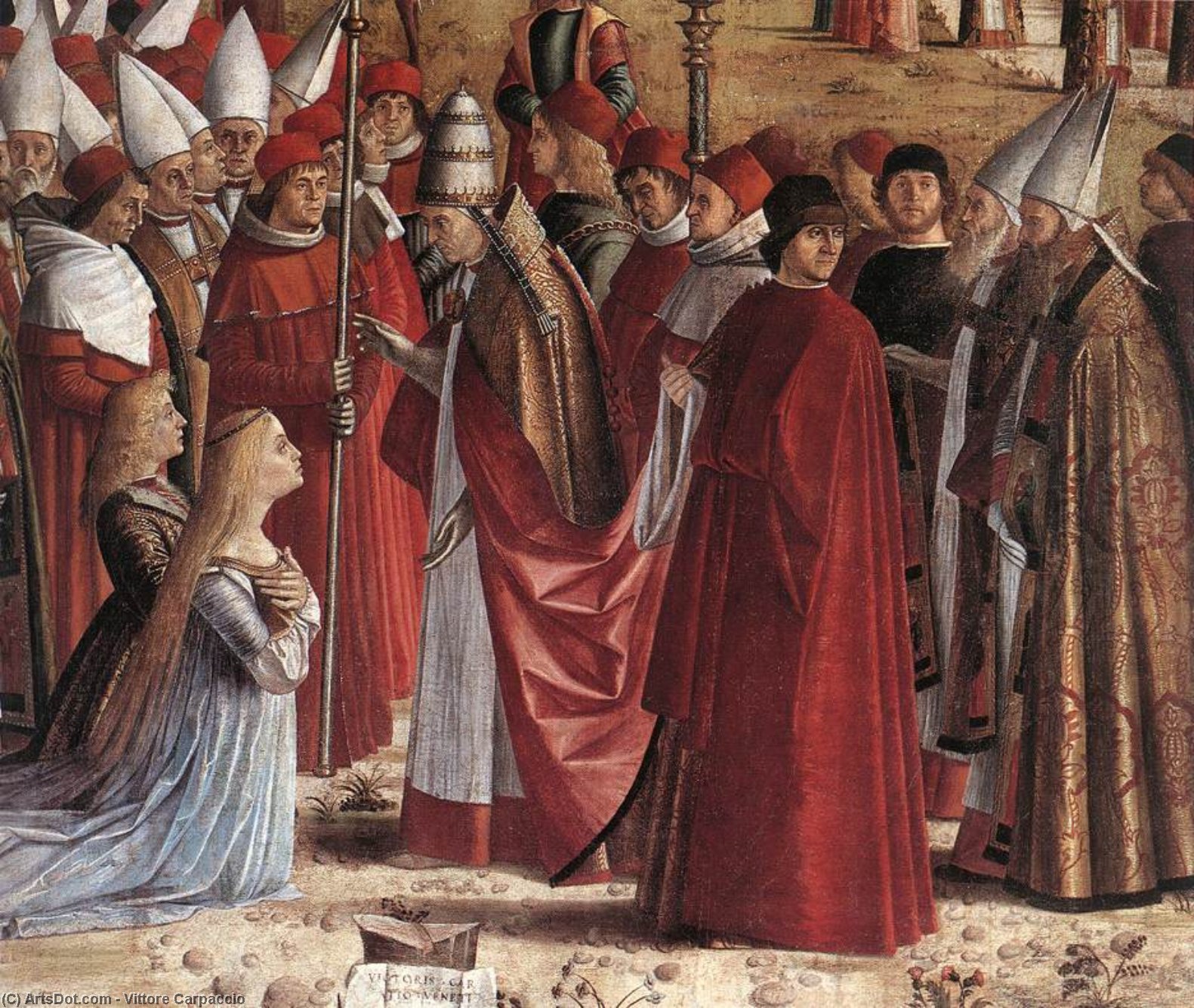
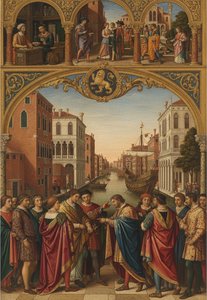
The Pilgrims Meet the Pope (detail)


 詳細を見る
詳細を見る




P118B $10

P118H $10

P118W $10

P438Z $10

P508JH $12

P508YH $12

P805H $10

P805Z $10

P919BZ $10

P919G $10

P919XJ $10

P959ZH $10

P968JZ $12

W106C $8

W218G $10

W218JH $8

W218Y $10

W307PJ $10

W316G $10

W316PJ $8

W316Y $10

W398PJ $8

W4111J $10

W500HY $15

W500JH $15

W692G $12

W849H $8

W940BG $15

W953PJ $8




作品のオリジナル比率に合わせた、当店の規定サイズからお選びください。

特定のフレームやスペースに合わせて、ご希望のサイズをご入力いただけます。選択されたサイズが元の画像の比率と異なる場合、アートワークをトリミングするか、手描きで要素を追加して絵画を拡張いたします。デジタルモックアップ を制作し、制作開始前にご確認(承認)をいただきます。
画面上のプレビューは、実際のトリミングや拡張を正確に反映しているものではありません。最終的な構図は、モックアップによってのみ正確にご確認いただけます。
カスタムサイズもご利用いただけますが、元の比率を維持するためには、あらかじめ用意されたリストからサイズを選択することをお勧めいたします。
ご注文後、ArtsDot.com チームより詳細な指示をお送りするとともに、仕上がりイメージ(モックアップ)をご提供いたします。


 ガラスオプションは、110cm未満のサイズでのみご利用いただけます。

The Pilgrims Meet the Pope (detail)
複製技法
複製画のサイズ
-


合計金額
$ 263
A Window into Venetian Life: The Pilgrims Meet the Pope
Vittore Carpaccio’s “The Pilgrims Meet the Pope” (detail) is not merely a depiction of a historical event; it's a meticulously crafted tableau vivant, a vibrant snapshot of 15th-century Venice brimming with religious fervor and civic pride. Painted around 1492, this tempera on canvas panel offers an intimate glimpse into the heart of Venetian society – a world where art, faith, and commerce intertwined seamlessly. The scene unfolds within the grand setting of Rome’s Castel Sant'Angelo, a fortress transformed into a stage for a momentous encounter between pilgrims and the Pope. Carpaccio masterfully utilizes perspective and light to draw the viewer into this bustling gathering, creating an illusion of depth and immediacy that transcends the limitations of the medium.
- Composition & Perspective: Carpaccio’s genius lies in his calculated arrangement of figures and his innovative use of perspective. The scene is dominated by a central pyramid formed by Pope Cyriacus, flanked by the English Prince and Ursula, creating a sense of stability and importance. Notice how Carpaccio employs atmospheric perspective – distant figures are rendered paler and less detailed, reinforcing the illusion of space.
- Color Palette: The painting’s rich palette—a harmonious blend of reds, blues, and golds—immediately captivates the eye. The vibrant red robes of the papal court contrast sharply with the cooler tones of the pilgrims' garments, drawing attention to the central figures.
- Detail & Ornamentation: Carpaccio’s meticulous attention to detail is remarkable. From the intricate folds of the drapery to the delicate rendering of facial features, every element contributes to the painting’s overall realism and sense of immediacy. The sheer number of details—the clarion players on the castle's bastions, the ivy clinging to the walls—demonstrates Carpaccio’s commitment to capturing the richness and complexity of Venetian life.
The Legacy of Early Netherlandish Influence
Carpaccio’s style is often described as a synthesis of early Netherlandish painting – particularly the work of Antonello da Messina – with the more conservative tendencies of Venetian art during his time. Unlike the burgeoning Renaissance humanism that was transforming Italy, Carpaccio remained rooted in a more traditional approach, prioritizing narrative clarity and meticulous detail over idealized beauty or dramatic emotion. This influence is evident in his use of precise linear perspective, his careful observation of natural forms, and his penchant for depicting scenes with a sense of realism and immediacy. He absorbed the lessons of artists like Jan van Eyck and Rogier van der Weyden, incorporating their techniques into his own distinctive style.
Carpaccio’s work stands apart from the more flamboyant styles of his contemporaries, such as Giovanni Bellini, due to its restrained palette and focus on narrative detail. He eschewed the use of bright colors and dramatic lighting in favor of a more subdued and contemplative approach.Symbolism & Religious Narrative
“The Pilgrims Meet the Pope” is not simply a historical record; it’s a complex allegory laden with religious symbolism. The painting depicts a pivotal moment in the legend of Saint Ursula, recounting her journey to Rome to receive relics from the Pope. Each figure—the pilgrims, the clergy, and the papal court—represents a specific role within the Christian community. The presence of the English Prince underscores England’s allegiance to the papacy, while the numerous bishops and prelates symbolize the authority and power of the Church. The scene itself is imbued with a sense of pilgrimage – a journey of faith undertaken for spiritual enlightenment. The inclusion of figures like Ermolao Barbaro, a prominent humanist scholar and Venetian ambassador, highlights the intersection of religious belief and intellectual inquiry during this period.
A Window into 15th-Century Venice
Beyond its religious significance, “The Pilgrims Meet the Pope” offers a valuable glimpse into the vibrant culture of 15th-century Venice. The painting captures the city’s wealth, power, and civic pride – its bustling markets, magnificent palaces, and thriving artistic community. Carpaccio's meticulous depiction of Venetian architecture, fashion, and social customs provides a rich source of information for art historians and scholars alike. Reproducing this artwork allows us to experience a moment in time, transporting us back to the heart of Renaissance Venice. The painting’s enduring appeal lies not only in its artistic merit but also in its ability to connect us to a distant past.
関連作品

アーティストの略歴
初期の生涯と修行
ヴィットーレ・カルパッチョは、1465年頃にヴェネツィアで生まれた著名なイタリアの画家です。彼は、ヴェネツィア派の名匠であるジェンティレ・ベリーニのもとで学びました。この徒弟制度が、カルパッチョの将来の成功の礎を築いたのです。芸術様式と影響
カルパッチョの様式は、その保守的な性質によって特徴づけられ、彼が生きた時代にイタリア・ルネサンス絵画を変貌させた人文主義的な潮流の影響を最小限に留めていました。彼の作品には、アントネロ・ダ・メシーナの様式と初期フランドル絵画の影響が見られます。この独自の様式の融合が、ヴェネツィア絵画に特有のアプローチを生み出したのです。代表作
- 9枚からなる連作『聖ウルズラの伝説』は、カルパッチョの最も有名な作品です。このシリーズは現在アカデミア美術館に所蔵されており、物語絵画における彼の熟練の技を見せています。
- 『聖ウルズラの栄光の祭壇画』(1491年)は、ジョヴァンニ・ベリーニの様式を彷彿とさせる光と色彩を捉えるカルパッチョの技術を示しています。
- 『リアルト橋の十字架の遺物の奇跡』(1494年)は、構図と物語性を調和させるカルパッチョの能力を際立たせています。
キャリアのハイライトと遺産
- カルパッチョの主要な作品群は1490年から1519年の間に制作され、彼をヴェネツィア・ルネサンス初期の巨匠の一人に位置づけています。
- 『セレニテスを洗礼する聖ゲオルギウス』に見られるように、彼のオリエンタリズム的な様式は、レバント地方への新たな魅了を反映しています。
- カルパッチョの作品は、同時代のジョヴァンニ・ベリーニやジョルジョネといった画家と比較すると、やや見過ごされがちです。
参考文献とさらなる読書
ヴィットーレ・カルパッチョとヴェネツィア派のさらなる詳細をArtsDotで発見してください。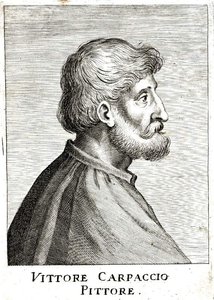
ヴィットーレ・カルパッチオ
1465 - 1526 , イタリア
基本情報
- Artistic Movement Or Style: 初期ヴェネツィア・ルネサンス
- Artists Or Movements Influenced By This Artist: ['初期ネーデルラント絵画']
- Artists Who Influenced This Artist:
- アントネロ・ダ・メッシーナ
- ジェンティレ・ベリーニ
- Date Of Birth: イタリア、ヴェネツィア(1465年頃)
- Date Of Death: 1526年
- Full Name: ヴィットーレ・カルパッチョ
- Nationality: イタリア人
- Notable Artworks:
- 聖ウルズラ伝説
- 聖ウルズラの栄光祭壇画
- リアルト橋の十字架の遺物の奇跡
- Place Of Birth: ヴェネツィア
関連記事
Vittore Carpaccio: Venetian Renaissance Narrative & the Poetics of Detail
Explore the captivating world of Vittore Carpaccio, a master storyteller of the Venetian Renaissance. Discover his intricate details, narrative cycles like 'The Legend of St. Ursula,' and unique artistic style.
フランシス・ベーコン傑作25選:魂を揺さぶる絵画の世界 | ArtsDot
フランシス・ベーコンの傑作25選。魂を揺さぶる表現主義絵画の世界へ。人物画、三面図、ポープ・インノケンティウス10世など、美術史に残る名作をArtsDotで高精細複製画としてご紹介。インテリアに深みと個性を。今すぐコレクションをご覧ください。

Thomas Stothard: Bridging Neoclassical Ideals with Romantic Sensibility – A Reassessment
Explore the life & art of Thomas Stothard (1755-1834), a pivotal figure bridging Neoclassicism and Romanticism. Discover his exquisite book illustrations, iconic paintings like 'The Canterbury Pilgrims,' and lasting influence on British art.