 プレビュー
プレビュー
 シェアする
シェアする シェアする
シェアする
 詳細を見る
詳細を見る

 ダウンロード
 似ている作品
 X線調査
X線調査 スライドショー
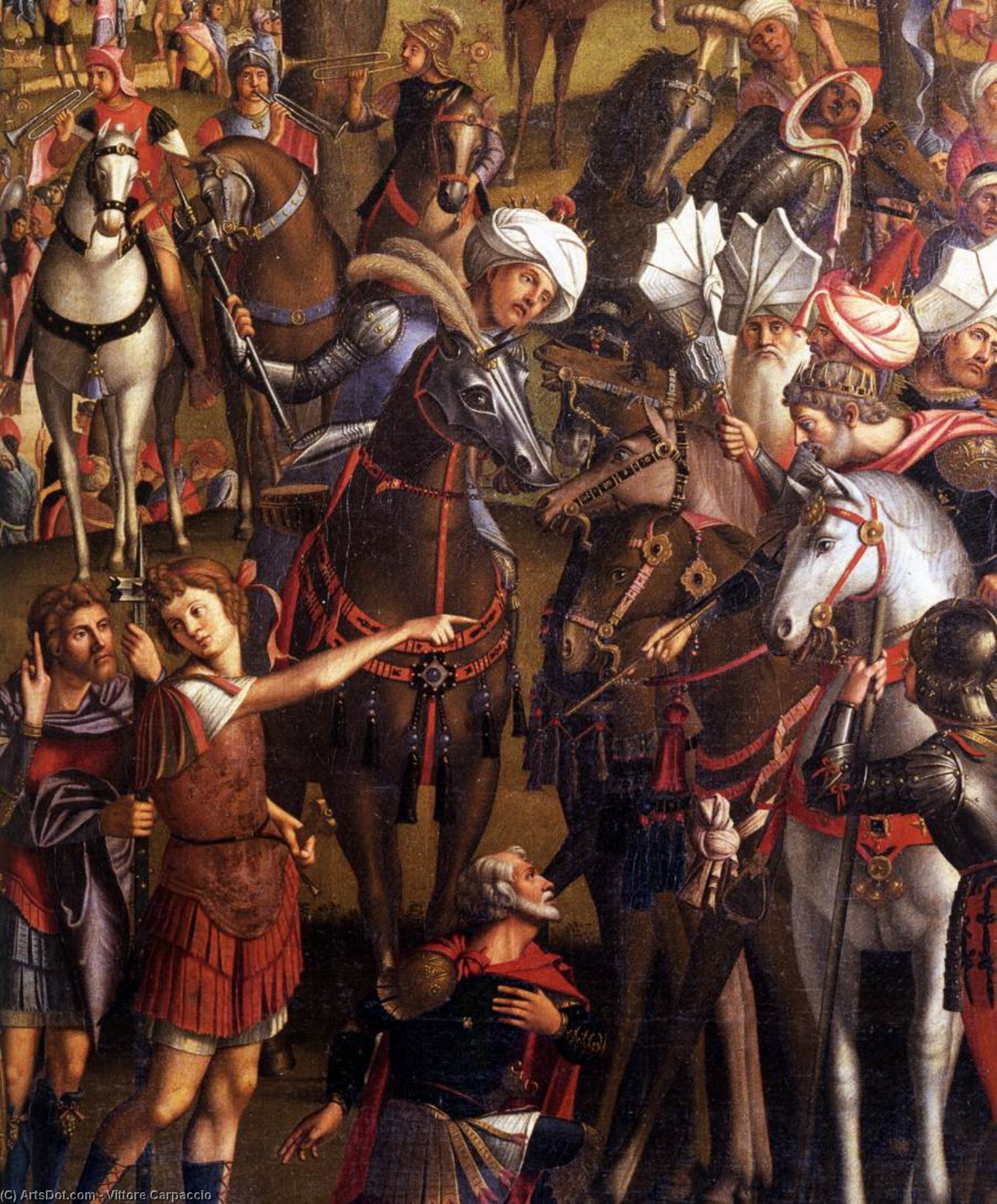
The Ten Thousand Martyrs on the Mount Ararat (detail)


 詳細を見る
詳細を見る
ジークレー/アートプリント
迅速な制作と多彩な仕上げオプションを備えた、ミュージアムクオリティのジークレーまたはキャンバスプリント。 ( 手描きの絵画を購入 画像を購入)




P118B $10

P118H $10

P118W $10

P438Z $10

P508JH $12

P508YH $12

P805H $10

P805Z $10

P919BZ $10

P919G $10

P919XJ $10

P959ZH $10

P968JZ $12

W106C $8

W218G $10

W218JH $8

W218Y $10

W307PJ $10

W316G $10

W316PJ $8

W316Y $10

W398PJ $8

W4111J $10

W500HY $15

W500JH $15

W692G $12

W849H $8

W940BG $15

W953PJ $8




作品のオリジナル比率に合わせた、当店の規定サイズからお選びください。

特定のフレームやスペースに合わせて、ご自身でサイズを指定することも可能です。選択されたサイズが元の画像の比率と一致しない場合、作品をトリミングするか、鏡面反射または単色での塗りつぶしによって画像を拡張いたします。制作を開始する前に、ご確認用のデジタルモックアップをお送りいたします。
画面上のプレビューには、実際のトリミングや拡張は反映されませんのでご注意ください。最終的な構図を正確に確認できるのは、モックアップのみとなります。
カスタムサイズも承っておりますが、元の比率を維持するためには、あらかじめ用意されたリストからサイズを選択することをお勧めいたします。


 ガラスオプションは、110cm未満のサイズでのみご利用いただけます。

The Ten Thousand Martyrs on the Mount Ararat (detail)
ジークレー/アートプリント
複製画のサイズ
-


合計金額
$ 62
A Dramatic Chronicle of Faith and Sacrifice
Vittore Carpaccio’s “The Ten Thousand Martyrs on the Mount Ararat” is not merely a painting; it's a visceral plunge into a medieval legend, rendered with the meticulous detail and profound emotional depth that defined the Venetian painter’s distinctive style. Completed around 1515, this monumental work—originally adorning an altarpiece in Venice—captures a pivotal moment from the story of Roman soldiers who, witnessing the brutal persecution of Christians, embraced faith and ultimately met their demise on the slopes of Mount Ararat. Carpaccio masterfully transforms a potentially dry historical narrative into a powerfully moving depiction of conversion, sacrifice, and divine grace.
The scene unfolds with arresting clarity. A vast throng of soldiers, clad in the garb of Roman legionaries, are depicted in various stages of their transformation – some kneeling in supplication, others raising their arms towards the heavens, while a few are already being crucified. The composition is remarkably dynamic, eschewing the static formality often associated with earlier Venetian painting. Carpaccio employs a technique that blends elements of late Gothic and Early Netherlandish art, evident in his careful rendering of architectural details – the rugged terrain of Mount Ararat dominates the background—and his use of layered perspective to create a sense of depth and drama. The color palette is rich and earthy, dominated by ochres, browns, and deep reds, lending the scene an atmosphere of solemnity and intensity.
The Legend and its Venetian Echoes
The story behind “The Ten Thousand Martyrs” is rooted in a legend that gained traction during the late Middle Ages. It recounts how Emperor Decius ordered the execution of Christians, including ten thousand soldiers who had previously served in his army. However, these soldiers, witnessing the suffering of their fellow believers, underwent a profound spiritual awakening and converted to Christianity. They were subsequently crucified on Mount Ararat as a testament to their newfound faith. This narrative resonated deeply with contemporary audiences, serving as a potent symbol of personal transformation and unwavering devotion.
Carpaccio’s painting reflects the broader cultural context of 16th-century Venice—a city grappling with religious reform, political intrigue, and burgeoning artistic innovation. The legend of the Ten Thousand Martyrs provided fertile ground for exploring themes of faith, martyrdom, and the power of conversion – subjects that were particularly relevant to a society undergoing significant social and religious change. Interestingly, Carpaccio’s depiction draws parallels to Dante Alighieri's *Divine Comedy*, specifically the ascent to Mount Ararat, mirroring Dante’s own journey through Purgatory. The spiraling path leading towards the heavens suggests a process of purification and spiritual elevation.
Symbolism and Emotional Resonance
Beyond its narrative content, “The Ten Thousand Martyrs” is laden with symbolic meaning. The soldiers themselves represent humanity's capacity for redemption—a testament to the transformative power of faith. The crucifixion, a central motif in Christian iconography, symbolizes sacrifice and atonement for sins. The angel appearing in the background, offering guidance and reassurance, embodies divine grace and intervention. Carpaccio’s masterful use of light and shadow further enhances the emotional impact of the scene, creating a sense of drama and highlighting the figures' expressions of anguish, hope, and devotion.
Furthermore, the painting offers a glimpse into Venetian society at the time—a vibrant, cosmopolitan city with a deep appreciation for exotic cultures. The depiction of the soldiers as Moslems, complete with turbans and crescent-moon banners, reflects Venice’s extensive trade networks and its engagement with the wider world. Carpaccio's work is not simply a historical record; it’s a complex tapestry woven from religious belief, cultural exchange, and artistic innovation—a testament to the enduring power of storytelling through art.
A Timeless Masterpiece – Reproductions and Beyond
Reproductions of “The Ten Thousand Martyrs on the Mount Ararat” offer an exceptional opportunity to experience the grandeur and emotional depth of Carpaccio’s masterpiece. Whether adorning a grand salon or a more intimate space, this painting's dramatic composition and evocative imagery will undoubtedly captivate viewers for generations to come. Consider commissioning a hand-painted reproduction—a faithful recreation that captures the essence of Carpaccio’s original work, allowing you to bring this iconic Venetian scene into your own home.
関連作品
アーティストの略歴
初期の生涯と修行
ヴィットーレ・カルパッチョは、1465年頃にヴェネツィアで生まれた著名なイタリアの画家です。彼は、ヴェネツィア派の名匠であるジェンティレ・ベリーニのもとで学びました。この徒弟制度が、カルパッチョの将来の成功の礎を築いたのです。芸術様式と影響
カルパッチョの様式は、その保守的な性質によって特徴づけられ、彼が生きた時代にイタリア・ルネサンス絵画を変貌させた人文主義的な潮流の影響を最小限に留めていました。彼の作品には、アントネロ・ダ・メシーナの様式と初期フランドル絵画の影響が見られます。この独自の様式の融合が、ヴェネツィア絵画に特有のアプローチを生み出したのです。代表作
- 9枚からなる連作『聖ウルズラの伝説』は、カルパッチョの最も有名な作品です。このシリーズは現在アカデミア美術館に所蔵されており、物語絵画における彼の熟練の技を見せています。
- 『聖ウルズラの栄光の祭壇画』(1491年)は、ジョヴァンニ・ベリーニの様式を彷彿とさせる光と色彩を捉えるカルパッチョの技術を示しています。
- 『リアルト橋の十字架の遺物の奇跡』(1494年)は、構図と物語性を調和させるカルパッチョの能力を際立たせています。
キャリアのハイライトと遺産
- カルパッチョの主要な作品群は1490年から1519年の間に制作され、彼をヴェネツィア・ルネサンス初期の巨匠の一人に位置づけています。
- 『セレニテスを洗礼する聖ゲオルギウス』に見られるように、彼のオリエンタリズム的な様式は、レバント地方への新たな魅了を反映しています。
- カルパッチョの作品は、同時代のジョヴァンニ・ベリーニやジョルジョネといった画家と比較すると、やや見過ごされがちです。
参考文献とさらなる読書
ヴィットーレ・カルパッチョとヴェネツィア派のさらなる詳細をArtsDotで発見してください。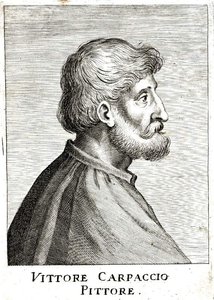
ヴィットーレ・カルパッチオ
1465 - 1526 , イタリア
基本情報
- Artistic Movement Or Style: 初期ヴェネツィア・ルネサンス
- Artists Or Movements Influenced By This Artist: ['初期ネーデルラント絵画']
- Artists Who Influenced This Artist:
- アントネロ・ダ・メッシーナ
- ジェンティレ・ベリーニ
- Date Of Birth: イタリア、ヴェネツィア(1465年頃)
- Date Of Death: 1526年
- Full Name: ヴィットーレ・カルパッチョ
- Nationality: イタリア人
- Notable Artworks:
- 聖ウルズラ伝説
- 聖ウルズラの栄光祭壇画
- リアルト橋の十字架の遺物の奇跡
- Place Of Birth: ヴェネツィア
関連記事
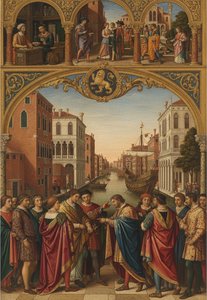
Vittore Carpaccio: Venetian Renaissance Narrative & the Poetics of Detail
Explore the captivating world of Vittore Carpaccio, a master storyteller of the Venetian Renaissance. Discover his intricate details, narrative cycles like 'The Legend of St. Ursula,' and unique artistic style.

葛飾北斎:25の傑作が語る浮世絵の世界 - ArtsDot
葛飾北斎の25選:『神奈川沖浪裏』や『富嶽三十六景』など、浮世絵の世界を深く探求。木版画の技法と日本美術の美をArtsDotで。高品質なアートプリントで空間に感動を。コレクションはこちら。

ArtsDot.com F.A.Q.: 美術投資を格上げする – 鑑識眼のあるコレクターのための額装とマウント
ArtsDot.comのF.A.Q.では、美術投資における額装とマウントの重要性を解説。鑑識眼のあるコレクター向けに、作品価値を高め、最適な展示を実現するための専門知識を提供します。高品質な複製画、カスタムポートレート、アートコンサルティングも。

幾何学的抽象絵画を定義した傑作10選|アート、アーティスト、インテリア装飾
モンドリアン、マレーヴィチ…幾何学的抽象絵画を代表する傑作10選。各作品の背景や色彩構成、アーティストの情熱に迫ります。美術館品質の複製画はArtsDot.comで。オンラインでアートコレクションをご覧ください。

Romantic Realism's Finest: 10 Masterpieces for Your Home | ArtsDot
Explore 10 defining masterpieces of Romantic Realism! Discover Courbet, Millet & Daumier's powerful paintings—capturing emotion and social realities. Find museum-quality reproductions for your home at ArtsDot.com.