

 プレビュー
プレビュー
 シェアする
シェアする シェアする
シェアする
 詳細を見る
詳細を見る

 ダウンロード
 似ている作品
 X線調査
X線調査 スライドショー
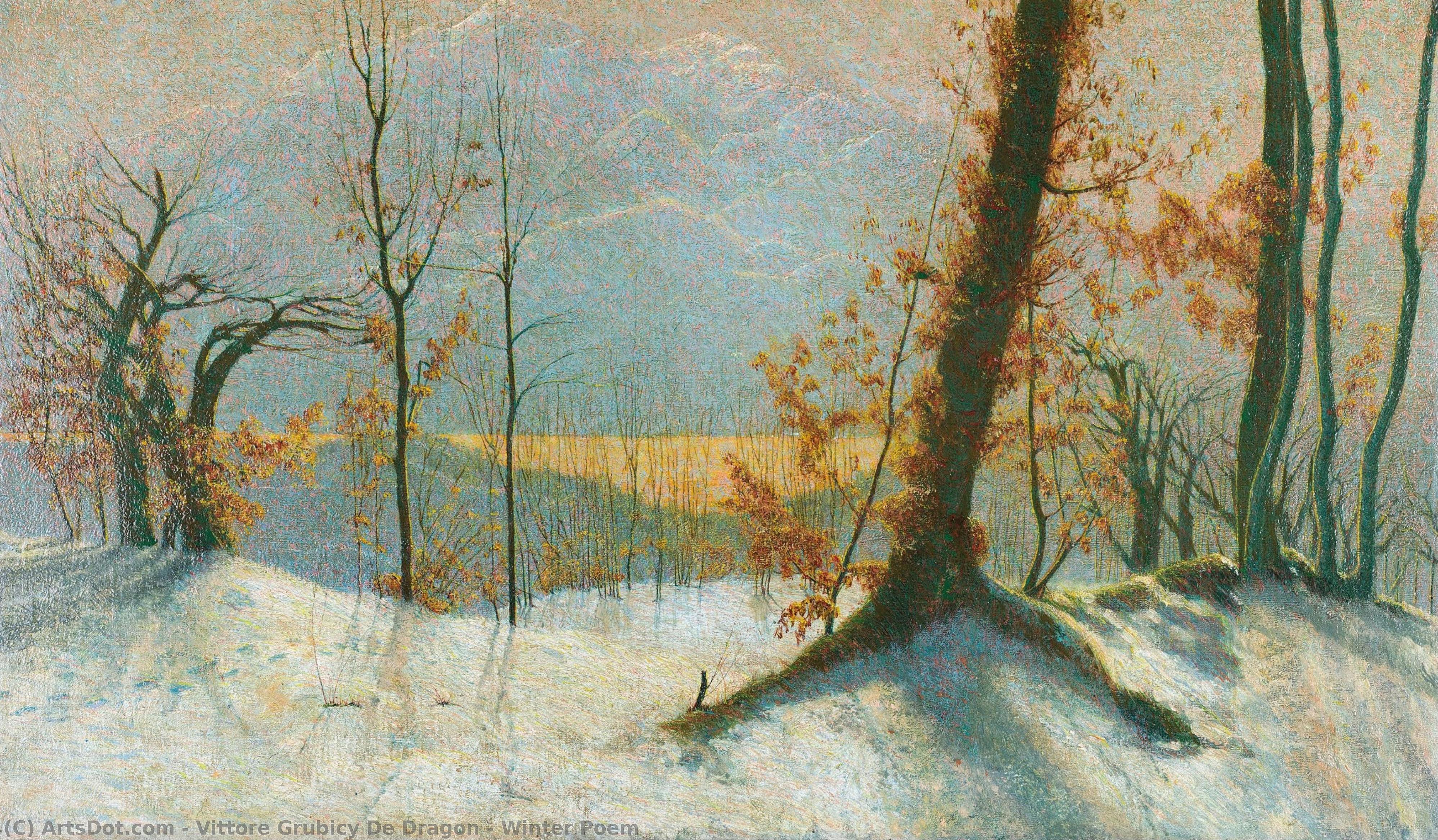
Winter Poem
 Oil On Canvas
- WallArt
- Divisionism
 19th Century
 5.0 x 58.0 cm
 ミラノ近代美術館
 詳細を見る
詳細を見る
ジークレー/アートプリント
迅速な制作と多彩な仕上げオプションを備えた、ミュージアムクオリティのジークレーまたはキャンバスプリント。 ( 手描きの絵画を購入 画像を購入)




P118B $10

P118H $10

P118W $10

P438Z $10

P508JH $12

P508YH $12

P805H $10

P805Z $10

P919BZ $10

P919G $10

P919XJ $10

P959ZH $10

P968JZ $12

W106C $8

W218G $10

W218JH $8

W218Y $10

W307PJ $10

W316G $10

W316PJ $8

W316Y $10

W398PJ $8

W4111J $10

W500HY $15

W500JH $15

W692G $12

W849H $8

W940BG $15

W953PJ $8




作品のオリジナル比率に合わせた、当店の規定サイズからお選びください。

特定のフレームやスペースに合わせて、ご自身でサイズを指定することも可能です。選択されたサイズが元の画像の比率と一致しない場合、作品をトリミングするか、鏡面反射または単色での塗りつぶしによって画像を拡張いたします。制作を開始する前に、ご確認用のデジタルモックアップをお送りいたします。
画面上のプレビューには、実際のトリミングや拡張は反映されませんのでご注意ください。最終的な構図を正確に確認できるのは、モックアップのみとなります。
カスタムサイズも承っておりますが、元の比率を維持するためには、あらかじめ用意されたリストからサイズを選択することをお勧めいたします。


 ガラスオプションは、110cm未満のサイズでのみご利用いただけます。

Winter Poem
ジークレー/アートプリント
複製画のサイズ
-


合計金額
$ 62
A Silent Symphony in Snow: The Ethereal World of Winter Poem
In the quietude of a frozen landscape, where the breath of winter settles upon the earth, lies the profound beauty of Vittore Grubicy de Dragon’s Winter Poem. This exquisite series of eight canvases, conceived between 1894 and 1911 in the serene lakeside village of Miazzina, serves as a masterclass in the delicate interplay between nature and emotion. The work captures a moment of profound stillness, presenting a winter scene where skeletal trees, stripped of their summer foliage, stand as silent sentinels against a backdrop of majestic, snow-dusted mountain ranges. It is not merely a depiction of a cold season, but a poetic meditation on the purity and solitude that only a landscape blanketed in white can evoke.
The technical brilliance of this piece lies in Grubicy’s mastery of light and atmosphere, deeply rooted in his role as a pioneer of Divisionism. Through a refined application of color and texture, the artist manages to breathe life into an otherwise barren environment. While the landscape appears desolate at first glance, a closer inspection reveals a hidden vitality: small birds are scattered throughout the composition, their presence adding rhythmic movement to the frozen air, while a solitary dog in the foreground suggests a quiet companionship navigating the wintry path. This subtle infusion of life prevents the scene from feeling lifeless, instead imbuing it with a sense of warmth and enduring spirit that resonates deeply with the viewer.
For the discerning collector or interior designer, Winter Poem offers more than just aesthetic appeal; it provides an emotional anchor for any sophisticated space. The panoramic format—stretching across a unique 5 x 58 cm dimension—creates a cinematic window into another realm, making it an ideal centerpiece for a gallery wall or a focal point in a minimalist setting. The cool palette of whites, greys, and muted earth tones brings a sense of tranquility and contemplative calm to a room, perfect for creating an atmosphere of luxury and peace. Owning a high-quality reproduction of this work means bringing home a piece of Italian art history, a fragment of the Scapigliatura movement’s soul, and a timeless tribute to the quiet majesty of the natural world.
関連作品
アーティストの略歴
The Visionary Architect of Light and Color
Born into the vibrant, cultured atmosphere of Milan in 1851, Vittore Grubicy de Dragon was far more than a mere painter; he was a profound catalyst for change within the Italian art world. Raised in a wealthy family where art was an essential element of daily life, his early years were steeped in the humanistic traditions that would later inform his critical intellect. Following the passing of his father in 1870, Grubicy found himself drawn into the bohemian orbit of the Scapigliatura, a movement of Milanese artists and poets dedicated to blurring the boundaries between art and existence. This period of intense cultural immersion laid the groundwork for his dual legacy as both a creator of evocative imagery and a formidable tastemaker who would reshape the trajectory of late 19th-century Italian painting.
His entrepreneurial spirit led him to establish the Galleria Fratelli Grubicy alongside his brother, Alberto. This institution was revolutionary, operating on an early modern concept of representing living artists as dedicated clients. While his brother managed the financial intricacies, Vittore acted as a wandering scout for the new, traversing the great art capitals of Europe—from London and Paris to Antwerp—to identify emerging trends. Initially, the gallery championed the soft, atmospheric aesthetics of the Scapigliatura masters like Tranquillo Cremona and Daniele Ranzoni, but Grubicy’s true genius lay in his ability to recognize the potential of a burgeoning movement that would eventually define an era.
The Dawn of Divisionism
Between 1882 and 1885, Grubicy’s travels took him to the Netherlands, where he encountered the Hague School. It was here that his encounter with Anton Mauve proved transformative; Mauve became a mentor who materially directed his approach to the brush. This European exposure, combined with an interest in the optical theories of color, allowed Grubacy to bridge the gap between international trends and Italian sensibilities. Upon his return to Italy, he began to champion Divisionism, a technique characterized by the separation of colors into individual dots or strokes that the eye then blends optically. He did not merely promote this style; he became its theoretical guide, translating complex scientific theories of light into an emotional language for painters.
Grubicy’s influence was instrumental in the careers of some of Italy's most celebrated artists. He possessed a rare, prophetic ability to recognize talent, securing contracts for masters such as:
- Giovanni Segantini, whose monumental landscapes became synonymous with the movement;
- Emilio Longoni, who brought a profound sense of realism to the divisionist technique;
- Angelo Morbelli, whose delicate touch captured the quietude of contemporary life.
Through his writings and his gallery, he convinced these artists to embrace light not just as a physical phenomenon, but as an emotional force. He famously pushed Segantini to refine his approach, ensuring that the movement possessed both technical rigor and symbolic depth.
A Legacy of Light and Symbolism
As his career progressed, Grubicy’s own painting practice became an extension of his critical theories. His work often reflected a deep connection to the landscapes of Lake Como, particularly around Lierna, where he frequently worked en plein air. In these works, one can observe the marriage of Divisionist precision with a Symbolist soul. His canvases often evoke a sense of melancholy or spiritual transcendence, using muted tones and textured impasto to create atmospheres that feel both tangible and dreamlike. Whether capturing the quietude of an evening landscape or the rugged majesty of mountain scenes, his brushwork sought to capture the very essence of luminosity.
The historical significance of Vittore Grubicy de Dragon cannot be overstated. He was the bridge between the old world of romanticism and the new era of modern optical science. By integrating the influences of the Hague School and even the burgeoning energy of Van Gogh into the Italian context, he ensured that Italian art remained at the forefront of European innovation. Though his life ended in 1920, his impact remains etched in the vibrant, fractured light of every Divisionist masterpiece, a testament to a man who saw the world not just as it appeared, but as it felt through the prism of color.
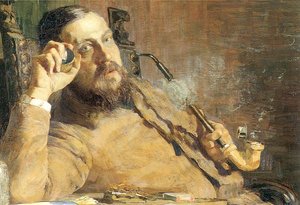
vittore grubicy de dragon
1851 - 1920
基本情報
- Artistic Movement Or Style: Divisionism, Symbolism
- Artists Or Movements Influenced By This Artist:
- Giovanni Segantini
- Emilio Longoni
- Artists Who Influenced This Artist:
- Anton Mauve
- Vincent van Gogh
- Date Of Birth: October 15, 1851
- Date Of Death: August 4, 1920
- Full Name: Vittore Grubicy de Dragon
- Nationality: Italian
- Notable Artworks: ['Evening']
- Place Of Birth: Milan, Italy
関連記事

ロマン派ランドスケープ:時代を彩る巨匠の10選|アートとインテリアの世界
ロマン派絵画の時代を彩る10選。巨匠たちの風景が織りなす感動の世界へ。ターナー、ルーベンスなど、名作の裏話と高精細複製でアートをお部屋に。ArtsDot.comで至福のアート体験を。
Arboreal Echoes: A Historical & Artistic Exploration of Trees in Painting
Explore the rich history of trees in painting! Discover symbolism, Romantic masterpieces by Caspar David Friedrich & beyond. A curated journey for art enthusiasts.

ジョン・コンスタブルの傑作25選:英国風景画の巨匠が描く自然と光の詩 | ArtsDot
ジョン・コンスタブルの傑作25選。英国風景画の巨匠が描く自然と光の詩の世界へ。ロマン主義を代表する絵画、デダム・ヴェールやヘイ・ウェインなど、ArtsDotで高品質なアートプリントをお楽しみください。インテリアに深みと感動を。コレクションはこちら。
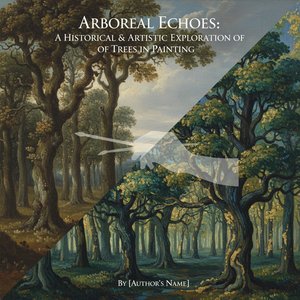
Arboreal Echoes: A Historical & Artistic Exploration of Trees in Painting
Explore the rich history of trees in painting! Discover symbolism, Romantic masterpieces by Caspar David Friedrich & beyond. A curated journey for art enthusiasts.

Evocations of Place: A Historical Journey Through Landscape Art
Explore the rich history of landscape art with ArtsDot. Discover renowned artists, movements like Impressionism & Romanticism, and expert guidance for collecting timeless pieces. Find your perfect serene escape today!