

 プレビュー
プレビュー
 プリントを購入
 シェアする
シェアする シェアする
シェアする
 詳細を見る
詳細を見る

 ダウンロード
 似ている作品
 X線調査
X線調査 スライドショー
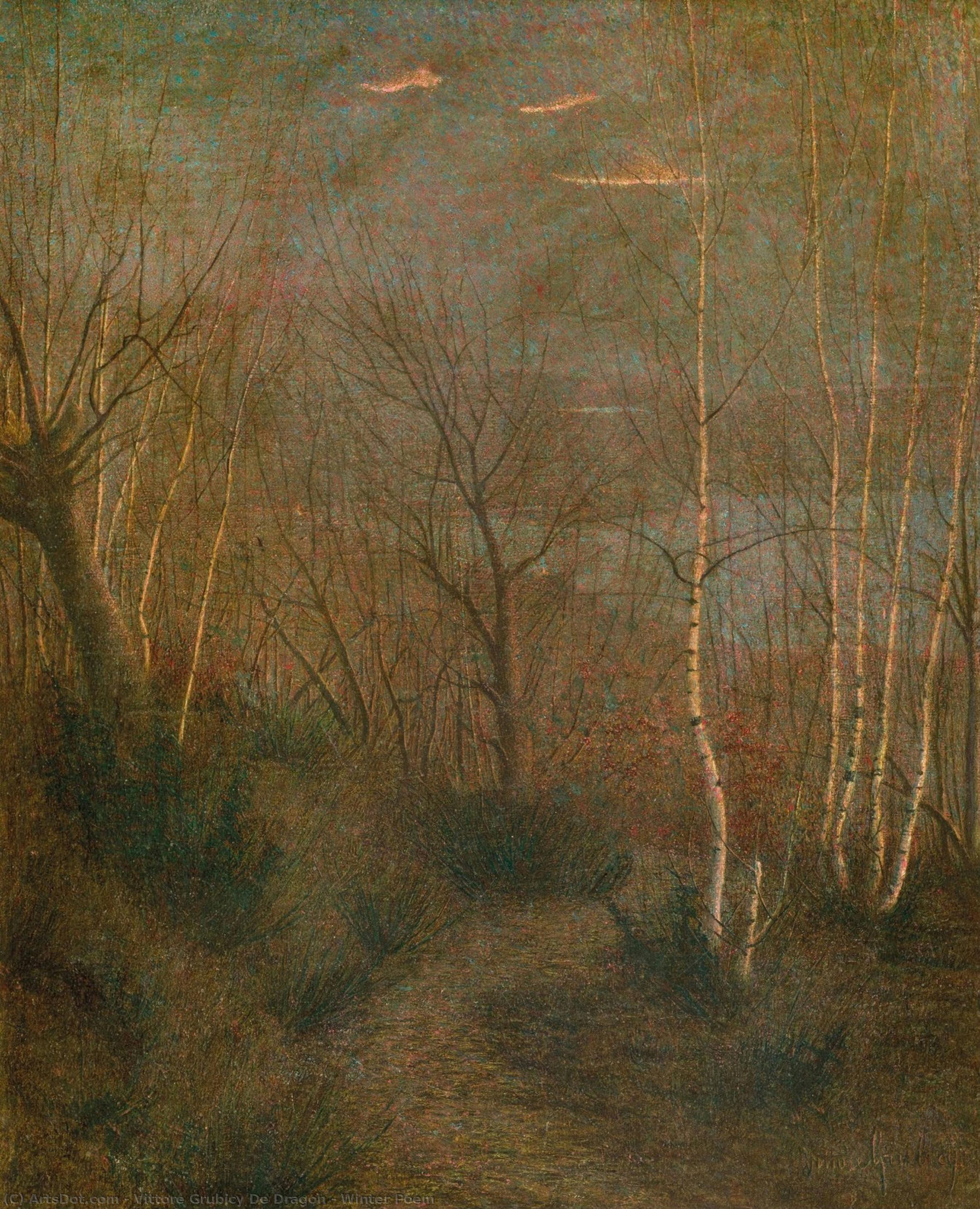
Winter Poem
 Oil On Canvas
- WallArt
- Divisionism
 19th Century
 5.0 x 66.0 cm
 ミラノ近代美術館
 詳細を見る
詳細を見る
オンラインプレビューをはるかに凌ぐ、高解像度で鮮明なデジタル画像をご購入いただけます。
各ファイルは、社内の専門家が高度なツールと熟練した手作業によるレタッチを用いて、細心の注意を払って準備されています。すべての画像において、卓越した鮮明度、正確な色彩再現性、そして繊細なディテールを保証いたします。
最終ファイルは、プロフェッショナルな編集・印刷環境ですぐにご利用いただけるよう最適化された状態で、72時間以内にメールにてお届けいたします。これは、一流のデザインスタジオ、出版社、ギャラリーから信頼されているものと同等の品質です。
デジタル画像のご注文に付随する特典
高品質なデジタル画像配信を、確かな品質で。
ArtsDot.com を選ぶことは、単に画像を手に入れることではありません。それは、プロの手によって精密に仕上げられ、満足保証が付いた高品質なデジタルアートワークを受け取ることを意味します。ご注文いただいた際に自動的に付随する内容は、以下の通りです:

メールですぐにお届け
ご注文から72時間以内に、高解像度のデジタル画像ファイルがメールでお手元に届きます。すぐにそのままご利用いただけます。

AI技術で最適化されたデジタルファイル
お客様の作品は、高度なAIツールと専門家による手作業の編集を組み合わせてプロフェッショナルに最適化されており、細部のディテール、鮮明さ、そして正確な色再現性を最大限に引き出しています。

一生涯無料の再送サービス
ファイルを誤って削除したり、紛失してしまったりしましたか?ご安心ください。いつでも無料で再送いたします。

輸入手数料は一切かかりません
関税や手数料、配送料を気にすることなく、お気に入りのアートワークをすぐにお楽しみいただけます。デジタルダウンロードは常に免税です。

色彩再現の保証
プロ仕様のツールとカラーマネジメント技術を用いることで、デジタル画像が元の色を最大限に忠実に再現することを保証いたします。

100日間満足保証
ご購入いただいたデジタル画像にご満足いただけない場合は、100日以内であれば、修正または100%の返金(理由を問う必要はありません)をさせていただきます。

100% 返金保証
ご満足いただけない場合は、デジタルファイルを受け取ってから100日以内であれば、理由を問わず全額返金いたします。

まとめ買い割引
3枚購入で10%OFF - 5枚購入で15%OFF - 10枚以上購入で20%OFF。クリエイティブなプロジェクト、ギャラリー、エージェンシーに最適です。
A Silent Symphony of Frost and Light
In the quietude of a winter landscape, where the breath of nature seems to hold its stillness, Vittore Grubicy de Dragon captures a moment of profound serenity in his evocative work, Winter Poem. This delicate composition, painted across a series of canvases between 1894 and 1911, serves as a masterful meditation on the ephemeral beauty of the colder months. Set within the tranquil lakeside atmosphere of Miazzina, near Verbania, the painting invites the viewer into a world where the skeletal silhouettes of leafless trees reach toward a pale, expansive sky. The absence of foliage does not signal death, but rather a rhythmic pause in the cycle of life, allowing the structural elegance of the branches to become a focal point of the visual poetry.
The scene is far from desolate; instead, it is imbued with a subtle, pulsing vitality. As the eye wanders through the wintry expanse, one discovers the graceful movement of birds navigating the crisp air, their flight adding a layer of dynamic energy to the otherwise motionless landscape. The inclusion of a solitary dog adds a touch of domestic warmth and narrative depth, grounding the ethereal atmosphere in a relatable, earthly reality. This interplay between the vast, silent sky and the small, living elements creates a sense of harmony that is both captivating and deeply restorative for the soul.
The Mastery of Divisionist Light
As a pivotal figure in the Italian Divisionism movement, Grubicy de Dragon utilized light not merely as an illumination of form, but as the very substance of emotion. In Winter Poem, his technique transcends simple representation to achieve a luminous, atmospheric effect. Through the meticulous application of color and the separation of tones, he captures the specific, biting clarity of winter light—a light that feels both cold to the touch and spiritually radiant. The way the sky interacts with the dark, intricate patterns of the foreground trees demonstrates his profound understanding of optical theory, where colors are meant to blend within the viewer's eye rather than on the palette.
For the discerning collector or interior designer, this piece offers more than just a window into the past; it provides a sophisticated focal point for modern spaces. The subtle textures and the nuanced palette of muted tones allow the artwork to integrate seamlessly into refined, contemporary interiors, offering a sense of calm and intellectual depth. Whether placed in a sunlit gallery or a cozy, private study, Winter Poem acts as an anchor of tranquility, reminding us of the quiet majesty found in nature's most dormant seasons.
関連作品
作家の略歴
The Visionary Architect of Light and Color
Born into the vibrant, cultured atmosphere of Milan in 1851, Vittore Grubicy de Dragon was far more than a mere painter; he was a profound catalyst for change within the Italian art world. Raised in a wealthy family where art was an essential element of daily life, his early years were steeped in the humanistic traditions that would later inform his critical intellect. Following the passing of his father in 1870, Grubicy found himself drawn into the bohemian orbit of the Scapigliatura, a movement of Milanese artists and poets dedicated to blurring the boundaries between art and existence. This period of intense cultural immersion laid the groundwork for his dual legacy as both a creator of evocative imagery and a formidable tastemaker who would reshape the trajectory of late 19th-century Italian painting.
His entrepreneurial spirit led him to establish the Galleria Fratelli Grubicy alongside his brother, Alberto. This institution was revolutionary, operating on an early modern concept of representing living artists as dedicated clients. While his brother managed the financial intricacies, Vittore acted as a wandering scout for the new, traversing the great art capitals of Europe—from London and Paris to Antwerp—to identify emerging trends. Initially, the gallery championed the soft, atmospheric aesthetics of the Scapigliatura masters like Tranquillo Cremona and Daniele Ranzoni, but Grubicy’s true genius lay in his ability to recognize the potential of a burgeoning movement that would eventually define an era.
The Dawn of Divisionism
Between 1882 and 1885, Grubicy’s travels took him to the Netherlands, where he encountered the Hague School. It was here that his encounter with Anton Mauve proved transformative; Mauve became a mentor who materially directed his approach to the brush. This European exposure, combined with an interest in the optical theories of color, allowed Grubacy to bridge the gap between international trends and Italian sensibilities. Upon his return to Italy, he began to champion Divisionism, a technique characterized by the separation of colors into individual dots or strokes that the eye then blends optically. He did not merely promote this style; he became its theoretical guide, translating complex scientific theories of light into an emotional language for painters.
Grubicy’s influence was instrumental in the careers of some of Italy's most celebrated artists. He possessed a rare, prophetic ability to recognize talent, securing contracts for masters such as:
- Giovanni Segantini, whose monumental landscapes became synonymous with the movement;
- Emilio Longoni, who brought a profound sense of realism to the divisionist technique;
- Angelo Morbelli, whose delicate touch captured the quietude of contemporary life.
Through his writings and his gallery, he convinced these artists to embrace light not just as a physical phenomenon, but as an emotional force. He famously pushed Segantini to refine his approach, ensuring that the movement possessed both technical rigor and symbolic depth.
A Legacy of Light and Symbolism
As his career progressed, Grubicy’s own painting practice became an extension of his critical theories. His work often reflected a deep connection to the landscapes of Lake Como, particularly around Lierna, where he frequently worked en plein air. In these works, one can observe the marriage of Divisionist precision with a Symbolist soul. His canvases often evoke a sense of melancholy or spiritual transcendence, using muted tones and textured impasto to create atmospheres that feel both tangible and dreamlike. Whether capturing the quietude of an evening landscape or the rugged majesty of mountain scenes, his brushwork sought to capture the very essence of luminosity.
The historical significance of Vittore Grubicy de Dragon cannot be overstated. He was the bridge between the old world of romanticism and the new era of modern optical science. By integrating the influences of the Hague School and even the burgeoning energy of Van Gogh into the Italian context, he ensured that Italian art remained at the forefront of European innovation. Though his life ended in 1920, his impact remains etched in the vibrant, fractured light of every Divisionist masterpiece, a testament to a man who saw the world not just as it appeared, but as it felt through the prism of color.
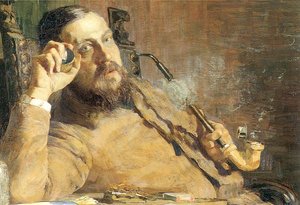
vittore grubicy de dragon
1851 - 1920
プロフィール概要
- Artistic Movement Or Style: Divisionism, Symbolism
- Artists Or Movements Influenced By This Artist:
- Giovanni Segantini
- Emilio Longoni
- Artists Who Influenced This Artist:
- Anton Mauve
- Vincent van Gogh
- Date Of Birth: October 15, 1851
- Date Of Death: August 4, 1920
- Full Name: Vittore Grubicy de Dragon
- Nationality: Italian
- Notable Artworks: ['Evening']
- Place Of Birth: Milan, Italy