

 プレビュー
プレビュー
 プリントを購入
 シェアする
シェアする シェアする
シェアする
 詳細を見る
詳細を見る

 ダウンロード
 似ている作品
 X線調査
X線調査 スライドショー
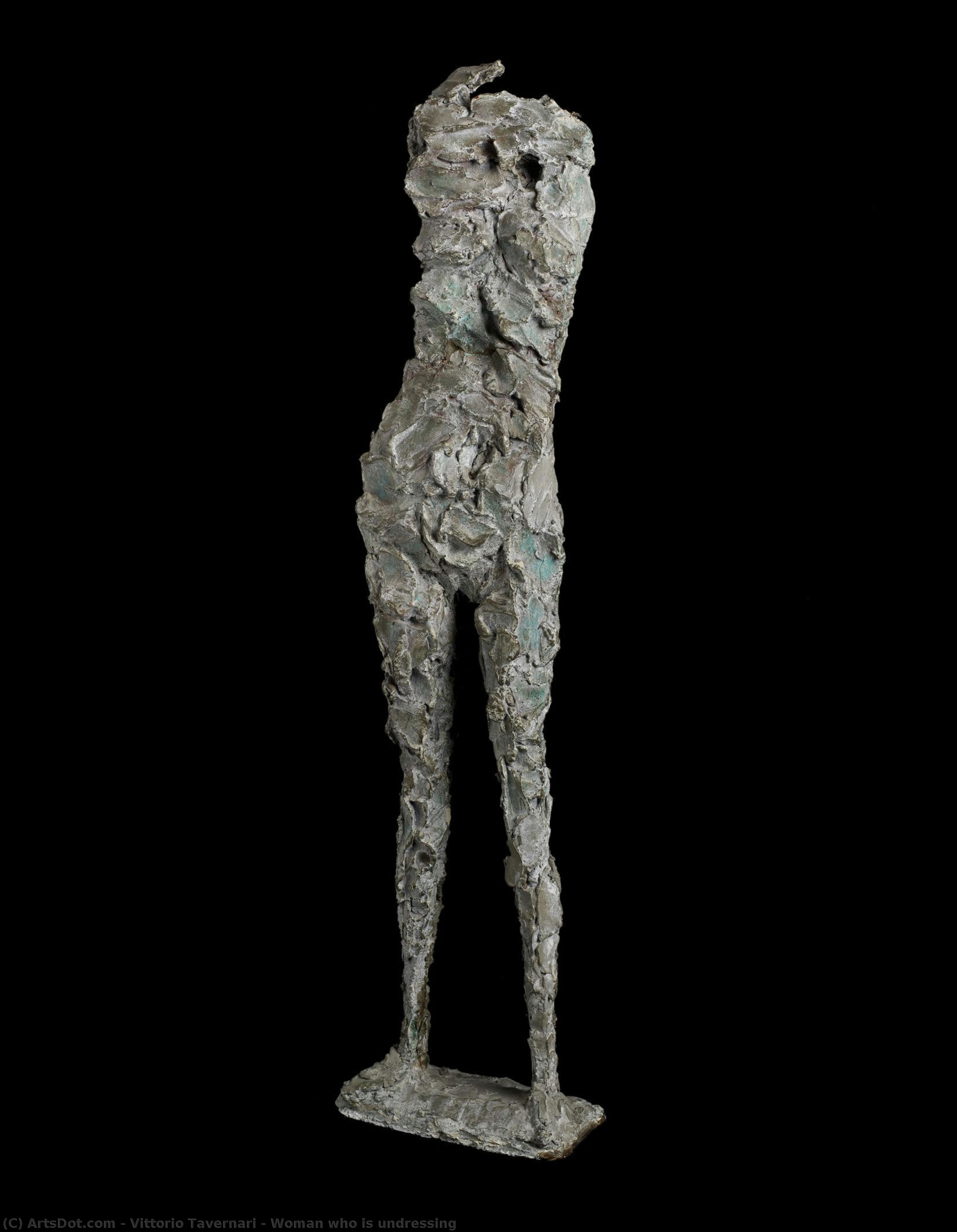
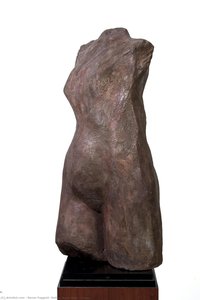
Woman who is undressing
 Contemporary Sculpture
 20.0 x 80.0 cm
 MAGA - Museo Arte Gallarate
 詳細を見る
詳細を見る
オンラインプレビューをはるかに凌ぐ、高解像度で鮮明なデジタル画像をご購入いただけます。
各ファイルは、社内の専門家が高度なツールと熟練した手作業によるレタッチを用いて、細心の注意を払って準備されています。すべての画像において、卓越した鮮明度、正確な色彩再現性、そして繊細なディテールを保証いたします。
最終ファイルは、プロフェッショナルな編集・印刷環境ですぐにご利用いただけるよう最適化された状態で、72時間以内にメールにてお届けいたします。これは、一流のデザインスタジオ、出版社、ギャラリーから信頼されているものと同等の品質です。
デジタル画像のご注文に付随する特典
高品質なデジタル画像配信を、確かな品質で。
ArtsDot.com を選ぶことは、単に画像を手に入れることではありません。それは、プロの手によって精密に仕上げられ、満足保証が付いた高品質なデジタルアートワークを受け取ることを意味します。ご注文いただいた際に自動的に付随する内容は、以下の通りです:

メールですぐにお届け
ご注文から72時間以内に、高解像度のデジタル画像ファイルがメールでお手元に届きます。すぐにそのままご利用いただけます。

AI技術で最適化されたデジタルファイル
お客様の作品は、高度なAIツールと専門家による手作業の編集を組み合わせてプロフェッショナルに最適化されており、細部のディテール、鮮明さ、そして正確な色再現性を最大限に引き出しています。

一生涯無料の再送サービス
ファイルを誤って削除したり、紛失してしまったりしましたか?ご安心ください。いつでも無料で再送いたします。

輸入手数料は一切かかりません
関税や手数料、配送料を気にすることなく、お気に入りのアートワークをすぐにお楽しみいただけます。デジタルダウンロードは常に免税です。

色彩再現の保証
プロ仕様のツールとカラーマネジメント技術を用いることで、デジタル画像が元の色を最大限に忠実に再現することを保証いたします。

100日間満足保証
ご購入いただいたデジタル画像にご満足いただけない場合は、100日以内であれば、修正または100%の返金(理由を問う必要はありません)をさせていただきます。

100% 返金保証
ご満足いただけない場合は、デジタルファイルを受け取ってから100日以内であれば、理由を問わず全額返金いたします。

まとめ買い割引
3枚購入で10%OFF - 5枚購入で15%OFF - 10枚以上購入で20%OFF。クリエイティブなプロジェクト、ギャラリー、エージェンシーに最適です。
関連作品

作家の略歴
A Sculptor of the Human Condition: The Life and Art of Vittorio Tavernari
Vittorio Tavernari, born in Milan in 1919, emerged as a significant voice within the Italian artistic landscape of the post-World War II era. His journey began with formal training at the Scuola del Marmo from 1935 to 1938, an institution dedicated to the art of sculpting—a foundation that would profoundly shape his aesthetic and technical approach. However, Tavernari’s work wasn't merely a continuation of traditional sculptural practices; it was a deliberate response to the trauma and upheaval of the war years, a search for meaning and authenticity in a world irrevocably altered. He became a central figure in the Realism movement, not as a simple imitation of life but as an exploration of its raw emotional core and contemporary realities.The Manifesto del Realismo and Early Artistic Development
Tavernari’s artistic identity solidified with his participation in the *Oltre Guernica. Il Manifesto del Realismo* (Beyond Guernica: The Realism Manifesto) published in 1946 by the journal *Argine Numero*. This pivotal moment saw ten artists, including Tavernari and Giovanni Testori, articulate a commitment to representing “the total reality of mankind, in a given place and time.” The manifesto wasn’t simply a stylistic declaration; it was an ethical stance—a rejection of escapism and a call for art that engaged directly with the present. This period saw Tavernari experimenting with various materials – wood, bronze, cement, and marble – each lending itself to different expressive possibilities. His early sculptures often focused on the human figure, particularly torsos, stripped down to their essential forms. These weren’t idealized representations but rather studies of vulnerability, resilience, and the weight of existence. The plaster sculpture from 1943, a precursor to later castings, exemplifies this nascent exploration of the female form in torsion, revealing a modeling process that predates his most recognized works.Exploring Form and Emotion: A Sculptural Language
The years following the manifesto were crucial for Tavernari’s stylistic evolution. His sculptures from 1944-1947 demonstrate a shift from detailed figuration towards simplification of forms, imbued with a primitive and archaic quality. Works like *Maternità* (Maternity, 1944) showcase essential strokes delineating volumes, conveying a sense of ancestral power and quiet strength. *Donna che si sveste* (Woman Undressing, 1945), a captivating black & white sculpture, exemplifies his ability to capture intimate moments with profound sensitivity. These sculptures weren’t merely representations of the human body; they were explorations of inner states—of longing, vulnerability, and the complexities of identity. Tavernari's commitment to realism wasn't about photographic accuracy but about conveying emotional truth through form and texture. He sought a language that transcended superficial appearances, delving into the psychological depths of his subjects.Recognition and Legacy: From Peggy Guggenheim to MOMA
Tavernari’s dedication to his artistic vision didn’t go unnoticed. His work was exhibited at prestigious institutions like the Peggy Guggenheim Collection in Venice, solidifying his position within the international art world. Further recognition came with exhibitions at the Museum of Modern Art (MOMA) in New York City, bringing his sculptures to a wider audience and establishing him as a leading figure in post-war Italian art. While biographical details remain somewhat scarce—compilation is ongoing according to askART—the impact of his work is undeniable. Tavernari’s sculptures continue to resonate with viewers today, offering a powerful testament to the enduring human spirit and the transformative power of art. His exploration of form, emotion, and the complexities of contemporary life ensures his place as a significant contributor to 20th-century sculpture.The Enduring Relevance of a Realist Vision
Vittorio Tavernari’s legacy extends beyond specific artworks or institutional accolades. He represents a generation of artists grappling with the aftermath of war, seeking new ways to express the realities of their time. His commitment to realism—not as a mere style but as an ethical imperative—remains profoundly relevant in a world often saturated with superficiality and abstraction. His sculptures are not simply objects to be admired; they are invitations to contemplate the human condition, to confront our own vulnerabilities, and to recognize the shared experiences that bind us together. The enduring power of Tavernari’s work lies in its ability to connect with viewers on a deeply emotional level, reminding us of the beauty, fragility, and resilience of the human spirit.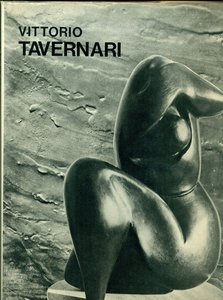
vittorio tavernari
1919 - , Italy
プロフィール概要
- Artistic Movement Or Style: Realism
- Date Of Birth: 1919
- Full Name: Vittorio Tavernari
- Nationality: Italian
- Notable Artworks: ['Woman who is undressing']
- Place Of Birth: Milan, Italy