

 プレビュー
プレビュー
 プリントを購入
 シェアする
シェアする シェアする
シェアする
 詳細を見る
詳細を見る

 ダウンロード
 似ている作品
 X線調査
X線調査 スライドショー
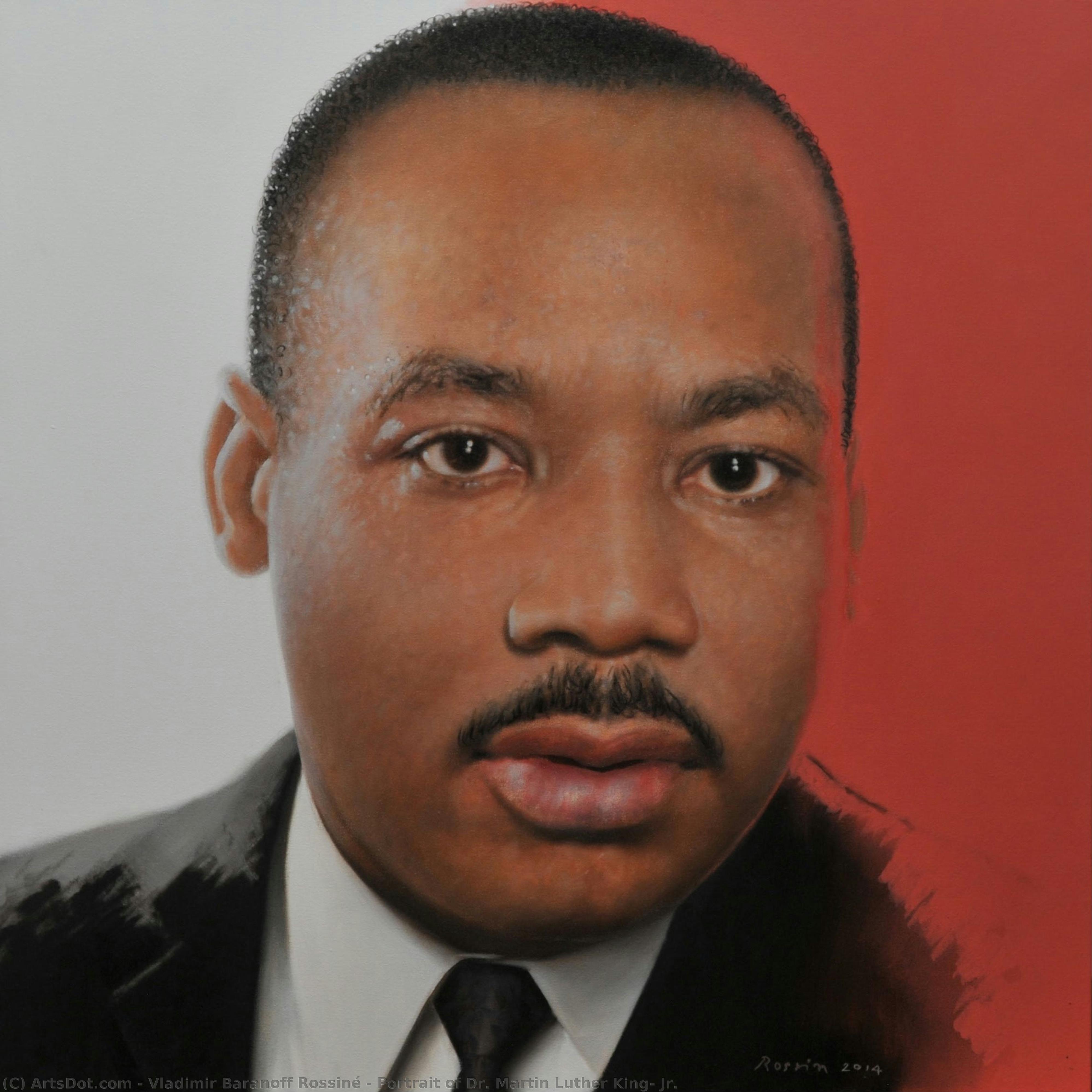
Portrait of Dr. Martin Luther King, Jr.
 Oil On Canvas
- WallArt
- Contemporary Realism
 2014
2014- Contemporary
 National Center for Civil and Human Rights
 詳細を見る
詳細を見る
オンラインプレビューをはるかに凌ぐ、高解像度で鮮明なデジタル画像をご購入いただけます。
各ファイルは、社内の専門家が高度なツールと熟練した手作業によるレタッチを用いて、細心の注意を払って準備されています。すべての画像において、卓越した鮮明度、正確な色彩再現性、そして繊細なディテールを保証いたします。
最終ファイルは、プロフェッショナルな編集・印刷環境ですぐにご利用いただけるよう最適化された状態で、72時間以内にメールにてお届けいたします。これは、一流のデザインスタジオ、出版社、ギャラリーから信頼されているものと同等の品質です。
デジタル画像のご注文に付随する特典
高品質なデジタル画像配信を、確かな品質で。
ArtsDot.com を選ぶことは、単に画像を手に入れることではありません。それは、プロの手によって精密に仕上げられ、満足保証が付いた高品質なデジタルアートワークを受け取ることを意味します。ご注文いただいた際に自動的に付随する内容は、以下の通りです:

メールですぐにお届け
ご注文から72時間以内に、高解像度のデジタル画像ファイルがメールでお手元に届きます。すぐにそのままご利用いただけます。

AI技術で最適化されたデジタルファイル
お客様の作品は、高度なAIツールと専門家による手作業の編集を組み合わせてプロフェッショナルに最適化されており、細部のディテール、鮮明さ、そして正確な色再現性を最大限に引き出しています。

一生涯無料の再送サービス
ファイルを誤って削除したり、紛失してしまったりしましたか?ご安心ください。いつでも無料で再送いたします。

輸入手数料は一切かかりません
関税や手数料、配送料を気にすることなく、お気に入りのアートワークをすぐにお楽しみいただけます。デジタルダウンロードは常に免税です。

色彩再現の保証
プロ仕様のツールとカラーマネジメント技術を用いることで、デジタル画像が元の色を最大限に忠実に再現することを保証いたします。

60日間満足保証
ご購入いただいたデジタル画像にご満足いただけない場合は、60日以内であれば、修正または100%の返金(理由を問う必要はありません)をさせていただきます。

100% 返金保証
ご満足いただけない場合は、デジタルファイルを受け取ってから60日以内であれば、理由を問わず全額返金いたします。

まとめ買い割引
3枚購入で10%OFF - 5枚購入で15%OFF - 10枚以上購入で20%OFF。クリエイティブなプロジェクト、ギャラリー、エージェンシーに最適です。
関連作品

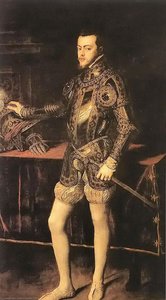
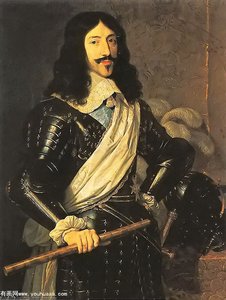
作家の略歴
The Early Years and the Seeds of Vision
Vincent van Gogh, born in Zundert, Netherlands, on March 30, 1853, was a figure whose life and art are inextricably linked to a profound struggle for self-expression and an intense connection with the natural world. His early years were marked by a quiet, introspective nature, a sensitivity that manifested in his artistic pursuits from a young age. Unlike many artists of his time who received formal training, Van Gogh largely taught himself, developing his skills through diligent observation and tireless practice. He initially worked as an art dealer in The Hague and London, experiences that exposed him to the commercial realities of the art world and fostered a deep appreciation for diverse artistic styles. However, these early professional endeavors did little to quell his yearning for a more meaningful existence, one rooted in genuine creative expression. His family’s modest circumstances and his own personal disappointments – including a failed romance with Sien Hoornik – contributed to a sense of isolation and a growing awareness of the human condition's inherent suffering. These formative experiences would profoundly shape his artistic vision, imbuing it with an emotional depth and raw honesty rarely seen in contemporary art. The influence of Dutch Masters like Rembrandt and Millet, particularly their use of light and shadow to convey mood and emotion, subtly informed his nascent style.- Early Influences: Rembrandt, Millet
- Initial Career: Art Dealer (Hague & London)
- Personal Struggles: Failed Romance, Isolation
The Rise of a Distinctive Style – From Darkness to Light
Van Gogh’s artistic journey truly began in earnest around 1880, coinciding with a period of intense personal and spiritual searching. He moved to Paris in 1886, immersing himself in the vibrant Impressionist and Post-Impressionist scene. This exposure proved transformative, introducing him to artists like Toulouse-Lautrec, Degas, and Gauguin – encounters that dramatically influenced his palette, brushwork, and approach to subject matter. He initially experimented with darker, more somber tones, reflecting his own emotional turmoil, as evidenced in works such as *The Potato Eaters* (1885), a poignant depiction of peasant life imbued with a sense of hardship and resilience. However, the influence of Impressionism’s emphasis on capturing fleeting moments of light and color gradually began to shift his perspective. His time in Paris marked a crucial turning point, leading him to adopt brighter colors and looser brushstrokes – techniques he would further refine during his subsequent stay in Arles, Southern France. This period saw the emergence of iconic works like *Self-Portrait with Bandaged Ear* (1889), a brutally honest depiction of his mental struggles following a severe psychotic episode.- Parisian Influence: Impressionism & Post-Impressionism
- Key Artists: Toulouse-Lautrec, Degas, Gauguin
- Early Works: *The Potato Eaters* (1885)
Arles and the Flowering of Genius – A Period of Intense Productivity
Following his departure from Paris in 1888, Van Gogh settled in Arles, a small Provençal town that would become the setting for some of his most celebrated works. Seeking to establish an artist’s colony alongside Paul Gauguin, he envisioned a community dedicated to artistic experimentation and collaboration. However, this idyllic dream quickly dissolved as tensions arose between the two artists, culminating in a violent altercation during which Van Gogh mutilated his own ear. Despite this traumatic event, he continued to paint with feverish intensity, producing an astonishing volume of work – over 860 paintings and drawings – in a remarkably short period. The landscapes of Arles—fields of sunflowers, wheat fields bathed in golden light, the Rhône River reflecting the sky—became recurring subjects, imbued with his deeply felt emotions. This period witnessed the creation of some of his most iconic masterpieces, including *Sunflowers* (1888), *Starry Night Over the Rhone* (1888), and *The Bedroom in Arles* (1888). His use of impasto—applying paint thickly to create a textured surface—became increasingly pronounced, adding a tactile dimension to his work.- Arles Residency: Seeking an Artist’s Colony
- Collaboration with Gauguin: Tensions and Conflict
- Key Works: *Sunflowers*, *Starry Night Over the Rhone*, *The Bedroom in Arles*
Legacy and Lasting Impact – A Revolutionary Vision
Vincent van Gogh’s tragically short life—he died on July 29, 1890—left behind a body of work that profoundly impacted the course of art history. Though largely unrecognized during his lifetime, his innovative use of color, brushwork, and emotional expression laid the groundwork for Expressionism and other modern artistic movements. His intensely personal style, characterized by raw honesty and vulnerability, resonated deeply with audiences long after his death. His letters to his brother Theo provide invaluable insights into his creative process and his struggles with mental illness, offering a poignant glimpse into the mind of a tormented genius. Today, Van Gogh’s paintings are among the most beloved and recognizable in the world, displayed in museums across the globe and reproduced endlessly. His legacy extends beyond the art world, serving as a symbol of artistic passion, perseverance, and the enduring power of human emotion. The influence of his bold colors, expressive brushstrokes, and deeply felt subject matter continues to inspire artists and captivate viewers alike, solidifying his place as one of the most important figures in Western art.- Posthumous Recognition: Growing Appreciation
- Influence on Art Movements: Expressionism
- Lasting Legacy: Symbol of Artistic Passion & Vulnerability
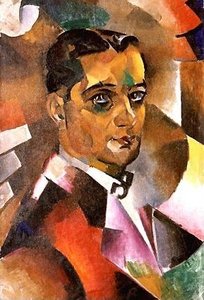
vladimir baranoff rossiné
1888 - 1944
プロフィール概要
- Artistic Movement Or Style: Abstract painting, Color theory
- Artists Or Movements Influenced By This Artist:
- Color Field painting
- Bauhaus movement
- Artists Who Influenced This Artist:
- Paul Klee
- Wassily Kandinsky
- Date Of Birth: 1888
- Date Of Death: 1976
- Full Name: Josef Albers
- Nationality: German-American
- Notable Artworks:
- Homage to the Square
- Yellow Hexagons
- Place Of Birth: Bottrop, Germany

