

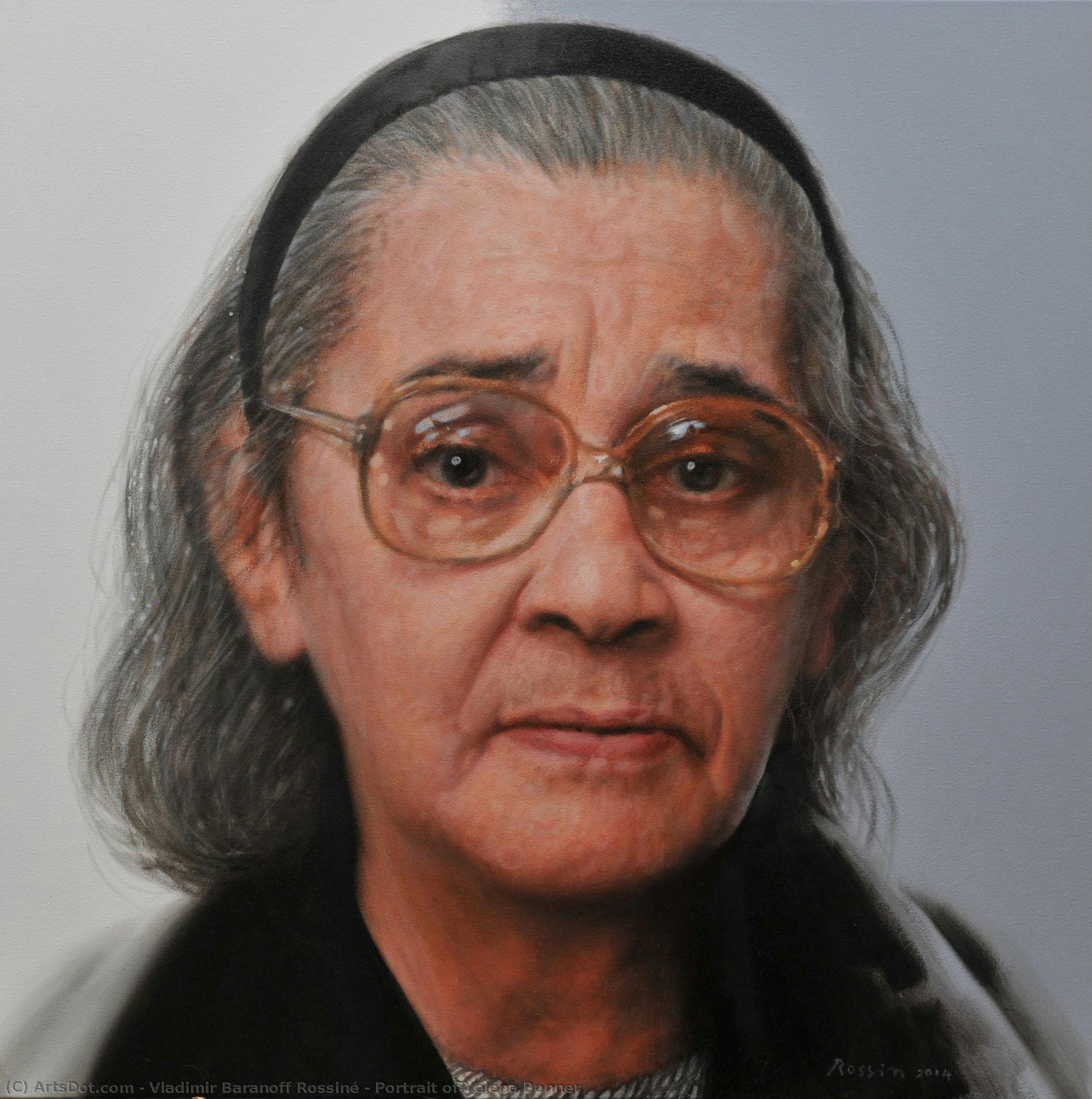
 プレビュー
プレビュー
 シェアする
シェアする シェアする
シェアする
 詳細を見る
詳細を見る

 ダウンロード
 似ている作品
 X線調査
X線調査 スライドショー
 統計情報
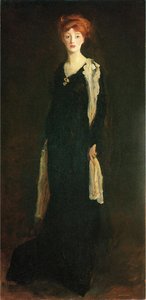
統計情報Portrait of Yelena Bonner
 Oil On Canvas
- WallArt
- Contemporary Realism
 2014
2014- Contemporary
 National Center for Civil and Human Rights
 詳細を見る
詳細を見る
手描き油彩複製画
当社のアーティストが、お客様のご希望のサイズと額縁に合わせて、キャンバスに手描きで制作する油彩画です。 ( プリント版に切り替え デジタル画像販売へ切り替え)




P118B $10

P118H $10

P118W $10

P438Z $10

P508JH $12

P508YH $12

P805H $10

P805Z $10

P919BZ $10

P919G $10

P919XJ $10

P959ZH $10

P968JZ $12

W106C $8

W218G $10

W218JH $8

W218Y $10

W307PJ $10

W316G $10

W316PJ $8

W316Y $10

W398PJ $8

W4111J $10

W500HY $15

W500JH $15

W692G $12

W849H $8

W940BG $15

W953PJ $8




作品のオリジナル比率に合わせた、当店の規定サイズからお選びください。

特定のフレームやスペースに合わせて、ご希望のサイズをご入力いただけます。選択されたサイズが元の画像の比率と異なる場合、アートワークをトリミングするか、手描きで要素を追加して絵画を拡張いたします。デジタルモックアップ を制作し、制作開始前にご確認(承認)をいただきます。
画面上のプレビューは、実際のトリミングや拡張を正確に反映しているものではありません。最終的な構図は、モックアップによってのみ正確にご確認いただけます。
カスタムサイズもご利用いただけますが、元の比率を維持するためには、あらかじめ用意されたリストからサイズを選択することをお勧めいたします。
ご注文後、ArtsDot.com チームより詳細な指示をお送りするとともに、仕上がりイメージ(モックアップ)をご提供いたします。


 ガラスオプションは、110cm未満のサイズでのみご利用いただけます。

Portrait of Yelena Bonner
複製技法
複製画のサイズ
-


合計金額
$ 263
関連作品


アーティストの略歴
The Early Years and the Seeds of Vision
Vincent van Gogh, born in Zundert, Netherlands, on March 30, 1853, was a figure whose life and art are inextricably linked to a profound struggle for self-expression and an intense connection with the natural world. His early years were marked by a quiet, introspective nature, a sensitivity that manifested in his artistic pursuits from a young age. Unlike many artists of his time who received formal training, Van Gogh largely taught himself, developing his skills through diligent observation and tireless practice. He initially worked as an art dealer in The Hague and London, experiences that exposed him to the commercial realities of the art world and fostered a deep appreciation for diverse artistic styles. However, these early professional endeavors did little to quell his yearning for a more meaningful existence, one rooted in genuine creative expression. His family’s modest circumstances and his own personal disappointments – including a failed romance with Sien Hoornik – contributed to a sense of isolation and a growing awareness of the human condition's inherent suffering. These formative experiences would profoundly shape his artistic vision, imbuing it with an emotional depth and raw honesty rarely seen in contemporary art. The influence of Dutch Masters like Rembrandt and Millet, particularly their use of light and shadow to convey mood and emotion, subtly informed his nascent style.- Early Influences: Rembrandt, Millet
- Initial Career: Art Dealer (Hague & London)
- Personal Struggles: Failed Romance, Isolation
The Rise of a Distinctive Style – From Darkness to Light
Van Gogh’s artistic journey truly began in earnest around 1880, coinciding with a period of intense personal and spiritual searching. He moved to Paris in 1886, immersing himself in the vibrant Impressionist and Post-Impressionist scene. This exposure proved transformative, introducing him to artists like Toulouse-Lautrec, Degas, and Gauguin – encounters that dramatically influenced his palette, brushwork, and approach to subject matter. He initially experimented with darker, more somber tones, reflecting his own emotional turmoil, as evidenced in works such as *The Potato Eaters* (1885), a poignant depiction of peasant life imbued with a sense of hardship and resilience. However, the influence of Impressionism’s emphasis on capturing fleeting moments of light and color gradually began to shift his perspective. His time in Paris marked a crucial turning point, leading him to adopt brighter colors and looser brushstrokes – techniques he would further refine during his subsequent stay in Arles, Southern France. This period saw the emergence of iconic works like *Self-Portrait with Bandaged Ear* (1889), a brutally honest depiction of his mental struggles following a severe psychotic episode.- Parisian Influence: Impressionism & Post-Impressionism
- Key Artists: Toulouse-Lautrec, Degas, Gauguin
- Early Works: *The Potato Eaters* (1885)
Arles and the Flowering of Genius – A Period of Intense Productivity
Following his departure from Paris in 1888, Van Gogh settled in Arles, a small Provençal town that would become the setting for some of his most celebrated works. Seeking to establish an artist’s colony alongside Paul Gauguin, he envisioned a community dedicated to artistic experimentation and collaboration. However, this idyllic dream quickly dissolved as tensions arose between the two artists, culminating in a violent altercation during which Van Gogh mutilated his own ear. Despite this traumatic event, he continued to paint with feverish intensity, producing an astonishing volume of work – over 860 paintings and drawings – in a remarkably short period. The landscapes of Arles—fields of sunflowers, wheat fields bathed in golden light, the Rhône River reflecting the sky—became recurring subjects, imbued with his deeply felt emotions. This period witnessed the creation of some of his most iconic masterpieces, including *Sunflowers* (1888), *Starry Night Over the Rhone* (1888), and *The Bedroom in Arles* (1888). His use of impasto—applying paint thickly to create a textured surface—became increasingly pronounced, adding a tactile dimension to his work.- Arles Residency: Seeking an Artist’s Colony
- Collaboration with Gauguin: Tensions and Conflict
- Key Works: *Sunflowers*, *Starry Night Over the Rhone*, *The Bedroom in Arles*
Legacy and Lasting Impact – A Revolutionary Vision
Vincent van Gogh’s tragically short life—he died on July 29, 1890—left behind a body of work that profoundly impacted the course of art history. Though largely unrecognized during his lifetime, his innovative use of color, brushwork, and emotional expression laid the groundwork for Expressionism and other modern artistic movements. His intensely personal style, characterized by raw honesty and vulnerability, resonated deeply with audiences long after his death. His letters to his brother Theo provide invaluable insights into his creative process and his struggles with mental illness, offering a poignant glimpse into the mind of a tormented genius. Today, Van Gogh’s paintings are among the most beloved and recognizable in the world, displayed in museums across the globe and reproduced endlessly. His legacy extends beyond the art world, serving as a symbol of artistic passion, perseverance, and the enduring power of human emotion. The influence of his bold colors, expressive brushstrokes, and deeply felt subject matter continues to inspire artists and captivate viewers alike, solidifying his place as one of the most important figures in Western art.- Posthumous Recognition: Growing Appreciation
- Influence on Art Movements: Expressionism
- Lasting Legacy: Symbol of Artistic Passion & Vulnerability
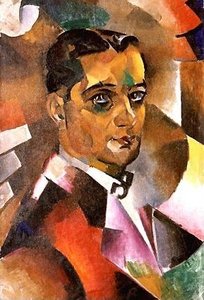
vladimir baranoff rossiné
1888 - 1944
基本情報
- Artistic Movement Or Style: Abstract painting, Color theory
- Artists Or Movements Influenced By This Artist:
- Color Field painting
- Bauhaus movement
- Artists Who Influenced This Artist:
- Paul Klee
- Wassily Kandinsky
- Date Of Birth: 1888
- Date Of Death: 1976
- Full Name: Josef Albers
- Nationality: German-American
- Notable Artworks:
- Homage to the Square
- Yellow Hexagons
- Place Of Birth: Bottrop, Germany
関連記事
Beyond the Canvas: Framing as a Catalyst for Value & Aesthetic Impact in Luxury Art Reproduction
Discover how expert framing elevates your art investment & interior design. Explore museum-quality options, bespoke sizing, and preservation techniques for discerning collectors. Enhance value & aesthetic impact with ArtsDot.
絵画の魅力を最大限に引き出す額縁選び:専門家が解説する美的統合と保護戦略
絵画の魅力を最大限に引き出す額縁選びの専門家ガイド。歴史的背景から空間との調和、作品保護まで徹底解説。ArtsDot.comがフリーランス・デコレーター様をサポートします。
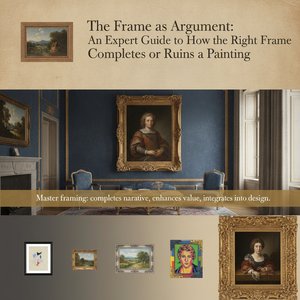
The Frame as Argument: An Expert Guide to Selecting the Perfect Frame for Your Art
Master the art of presentation with our expert guide on choosing the perfect frame. Learn how to enhance your artwork's value, complement your interior design, and ensure long-term preservation through professional framing techniques for collectors and enthusiasts alike.
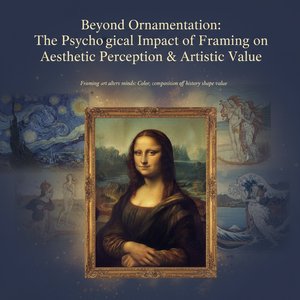
Beyond Ornamentation: The Psychological Impact of Framing on Aesthetic Perception & Artistic Value
Explore the profound psychological impact of framing on art perception & value. Discover how color, composition, and historical context influence aesthetic judgment. Expert insights for collectors.
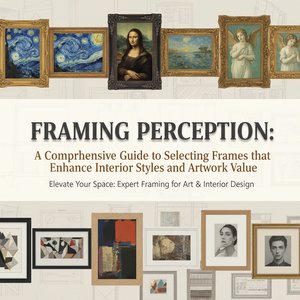
Framing Perception: A Comprehensive Guide to Selecting Frames that Enhance Interior Styles and Artwork Value
Elevate your space with expert art framing guidance! Discover how to choose frames that enhance artwork & interior design, protect valuable pieces, and create stunning displays. Trusted advice for designers & collectors.