

 プレビュー
プレビュー
 シェアする
シェアする シェアする
シェアする
 詳細を見る
詳細を見る

 ダウンロード
 似ている作品
 X線調査
X線調査 スライドショー
 統計情報
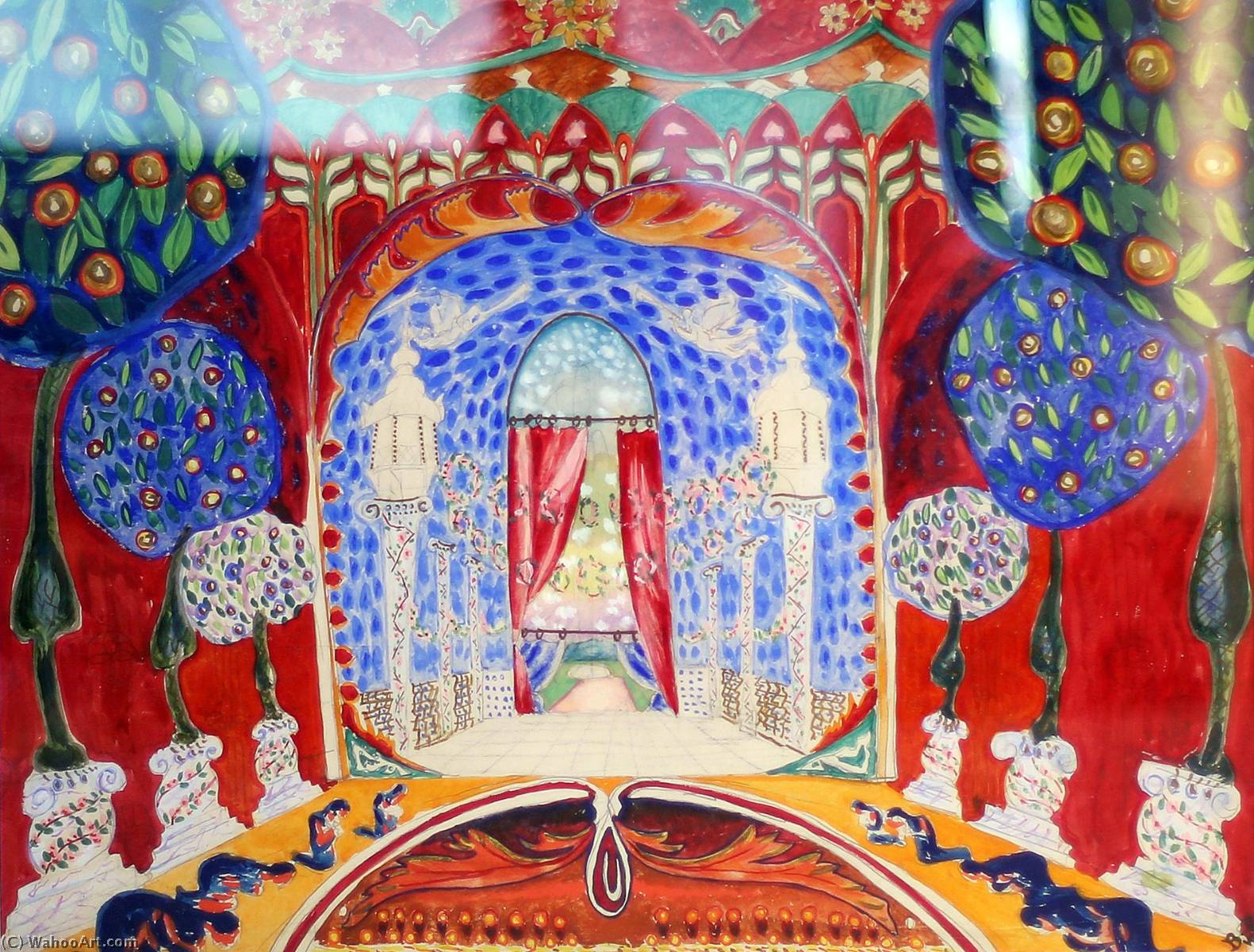
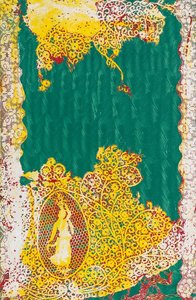
統計情報Drop curtain of the Scene
 詳細を見る
詳細を見る
オンラインプレビューをはるかに凌ぐ、高解像度で鮮明なデジタル画像をご購入いただけます。
各ファイルは、社内の専門家が高度なツールと熟練した手作業によるレタッチを用いて、細心の注意を払って準備されています。すべての画像において、卓越した鮮明度、正確な色彩再現性、そして繊細なディテールを保証いたします。
最終ファイルは、プロフェッショナルな編集・印刷環境ですぐにご利用いただけるよう最適化された状態で、72時間以内にメールにてお届けいたします。これは、一流のデザインスタジオ、出版社、ギャラリーから信頼されているものと同等の品質です。
デジタルアート
個人での鑑賞、印刷、クリエイティブなプロジェクト用に、高解像度ファイルをダウンロードできます。 ( プリント版に切り替え 手描きの絵画を購入)
デジタル画像のご注文に付随する特典
高品質なデジタル画像配信を、確かな品質で。
ArtsDot.com を選ぶことは、単に画像を手に入れることではありません。それは、プロの手によって精密に仕上げられ、満足保証が付いた高品質なデジタルアートワークを受け取ることを意味します。ご注文いただいた際に自動的に付随する内容は、以下の通りです:

メールですぐにお届け
ご注文から72時間以内に、高解像度のデジタル画像ファイルがメールでお手元に届きます。すぐにそのままご利用いただけます。

AI技術で最適化されたデジタルファイル
お客様の作品は、高度なAIツールと専門家による手作業の編集を組み合わせてプロフェッショナルに最適化されており、細部のディテール、鮮明さ、そして正確な色再現性を最大限に引き出しています。

一生涯無料の再送サービス
ファイルを誤って削除したり、紛失してしまったりしましたか?ご安心ください。いつでも無料で再送いたします。

輸入手数料は一切かかりません
関税や手数料、配送料を気にすることなく、お気に入りのアートワークをすぐにお楽しみいただけます。デジタルダウンロードは常に免税です。

色彩再現の保証
プロ仕様のツールとカラーマネジメント技術を用いることで、デジタル画像が元の色を最大限に忠実に再現することを保証いたします。

100日間満足保証
ご購入いただいたデジタル画像にご満足いただけない場合は、100日以内であれば、理由を問わず修正または100%の返金対応をさせていただきます。

100% 返金保証
ご満足いただけない場合は、デジタルファイルを受け取ってから100日以内であれば、理由を問わず全額返金いたします。

まとめ買い割引
3枚購入で10%OFF - 5枚購入で15%OFF - 10枚以上購入で20%OFF。クリエイティブなプロジェクト、ギャラリー、エージェンシーに最適です。
関連作品
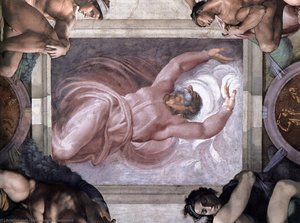
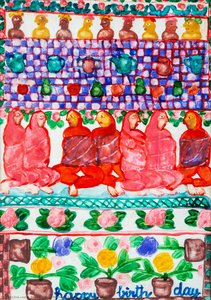

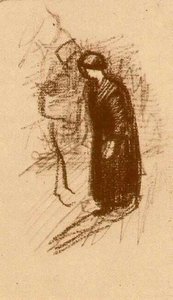
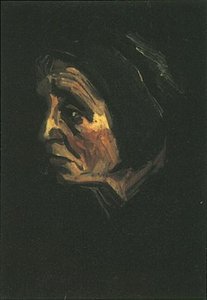
作家の略歴
A Life Painted in Avant-Garde Hues: Vladimir Baranov-Rossiné
Vladimir Davidovich Baranov-Rossiné, a name resonating with the dynamism of Cubo-Futurism and the tragic echoes of 20th-century upheaval, was an artist whose life embodied the spirit of innovation cut short by unimaginable brutality. Born Shulim Wolf Leib Baranov in 1888 in Velyka Lepetykha, Kherson Governorate (present-day Ukraine), his journey traversed the artistic landscapes of Russia, France, and Norway before culminating in the horrors of Auschwitz in January 1944. He wasn’t merely a painter; he was an inventor, a pioneer of synaesthetic art, and a figure whose contributions extended beyond the canvas into the realms of military technology and performance. His early education at the School of the Society for the Furthering of the Arts in St. Petersburg laid the foundation for his formal training at the Imperial Academy of Arts, though his rebellious spirit led to expulsion after only a year. This dismissal didn’t deter him; instead, it propelled him into the burgeoning avant-garde circles of Kyiv, where he exhibited with the group Zveno alongside David and Wladimir Burliuk, artists who would become pivotal figures in Russian Modernism.From La Ruche to the Russian Vanguard
The allure of Paris drew Baranov-Rossiné in 1910, and he found himself immersed within the vibrant community of La Ruche – a legendary artist’s colony teeming with talent. Here, amongst contemporaries like Alexander Archipenko and Sonia Delaunay-Terk, his artistic voice began to solidify. He embraced Cubo-Futurism, dissecting forms and exploring fragmented perspectives that reflected the accelerating pace of modern life. His paintings from this period demonstrate a keen understanding of color theory and composition, hinting at the synaesthetic explorations that would later define his most ambitious work. The outbreak of World War I prompted a return to Russia in 1914, followed by a period spent in Norway where he continued to exhibit, maintaining a connection to the artistic world despite the escalating conflict. Upon his definitive return to Russia in 1918, Baranov-Rossiné became deeply involved with the revolutionary art scene, participating in exhibitions organized by Mir Iskusstva (World of Art) and the Jewish Society for the Furthering of the Arts alongside luminaries like El Lissitzky and David Shterenberg. This period marked a peak in his artistic activity, as he sought to integrate his work into the new social order.The Optophonic Piano: A Synthesis of Senses
Baranov-Rossiné’s most groundbreaking achievement was undoubtedly the creation of the ‘Optophonic Piano,’ first presented in 1924 at the Bolshoi Theatre in Moscow. This wasn't simply a musical instrument; it was a synaesthetic machine designed to translate sound into light, color, and texture – a holistic sensory experience. The piano utilized a complex system of keys and mechanisms that triggered not only notes but also corresponding visual projections, creating an immersive environment where music could be *seen* as well as heard. This invention reflected his deep fascination with the interconnectedness of the senses and foreshadowed later developments in multimedia art and performance. He envisioned a future where art transcended traditional boundaries, engaging all aspects of human perception. Beyond this ambitious project, Baranov-Rossiné’s inventive mind led him to explore practical applications of color theory, most notably in the field of military camouflage.Camouflage and Tragedy: A Final Chapter
Driven by his experimentation with color, Baranov-Rossiné developed a revolutionary technique for military camouflage, known as the Cameleon process or pointillist dynamic camouflage, which he marketed alongside Robert Delaunay. This wasn’t merely about blending into the environment; it involved creating patterns that disrupted visual perception, making objects harder to detect. He even patented a “photochromometer” for analyzing precious stones and a machine for producing fizzy drinks – demonstrating his diverse range of interests and skills. However, this period of innovation was tragically cut short. In 1925, he emigrated back to France, seeking artistic freedom and opportunity. The shadow of World War II loomed large, and in 1943, during the German occupation, Baranov-Rossiné was arrested and deported to Auschwitz. He perished there in January 1944, a victim of the Holocaust, his vibrant life extinguished by hatred and intolerance.A Legacy Rediscovered
Vladimir Baranov-Rossiné’s legacy extends far beyond his tragically abbreviated career. His Cubo-Futurist paintings offer a compelling glimpse into the artistic ferment of the early 20th century, while his Optophonic Piano stands as a testament to his visionary spirit and pioneering exploration of synaesthetic art. His innovative camouflage techniques, though often overlooked, represent a significant contribution to military technology. Today, there is a growing recognition of his importance within the broader context of Russian Avant-Garde and Parisian Modernism. His story serves as a poignant reminder of the fragility of artistic expression in times of conflict and the enduring power of creativity to transcend boundaries – even in the face of unimaginable darkness. His work continues to inspire artists and thinkers, urging us to explore the interconnectedness of senses, challenge conventional perceptions, and remember those whose voices were silenced too soon.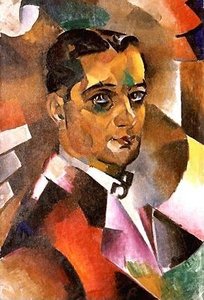
vladimir davidovich baranov rossine
1888 - 1944
プロフィール概要
- Artistic Movement Or Style: Post-Impressionism
- Artists Or Movements Influenced By This Artist:
- Expressionism
- Van Gogh's work
- Artists Who Influenced This Artist:
- Eugène Delacroix
- Edgar Degas
- Paul Gauguin
- Date Of Birth: March 30, 1853
- Date Of Death: July 29, 1890
- Full Name: Vincent Willem van Gogh
- Nationality: Dutch
- Notable Artworks:
- Sunflowers
- Bedroom in Arles
- Starry Night
- Wheatfield with Crows
- Place Of Birth: Ghent, Belgium