

 プレビュー
プレビュー
 シェアする
シェアする シェアする
シェアする
 詳細を見る
詳細を見る

 ダウンロード
 似ている作品
 X線調査
X線調査 スライドショー
 統計情報
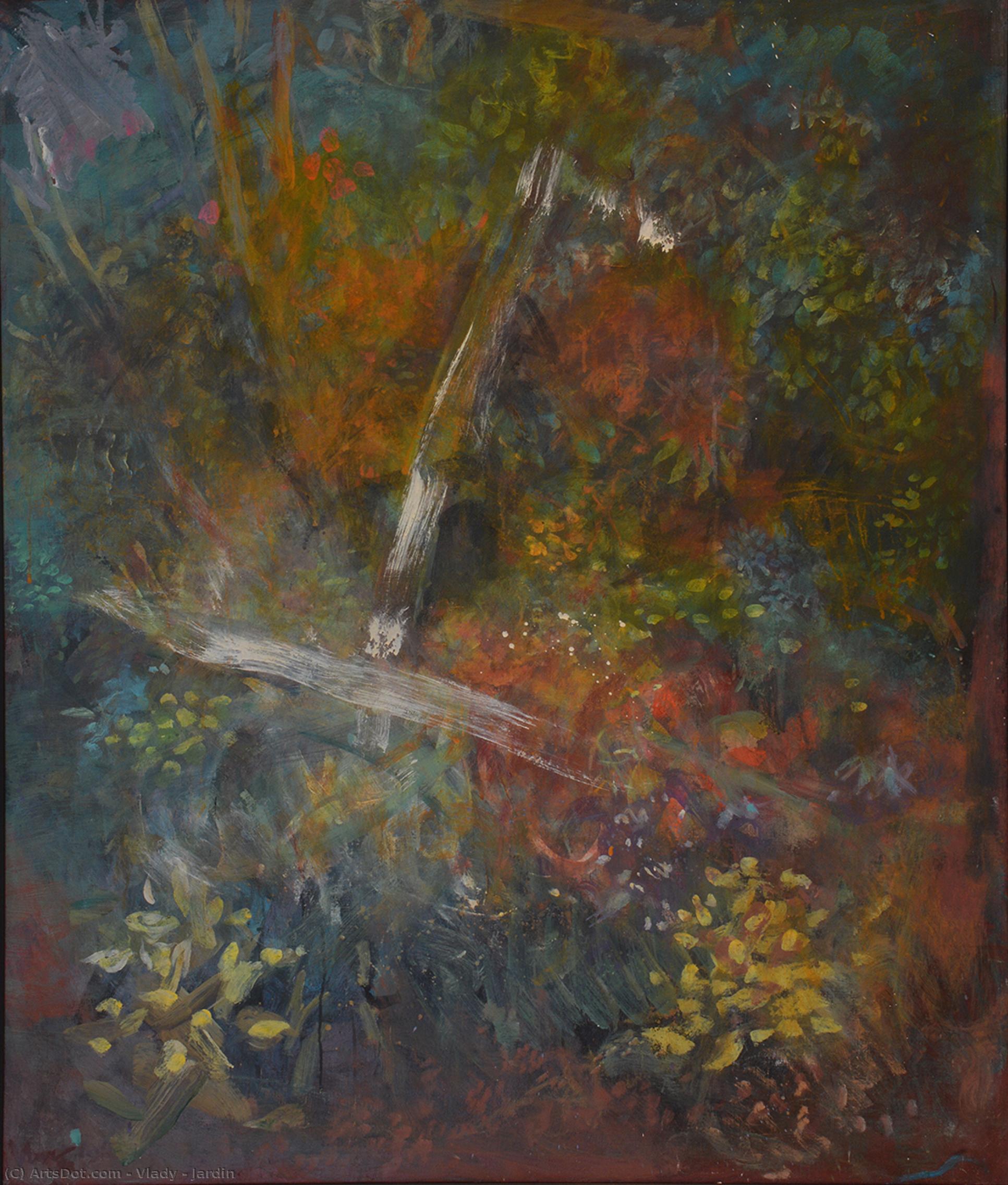
統計情報Jardin
 Surrealism
 130.0 x 110.0 cm
 詳細を見る
詳細を見る
オンラインプレビューをはるかに凌ぐ、高解像度で鮮明なデジタル画像をご購入いただけます。
各ファイルは、社内の専門家が高度なツールと熟練した手作業によるレタッチを用いて、細心の注意を払って準備されています。すべての画像において、卓越した鮮明度、正確な色彩再現性、そして繊細なディテールを保証いたします。
最終ファイルは、プロフェッショナルな編集・印刷環境ですぐにご利用いただけるよう最適化された状態で、72時間以内にメールにてお届けいたします。これは、一流のデザインスタジオ、出版社、ギャラリーから信頼されているものと同等の品質です。
デジタルアート
個人での鑑賞、印刷、クリエイティブなプロジェクト用に、高解像度ファイルをダウンロードできます。 ( プリント版に切り替え 手描きの絵画を購入)
デジタル画像のご注文に付随する特典
高品質なデジタル画像配信を、確かな品質で。
ArtsDot.com を選ぶことは、単に画像を手に入れることではありません。それは、プロの手によって精密に仕上げられ、満足保証が付いた高品質なデジタルアートワークを受け取ることを意味します。ご注文いただいた際に自動的に付随する内容は、以下の通りです:

メールですぐにお届け
ご注文から72時間以内に、高解像度のデジタル画像ファイルがメールでお手元に届きます。すぐにそのままご利用いただけます。

AI技術で最適化されたデジタルファイル
お客様の作品は、高度なAIツールと専門家による手作業の編集を組み合わせてプロフェッショナルに最適化されており、細部のディテール、鮮明さ、そして正確な色再現性を最大限に引き出しています。

一生涯無料の再送サービス
ファイルを誤って削除したり、紛失してしまったりしましたか?ご安心ください。いつでも無料で再送いたします。

輸入手数料は一切かかりません
関税や手数料、配送料を気にすることなく、お気に入りのアートワークをすぐにお楽しみいただけます。デジタルダウンロードは常に免税です。

色彩再現の保証
プロ仕様のツールとカラーマネジメント技術を用いることで、デジタル画像が元の色を最大限に忠実に再現することを保証いたします。

100日間満足保証
ご購入いただいたデジタル画像にご満足いただけない場合は、100日以内であれば、理由を問わず修正または100%の返金対応をさせていただきます。

100% 返金保証
ご満足いただけない場合は、デジタルファイルを受け取ってから100日以内であれば、理由を問わず全額返金いたします。

まとめ買い割引
3枚購入で10%OFF - 5枚購入で15%OFF - 10枚以上購入で20%OFF。クリエイティブなプロジェクト、ギャラリー、エージェンシーに最適です。
関連作品
作家の略歴
The Dawn of a New Aesthetic: Exploring the World of the 1920s
The 1920s, often dubbed the “Jazz Age,” wasn’t merely a decade defined by flappers and speakeasies; it was a crucible for artistic innovation. Emerging from the ashes of World War I, a profound shift occurred in how artists perceived their role and the very nature of art itself. The established traditions of realism and academic painting were increasingly challenged, giving way to experimentation, abstraction, and a fervent desire to capture the dynamism and anxieties of a rapidly changing world. This period witnessed the birth of movements like Dadaism, Surrealism, and Art Deco – each offering a radically different lens through which to view reality and express emotion.
The economic prosperity that followed the war provided artists with newfound freedom and resources. Patrons were eager to support groundbreaking work, fueling a surge in creativity across various disciplines. However, this era wasn’t without its undercurrents of unease. The horrors of the Great War had shattered faith in reason and progress, leading many artists to question societal norms and explore darker themes – alienation, disillusionment, and the subconscious. This tension between optimism and despair is a defining characteristic of 1920s art.
Key Movements and Artistic Styles
Several distinct artistic movements flourished during this decade, each leaving an indelible mark on the subsequent development of modern art. Dadaism, born in Zurich, rejected logic and embraced absurdity as a means of critiquing bourgeois society and the perceived failures of reason. Artists like Marcel Duchamp famously challenged traditional notions of authorship and beauty by presenting everyday objects – a urinal, for example – as works of art, forcing viewers to question their own assumptions about what constitutes “art.”
Simultaneously, Surrealism emerged, drawing inspiration from the psychoanalytic theories of Sigmund Freud. Artists like Salvador Dalí explored the realm of dreams and the subconscious mind, creating bizarre and unsettling imagery that defied rational interpretation. Georgia O’Keeffe, a pivotal figure in American art, developed a unique style characterized by intensely detailed depictions of flowers, landscapes, and Native American pottery – often imbued with a sense of sensuality and mystery. Her work reflected a deep connection to the natural world and a willingness to challenge conventional representations of female beauty.
Art Deco, perhaps the most visually striking movement of the era, dominated architecture, design, and decorative arts. Characterized by geometric patterns, luxurious materials (like chrome and lacquer), and stylized motifs inspired by ancient Egypt, Mesoamerica, and exotic cultures, Art Deco embodied a spirit of optimism and technological advancement. Tamara de Lempicka epitomized this style with her glamorous portraits of the wealthy elite, capturing the essence of the Jazz Age’s sophisticated and liberated atmosphere.
Influences and Key Figures
The 1920s were shaped by a confluence of influences, ranging from European avant-garde movements to the burgeoning popularity of jazz music. The rise of photography also played a significant role, providing artists with new tools for capturing reality and experimenting with composition and perspective. Cubism, which had gained momentum in the early 20th century, continued to influence painters like O’Keeffe, who incorporated its fragmented forms and multiple viewpoints into her work.
Beyond these movements, several individual artists made significant contributions during this period. George Luks, a prominent Realist painter, depicted scenes of urban life with gritty honesty and social commentary. Marcel Duchamp's conceptual art challenged the very definition of artistic creation, paving the way for future generations of avant-garde artists. And, as mentioned previously, Tamara de Lempicka’s bold portraits captured the spirit of a generation embracing modernity and self-expression.
Legacy and Historical Significance
The innovations of the 1920s laid the foundation for much of the art that followed in the 20th century. The experimentation with abstraction, the exploration of psychological themes, and the rejection of traditional artistic conventions established a new paradigm for artists to consider. The decade’s embrace of mass media – particularly through Art Deco posters and advertising – demonstrated the growing influence of technology on visual culture.
Furthermore, the 1920s witnessed a shift in the role of the artist from craftsman to intellectual, challenging established hierarchies and redefining the purpose of art. The artists of this era weren’t simply creating beautiful objects; they were engaging with social and political issues, questioning societal norms, and pushing the boundaries of artistic expression. Their legacy continues to resonate today, reminding us that art can be a powerful force for change and a reflection of the complexities of human experience.
vladimir victorovich kibalchich rusakov
1920 - 2005 , Russia
プロフィール概要
- Artistic Movement Or Style:
- 1920s Art Deco
- Expressionism
- Surrealism
- Artists Or Movements Influenced By This Artist: ['Georgia O’Keeffe']
- Artists Who Influenced This Artist: ['Marcel Duchamp']
- Date Of Birth: 1920
- Date Of Death: 2005
- Place Of Birth: WahooArt