

 プレビュー
プレビュー
 プリントを購入
 シェアする
シェアする シェアする
シェアする
 詳細を見る
詳細を見る

 ダウンロード
 似ている作品
 X線調査
X線調査 スライドショー
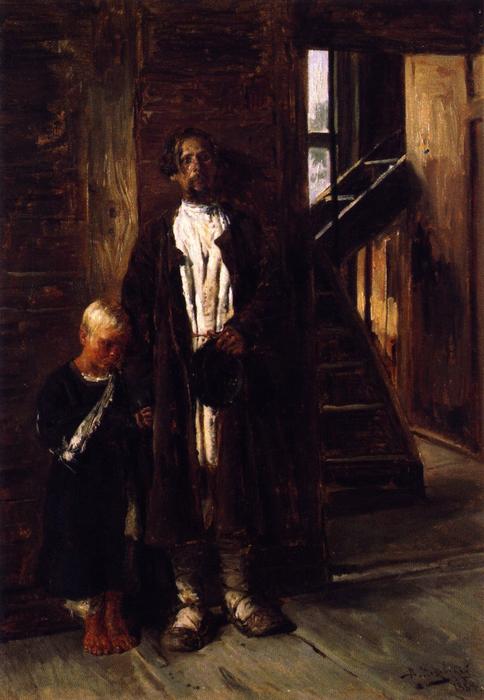
Off to Get Medicine


 詳細を見る
詳細を見る




P118B $10

P118H $10

P118W $10

P438Z $10

P508JH $12

P508YH $12

P805H $10

P805Z $10

P919BZ $10

P919G $10

P919XJ $10

P959ZH $10

P968JZ $12

W106C $8

W218G $10

W218JH $8

W218Y $10

W307PJ $10

W316G $10

W316PJ $8

W316Y $10

W398PJ $8

W4111J $10

W500HY $15

W500JH $15

W692G $12

W849H $8

W940BG $15

W953PJ $8




作品のオリジナル比率に合わせた、当店の規定サイズからお選びください。

特定のフレームやスペースに合わせて、ご希望のサイズをご入力いただけます。選択されたサイズが元の画像の比率と異なる場合、アートワークをトリミングするか、手描きで要素を追加して絵画を拡張いたします。デジタルモックアップ を制作し、制作開始前にご確認(承認)をいただきます。
画面上のプレビューは、実際のトリミングや拡張を正確に反映しているものではありません。最終的な構図は、モックアップによってのみ正確にご確認いただけます。
カスタムサイズもご利用いただけますが、元の比率を維持するためには、あらかじめ用意されたリストからサイズを選択することをお勧めいたします。
ご注文後、ArtsDot.com チームより詳細な指示をお送りするとともに、仕上がりイメージ(モックアップ)をご提供いたします。


 ガラスオプションは、110cm未満のサイズでのみご利用いただけます。

Off to Get Medicine
複製技法
複製画のサイズ
-


合計金額
$ 263
作品解説
A Glimpse of Rural Life: “In Search of Medicine” by Vladimir Makovsky
Painted in 1884 during a pivotal moment in Russian art history, Vladimir Makovsky’s “In Search of Medicine” offers more than just a portrait; it's a poignant snapshot of late 19th-century rural life imbued with subtle social commentary. The scene unfolds within the modest confines of a humble dwelling – a small, sparsely furnished room dominated by a window that casts a soft, diffused light upon the figures within. A young boy, clearly unwell, is being escorted by his father, both clad in simple, worn clothing indicative of their rural existence. Their journey to seek medical attention is rendered with remarkable realism and quiet dignity.
Makovsky’s style firmly anchors this work within the Realist movement, a reaction against the romanticism and idealized depictions prevalent in earlier art. He eschews dramatic lighting or elaborate compositions, instead focusing on capturing the everyday details of life – the worn floorboards, the simple furnishings, the expressions etched upon the faces of the father and son. This commitment to portraying reality with honesty and precision was a hallmark of the Peredvizhniki (Wanderers), the group of artists to which Makovsky belonged, who sought to depict the lives of ordinary Russians and address social injustices.
The Language of Detail: Technique and Composition
Makovsky’s technical skill is evident in his meticulous rendering of textures – the rough fabric of the clothing, the weathered wood of the doorframe, the subtle variations in light and shadow. He employs a muted color palette, dominated by earthy tones—browns, grays, and ochres—that reinforces the painting's sense of realism and its connection to the natural world. The composition is carefully balanced, drawing the viewer’s eye from the boy’s anxious face towards his father’s concerned expression, creating a powerful visual narrative.
Notably, Makovsky utilizes a technique known as *sfumato*, subtly blurring the edges of forms and softening transitions between light and shadow. This creates an atmospheric effect that lends the scene a sense of intimacy and immediacy, inviting the viewer to step into the room and witness this quiet moment unfold.
Symbolism and Social Context
Beyond its immediate depiction of a father escorting his sick son, “In Search of Medicine” carries deeper symbolic weight. The journey itself represents not only the physical quest for medical care but also the broader struggle faced by rural communities—a lack of access to healthcare and the vulnerability of those most in need. The boy’s illness can be interpreted as a metaphor for the wider societal ills plaguing Russia at the time, including poverty, disease, and inequality.
Furthermore, the painting subtly critiques the social hierarchy of the era. The father's protective stance towards his son underscores the importance of familial responsibility, while also hinting at the limitations imposed upon individuals by their social circumstances. Makovsky’s choice to depict a common scene—a simple act of caregiving—elevates it to a statement about human dignity and compassion.
An Enduring Legacy: Emotional Impact
“In Search of Medicine” is not a grand, heroic masterpiece; rather, its power lies in its quiet observation and understated emotional resonance. The painting evokes a sense of empathy for the boy’s plight and admiration for his father's unwavering devotion. It reminds us of the fundamental human need for care and connection, regardless of social status or circumstance.
Reproductions of this work offer a valuable opportunity to bring Makovsky’s insightful vision into any interior space, serving as a gentle reminder of the enduring values of compassion, family, and community. Its timeless themes continue to resonate with viewers today, solidifying its place as a significant example of Russian Realist art.
関連作品
アーティストの略歴
真実の遺産:ウラジーミル・エゴロヴィチ・マコフスキーの生涯とヴィジョン
ウラジーミル・エゴロヴィチ・マコフスキー(1846-1920)は、ロシア写実主義絵画の歴史において極めて重要な人物であり、ペレドヴィジュニキ(巡回展派)運動の深遠な代弁者としてその名を刻んでいます。芸術が単なる職業ではなく、一つの生き方であった家庭に生まれた彼のモスクワでの幼少期は、創造的な伝統に深く浸されていました。高名なコレクターでありモスクワ美術学校の創設者でもあったエゴール・イヴァノヴィチ・マコフスキーの息子として、ウラジーミルは芸術的卓越性と社会的責任を重んじる環境の中で育ちました。兄弟であるニコライやコンスタンチンと共に、彼はロシアの純粋芸術のあり方を、アカデミックな理想主義から、より誠実で飾りのない現実の描写へと根本的に変貌させる、強力な芸術王朝の一翼を担うこととなったのです。
彼の芸術への道のりは、卓越した技術が磨かれた名門のモスクワ絵画彫刻建築学校から始まりました。1869年の卒業後、マコフスキーは帝政アカデミーの虚飾に満ちた安楽を求めるのではなく、あえて「巡回美術展協会」に身を投じました。この決断こそが彼の運命を変えるものとなりました。彼は、芸術を民衆の手に届け、キャンバスを社会の苦闘を映し出す鏡とする運動の核心へと足を踏み入れたのです。彼の作品は、素朴なユーモアと、深く時に痛切な社会的観察を見事に融合させる類まれな才能によって特徴づけられました。その眼差しを通じて、鑑賞者は19世紀ロシアの親密な片隅へと誘われ、農民たちの静かな尊厳と、都市生活に潜む微かな皮肉の両方を目の当たりにすることになります。
観察の芸術:主題と技法
マコフスキーの全作品群は、一筆一筆が人間存在のありようを照らし出す、風俗画の極致といえます。彼は、交わされる視線、労働の合間の束の間の休息、あるいは社交の場における静かな緊張感といった、過ぎ去りゆく瞬間を捉える比類なき才能を持っていました。「ブドウジュース売り」や「果物の保存」といった作品において、彼は光と質感の繊細なバランスを操ることで田舎の情緒を呼び起こし、その情景に柔らかな皮肉を添えることで、単なる感傷主義に陥ることを防いでいます。彼の技法は、情緒的な風景画に求められる広範で表現力豊かな筆致と、心理的な肖像画に必要な緻密な細部描写の間を自在に行き来することを可能にしました。
軽妙な情景が持つ魅力の背後で、マコフスキーは社会的不平等を記録する勇敢な年代記作家でもありました。彼は芸術を強力な批評の手段として用い、当時の時代が抱える不都合な現実を鑑賞者に突きつけました。彼の絵画はしばしば、以下のようなテーマを探求していました。
-
<察る人間関係
- 人間的な繋がり:「愛の告白」などの作品に見られる、剥き出しの感情の親密さの捕捉。
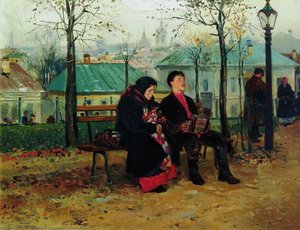
- 時の経過:情緒豊かな「大通りにて」に見られるような、ロシアの生活における季節の移ろいの記録。
- 心理的な深み:自画像や人物研究を通じて探求される、被写体の内面世界。
歴史的意義と不朽の影響
ウラジーミル・マコフスキーの貢献が持つ歴史的な重みは、いくら強調してもしすぎることはありません。渡り鳥(ワンダラーズ)の主要メンバーとして、彼はアカデミックな芸術の独占を打破する手助けをし、より民主的で社会に関与する表現形式への道を切り拓きました。日常的なものと記念碑的なものを織り交ぜる彼の能力は、知識層と庶民の両方の心に響く視覚言語を生み出したのです。自身の自画像のような極めて個人的な作品においてさえ、個人の背後に押し寄せる大きな世界の存在感、すなわち彼が生きた時代にロシアで起きていた激動の歴史的転換が反映されています。
今日、マコフスキーの遺産は、そのイメージが持つ永続的な力によって生き続けています。彼は「真実」を見つめる眼差しの巨匠であり続け、芸術とは、人生の複雑さから目を逸らすことを拒絶したときにこそ、最も強力な力を発揮することを私たちに思い出させてくれます。彼の作品は、その技術的な輝きだけでなく、深い共感力と、失われた時代の魂そのものを捉える力ゆえに、今なお研究され、称賛され続けているのです。
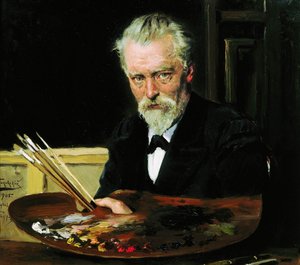
ウラジーミル・マコフスキー
1846 - 1920 , ロシア
基本情報
- Artistic Movement Or Style: 写実主義
- Artists Or Movements Influenced By This Artist: ['ペレドヴィジュニキ']
- Artists Who Influenced This Artist: ['ワシーリー・ペーロフ']
- Date Of Birth: 1846年
- Date Of Death: 1920年
- Full Name: ウラジーミル・エゴロヴィチ・マコフスキー
- Nationality: ロシア
- Notable Artworks:
- ブドウジュース売り
- 果物の保存
- 集会
- 恩人
- 囚人
- Place Of Birth: ロシア、モスクワ
関連記事
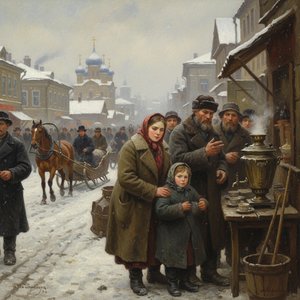
Vladimir Makovsky: Realism, Social Commentary & Russian Life in Late 19th-Century Painting
Explore the captivating world of Vladimir Makovsky, a leading Russian realist painter. Discover his insightful depictions of 19th-century life, social commentary & legacy with ArtsDot.
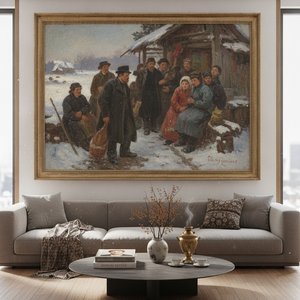
Discover Russian Realism: Soulful Masterpieces and the Timeless Spirit of the Peredvizhniki for Your Modern Home
Elevate your home with the soulful beauty of Russian Realism. Discover exquisite hand-painted reproductions of Peredvizhniki masterpieces, from lyrical landscapes to profound portraits, curated to bring historical depth and timeless elegance to your modern interior design.
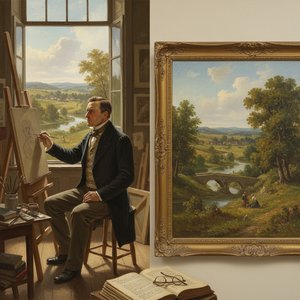
The Poetic Truth of Observation: Exploring 19th-Century Realism in Painting
Explore the captivating world of 19th-century Realism! Discover key artists like Courbet & Millet, masterpieces, and the powerful social commentary behind this influential art movement. Expert insights at ArtsDot.
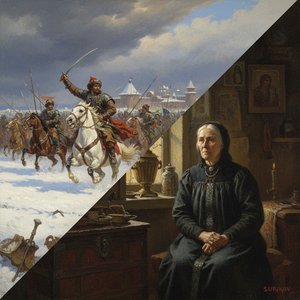
Vasily Surikov: Historical Epic & Psychological Realism in 19th-Century Russian Painting
Explore the powerful historical paintings of Vasily Surikov, a leading figure of Russian Realism. Discover his dramatic compositions, psychological depth & lasting influence on 19th-century art. Learn about collecting Surikov's masterpieces.
Romantic Realism's Finest: 10 Masterpieces for Your Home | ArtsDot
Explore 10 defining masterpieces of Romantic Realism! Discover Courbet, Millet & Daumier's powerful paintings—capturing emotion and social realities. Find museum-quality reproductions for your home at ArtsDot.com.

