

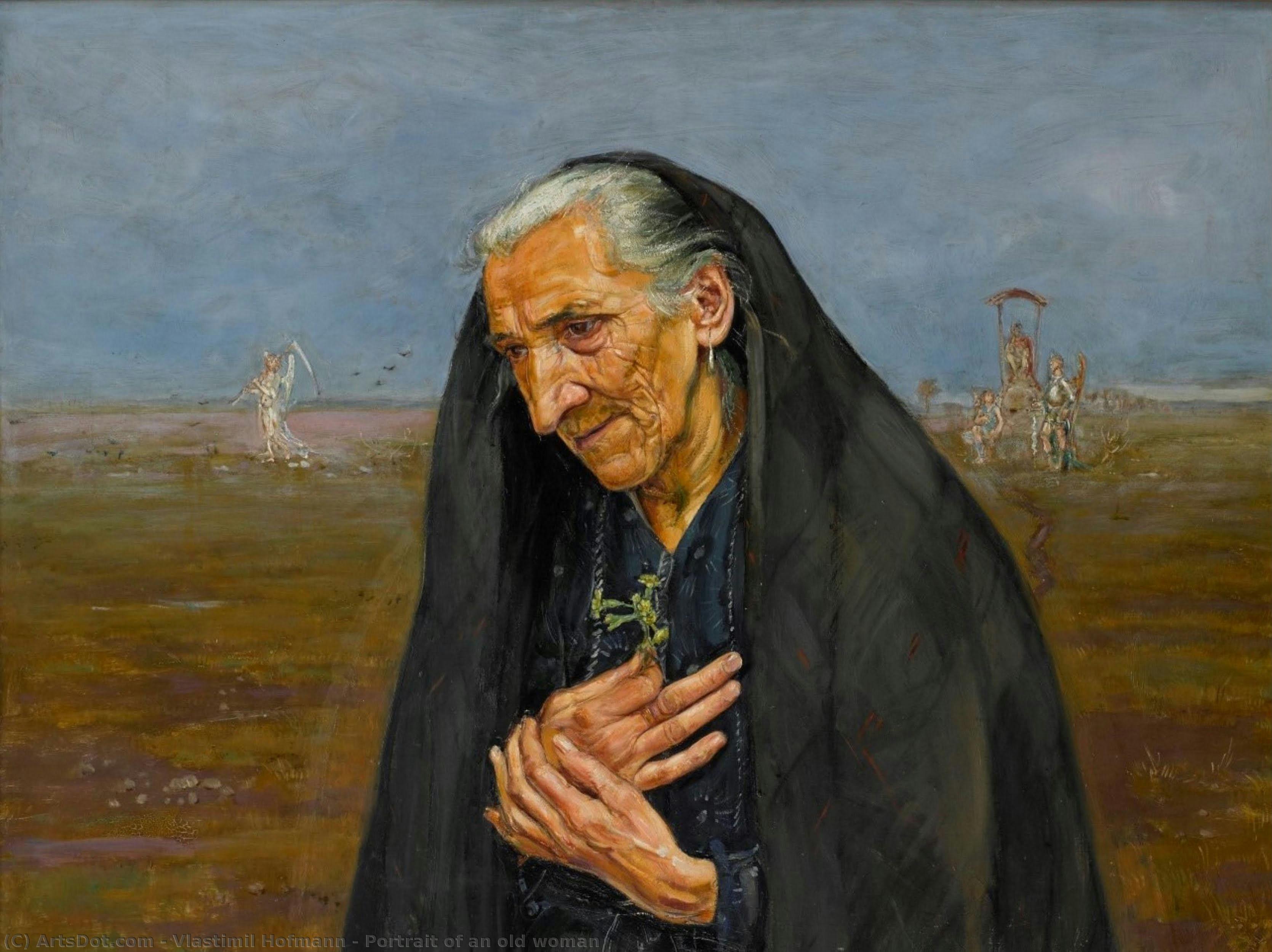
 プレビュー
プレビュー
 シェアする
シェアする シェアする
シェアする
 詳細を見る
詳細を見る

 ダウンロード
 似ている作品
 X線調査
X線調査 スライドショー
 Stats
StatsPortrait of an old woman


 詳細を見る
詳細を見る
オンラインプレビューをはるかに凌ぐ、高解像度で鮮明なデジタル画像をご購入いただけます。
各ファイルは、社内の専門家が高度なツールと熟練した手作業によるレタッチを用いて、細心の注意を払って準備されています。すべての画像において、卓越した鮮明度、正確な色彩再現性、そして繊細なディテールを保証いたします。
最終ファイルは、プロフェッショナルな編集・印刷環境ですぐにご利用いただけるよう最適化された状態で、72時間以内にメールにてお届けいたします。これは、一流のデザインスタジオ、出版社、ギャラリーから信頼されているものと同等の品質です。
デジタルアート
個人での鑑賞、印刷、クリエイティブなプロジェクト用に、高解像度ファイルをダウンロードできます。 ( Switch to Print 手描きの絵画を購入)
デジタル画像のご注文に付随する特典
高品質なデジタル画像配信を、確かな品質で。
ArtsDot.com を選ぶことは、単に画像を手に入れることではありません。それは、プロの手によって精密に仕上げられ、満足保証が付いた高品質なデジタルアートワークを受け取ることを意味します。ご注文いただいた際に自動的に付随する内容は、以下の通りです:

メールですぐにお届け
ご注文から72時間以内に、高解像度のデジタル画像ファイルがメールでお手元に届きます。すぐにそのままご利用いただけます。

AI技術で最適化されたデジタルファイル
お客様の作品は、高度なAIツールと専門家による手作業の編集を組み合わせてプロフェッショナルに最適化されており、細部のディテール、鮮明さ、そして正確な色再現性を最大限に引き出しています。

一生涯無料の再送サービス
ファイルを誤って削除したり、紛失してしまったりしましたか?ご安心ください。いつでも無料で再送いたします。

輸入手数料は一切かかりません
関税や手数料、配送料を気にすることなく、お気に入りのアートワークをすぐにお楽しみいただけます。デジタルダウンロードは常に免税です。

色彩再現の保証
プロ仕様のツールとカラーマネジメント技術を用いることで、デジタル画像が元の色を最大限に忠実に再現することを保証いたします。

100日間満足保証
ご購入いただいたデジタル画像にご満足いただけない場合は、100日以内であれば、理由を問わず修正または100%の返金対応をさせていただきます。

100% 返金保証
ご満足いただけない場合は、デジタルファイルを受け取ってから100日以内であれば、理由を問わず全額返金いたします。

まとめ買い割引
3枚購入で10%OFF - 5枚購入で15%OFF - 10枚以上購入で20%OFF。クリエイティブなプロジェクト、ギャラリー、エージェンシーに最適です。
関連作品
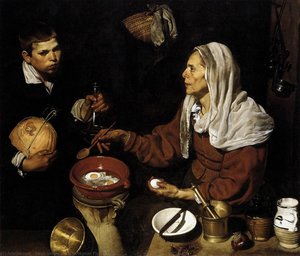
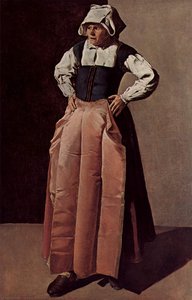
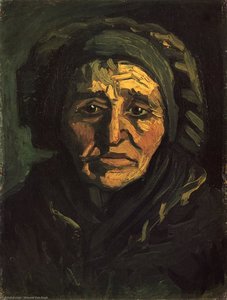
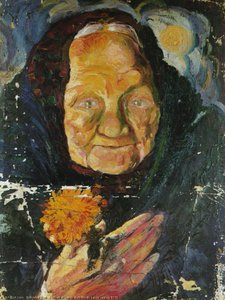
作家の略歴
A Life Bridging Cultures: The Evocative World of Vlastimil Hofmann
Vlastimil Hofmann, often known as Wlastimil Hofman, was a painter whose life and work embodied the complex cultural currents of Central Europe in the first half of the 20th century. Born in Prague in 1881 to a Czech father and Polish mother, his artistic journey became a poignant reflection of his dual heritage and the turbulent times he lived through. He wasn’t simply a painter; he was a visual poet who translated spiritual yearning and human emotion onto canvas with a distinctive blend of symbolism and realism. His early life in Prague provided a foundation steeped in Bohemian artistic traditions before his family relocated to Kraków, Poland, in 1889—a move that would profoundly shape his identity as a Polish artist while retaining the subtle nuances of his Czech upbringing. He began formal training at the Academy of Fine Arts in Kraków under the tutelage of Jacek Malczewski, a leading figure in Polish Symbolism, and later refined his skills at the prestigious École nationale supérieure des Beaux-Arts in Paris. These formative experiences laid the groundwork for a career that would see him become one of the most popular artists of the interwar and postwar periods.The Rise of a Symbolic Voice: Early Works & Recognition
Hofmann’s artistic debut came with exhibitions organized by the ‘Sztuka’ society in 1902, marking the beginning of his public recognition. He quickly established himself through participation in shows across Europe—Munich, Amsterdam, Rome, Berlin, Prague, and Warsaw all became stages for his evolving style. However, it was his series of “village madonnas,” initiated in 1904, that truly captured the public imagination. These weren’t traditional depictions of the Virgin Mary; they were intimate portrayals of peasant women imbued with a quiet dignity and spiritual depth. He followed this success with the ‘Confession’ cycle, begun in 1905, which brought him international acclaim. This series delved into themes of guilt, redemption, and the human condition, showcasing his mastery of psychological nuance and symbolic imagery. In 1907, he was invited to join the Vienna Secession gallery—a testament to the growing recognition of his innovative approach to painting. These early works demonstrate a clear departure from purely academic styles, embracing instead an emotional intensity that resonated with the burgeoning Expressionist movement while maintaining a uniquely personal vision.Navigating War and Displacement: A Testament to Resilience
The outbreak of World War II dramatically altered Hofmann’s life trajectory. Married to a Jewish woman, he was forced to flee Poland in 1939 as Nazi persecution intensified. His escape took him on a harrowing journey through the Soviet Union and Turkey before finally reaching Palestine. This period of displacement profoundly impacted his artistic output, though documentation from this time is scarce. The trauma of exile undoubtedly informed his later work, adding layers of sorrow and resilience to his already emotionally charged compositions. After the war, he returned to Poland, determined to rebuild his life and continue his artistic practice. Despite the hardships endured, Hofmann’s commitment to his craft remained unwavering—a testament to the power of art as a means of personal expression and cultural preservation.Themes & Techniques: A Synthesis of Spirituality and Realism
Hofmann's oeuvre is characterized by a powerful synthesis of spirituality and realism. His paintings often feature religious or mythological subjects, but they are rarely presented in a conventional manner. He imbued everyday scenes with symbolic meaning, elevating the ordinary to the level of the sacred. The “village madonnas,” for example, weren’t idealized representations; they were portraits of real women, their faces etched with the hardships and joys of life. His technique was equally distinctive—characterized by realistic brushstrokes combined with a deliberate use of impasto to create texture and depth. He employed a muted color palette that evoked a sense of melancholy and introspection. His ability to convey emotion through subtle gestures and nuanced expressions set him apart from his contemporaries. He wasn’t interested in grand narratives or dramatic spectacle; he focused instead on the inner lives of his subjects, exploring themes of faith, loss, and redemption with quiet intensity.Legacy & Historical Significance: A Bridge Between Worlds
Vlastimil Hofmann died in Szklarska Poreba, Poland, in 1970, leaving behind a rich artistic legacy. He remains an important figure in Polish art history, celebrated for his unique blend of symbolism and realism. His work offers a poignant glimpse into the cultural complexities of Central Europe during a period of profound change and upheaval.- His paintings continue to resonate with audiences today, offering a timeless exploration of universal human emotions.
- He bridged the gap between traditional artistic styles and the emerging Expressionist movement.
- Hofmann’s life story—marked by displacement and resilience—serves as a powerful reminder of the importance of art as a means of cultural preservation and personal expression.
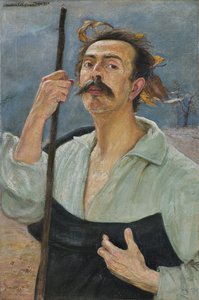
vlastimil hofmann
1881 - 1970 , Czech Republic
プロフィール概要
- Artistic Movement Or Style: Symbolic painting
- Date Of Birth: 1881
- Date Of Death: 1970
- Full Name: Vlastimil Hofmann
- Nationality: Polish
- Notable Artworks:
- Confession Series
- Village Madonnas
- Place Of Birth: Prague, Czech Republic