 プレビュー
プレビュー
 シェアする
シェアする シェアする
シェアする
 詳細を見る
詳細を見る

 ダウンロード
 似ている作品
 X線調査
X線調査 スライドショー
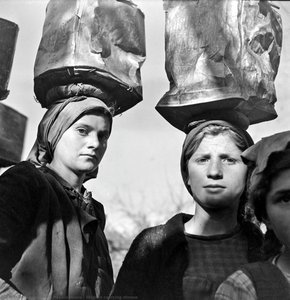
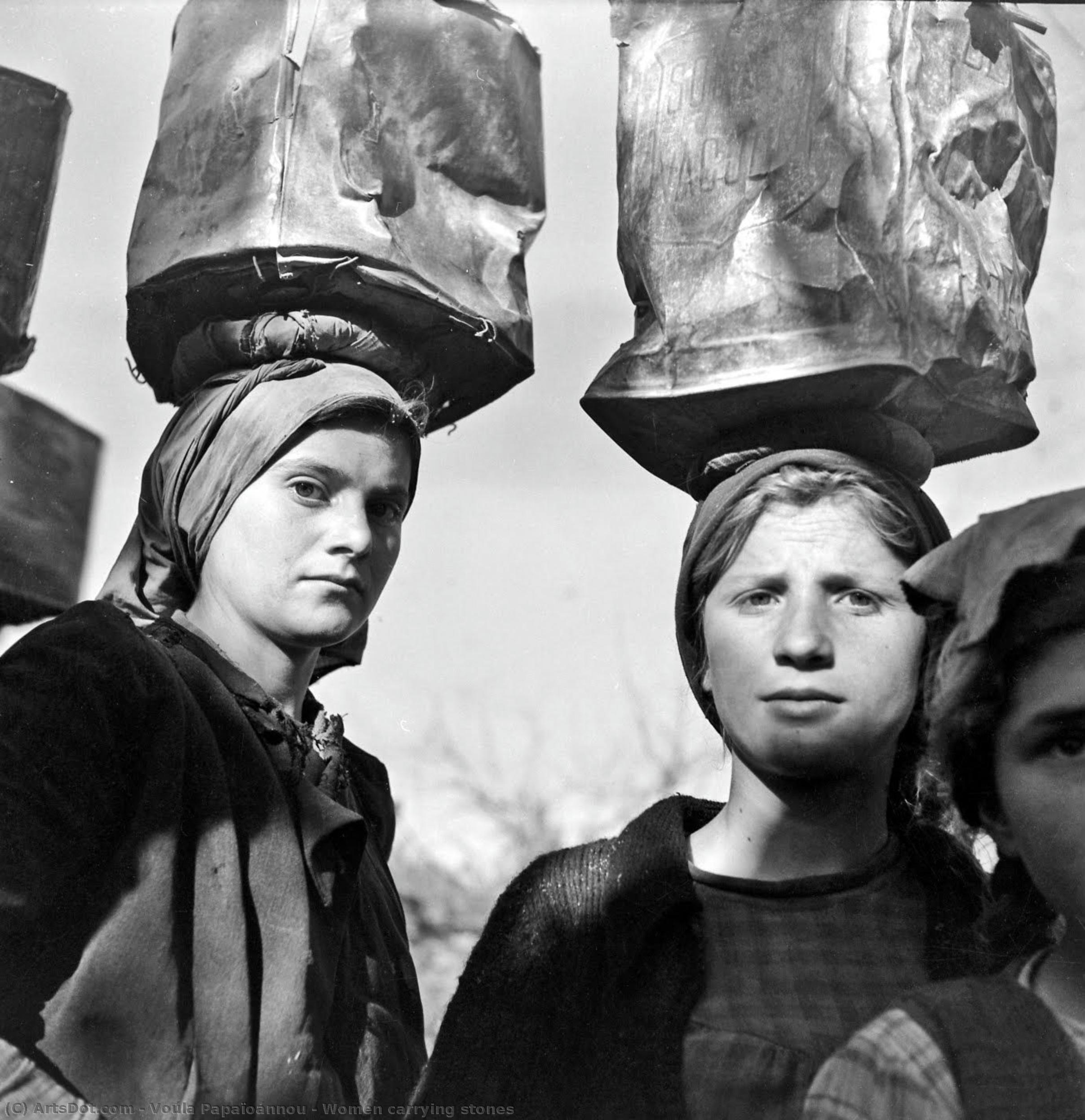
女性石を運ぶ人々


 詳細を見る
詳細を見る
ジークレー/アートプリント
迅速な制作と多彩な仕上げオプションを備えた、ミュージアムクオリティのジークレーまたはキャンバスプリント。 ( 手描きの絵画を購入 画像を購入)




P118B $10

P118H $10

P118W $10

P438Z $10

P508JH $12

P508YH $12

P805H $10

P805Z $10

P919BZ $10

P919G $10

P919XJ $10

P959ZH $10

P968JZ $12

W106C $8

W218G $10

W218JH $8

W218Y $10

W307PJ $10

W316G $10

W316PJ $8

W316Y $10

W398PJ $8

W4111J $10

W500HY $15

W500JH $15

W692G $12

W849H $8

W940BG $15

W953PJ $8




作品のオリジナル比率に合わせた、当店の規定サイズからお選びください。

特定のフレームやスペースに合わせて、ご自身でサイズを指定することも可能です。選択されたサイズが元の画像の比率と一致しない場合、作品をトリミングするか、鏡面反射または単色での塗りつぶしによって画像を拡張いたします。制作を開始する前に、ご確認用のデジタルモックアップをお送りいたします。
画面上のプレビューには、実際のトリミングや拡張は反映されませんのでご注意ください。最終的な構図を正確に確認できるのは、モックアップのみとなります。
カスタムサイズも承っておりますが、元の比率を維持するためには、あらかじめ用意されたリストからサイズを選択することをお勧めいたします。


 ガラスオプションは、110cm未満のサイズでのみご利用いただけます。

女性石を運ぶ人々
ジークレー/アートプリント
複製画のサイズ
-


合計金額
$ 62
作品詳細説明
女性が石を運ぶ絵画:ヴォウラ・パパイオアンヌの作品について
ヴォウラ・パパイオアンヌは、ギリシャの文化的な風景を捉え、人間の感情に訴える写真家でした。彼女の作品「女性が石を運ぶ」は、戦争時代のギリシャの人々と彼らの苦境を記録したものであり、労働、伝統、そして社会的なリアリズムといったテーマを表現しています。この作品は、その静謐な美しさと技術的な卓越性によって、現代アートの世界でも高く評価されています。 ### 作品の概要と構成要素 この絵画は、黒と白で構成されたドキュメンタリー写真であり、特に詳細な観察力と繊細な表現力が特徴です。パパイオアンヌは、アテネポリテクニク大学で美術を学び始め、その後は風景や建築物などの歴史的な建造物を撮影することに情熱を注ぎました。彼女の作品は、単なる記録を超えたものであり、人間の精神と感情を深く表現しています。「女性が石を運ぶ」は、その中でも特に印象的な作品の一つとして知られています。 ### 光と構成における技術的工夫 絵画全体で用いられた自然光は、柔らかく拡散しており、影を作り出すことで形を定義しつつも過度なコントラストを生み出していません。これは、パパイオアンヌが撮影した風景写真の特徴であり、彼女の作品に独特の雰囲気を与えています。また、絵画の中心となる女性たちの顔と周囲の背景は、シャープなピントを設定することで強調されています。この技術的な工夫は、「女性が石を運ぶ」の静謐さをさらに際立たせます。 ### 作品の象徴性と感情的影響 絵画全体で表現された労働というテーマは、ギリシャ社会における伝統的な価値観と苦境の中で生きる人々の姿を描き出しています。「女性が石を運ぶ」は、その中で特に力強さと決意といった感情を呼び起こします。黒と白のモノクロームカラーは、絵画に timeless な雰囲気を与え、このシーンが歴史の中でどこでも繰り返された可能性を示唆しています。パパイオアンヌの作品は、見る人に感動と共感をもたらし、人間の精神と美しさについて考えさせます。 ### 作品の展示場所と評価 この絵画は、ベナキ美術館で展示されており、その美しい構図と繊細な色彩表現は多くの人々を魅了しています。ベナキ美術館は、ギリシャ美術のコレクションの中でも特に優れた作品を誇っており、「女性が石を運ぶ」はその中でも特別な位置を占めています。この絵画は、現代アートの世界で高く評価されており、その技術的な卓越性と感情的な深さが多くのコレクターやインテリアデザイナーに愛されています。関連作品
アーティストの略歴
The Lens of Resilience: The Life and Legacy of Voúla Papaioannou
Emerging from the cultural heart of Lamia, Greece, Voúla Papaioannou (1898–1990) was far more than a mere chronicler of her era; she was a visual poet who captured the very soul of a nation in transition. Born into a family where artistic tradition flourished, Papaioannou’s journey began with an academic foundation at Athens Polytechnic University. This early training instilled in her a technical precision and an eye for structural elegance that would later define her signature style. Her initial explorations were deeply rooted in the physical essence of Greece, focusing on the quiet majesty of landscapes and the enduring strength of architectural monuments. Through these early works, she established a mastery of light and shadow, using the monochrome palette to emphasize the weathered textures and geometric grace of the Greek terrain.
However, the trajectory of her art was irrevocably altered by the shadows of World War II. As the German occupation descended upon Greece, Papaioannou’s camera transitioned from capturing beauty to documenting survival. This period marked her evolution into a practitioner of profound social realism. She moved away from the static elegance of monuments to find the raw, pulsing heartbeat of humanity amidst catastrophe. Her photographs from this era, such as the haunting Soup-kitchen during the German Occupation (1941), serve as visceral testaments to the resilience of the Greek spirit. In these frames, the struggle for sustenance and the quiet dignity maintained under extreme hardship are rendered with a sensitivity that transcends simple journalism, turning historical documentation into enduring art.
A Humanist Vision: Portraits and Postwar Reflections
In the wake of the war, Papaioannou’s work underwent a further refinement, shifting her focus toward the intimate and the individual. She became a master of the humanistic portrait, possessing a rare ability to capture the fleeting nuances of emotion. Her lens often sought out the most vulnerable members of society, particularly children, whose faces reflected both the innocence of youth and the heavy imprint of recent history. Works like Portrait of a young girl (1949) demonstrate her unparalleled skill in using subtle visual cues—a downward glance, a reflective posture—to evoke deep empathy in the viewer. This period of her career solidified her reputation as an artist who could find profound meaning in the quietest moments of human existence.
Beyond the intimate portrait, Papaioannou continued to celebrate the timeless identity of Greece through her architectural studies. Her 1950 photograph, Island of Santorini, remains a cornerstone of her oeuvre, immortalizing the Cycladic landscape with a masterful use of black and white tones. In this piece, the interplay of light on whitewashed walls and the stark geometry of the architecture create a sense of eternal beauty that feels both grounded in reality and elevated by art. Her ability to oscillate between the monumental and the microscopic—between the vastness of an island and the expression in a child's eye—is what defines her unique artistic contribution.
Historical Significance and Lasting Impact
The historical weight of Papaioannou’s archive cannot be overstated. Her body of work functions as a vital social record, preserving the memory of a transformative and often traumatic era for the Greek people. By documenting both the architectural heritage and the human struggle, she provided a dual perspective on national identity: one rooted in the permanence of stone and the other in the fragility of life. Today, her legacy is preserved through institutions such as the Benaki Museum, where her collection continues to offer scholars and art lovers alike a poignant glimpse into the Greek experience.
The enduring power of her photography lies in its ability to transcend time. While her subjects were often bound by the specific hardships of the mid-20th century, the themes she explored—resilience, vulnerability, and the search for beauty amidst chaos—are universal. Through her meticulous observation and profound empathy, Voúla Papaioannou ensured that the faces and landscapes of a pivotal moment in history would never be forgotten, leaving behind a visual legacy that remains as striking and essential today as it was during her lifetime.
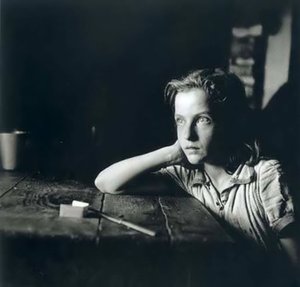
voúla papaïoánnou
1898 - 1990 , Greece
基本情報
- Artistic Movement Or Style: Documentary photography
- Date Of Birth: 1898
- Full Name: Voula Papaioannou
- Nationality: Greek
- Notable Artworks:
- Island of Santorini
- View of Lycabettus from the Acropolis
- Portrait of a young girl
- Place Of Birth: Lamia, Greece
関連記事

Monochrome Visions: Exploring the Aesthetic & Historical Significance of Black & White Photography
Explore the rich history & artistic power of black and white photography. From early techniques to iconic masters like Ansel Adams, discover why monochrome continues to captivate art lovers today. Expert insights for collectors.
Witnessing History Through Lens & Light: Documentary Photography's Enduring Legacy
Explore the powerful history of documentary photography – from its origins to contemporary masters like Gordon Parks & W. Eugene Smith. Discover how this art form shapes our understanding of society and witness pivotal moments in time.
Documentary Photography's Defining Moments: 10 Masterpieces for Your Home |
Explore 10 defining documentary photography masterpieces – from Dorothea Lange to Robert Capa. Discover powerful stories, iconic images & timeless art for your home. Museum-quality prints at .
Witnessing History: Documentary Photography as an Art Movement
Explore the powerful history of documentary photography – from its origins to contemporary masters like Gordon Parks. Discover how this art form shapes our understanding of society and witness pivotal moments in time.
Beyond the Lens: Photography's Enduring Influence on Modern & Contemporary Art
Explore photography's pivotal role in shaping modern & contemporary art. Discover key movements, influential artists like Stieglitz, and expert collecting advice from ArtsDot.