

 プレビュー
プレビュー
 プリントを購入
 シェアする
シェアする シェアする
シェアする
 詳細を見る
詳細を見る

 ダウンロード
 似ている作品
 X線調査
X線調査 スライドショー
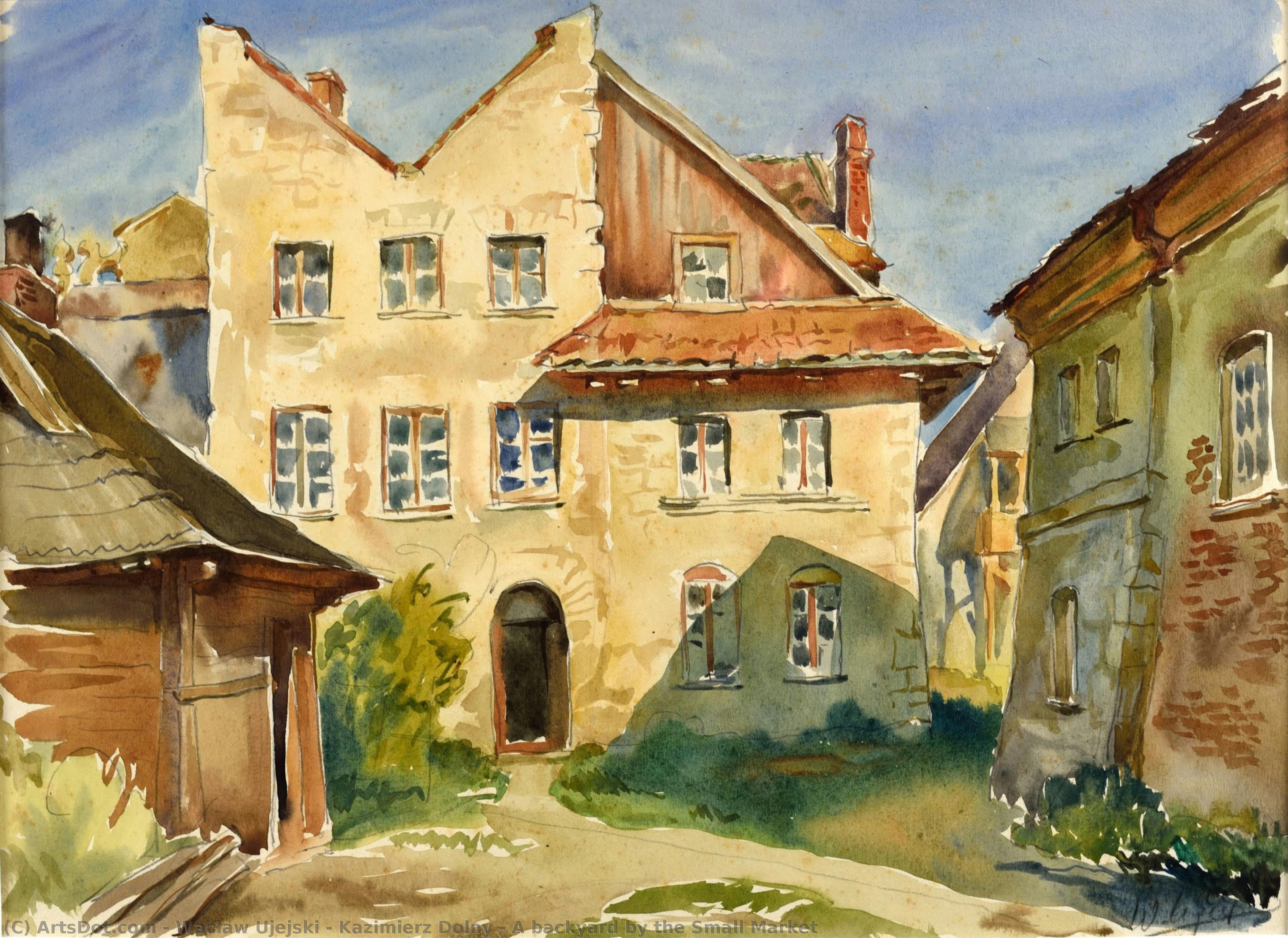
Kazimierz Dolny - A backyard by the Small Market


 詳細を見る
詳細を見る




P118B $10

P118H $10

P118W $10

P438Z $10

P508JH $12

P508YH $12

P805H $10

P805Z $10

P919BZ $10

P919G $10

P919XJ $10

P959ZH $10

P968JZ $12

W106C $8

W218G $10

W218JH $8

W218Y $10

W307PJ $10

W316G $10

W316PJ $8

W316Y $10

W398PJ $8

W4111J $10

W500HY $15

W500JH $15

W692G $12

W849H $8

W940BG $15

W953PJ $8




作品のオリジナル比率に合わせた、当店の規定サイズからお選びください。

特定のフレームやスペースに合わせて、ご希望のサイズをご入力いただけます。選択されたサイズが元の画像の比率と異なる場合、アートワークをトリミングするか、手描きで要素を追加して絵画を拡張いたします。デジタルモックアップ を制作し、制作開始前にご確認(承認)をいただきます。
画面上のプレビューは、実際のトリミングや拡張を正確に反映しているものではありません。最終的な構図は、モックアップによってのみ正確にご確認いただけます。
カスタムサイズもご利用いただけますが、元の比率を維持するためには、あらかじめ用意されたリストからサイズを選択することをお勧めいたします。
ご注文後、ArtsDot.com チームより詳細な指示をお送りするとともに、仕上がりイメージ(モックアップ)をご提供いたします。


 ガラスオプションは、110cm未満のサイズでのみご利用いただけます。

Kazimierz Dolny - A backyard by the Small Market
複製技法
複製画のサイズ
-


合計金額
$ 263
A Window into Polish Nostalgia
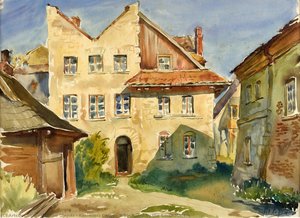
In the delicate, translucent layers of Wacław Ujejski’s 1960 watercolor, Kazimierz Dolny - A Backyard by the Small Market, we are invited to step through a portal into a bygone era of Polish tranquility. The painting captures a quiet corner of one of Poland's most enchanting towns, where the architecture tells a story of endurance and communal life. At its heart lies a commanding brick structure, its many windows acting as silent observers to the passage of time. Surrounding this central edifice, smaller buildings nestle together, creating a sense of architectural intimacy that is characteristic of the region's historic charm. The presence of soft greenery and trees interspersed among the masonry breathes life into the scene, softening the edges of the urban landscape and grounding the composition in the natural beauty of the Vistula River valley.
The artist’s technique employs the fluid, ethereal qualities of watercolor to evoke a profound sense of atmosphere. Rather than focusing on sharp, clinical lines, Ujejski utilizes subtle washes of color to suggest the texture of weathered brick and the play of light upon cobblestone streets. A single parked car near the edge of the frame serves as a poignant temporal marker, anchoring this nostalgic vision in the mid-20th century while simultaneously highlighting the stillness of the moment. This mastery of light and shadow creates a dreamlike quality, where the boundaries between the physical structures and the surrounding air seem to blur, inviting the viewer to linger within the scene's quietude.
The Poetic Soul of the Landscape
To understand this work, one must consider the unique dual identity of its creator. Wacław Ujejski was not merely a painter but a celebrated poet, and this literary sensibility is deeply embedded in his visual output. Every brushstroke in A Backyard by the Small Market feels like a stanza in a poem about memory and place. There is a symbolic weight to the way he depicts the town; it is not just a topographical study of Kazimierz Dolny, but an emotional landscape that speaks to the resilience of Polish culture amidst the political uphevers of the 20th century. The painting captures the "essence" of daily life—the unhurried, rhythmic pulse of a small town that remains untouched by the frantic pace of modernity.
For the discerning collector or interior designer, this piece offers more than mere decoration; it provides an emotional anchor for a room. Its palette of earthy tones and soft greens integrates seamlessly into sophisticated, classic, or even rustic interiors, offering a focal point that inspires contemplation and peace. As a high-quality reproduction, this artwork brings the historical soul of Poland into the contemporary home, serving as a conversation piece that celebrates the enduring beauty of heritage, the quiet dignity of architecture, and the timeless allure of the nostalgic past.
関連作品

アーティストの略歴
A Poet’s Brush: The Evocative World of Wacław Ujejski
Wacław Ujejski (1902-1982) remains a compelling, yet somewhat enigmatic figure in the landscape of Polish 20th-century art. Primarily known as a poet, his artistic endeavors extended into painting, creating a unique synergy between word and image that captured the spirit of a changing Poland. While biographical details are scarce, Ujejski’s work speaks volumes – a testament to a sensitive soul deeply connected to the land and its people. He wasn't merely documenting scenes; he was translating emotions onto canvas, imbuing his landscapes and portraits with a symbolic weight that resonates even today. His artistic journey unfolded against a backdrop of immense political and social upheaval, shaping both his poetic voice and his visual style.Early Life and Artistic Beginnings
Born in Poland in 1902, Ujejski’s early life remains largely undocumented. What is known is that he possessed an innate sensitivity to the beauty of the natural world, a quality that would become central to his artistic expression. The formative years likely instilled within him a deep appreciation for Polish folklore and rural traditions – themes that frequently appear in his paintings. While formal art training details are limited, it’s clear Ujejski developed a distinctive style characterized by a gentle lyricism and a subtle use of color. He wasn't driven by the avant-garde movements sweeping Europe; instead, he forged his own path, rooted in observation and personal feeling. His poetry undoubtedly influenced his painting, and vice versa, creating a holistic artistic vision where both mediums informed each other.Themes and Symbolism
Ujejski’s paintings are often imbued with a quiet symbolism that invites contemplation. Landscapes dominate his oeuvre, particularly those depicting Kazimierz Dolny, a town on the Vistula River which held a special significance for him. These aren't simply picturesque views; they represent a longing for a simpler past, a connection to the Polish countryside threatened by modernization and political turmoil. Portraits also feature prominently, often capturing the dignity and resilience of rural inhabitants. The artist frequently employed muted color palettes, creating an atmosphere of nostalgia and melancholy. Recurring motifs include orchards, gardens, and traditional wooden architecture – symbols of Polish identity and cultural heritage. His work subtly reflects a sense of loss and displacement, hinting at the anxieties of a nation grappling with its own history and future.Style and Technique
Ujejski’s painting style is best described as lyrical realism, though it resists easy categorization. He wasn't concerned with photographic accuracy; rather, he sought to capture the essence of his subjects, their emotional weight and spiritual significance. His brushwork is delicate and precise, creating a sense of intimacy and immediacy. The artist’s use of light is particularly noteworthy – often soft and diffused, it bathes his scenes in a gentle glow, enhancing their atmospheric quality. He favored oil paints, allowing him to achieve rich textures and subtle gradations of color. While not overtly expressive, his technique conveys a profound sense of feeling, drawing the viewer into the emotional world of his paintings. His work stands apart from many contemporary movements, embracing a quiet introspection rather than bold experimentation.Legacy and Historical Significance
Though Ujejski’s artistic output may not be widely known internationally, he holds an important place in Polish art history. He represents a unique voice – a poet who translated his lyrical sensibility into evocative paintings that captured the spirit of early 20th-century Poland. His work offers a poignant glimpse into a vanishing way of life, preserving memories and traditions threatened by political upheaval and modernization.- His landscapes serve as powerful reminders of the beauty and fragility of the Polish countryside.
- His portraits celebrate the dignity and resilience of rural communities.
- Ujejski’s art continues to resonate with audiences today, offering a timeless reflection on themes of identity, loss, and belonging.
wacław ujejski
1902 - 1982 , Poland
基本情報
- Artistic Movement Or Style: Landscape Painting
- Artists Or Movements Influenced By This Artist: ['Szkoła Warszawska']
- Artists Who Influenced This Artist: ['Tadeusz Pruszkowski']
- Date Of Birth: April 1, 1902
- Full Name: Wacław Ujejski
- Nationality: Polish
- Notable Artworks: ['Kazimierz Dolny - A backyard by the Small Market']
- Place Of Birth: Kielce, Poland
関連記事
Watercolor Wonders: 10 Masterpieces That Redefined Art History | ArtsDot
Journey through 10 legendary watercolor masterpieces by Sargent, Turner & Homer! Explore iconic landscapes, portraits & floral art that redefined history. Find museum-quality reproductions and curated decor ideas at ArtsDot.com.
Ephemeral Visions: Exploring the Artistic Legacy & Contemporary Practice of Watercolor Painting
Explore the captivating world of watercolor painting! Discover its rich history, essential techniques, influential artists & collecting tips. A comprehensive guide for art enthusiasts from ArtsDot.
Ephemeral Visions: Exploring the History & Emotional Resonance of Watercolor Painting
Explore the captivating history of watercolor painting, from ancient techniques to modern masters like Kandinsky & Blake. Discover essential artists, collecting tips & the emotional power of this luminous medium. Expert insights for art enthusiasts.
Ephemeral Visions: Exploring the Artistic Legacy & Nuances of Watercolor Painting
Explore the captivating world of watercolor painting! Discover its rich history, essential techniques, influential artists & collecting tips from art experts. A comprehensive guide for enthusiasts.
水彩の永続的な魅力:歴史、技法、そして現代の実践
水彩画の歴史、技法、現代の実践を深く探求。巨匠たちの名画から初心者向けテクニックまで解説。ArtsDot.comでは高品質な複製画やカスタムポートレートをご提供します。アートコンサルテーションも受付中。

