

 プレビュー
プレビュー
 シェアする
シェアする シェアする
シェアする
 詳細を見る
詳細を見る

 ダウンロード
 似ている作品
 X線調査
X線調査 スライドショー
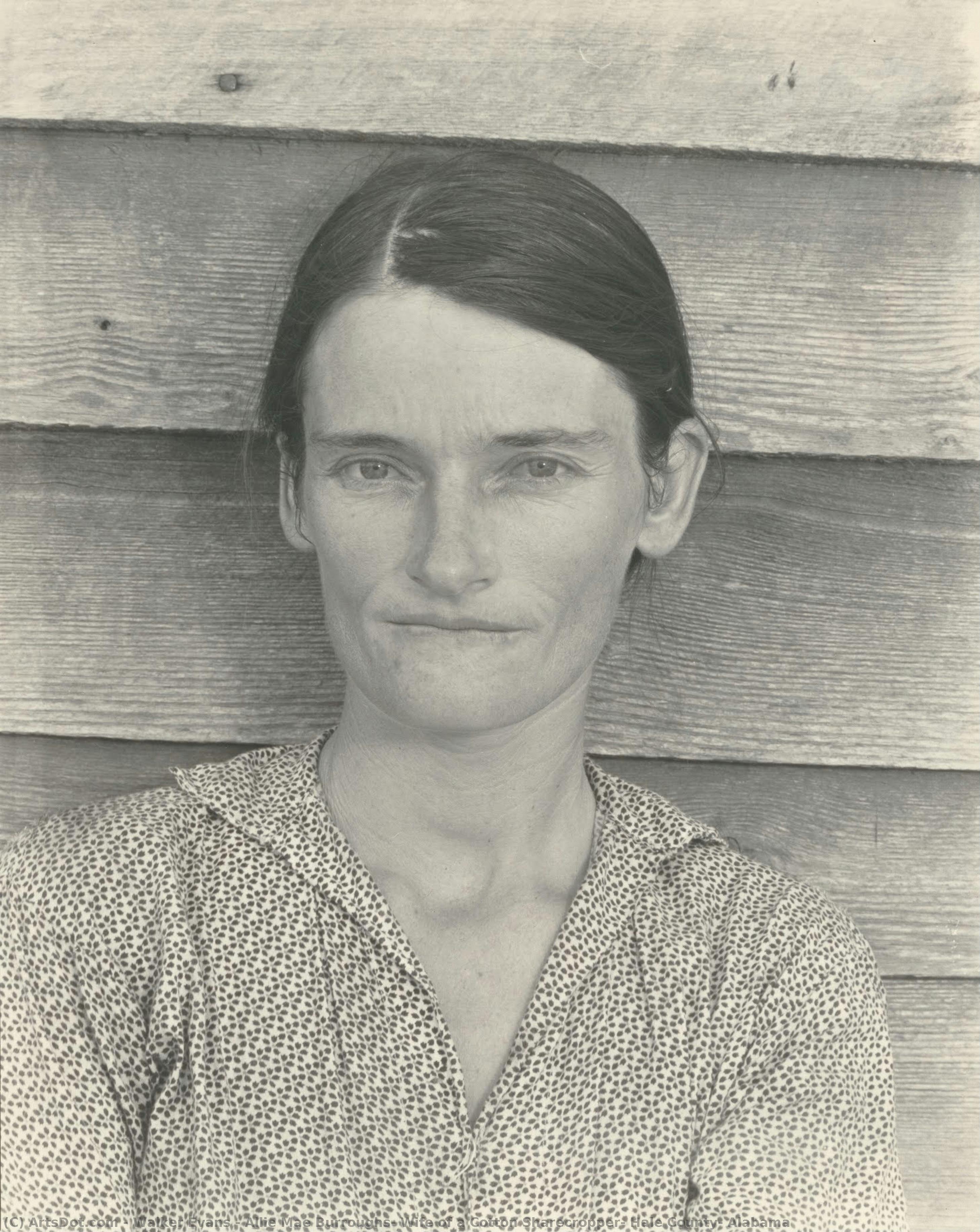
Allie Mae Burroughs, Wife of a Cotton Sharecropper, Hale County, Alabama
 Acrylic On Canvas
- WallArt
- Documentary Photography
 1936
1936 24.0 x 19.0 cm
 J・ポール・ゲティ美術館
 詳細を見る
詳細を見る
ジークレー/アートプリント
迅速な制作と多彩な仕上げオプションを備えた、ミュージアムクオリティのジークレーまたはキャンバスプリント。 ( 手描きの絵画を購入 画像を購入)




P118B $10

P118H $10

P118W $10

P438Z $10

P508JH $12

P508YH $12

P805H $10

P805Z $10

P919BZ $10

P919G $10

P919XJ $10

P959ZH $10

P968JZ $12

W106C $8

W218G $10

W218JH $8

W218Y $10

W307PJ $10

W316G $10

W316PJ $8

W316Y $10

W398PJ $8

W4111J $10

W500HY $15

W500JH $15

W692G $12

W849H $8

W940BG $15

W953PJ $8




作品のオリジナル比率に合わせた、当店の規定サイズからお選びください。

特定のフレームやスペースに合わせて、ご自身でサイズを指定することも可能です。選択されたサイズが元の画像の比率と一致しない場合、作品をトリミングするか、鏡面反射または単色での塗りつぶしによって画像を拡張いたします。制作を開始する前に、ご確認用のデジタルモックアップをお送りいたします。
画面上のプレビューには、実際のトリミングや拡張は反映されませんのでご注意ください。最終的な構図を正確に確認できるのは、モックアップのみとなります。
カスタムサイズも承っておりますが、元の比率を維持するためには、あらかじめ用意されたリストからサイズを選択することをお勧めいたします。


 ガラスオプションは、110cm未満のサイズでのみご利用いただけます。

Allie Mae Burroughs, Wife of a Cotton Sharecropper, Hale County, Alabama
ジークレー/アートプリント
複製画のサイズ
-


合計金額
$ 62
A Portrait of Resilience: Walker Evans’s Allie Mae Burroughs
Walker Evans's photograph, "Allie Mae Burroughs, Wife of a Cotton Sharecropper, Hale County, Alabama," isn't merely a snapshot; it’s a poignant window into the heart of the American Depression. Captured in 1936 during his work for the Farm Security Administration, this image transcends its documentary origins to become a powerful meditation on dignity, hardship, and the quiet strength of an ordinary woman facing extraordinary circumstances. The photograph, now housed at both the J. Paul Getty Museum and the Metropolitan Museum of Art, remains one of Evans’s most enduring works, not for its technical brilliance alone, but for the profound humanity it conveys.
The scene unfolds within the humble confines of Allie Mae Burroughs's four-room cabin in Hale County, Alabama – a landscape scarred by poverty and the relentless cycle of sharecropping. The composition is strikingly simple: Allie Mae stands against the rear wall of her home, bathed in the diffused light that characterizes Evans’s work. Her posture is direct, almost defiant; she holds her hands on her hips, a gesture simultaneously protective and wary. The wooden fence behind her anchors the image within its rural context, while the blurred figures in the background hint at the family's precarious existence – a husband toiling in the fields, children needing care.
The Language of Observation: Evans’s Photographic Style
Evans’s approach was revolutionary for his time. He eschewed the staged portraits favored by many FSA photographers, instead opting for candid moments that revealed the truth of American life. His technique is characterized by a deliberate lack of embellishment; he used a simple gelatin silver print process, emphasizing the textures and tones of the paper itself. The black-and-white palette amplifies the starkness of the scene, highlighting the weariness etched on Allie Mae’s face and the weathered simplicity of her surroundings. The slightly soft focus contributes to an intimate feel, drawing the viewer into this private moment.
Crucially, Evans didn't impose his own narrative onto the subjects he photographed. He allowed them to speak through their expressions and gestures. This is evident in Allie Mae’s gaze – it’s not a passive acceptance of her circumstances, but rather a quiet assessment, a subtle challenge to the viewer. The photograph captures a fleeting moment of resilience, a refusal to be defined solely by poverty or circumstance.
Symbolism and Context: The Weight of Sharecropping
Understanding the context of sharecropping is vital to interpreting this image fully. This system, prevalent in the South during the early 20th century, trapped countless families in cycles of debt and dependence. Farmers worked the land for a portion of the crop’s yield, leaving them perpetually vulnerable to fluctuations in market prices and the demands of their landlords. Allie Mae's husband, Floyd Burroughs, was a halver, meaning he received half of his harvest – a meager reward for backbreaking labor.
The photograph becomes a visual representation of this systemic injustice. It’s not just about a single woman; it’s about the countless individuals trapped within this exploitative system. The image serves as a stark reminder of the human cost of economic hardship and the enduring struggle for dignity in the face of adversity.
Emotional Resonance: A Portrait of Quiet Strength
Despite the bleak circumstances depicted, "Allie Mae Burroughs" is not a photograph of despair. Instead, it’s imbued with a remarkable sense of quiet strength and dignity. Allie Mae's posture, her direct gaze, and the subtle tension in her face convey a profound resilience – a refusal to be broken by circumstance. The image invites us to contemplate the complexities of human experience, reminding us that even in the darkest of times, the spirit endures.
Reproductions of this iconic photograph offer a powerful way to connect with this historical moment and appreciate Evans’s extraordinary ability to capture the essence of humanity. It's a piece that continues to resonate deeply today, serving as a testament to the enduring power of photography to illuminate truth and evoke empathy.
関連作品

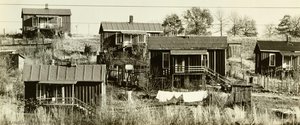
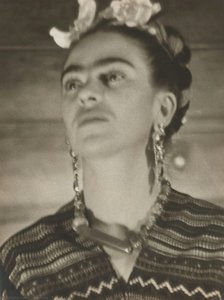
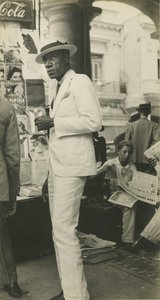
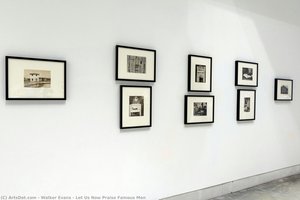
アーティストの略歴
アメリカの目撃者:ウォーカー・エヴァンスの生涯と遺産
1903年にセントルイスで生まれたウォーカー・エヴァンスは、アメリカ写真史における極めて重要な人物としてその名を刻みました。彼の名は、大恐慌時代の視覚的な記録と分かちがたく結びついています。しかし、彼を単にこの時代の一人の写真家として定義してしまうことは、彼の芸術的ビジョンの広がりと、後世に与えた永続的な影響を過小評価することに他なりません。彼の歩みは絶え間ない探求のプロセスでした。文学への志から始まり、やがて独自の観察眼を備えた写真スタイルへと進化を遂げたのです。そのレンズが捉えたのは、アメリカが「何であったか」という事実だけではありません。そこには、静かな尊厳、剥き出しの現実、そして見過ごされがちな美しさといった、アメリカが「いかに感じられたか」という情緒までもが宿っていました。トレド、シカゴ、ニューヨークといった都市間を頻繁に移動したエヴァニスの幼少期は、アメリカ生活の多様な側面に対する鋭い感性を彼に植え付けました。フィリップス・アカデミー・アンドーバーやウィリアムズ大学といった名門校で学びながらも、彼の真の教育は、独学による探求と、当時の文化的な潮流への没入を通じて形作られていきました。1926年に過ごしたパリでの一年は、彼をヨーロッパの芸術的潮流へと導きましたが、ニューヨークへ戻った後にこそ彼は自らの天職を見出しました。当初は作家としての道を志していましたが、1928年頃、彼は決定的に写真の世界へと舵を切ることになります。ドキュメンタリー・ビジョンの形成
エヴァンスの写真的なアプローチに与えた初期の影響は、極めて深いものでした。彼は、パリの街角を時代を超越した即時性をもって写し出したウジェーヌ・アジェや、ドイツ社会を客観的にカタログ化しようとしたアウグスト・ザンダーによる緻密な記録に敬意を払っていました。また、言葉の精密さと人間存在への鋭い観察を重んじたT.S.エリオット、D.H.ロレンス、ジェイムズ・ジョイス、e.e.カミングスといった文学者たちの存在も、彼にとって同様に重要でした。これらの影響は、エヴァンスの発展していく美学の中で一つに溶け合い、「明晰さ」「直截さ」、そして「感傷の排除」という確固たる姿勢へと結実しました。このアプローチが最も力強く表現されたのは、1935年から始まった農業保安局(FSA)での活動期でした。アメリカ南部の農村共同体における大恐慌の影響を記録するという任務を負ったエヴァンスは、各地を広く旅し、苦難と不屈の精神を象徴するアイコニックなイメージを残しました。作家ジェイムズ・アギーとの共作による『レット・アス・ナウ・プレイ・フェイマス・メン(Let Us Now Praise Famous Men)』(1941年)は、アラバマ州の小作農家族を描いた剥き出しの写真と叙情的な散文を融合させた画期的な作品であり、ドキュメンタリー文学と写真の金字塔として今なお語り継がれています。このプロジェクトは、その長さと型破りなスタイルゆえに当初はフォーチュン誌に拒絶されましたが、ありのままの人々の生活を誠実さと共感をもって描き出そうとした二人の献身の証として、歴史に刻まれています。また、エヴァンスが8x10の大判ビューカメラを使用したことも、彼の独特なスタイルに大きく寄与しました。その大判フォーマットが生み出す卓越したディテールと形式的な明晰さは、被写体に時代を超越した感覚を付与したのです。FSAを超えて:肖像画と移ろいゆなる視点
FSAでの活動を経て、エヴァンスの芸術的軌跡はさらなる進化を遂げました。1938年にニューヨーク近代美術館(MoMA)で開催された記念碑的な展覧会「ウォーカー・エヴァンス:アメリカの写真」は、同美術館で写真家として初めて開催された個展となり、彼の名を写真界の主要な勢力として決定づけました。しかし、彼は単なるドキュメンタリー写真家という枠に押し込められることを拒みました。次第に彼の関心は肖像写真やストリート・フォトグラフィーへと移り、ニューヨークの都市生活における何気ない瞬間を、控えめなエレガンスとともに捉えていきました。これらの後年の作品には、焦点の微妙な変化が見て取れます。社会的な批評への関心は薄れ、日常的な風景が持つ美的な質を探求することに重きが置かれるようになったのです。1960年代に入ると、エヴァンスはカラー写真を受け入れ、室内や建築、そしてありふれた物体を鮮やかな色彩で描き出しました。この実験的な試みは、写真表現における従来の概念に挑戦し、芸術的表現の新たな地平を切り拓こうとする彼の意志の表れでした。モノクロのFSA時代の作品しか知らない人々にとって、これらの後年の作品が持つ遊び心や装飾的な性質は驚きをもって迎えられ、彼の創造的なパーソナリティの、これまで見えなかった側面を露わにしています。写真史に刻まれた永続的な影響
ウォーカー・エヴァンスが遺したレガシーは、大恐慌時代に生み出した象徴的なイメージの枠を遥かに超えて広がっています。彼はドキュメンタリー写真の歴史において最も重要な人物の一人と広く見なされており、写真表現におけるリアリズムと客観性の新たな基準を確立しました。彼の作品は後世の世代のフォトグラファーたちに深い影響を与え、世界を新鮮な眼差しで見つめ、平凡なものの中に美と意味を見出す勇気を与えてきました。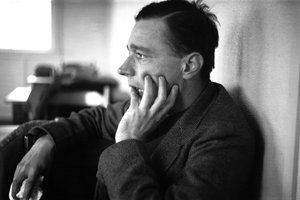
ウォーカー・エヴァンス
1903 - 1975 , アメリカ合衆国
基本情報
- Artistic Movement Or Style: ドキュメンタリー写真
- Artists Or Movements Influenced By This Artist:
- シェリー・レヴィン
- 社会写実主義
- Artists Who Influenced This Artist:
- ウジェーヌ・アジェ
- アウグスト・ザンダー
- Date Of Birth: 1903年
- Date Of Death: 1975年
- Full Name: ウォーカー・エヴァンス
- Nationality: アメリカ
- Notable Artworks:
- レット・アス・ナウ・プレイズ・フェイマス・メン
- 銀食器
- ポーチ付きの納屋
- Place Of Birth: アメリカ合衆国、セントルイス
関連記事
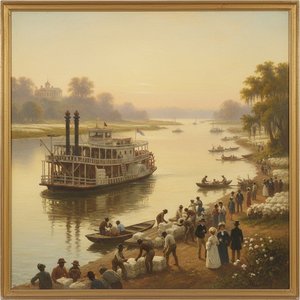
William Aiken Walker: A Southern Luminist's Vision of River Life & Antebellum Society
Explore the evocative paintings of William Aiken Walker, a master of Southern Luminism. Discover his poignant depictions of post-Civil War life, African American culture & antebellum landscapes. Learn about this important artist's legacy.
Ethel Walker: A Scottish Impressionist Championing Female Artistic Independence
Discover the life and art of Ethel Walker (1861-1951), a pioneering Scottish Impressionist painter. Explore her captivating portraits, challenge to artistic norms, and lasting legacy with ArtsDot.
Documentary Photography's Defining Moments: 10 Masterpieces for Your Home |
Explore 10 defining documentary photography masterpieces – from Dorothea Lange to Robert Capa. Discover powerful stories, iconic images & timeless art for your home. Museum-quality prints at .
Evan Walters: A Study in Contemporary Landscape Painting & Emotional Resonance
Explore the captivating world of Evan Walters, a Welsh artist renowned for his evocative landscapes & social commentary. Discover his Impressionistic style, unique journey, and lasting impact on 20th-century art – a valuable insight for collectors.
Witnessing History: Documentary Photography as an Art Movement
Explore the powerful history of documentary photography – from its origins to contemporary masters like Gordon Parks. Discover how this art form shapes our understanding of society and witness pivotal moments in time.

