 プレビュー
プレビュー
 シェアする
シェアする シェアする
シェアする
 詳細を見る
詳細を見る

 ダウンロード
 似ている作品
 X線調査
X線調査 スライドショー
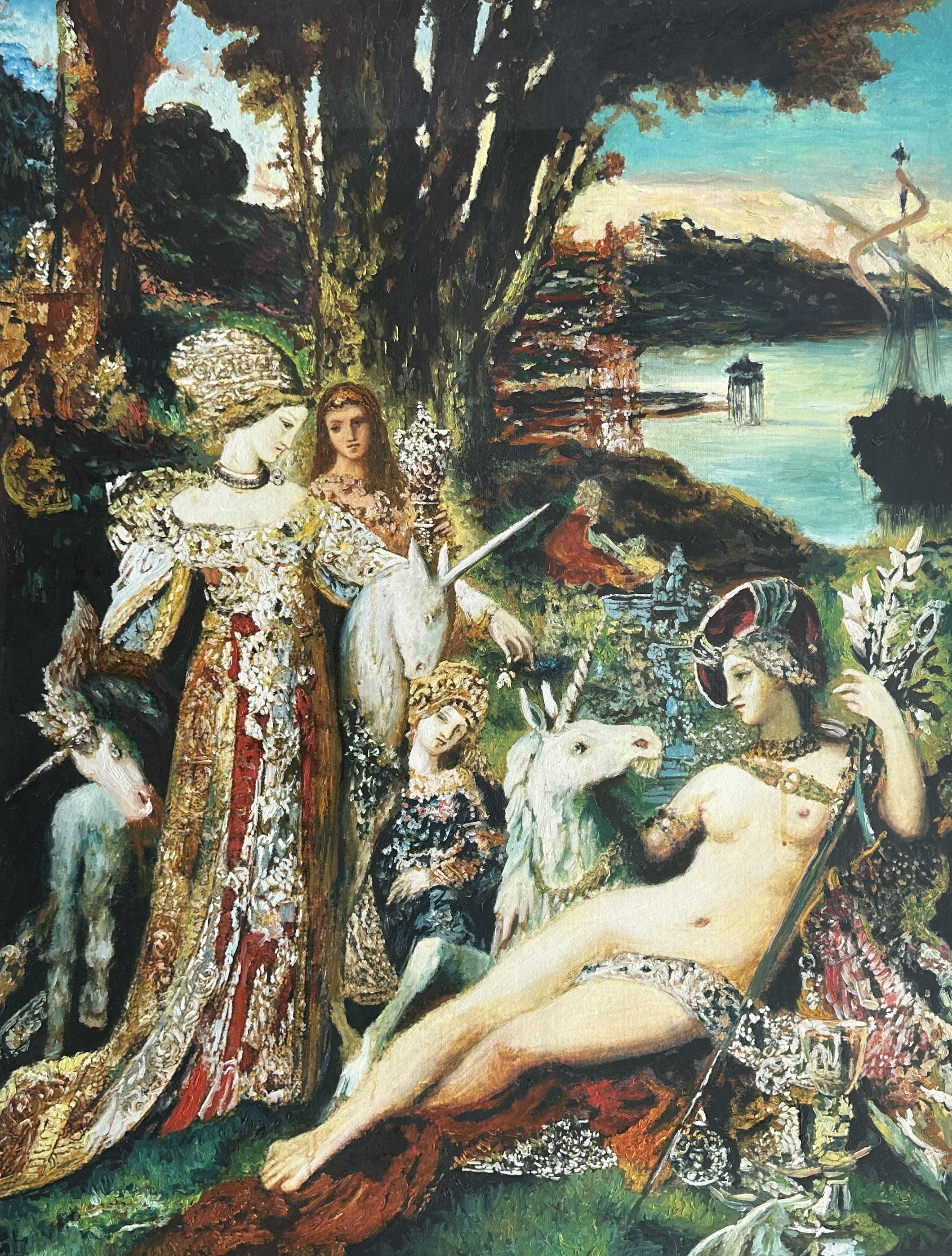
The Unicorns (Les Licornes in French) - Gustave Moreau


 詳細を見る
詳細を見る
在庫割引油彩画あり
すぐに発送可能な在庫ありの手描き油彩画。チェックアウト時に額装を追加できます。 ()






































 ガラスオプションは、110cm未満のサイズでのみご利用いただけます。


A Dream Woven in Color: Unveiling Moreau’s Enchanted Vision
Gustave Moreau's “The Unicorns” is not merely a painting; it’s an immersion into a realm of myth, desire, and the exquisitely beautiful. Created in the 1880s, this masterpiece exemplifies the height of Symbolist art—a movement that rejected the realism of its time in favor of exploring inner worlds, dreams, and the power of suggestion. Moreau wasn’t interested in depicting life as it *was*, but rather as it *felt*, as it resonated within the depths of the human psyche.
The scene unfolds with a captivating stillness. Three women, draped in rich fabrics and bathed in ethereal light, are entwined with the legendary creatures. The subject matter draws heavily from medieval tapestries like “The Lady and the Unicorn,” but Moreau transforms the narrative into something far more complex and personal. It’s not a story of simple courtship or hunting; it's an exploration of purity, longing, and the intoxicating allure of the unattainable. The nude figure reclining with the unicorn hints at a deeper connection—a spiritual union perhaps, or a surrender to primal instincts.
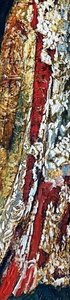
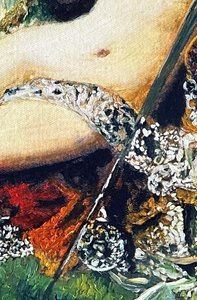
Moreau’s technique is breathtaking in its detail. He meticulously rendered every fold of fabric, every strand of hair, creating a surface that shimmers with texture and light. The color palette – golds, reds, blues, and greens—is opulent and evocative, contributing to the painting's dreamlike quality. He wasn’t simply applying paint; he was building layers of meaning, inviting the viewer to lose themselves in the intricacies of his vision.
The emotional impact is profound. There’s a sense of melancholy woven into the beauty—a feeling that this idyllic scene exists just beyond our grasp. The painting isn't about answers; it’s about questions, about the mysteries of love, desire, and the human condition. It’s a work that stays with you long after you’ve looked away.
A Collector’s Treasure: Owning a Piece of Symbolist History
For collectors, “The Unicorns” represents more than just an aesthetically pleasing artwork. It's an investment in a pivotal moment in art history—a testament to the power of Symbolism and Moreau’s unique genius. His influence can be seen in the works of Matisse and Rouault, solidifying his place as a precursor to modern fantasy art.
- Artistic Style: A quintessential example of Symbolist painting, characterized by its dreamlike imagery and exploration of inner worlds.
- Subject Matter: Inspired by medieval romance and mythology, evoking themes of purity, beauty, and enchantment.
- Emotional Impact: A captivating and melancholic atmosphere that invites contemplation and introspection.
- Technical Qualities: Meticulously detailed brushwork and a rich, vibrant color palette create an opulent and dreamlike surface.
Bring the Magic Home
This exquisite hand-painted acrylic reproduction captures the essence of Moreau’s original masterpiece. Created by ArtsDot.com Studio artisans, it offers you the opportunity to own a piece of art history without compromise. Framing is available to perfectly complement your space and enhance the painting's beauty. Don't miss this chance to add a touch of enchantment to your collection! Browse our selection today and experience the allure of “The Unicorns” firsthand.
関連作品

アーティストの略歴
Gustave Moreau (1826 - 1898)
Gustave Moreau, a name synonymous with the ethereal beauty and enigmatic depths of Symbolist painting, emerged from 19th-century Paris as a singular artistic voice. Born in 1826 into a bourgeois family—his father an architect and archivist—Moreau’s early life was steeped in intellectual curiosity and aesthetic sensibility. From a young age, he displayed a remarkable gift for drawing, nurtured through traditional academic training at the École des Beaux-Arts under figures like François-Édouard Picot. However, Moreau's artistic path would diverge sharply from the prevailing Realist and Impressionist currents of his time. He wasn’t interested in capturing fleeting moments or objective reality; instead, he sought to unlock the hidden realms of myth, religion, and the human psyche through a deeply personal and symbolic visual language. His journey was one of inward exploration, translating subjective emotions and spiritual yearnings onto canvas with an obsessive attention to detail and a vibrant, often opulent palette.Early Influences and Artistic Training
Moreau’s artistic development wasn't born in a vacuum. While rejecting the dominant trends of his era, he drew inspiration from diverse sources. The dramatic use of color and exotic subject matter found in the works of Eugène Delacroix ignited a passion for narrative painting imbued with emotional intensity—a fascination that would define much of his oeuvre. He particularly admired Michelangelo’s monumental sculptures and Leonardo da Vinci’s masterful anatomical drawings, recognizing their profound impact on artistic technique and psychological insight. Moreau's formal training at the École des Beaux-Arts solidified these influences, equipping him with the skills necessary to execute ambitious projects and forge a distinctive visual style. However, he quickly distinguished himself from his peers by prioritizing imaginative exploration over mere replication of nature—a decision that would propel him toward the forefront of Symbolist painting.The Italian Journey: Rediscovering Antiquity
Between 1857 and 1859, Moreau embarked on a transformative voyage to Italy—a pilgrimage fueled by an ardent desire to reconnect with the artistic heritage of antiquity and the Renaissance. Guided by his mentor Frédéric de Courcy, he immersed himself in the art of Rome and Florence, meticulously copying Old Master paintings and studying architectural ruins. This experience profoundly shaped his artistic sensibilities, fostering a fascination for Byzantine iconography and inspiring him to synthesize classical and medieval traditions into a wholly original visual language. Moreau’s meticulous observation and unwavering dedication to craft—traits that would characterize his entire career—were honed during this formative period, preparing him for the monumental achievements that lay ahead.Salome Dancing Before Herod: A Symbolist Masterpiece
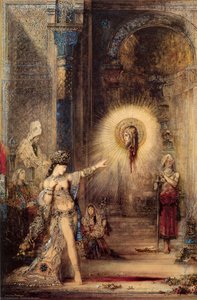
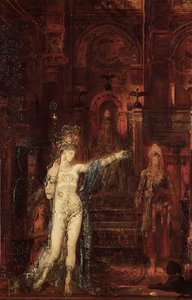
Moreau's artistic breakthrough arrived in 1864 with *Salome Dancing before Herod*, a painting that instantly established his reputation as a visionary artist and cemented his place among the pioneers of Symbolism. Departing radically from the conventions of academic art, Moreau presented a dramatic depiction of the biblical tale—not as a literal recounting of events, but as an exploration of psychological complexities and symbolic resonances. The composition is strikingly asymmetrical, mirroring the fractured psyche of Salome—a figure embodying sensual desire and moral ambiguity—and reflecting the unsettling interplay between light and shadow. Moreau’s masterful use of color—particularly crimson and gold—creates an atmosphere of opulent grandeur and underscores the painting's spiritual dimension. He employed a technique characterized by painstaking layering of paint, achieving remarkable textural detail and capturing the elusive beauty of the human form with unparalleled precision.Legacy and Influence: Shaping Modern Art
Though initially met with skepticism from some critics, Moreau’s work gained recognition in subsequent decades—particularly after the resurgence of interest in Symbolism during the 1960s and 70s. His influence extended far beyond the confines of his own time, inspiring artists across generations—including Henri Matisse and Georges Rouault—to embrace imaginative exploration and challenge conventional artistic norms. Moreau championed the notion that painting should strive to evoke emotion and convey spiritual truths—a conviction that resonated deeply with the existential anxieties of the 20th century. His unwavering commitment to craft—combined with his profound understanding of mythology and psychology—established him as a pivotal figure in the history of art—a testament to the enduring power of Symbolist painting and its capacity to illuminate the complexities of human experience. Gustave Moreau’s legacy continues to inspire artists today, reminding us that true artistic achievement lies not merely in technical virtuosity but in the ability to capture the essence of the soul and transform vision into tangible form.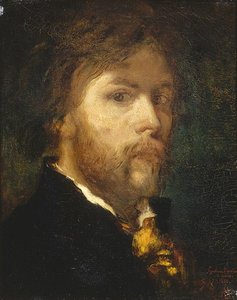
ゴスタヴ・モロー
1826 - 1898 , フランス
基本情報
- Artistic Movement Or Style: シンボリズム
- Artists Who Influenced This Artist:
- エウゲニオ・デルラクロワール
- ミケランジェロ
- レオナルド・ダ・ヴィンチ
- Date Of Birth: 1826年4月6日
- Date Of Death: 1898年4月18日
- Full Name: Gustave Moreau
- Nationality: フランス人
- Notable Artworks:
- ソロモンの踊り før ヘロドス
- ユピテルのセメレ
- オレアフス
- 出現
- デスメドナ
- Place Of Birth: パリ、フランス
関連記事
Deep Blue Magic: 10 Iconic Masterpieces Defined by Prussian Blue
Immerse yourself in the deep mystery of Prussian blue. Explore 10 iconic masterpieces, from moody landscapes to classic oil paintings, and learn the stories behind these timeless pigments. Find museum-quality art reproductions for your decor. Discover all masterpieces on ArtsDot.com.
Midnight Blue Magic: 10 Iconic Masterpieces Drenched in Deep Blue Tones
Immerse yourself in the mystery of midnight blue. Explore 10 iconic masterpieces, from Van Gogh to Monet, through their deep indigo tones and timeless stories. Find inspiration for your decor with museum-quality art reproductions. Discover all masterpieces on ArtsDot.com.

Serene Blue Backgrounds: Discover Soulful Art to Transform Your Space with Timeless Elegance
Transform your home with soulful blue art. From serene Monet impressions to modern textured sculptures, discover curated masterpieces designed to inspire calm. Explore expert art consultations and bespoke hand-painted reproductions to create your personal sanctuary.
Slate Blue Masterpieces: 10 Iconic Paintings & Timeless Home Decor Ideas
Immerse yourself in the captivating world of slate blue! Explore 10 iconic paintings by Monet, Van Gogh & Renoir. Discover their stories, techniques & find museum-quality art reproductions for your home at .
10 Iconic Masterpieces Defined by Stunning Steel Blue Tones
Immerse yourself in the serene beauty of steel blue tones. Explore 10 iconic masterpieces, from Impressionist classics to modern abstracts, and learn the stories behind their timeless allure. Find museum-quality art reproductions for your decor. Discover all masterpieces on ArtsDot.com