

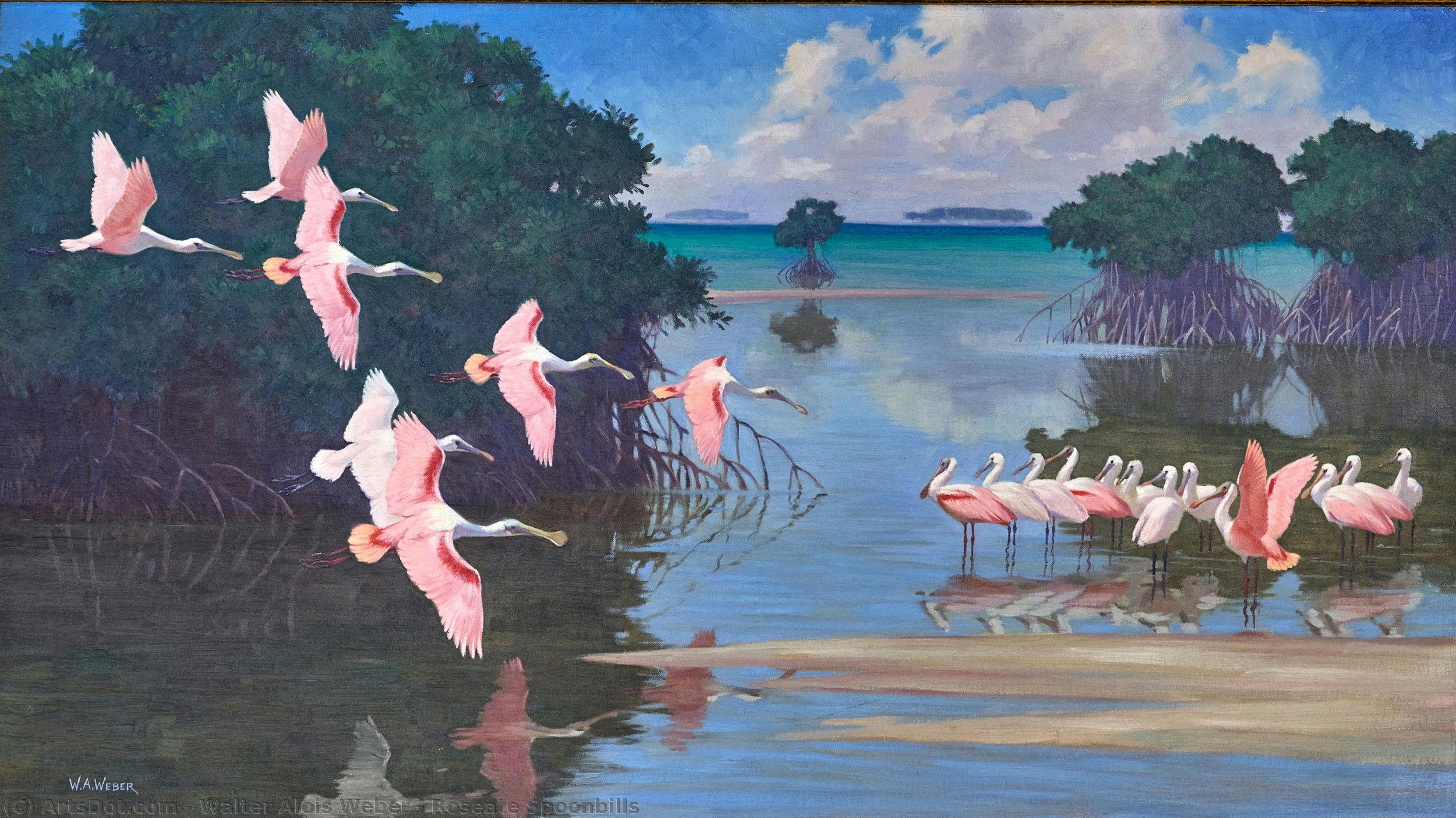
 プレビュー
プレビュー
 シェアする
シェアする シェアする
シェアする
 詳細を見る
詳細を見る

 ダウンロード
 似ている作品
 X線調査
X線調査 スライドショー
 Stats
StatsRoseate Spoonbills


 詳細を見る
詳細を見る
ジークレー/アートプリント
迅速な制作と多彩な仕上げオプションを備えた、ミュージアムクオリティのジークレーまたはキャンバスプリント。 ( 手描きの絵画を購入 Switch to Digital Image)




































作品のオリジナル比率に合わせた、当店の規定サイズからお選びください。

特定のフレームやスペースに合わせて、ご自身でサイズを指定することも可能です。選択されたサイズが元の画像の比率と一致しない場合、作品をトリミングするか、鏡面反射または単色での塗りつぶしによって画像を拡張いたします。制作を開始する前に、ご確認用のデジタルモックアップをお送りいたします。
画面上のプレビューには、実際のトリミングや拡張は反映されませんのでご注意ください。最終的な構図を正確に確認できるのは、モックアップのみとなります。
カスタムサイズも承っておりますが、元の比率を維持するためには、あらかじめ用意されたリストからサイズを選択することをお勧めいたします。


 ガラスオプションは、110cm未満のサイズでのみご利用いただけます。

Roseate Spoonbills
ジークレー/アートプリント
複製画のサイズ
-


合計金額
$ 62
関連作品









アーティストの略歴
Paul Cézanne: Bridging Impressionism and Modernity
Paul Cézanne, born in Aix-en-Provence in 1839, stands as a pivotal figure in the transition from late 19th-century Impressionism to the burgeoning movements of early 20th-century modern art. His life, though relatively short – he died in 1906 – was marked by an intense and deeply personal exploration of form, color, and perception. Initially influenced by the academic traditions of his time and the vibrant scenes of Impressionist painters like Corot and Pissarro, Cézanne ultimately forged a unique path, laying the groundwork for Cubism and other radical developments in art history. He wasn’t merely documenting what he saw; he was actively reshaping how we *perceive* what we see.Early Influences and Artistic Development
Cézanne's early artistic training provided a solid foundation, but it was his experiences that truly shaped his distinctive style. He studied at the École des Beaux-Arts in Paris, where he encountered the Impressionists and absorbed their techniques of capturing fleeting moments of light and color. However, Cézanne quickly grew dissatisfied with the limitations of Impressionism’s emphasis on optical effects. He sought a more fundamental understanding of the underlying structure of objects – the essential forms that remained beneath the surface of visual perception. This quest led him to meticulously study landscapes, particularly the towering Mont Sainte-Victoire, which became a recurring subject throughout his career. His repeated depictions of this mountain weren’t simply reproductions; they were explorations of volume, perspective, and the interplay of light and shadow, revealing an almost obsessive dedication to capturing the essence of the natural world.Breaking with Tradition: Form and Structure
Cézanne's most significant contribution lies in his revolutionary approach to representation. He rejected the conventional rules of linear perspective and academic painting techniques, instead focusing on building forms through a system of interlocking planes and geometric shapes. He famously stated, “I do not paint as I see things, but as I think them.” This philosophy drove him to simplify objects into their essential components, reducing them to basic geometric volumes – cubes, cylinders, cones – that he then reassembled in his paintings. This process wasn’t about creating illusions of depth; it was about revealing the underlying structure of reality itself. His brushstrokes became short, broken, and often deliberately uneven, contributing to a sense of solidity and three-dimensionality within the canvas. Works like *The Card Players* (1898) and *The Bathers* (c. 1906) exemplify this approach, demonstrating his ability to convey both form and atmosphere with remarkable power.Connections and Legacy
Cézanne’s influence on subsequent generations of artists is undeniable. He served as a crucial bridge between Impressionism and Cubism, inspiring figures like Picasso, Braque, and Matisse. Picasso himself famously declared that Cézanne “cut him in two,” referring to the artist's radical simplification of form. The analytical Cubists, in particular, adopted Cézanne’s method of dissecting objects into geometric components, using these fragments as building blocks for their own abstract compositions. Beyond Cubism, Cézanne’s emphasis on color and structure also resonated with Fauvists and other modern movements. His exploration of the relationship between color and form paved the way for later artists to experiment with non-naturalistic color palettes and expressive brushwork.A Lasting Impact
Paul Cézanne’s legacy extends far beyond his individual paintings. He fundamentally altered our understanding of what art could be, demonstrating that it wasn't simply a representation of reality but an active process of interpretation and construction. His relentless pursuit of formal clarity and his innovative use of color continue to inspire artists today. His work stands as a testament to the power of observation, experimentation, and a profound commitment to artistic truth—a truth rooted not in imitation, but in the deep exploration of form and perception.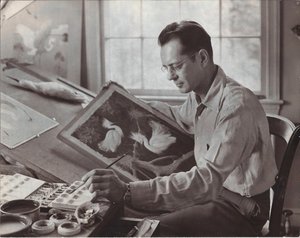
walter alois weber
1906 - 1979 , United States of America
基本情報
- Artistic Movement Or Style: Post-Impressionism
- Artists Or Movements Influenced By This Artist: ['Cubism']
- Artists Who Influenced This Artist:
- Impressionism
- Romanticism
- Date Of Birth: January 19, 1839
- Date Of Death: October 22, 1906
- Full Name: Paul Cézanne
- Nationality: French
- Notable Artworks:
- The Card Players
- The Bathers
- Mont Sainte-Victoire
- Place Of Birth: Paris, France