


 プレビュー
プレビュー
 プリントを購入
 シェアする
シェアする シェアする
シェアする
 詳細を見る
詳細を見る

 ダウンロード
 似ている作品
 X線調査
X線調査 スライドショー
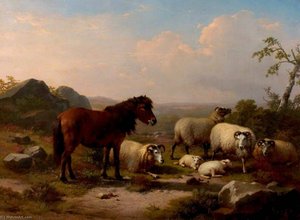
Ponies, A Calf and Poultry In a Farmyard
Discover Walter Hunt’s captivating farmyard paintings & equestrian art! Explore his influence on Balinese culture & iconic works from the Royal Academy.
 詳細を見る
詳細を見る




































Standard
custom
CM
INCH
作品のオリジナル比率に合わせた、当店の規定サイズからお選びください。
Loading sizes...

幅
高さ
特定のフレームやスペースに合わせて、ご希望のサイズをご入力いただけます。選択されたサイズが元の画像の比率と異なる場合、アートワークをトリミングするか、手描きで要素を追加して絵画を拡張いたします。デジタルモックアップ を制作し、制作開始前にご確認(承認)をいただきます。
画面上のプレビューは、実際のトリミングや拡張を正確に反映しているものではありません。最終的な構図は、モックアップによってのみ正確にご確認いただけます。
カスタムサイズもご利用いただけますが、元の比率を維持するためには、あらかじめ用意されたリストからサイズを選択することをお勧めいたします。
カスタマイズの例:顔をお客様の写真に置き換える、ペットを追加する(例:猫を犬に変更)、背景に隠れたメッセージを入れる、背景の風景や要素を変更するなど。
ご注文後、ArtsDot.com チームより詳細な指示をお送りするとともに、仕上がりイメージ(モックアップ)をご提供いたします。
ご注文後、ArtsDot.com チームより詳細な指示をお送りするとともに、仕上がりイメージ(モックアップ)をご提供いたします。


 ガラスオプションは、110cm未満のサイズでのみご利用いただけます。

Ponies, A Calf and Poultry In a Farmyard
複製技法
複製画のサイズ
-


合計金額
$ 263
関連作品
アーティストの略歴
Walter Hunt (1861–1941): Shepherd of Dreams and Master of Collie Portraiture
Walter Hunt was born into a family steeped in artistic tradition. His father, Charles Hunt, was a genre artist—a painter who captured everyday life—renowned for his depictions of rural scenes and figures. Similarly, Walter Hunt possessed an innate talent for portraying animals, particularly collies, achieving fame as one of the foremost painters of this breed during his lifetime. From humble beginnings in Kingston, Wisconsin, he ascended to prominence as a respected figure within the artistic community, leaving behind a legacy marked by meticulous observation and profound empathy for his subjects. Hunt’s early life was shaped by exposure to art from a young age. His father instilled in him a deep appreciation for visual storytelling and encouraged him to explore his own creative inclinations. Following graduation from Valparaiso University, he enlisted in the United States Army, serving with distinction during World War I—a formative experience that broadened his horizons and honed his artistic sensibilities. This military service undoubtedly influenced his perspective on capturing emotion and conveying narrative through imagery. Hunt’s artistic career blossomed after the war, establishing him as a celebrated Collie painter. He began exhibiting his works at the Royal Academy in London starting in 1881—a bold step for an artist venturing into international acclaim. His paintings quickly gained recognition for their remarkable realism and sensitivity to detail, capturing not merely the physical appearance of collies but also their inner character—their gaze, posture, and expressions conveying a palpable sense of connection with their surroundings. He was particularly adept at portraying working collies, demonstrating his understanding of animal behavior and capturing the essence of rural life. His distinctive style—characterized by soft brushstrokes, subtle tonal gradations, and an unwavering focus on capturing light—became instantly recognizable. Influenced by luminists like Frederic Church and Albert Pinkham Ryder, Hunt embraced a contemplative approach to painting, prioritizing atmosphere and emotion over mere representation. Like these masters, he sought to evoke feeling in the viewer rather than simply documenting reality. His compositions often featured idyllic landscapes—rolling hills dotted with sheep—providing a harmonious backdrop for his Collie subjects. Among Hunt’s most celebrated achievements were numerous portraits of collies that graced the homes of prominent figures across America and Europe. These paintings stand out not only for their technical brilliance but also for their profound psychological insight—revealing the animals' personalities and conveying a sense of quiet dignity. His masterpiece, “The Lost Sheep,” exemplifies this artistic vision perfectly: a breathtaking depiction of a collie gazing intently at a lone lamb struggling to escape the treacherous currents of a river—a scene imbued with tenderness and compassion that resonates deeply with viewers. This painting is considered by many to be Hunt’s crowning achievement, cementing his reputation as one of the greatest Collie painters of his era. Walter Hunt passed away peacefully in River Falls, Wisconsin on May 4, 1942, leaving behind a rich artistic legacy—a testament to his unwavering dedication to capturing beauty and conveying emotion through the medium of painting. His work continues to inspire admiration for its masterful technique and profound humanist spirit, securing his place as an enduring icon within the annals of Collie portraiture history.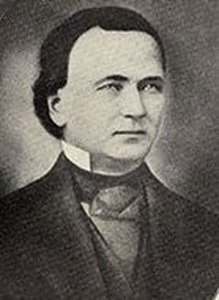
基本情報
- Artistic Movement Or Style: Victorian Art
- Artists Or Movements Influenced By This Artist: ['Balinese Art']
- Artists Who Influenced This Artist:
- Richard Ansdell
- Edwin Douglas
- Date Of Birth: September 5, 1868
- Date Of Death: May 4, 1942
- Full Name: Walter Hunt
- Nationality: American
- Notable Artworks:
- The Lost Sheep
- Rescue
- Found by a Friend
- Highland
- Place Of Birth: Kingston, Wisconsin

