

 プレビュー
プレビュー
 シェアする
シェアする シェアする
シェアする
 詳細を見る
詳細を見る

 ダウンロード
 似ている作品
 X線調査
X線調査 スライドショー
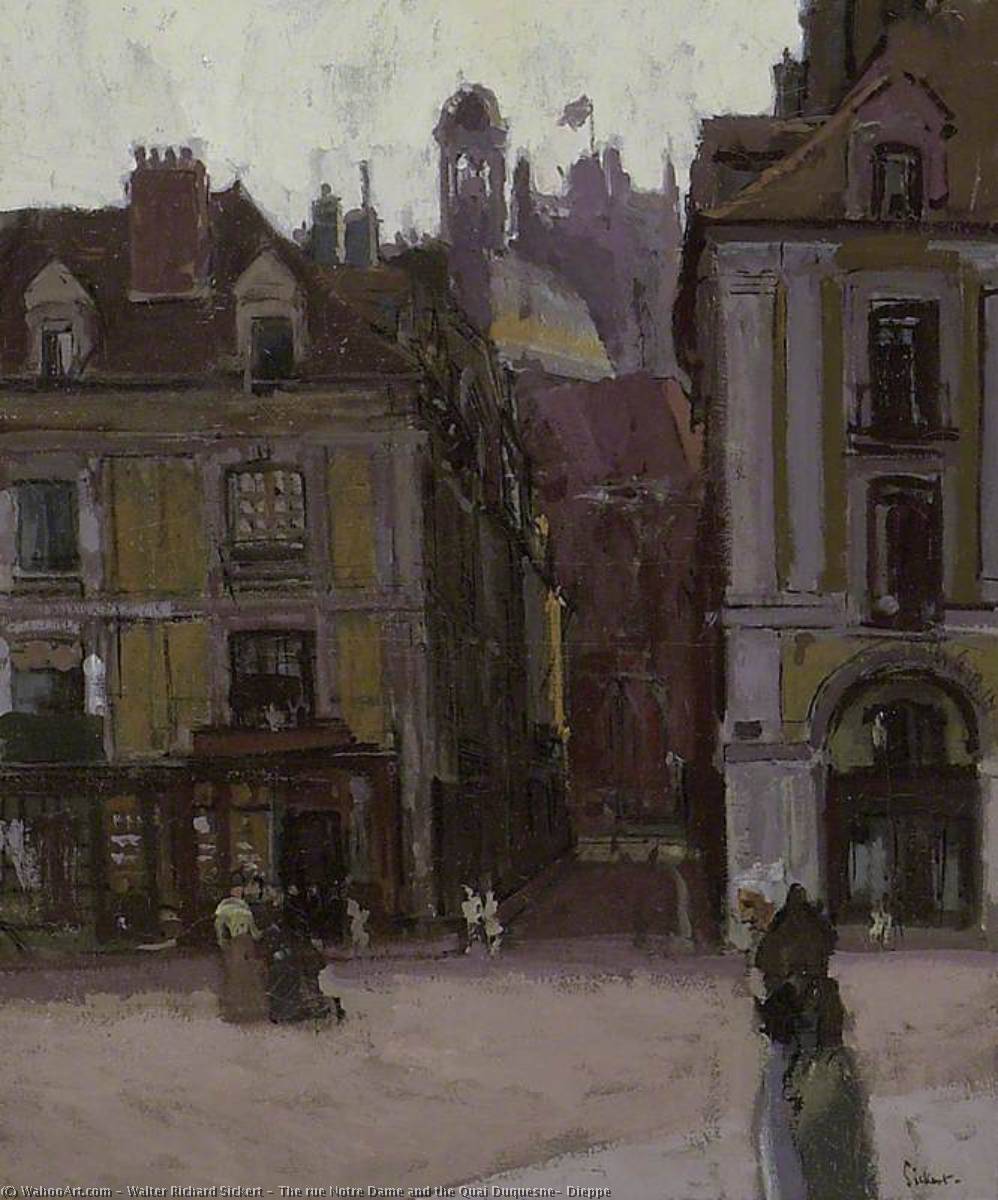
The rue Notre Dame and the Quai Duquesne, Dieppe
 Oil On Canvas
- WallArt
- Impressionistic Realism
 1900
1900 61.0 x 51.0 cm
 アシュモリアン美術館
 詳細を見る
詳細を見る
ジークレー/アートプリント
迅速な制作と多彩な仕上げオプションを備えた、ミュージアムクオリティのジークレーまたはキャンバスプリント。 ( 手描きの絵画を購入 画像を購入)




P118B $10

P118H $10

P118W $10

P438Z $10

P508JH $12

P508YH $12

P805H $10

P805Z $10

P919BZ $10

P919G $10

P919XJ $10

P959ZH $10

P968JZ $12

W106C $8

W218G $10

W218JH $8

W218Y $10

W307PJ $10

W316G $10

W316PJ $8

W316Y $10

W398PJ $8

W4111J $10

W500HY $15

W500JH $15

W692G $12

W849H $8

W940BG $15

W953PJ $8




作品のオリジナル比率に合わせた、当店の規定サイズからお選びください。

特定のフレームやスペースに合わせて、ご自身でサイズを指定することも可能です。選択されたサイズが元の画像の比率と一致しない場合、作品をトリミングするか、鏡面反射または単色での塗りつぶしによって画像を拡張いたします。制作を開始する前に、ご確認用のデジタルモックアップをお送りいたします。
画面上のプレビューには、実際のトリミングや拡張は反映されませんのでご注意ください。最終的な構図を正確に確認できるのは、モックアップのみとなります。
カスタムサイズも承っておりますが、元の比率を維持するためには、あらかじめ用意されたリストからサイズを選択することをお勧めいたします。


 ガラスオプションは、110cm未満のサイズでのみご利用いただけます。

The rue Notre Dame and the Quai Duquesne, Dieppe
ジークレー/アートプリント
複製画のサイズ
-


合計金額
$ 62
作品詳細説明
Walter Richard Sickert: A Vision of Urban Decay and Artistic Innovation
Walter Richard Sickert (1860–1942) stands as an enigmatic figure in British art history—a painter who wrestled with shadows and light, forging a distinctive path between Impressionism’s shimmering surfaces and the burgeoning anxieties of Modernism. His oeuvre is characterized by a preoccupation with the gritty realities of London life, capturing scenes of music halls, pubs, and backstreets with unsettling precision and psychological depth. Unlike many of his contemporaries, Sickert eschewed grand narratives or idealized landscapes; instead, he focused on distilling emotion from mundane observations, creating images that resonate with an enduring sense of melancholy and unease.- Subject Matter: Sickert’s canvases frequently depict urban environments—particularly London—populated by marginalized figures: musicians, prostitutes, laborers, and drunks. These subjects weren't merely decorative elements; they served as conduits for exploring themes of social alienation and psychological vulnerability.
- Style: His style is often described as “shadowy realism,” prioritizing tonal modulation and atmospheric perspective over meticulous detail. Sickert deliberately blurred outlines and flattened planes, rejecting the illusionistic conventions favored by Impressionists like Monet and Renoir. This stylistic choice reflected his belief that art should convey emotion rather than simply reproducing appearances.
- Technique: Sickert employed a distinctive layering technique—often applying thin glazes over underpaintings—to achieve subtle gradations of color and texture. He meticulously studied the effects of light on surfaces, striving to capture fleeting moments of illumination within darkened interiors. This painstaking approach demanded considerable patience and skill, resulting in paintings that possess an almost palpable sense of stillness.
The Rue Notre Dame and the Quai Duquesne, Dieppe: A Study in Atmosphere
“The rue Notre Dame and the Quai Duquesne, Dieppe,” painted in 1899–1900, exemplifies Sickert’s artistic vision. Executed in oil on canvas, this artwork depicts a bustling street scene overlooking Dieppe harbor—a location chosen by Sickert for its atmospheric qualities and visual drama. The painting captures the muted hues of twilight, conveying a palpable sense of solitude amidst the activity of passersby. Photo Description: The painting is a street scene featuring a group of people walking down the street in front of buildings. The buildings have many windows and appear to be old-fashioned. There are at least 12 people visible in the image, with some closer to the foreground and others further back. They seem to be going about their daily activities or possibly attending an event. The street is lined with various objects such as a bench located near the center of the scene, a handbag placed on the ground close to one of the people, and a clock mounted on a wall in the background. The overall atmosphere of the painting suggests a bustling urban environment where people are engaged in their daily routines or socializing with others.Symbolism and Emotional Resonance
Sickert’s art isn't merely about depicting what he sees; it’s about conveying what he feels—a preoccupation with darkness, decay, and psychological complexity. “The rue Notre Dame and the Quai Duquesne” embodies this ethos through its muted palette and ambiguous composition. The figures in the painting are rendered without discernible emotion, their faces obscured by shadows, suggesting a profound sense of detachment and isolation. This deliberate lack of expressive gesture contributes to the artwork’s haunting beauty—a testament to Sickert's ability to evoke feelings of melancholy and contemplation.Legacy and Influence
Walter Richard Sickert remains an artist whose work continues to fascinate scholars and collectors alike. His rejection of conventional artistic conventions paved the way for subsequent generations of British painters, establishing him as a pivotal figure in the transition from Impressionism to Modernism. “The rue Notre Dame and the Quai Duquesne,” alongside his other paintings—particularly those exploring London’s underworld—serves as an enduring reminder of Sickert's singular artistic vision: one rooted in observation, emotion, and a masterful command of tonal modulation—a legacy that continues to inspire artists today.関連作品
アーティストの略歴
生い立ちと初期の画家としての歩み
ウォルター・リチャード・シックトは1860年にミュンヘンで生まれ、ドイツ生まれでありながらイギリスに帰化し、伝統的な絵画技法と近代主義の流れの間で揺れ動く存在でした。彼の幼少期は移動が多く、1868年にヨーロッパの政治情勢の変化を受けて家族がイギリスに移住したことが、彼の中に疎外感を植え付けたのかもしれません。それは、終生にわたってアウトサイダーや社会的に弱い立場にある人々への関心を深めるきっかけとなりました。画家である父オズワルド・シックトの血を引くものの、若いウォルターは当初、舞台俳優になることを志し、著名なサー・ヘンリー・アーヴィングと共に短期間出演しました。この初期のパフォーマンス経験は、彼の芸術的ビジョンに大きな影響を与え、絵画に演劇的な要素と心理的な深みをもたらしました。しかし、視覚表現への情熱がより強く、1881年にスレード美術学校に入学し、ジェームズ・アボット・マクニール・ホイストラーの熱心な弟子となりました。この師事は彼の形成期において重要な役割を果たし、直接自然から描くトーンスタディや洗練された美的感覚を身につけさせました。ホイストラーの影響は単なる技術的なものではなく、芸術的独立心を育み、従来の規範に挑戦する意欲を掻き立てるものでした。ロンドンの裏社会と近代生活への魅力
シックトの芸術的コンパスはすぐにロンドンという都市の活気に満ちた現実へと向かいました。彼は街のミュージックホールに魅了され、エネルギー、スペクタクル、そして多様な人々の交差する空間でした。この時期の彼の絵画、『ガティーズでのケイティ・ローレンス』などは、これらの環境を容赦なく描き出し、そこに生きる人々を描写している点で際立っています。これらは単なる描写ではなく、都市生活の瞬間的な感情や生の現実を捉えた探求でした。彼は理想化された表現ではなく、ありのままの生活を描こうとしました。これはヴィクトリア朝の芸術的慣習からの大胆な逸脱であり、批評家からは「醜い」とか「下品だ」と批判されました。シックトが普通の女性パフォーマーを正直に、ロマンチックに美化することなく描くことは挑発的な行為であり、20世紀の社会写実主義への道を予見するものでした。1894年以降、彼はフランスのディエップで過ごす時間も重要でした。光、色彩、構図に関する新たな視点を得て、その後のヴェネツィア訪問は、インテリア空間や複雑な人物配置を描く彼の方法をさらに洗練させました。彼は単に目に見えるものを記録するのではなく、独自のレンズを通して解釈し、最も平凡なシーンにも神秘性と心理的な緊張感を与えました。変革の触媒:カンデン・タウン・グループとその後
20世紀が始まると、シックトはイギリスのアバンギャルド運動の中心人物となりました。1888年にニュー・イングリッシュ・アート・クラブに参加し、フランス印象派の原則を受け入れた芸術家たちと同列に並びました。その後、彼は1911年にカンデン・タウン・グループの設立に重要な役割を果たしました。この集団は、率直な誠実さと革新的なスタイルで現代生活を描くことに専念していました。シックトはこのグループに大きな影響を与え、伝統的なアカデミックな制約から脱却し、新たな表現形式を探求することを奨励しました。彼は都市の風景をロマンチックに美化することなく、日常的なシーンや平凡な人々を中心に描きました。この時期の彼の絵画には、『カンデン・タウン殺人事件』シリーズなど、犯罪や心理的な緊張感といった不安なテーマがよく見られました。困難なテーマに取り組む意欲は、彼が挑発的で挑戦的な芸術家としての評判を確固たるものにしました。彼は表面的なものを描くことに関心はなく、人間の精神の暗い側面を探求し、疎外感、不安、道徳的曖昧さといったテーマを掘り下げようとしました。遺産と残る謎
ウォルター・リチャード・シックトの遺産は彼の膨大な作品量にとどまりません。彼はイギリスのアートに変革をもたらし、後世の芸術家たちが近代主義を受け入れ、新たな表現方法を探求するための道を開きました。彼の影響は、ロンドン・グループや他のアバンギャルド運動に関連する多くの画家に見られます。シックトの先駆的な精神、写実主義への献身、そして社会規範に挑戦する意欲は、今日でも芸術家たちに共鳴し続けています。彼の一生をめぐる論争—特にジャック・ザ・リッパー殺人事件への関与の可能性についての憶測—は彼の物語に一層の興味深さを加えていますが、それは彼の芸術的功績を損なうものではありません。これらの理論は、彼の作品の不安定な質と暴力や都市の荒廃といったテーマへの執着を反映していると言えるでしょう。彼の絵画は変化する世界に対する強力な証拠であり、伝統的な美術史では見過ごされがちな人々の生活や経験を垣間見せてくれます。彼は表面的なものにとらわれず、現代生活の不快な真実と向き合い、それを率直にキャンバスに捉えることを恐れなかった芸術家でした。主要な詳細と影響
- 生年月日: 1860年5月31日、バイエルン州ミュンヘン
- 没年月日: 1942年1月22日、イングランド・バスンプトン
- 主な影響を受けた人物: ジェームズ・アボット・マクニール・ホイストラー、エドガー・ドガ
- 関連団体: ニュー・イングリッシュ・アート・クラブ、カンデン・タウン・グループ
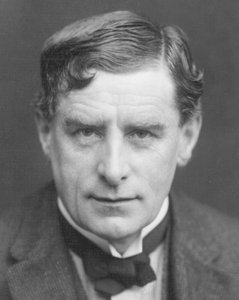
ウォルター・リチャード・シックルト
1860 - 1942 , ドイツ
基本情報
- Artistic Movement Or Style: ポスト印象派
- Artists Or Movements Influenced By This Artist:
- カムデン・タウン・グループ
- ロンドン・グループ
- Artists Who Influenced This Artist:
- ホイッスル
- ドガ
- Date Of Birth: 1860年5月31日
- Date Of Death: 1942年1月22日
- Full Name: ウォルター・リチャード・シックト
- Nationality: イギリス人
- Notable Artworks (List Of Titles):
- ケイティ・ローレンス
- シン・フェイナーズ
- ホテル・ロワイヤル
- セント・マークの馬
- Place Of Birth (City And Country): ミュンヘン、ドイツ
関連記事
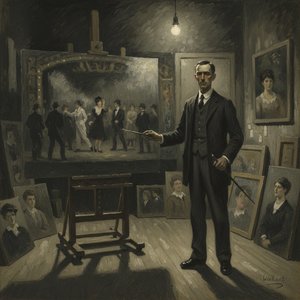
Walter Sickert: A Shadowy Realism & the Modern British Canvas
Explore the life & work of Walter Sickert, a pivotal British painter bridging Impressionism to Modernism. Discover his evocative scenes of London life, controversial legacy, and lasting influence on 20th-century art.
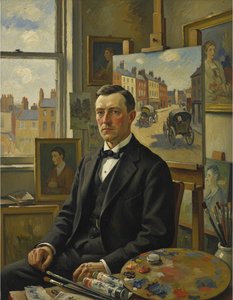
Robert Bevan: Pioneering British Post-Impressionism & the Camden Town Group's Intimate Vision
Explore the life & work of Robert Bevan, a pioneer of British Post-Impressionism and founding member of the Camden Town Group. Discover his vibrant landscapes and lasting impact on early 20th-century art.
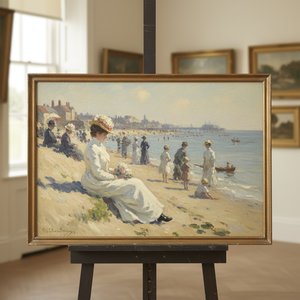
Philip Wilson Steer: Capturing Modern Life & British Impressionism's Essence
Explore the life & art of Philip Wilson Steer, a leading British Impressionist painter. Discover his coastal scenes, influences, and legacy. Expert analysis & high-quality reproductions at ArtsDot.
ナショナル・ギャラリーの至宝25選:名画とアートデコレーションの世界 | ArtsDot
ロンドン・ナショナル・ギャラリーの至宝25選。モネ、レンブラントの名画から歴史的絵画まで、芸術作品の物語を紐解きます。ArtsDot.comで美術館品質の複製画とインテリアアートを見つけましょう。オンラインコレクションはこちら。
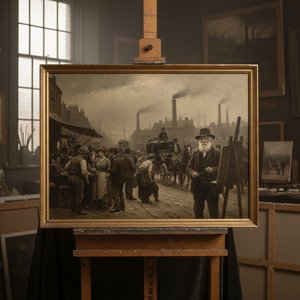
Walter Greaves: A Study in Victorian Realism & the Social Landscape of British Art
Explore the life & work of Walter Greaves, a key Victorian realist painter influenced by Whistler. Discover his London streetscapes, portraits, and enduring legacy. Learn about art appraisal & reproduction options at ArtsDot.

