 プレビュー
プレビュー
 プリントを購入
 シェアする
シェアする シェアする
シェアする
 詳細を見る
詳細を見る

 ダウンロード
 似ている作品
 X線調査
X線調査 スライドショー
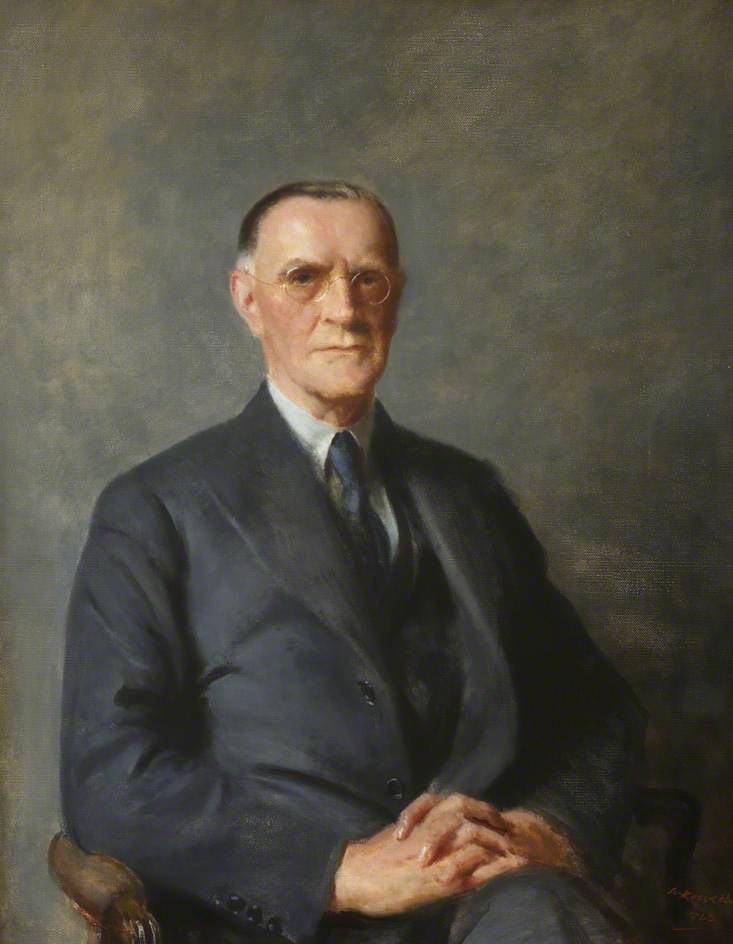
William Henry Ansell, CBE, PRIBA
 Oil On Canvas
- WallArt
- Romantic Landscape Painting
 1943
1943- 19th Century
 92.0 x 72.0 cm
 RIBA Library Drawings And Archives Collections
 詳細を見る
詳細を見る




P118B $10

P118H $10

P118W $10

P438Z $10

P508JH $12

P508YH $12

P805H $10

P805Z $10

P919BZ $10

P919G $10

P919XJ $10

P959ZH $10

P968JZ $12

W106C $8

W218G $10

W218JH $8

W218Y $10

W307PJ $10

W316G $10

W316PJ $8

W316Y $10

W398PJ $8

W4111J $10

W500HY $15

W500JH $15

W692G $12

W849H $8

W940BG $15

W953PJ $8




作品のオリジナル比率に合わせた、当店の規定サイズからお選びください。

特定のフレームやスペースに合わせて、ご希望のサイズをご入力いただけます。選択されたサイズが元の画像の比率と異なる場合、アートワークをトリミングするか、手描きで要素を追加して絵画を拡張いたします。デジタルモックアップ を制作し、制作開始前にご確認(承認)をいただきます。
画面上のプレビューは、実際のトリミングや拡張を正確に反映しているものではありません。最終的な構図は、モックアップによってのみ正確にご確認いただけます。
カスタムサイズもご利用いただけますが、元の比率を維持するためには、あらかじめ用意されたリストからサイズを選択することをお勧めいたします。
ご注文後、ArtsDot.com チームより詳細な指示をお送りするとともに、仕上がりイメージ(モックアップ)をご提供いたします。


 ガラスオプションは、110cm未満のサイズでのみご利用いただけます。

William Henry Ansell, CBE, PRIBA
複製技法
複製画のサイズ
-


合計金額
$ 263
作品解説
William Henry Ansell, CBE, PRIBA: A Portrait of Dignified Reflection
Sir Walter Westley Russell’s “William Henry Ansell, CBE, PRIBA” stands as a testament to the quiet grandeur of British architectural scholarship and artistic sensibility in 1943. Painted during the tumultuous years of World War II, this portrait captures not merely the likeness of William Henry Ansell—a Commander of the Most Excellent Order of the British Empire and President of the Royal Institute of British Architects—but also embodies a spirit of contemplative seriousness deeply rooted in the humanist ideals championed by Russell himself.
- Subject Matter: The painting depicts Ansell seated formally, bathed in soft light. His gaze is directed inward, conveying a profound thoughtfulness that transcends the visual surface.
- Style & Technique: Russell employed a realistic style characterized by meticulous attention to detail—particularly evident in the rendering of Ansell’s hair texture and the subtle folds of his suit fabric. The artist skillfully utilized oil paint on canvas, achieving a luminous quality that enhances the portrait's solemn atmosphere.
- Historical Context: Created amidst the Blitz, when London endured relentless bombing raids, “William Henry Ansell” reflects the resilience and intellectual fortitude demanded by the era. Russell’s artistic endeavors served as an anchor of stability during times of immense upheaval, mirroring the broader cultural ethos of British society.
Composition & Color Palette: A Symphony of Restraint
The painting's composition is deliberately understated, prioritizing clarity and balance over dramatic flourishes. The minimalist background—a plain wall—allows Ansell’s figure to dominate the visual field, emphasizing his presence and conveying a sense of dignified solitude. Russell’s masterful use of color contributes significantly to the portrait’s emotional impact. Dominated by muted tones—primarily browns, creams, and greys—the palette evokes feelings of serenity and contemplation, mirroring Ansell's inner state.
- Color Harmony: The subdued hues create a harmonious visual experience that underscores the subject’s composure.
- Light & Shadow: Subtle gradations of light and shadow sculpt Ansell’s form, adding depth and dimensionality to the portrait while subtly hinting at inner reflection.
Symbolism & Artistic Influence
"William Henry Ansell" exemplifies Russell's commitment to portraying human dignity with understated grace—a hallmark of his artistic vision. Influenced by luminaries such as Frederick Brown, Russell’s approach aligns with the broader humanist tradition prevalent in British art during the early 20th century. The portrait serves as a poignant reminder of intellectual pursuits amidst adversity and embodies the enduring power of visual art to capture the essence of human character.
- Artist's Vision: Russell’s dedication to capturing inner contemplation aligns with his broader artistic philosophy.
- Legacy: The painting stands as a symbol of intellectual resilience during wartime, reflecting the values championed by Russell and RIBA.
Provenance & Display
Currently housed at the RIBA Library Drawings & Archives Collections in London, “William Henry Ansell” represents an important piece of British art history. Its meticulous execution—characterized by precise detail and harmonious color palettes—continues to inspire admiration among connoisseurs and collectors alike. The painting’s enduring appeal lies not only in its aesthetic beauty but also in its ability to convey a profound sense of human dignity and intellectual contemplation.
- Location: RIBA Library Drawings & Archives Collections (London, United Kingdom)
- Size: 92 x 72 cm
- Medium: Oil On Canvas
- Date: 1943
関連作品
アーティストの略歴
The Luminous Legacy of Sir Walter Westley Russell
Sir Walter Westley Russell (1867–1949) stands as a distinguished figure in the annals of British art, a painter whose brush captured the ephemeral beauty of the natural world with profound sensitivity. Born in Forest Gate, Essex, Russell’s journey into the heart of the aesthetic movement was deeply personal, nurtured by the influence of his father, Henry Russell. As a bookbinder and artist, Henry provided a foundation of visual literacy that would later allow Walter to perceive the subtle nuances of light and texture in the English landscape. His formal education at the Westminster School of Art under the guidance of Professor Frederick Brown further refined his technical prowess, instilling in him a mastery of both watercolour and oil painting that would define his illustrious career.
The essence of Russell’s work lies in its ability to evoke a sense of serene permanence amidst the shifting tides of nature. He was particularly renowned for his evocative depictions of the Yorkshire coastlines and the tranquil expanses of the Norfolk countryside. Through his eyes, coastal vistas became more than mere scenery; they were atmospheric studies of light, wind, and water. Works such as Studland Beach and Sandbanks demonstrate his remarkable ability to render the interplay between the sea and the shore, capturing a sense of peace that resonates with viewers even a century later. His landscapes are imbued with a quiet majesty, reflecting a deep, spiritual connection to the British terrain.
A Pillar of the Royal Academy and Artistic Eminence
Beyond his individual creative output, Russell played a monumental role in the institutional fabric of the British art world. His ascent within the Royal Academy was both steady and significant, marked by his election as an Associate Member in 1920, followed by Full Academician status in 1926. Perhaps his most influential period came between 1927 and 1942, when he served as the Keeper of the Royal Academy Schools. In this capacity, he was not merely a painter but a mentor, shaping the next generation of British artists during one of the most transformative eras in modern history. His commitment to excellence and his role in maintaining the standards of artistic education solidified his reputation as a cornerstone of the establishment.
Russell’s reach extended far beyond the borders of the United Kingdom. His participation in the 1912 Venice Biennale served as a testament to his international standing, allowing him to engage with the broader European avant-garde and bring a British perspective to one of the world's most prestigious art stages. This period of his life was characterized by an active dialogue with contemporary movements, including his involvement with the New English Art Club from 1893 onwards. Even amidst the profound disruptions of World War I, where he served with distinction as a lieutenant in the Royal Engineers, Russell’s dedication to the visual arts remained an undiminished force.
Artistic Versatility and Enduring Significance
While landscapes remain his most celebrated contribution, the breadth of Russell’s repertoire was impressively diverse. He possessed a keen ability to pivot from the vastness of a coastal horizon to the intimate details of portraiture and genre scenes. His early exhibitions at the Royal Academy featured works such as Pierrots and Tea Time, which showcased his skill in capturing the charm of everyday life and the subtle complexities of human character. This versatility allowed him to navigate the delicate balance between traditional representation and a more modern, atmospheric sensibility.
The historical significance of Sir Walter Westley Russell lies in his ability to bridge the gap between the classical traditions of the 19th century and the evolving sensibilities of the early 20th century. His life was a tapestry of service, education, and profound observation. To look upon a Russell painting is to experience a moment of stillness, a carefully preserved fragment of the British landscape that continues to inspire awe through its masterful command of light, atmosphere, and emotion.
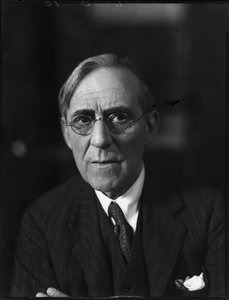
Walter Westley Russell
1867 - 1949 , United Kingdom
基本情報
- Artistic Movement Or Style: Landscape painting
- Artists Or Movements Influenced By This Artist: ['Venice Biennale']
- Artists Who Influenced This Artist: ['Frederick Brown']
- Date Of Birth: May 31, 1867
- Date Of Death: April 16, 1949
- Full Name: Walter Westley Russell
- Nationality: British
- Notable Artworks:
- The Perriots
- Tea Time
- A Portrait
- Place Of Birth: Forest Gate, United Kingdom
関連記事

The Enduring Legacy of Oil on Canvas: Technique, History & Aesthetic Impact
Explore the rich history & techniques of oil painting – from Renaissance masters to Impressionism. Discover pigments, layering methods, and why this timeless medium endures. Expert insights for artists & art enthusiasts.

Oil on Canvas: A Historical & Technical Exploration of a Timeless Artistic Medium
Explore the rich history & enduring techniques of oil painting on canvas. Discover the science behind its longevity, conservation practices, and contemporary relevance. Expert insights for art enthusiasts.

The Enduring Power of Painting: A Historical & Contemporary Exploration of Form and Emotion
Explore the rich history & enduring techniques of oil painting with ArtsDot. Discover masterpieces, learn about art collecting, and find authentic handmade reproductions crafted by skilled artists.
Charles Marion Russell: Capturing the American West Through a Romantic Lens
Explore the captivating world of Charles Marion Russell, 'the cowboy artist.' Discover his life, iconic paintings, advocacy for Native Americans, and investment potential. A guide for discerning art collectors.

油彩のキャンバス:技法、歴史、そして現代の実践 - 古典美術愛好家へ
油彩の技法、歴史、巨匠たちの秘密を徹底解説。古典美術愛好家向けに、初期フランドル絵画から現代の実践まで深く掘り下げます。ArtsDotで高品質な複製画やカスタムオーダーも承ります。