

 プレビュー
プレビュー
 プリントを購入
 シェアする
シェアする シェアする
シェアする
 詳細を見る
詳細を見る

 ダウンロード
 似ている作品
 X線調査
X線調査 スライドショー
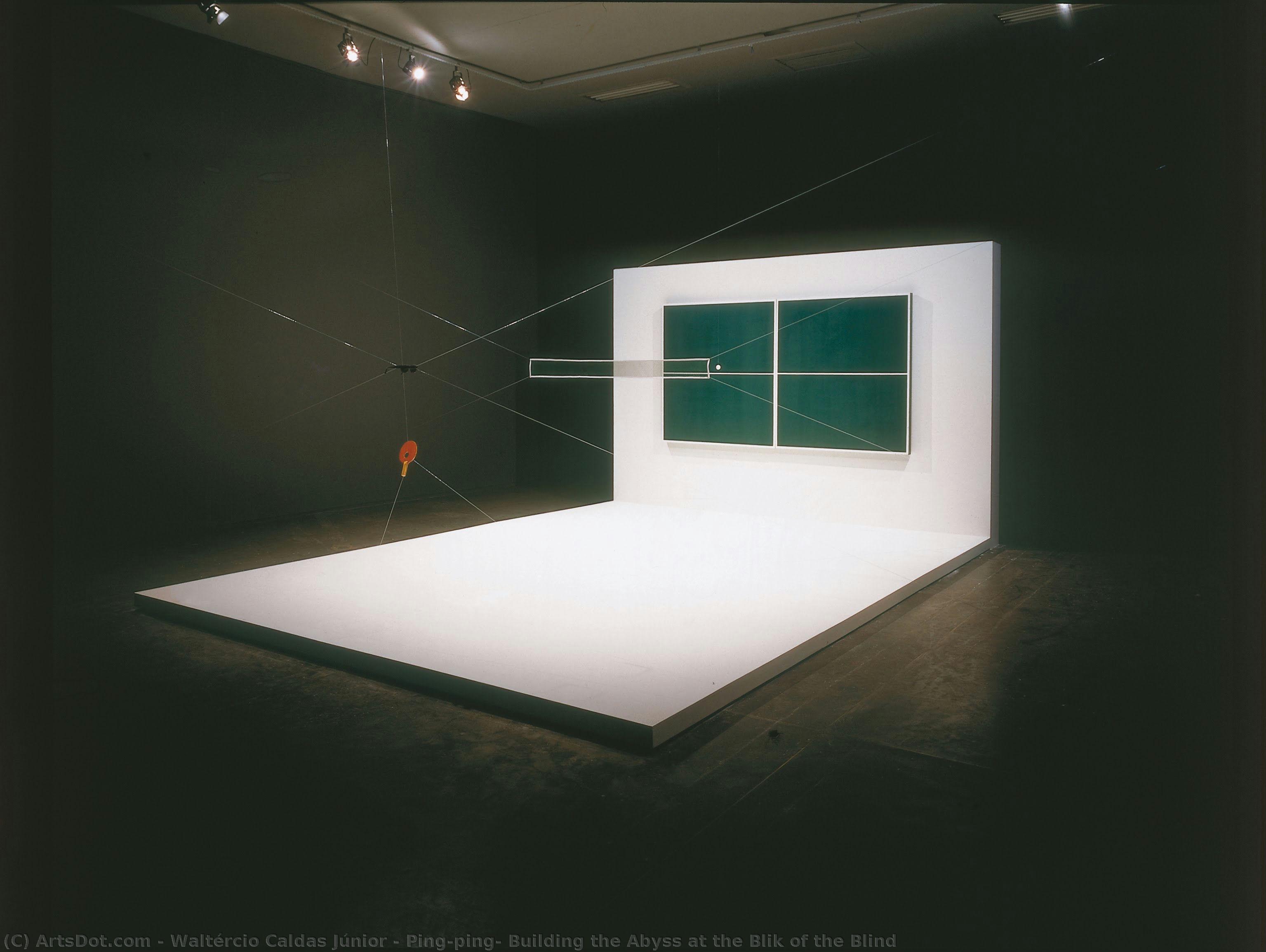
Ping-ping, Building the Abyss at the Blik of the Blind


 詳細を見る
詳細を見る
オンラインプレビューをはるかに凌ぐ、高解像度で鮮明なデジタル画像をご購入いただけます。
各ファイルは、社内の専門家が高度なツールと熟練した手作業によるレタッチを用いて、細心の注意を払って準備されています。すべての画像において、卓越した鮮明度、正確な色彩再現性、そして繊細なディテールを保証いたします。
最終ファイルは、プロフェッショナルな編集・印刷環境ですぐにご利用いただけるよう最適化された状態で、72時間以内にメールにてお届けいたします。これは、一流のデザインスタジオ、出版社、ギャラリーから信頼されているものと同等の品質です。
デジタル画像のご注文に付随する特典
高品質なデジタル画像配信を、確かな品質で。
ArtsDot.com を選ぶことは、単に画像を手に入れることではありません。それは、プロの手によって精密に仕上げられ、満足保証が付いた高品質なデジタルアートワークを受け取ることを意味します。ご注文いただいた際に自動的に付随する内容は、以下の通りです:

メールですぐにお届け
ご注文から72時間以内に、高解像度のデジタル画像ファイルがメールでお手元に届きます。すぐにそのままご利用いただけます。

AI技術で最適化されたデジタルファイル
お客様の作品は、高度なAIツールと専門家による手作業の編集を組み合わせてプロフェッショナルに最適化されており、細部のディテール、鮮明さ、そして正確な色再現性を最大限に引き出しています。

一生涯無料の再送サービス
ファイルを誤って削除したり、紛失してしまったりしましたか?ご安心ください。いつでも無料で再送いたします。

輸入手数料は一切かかりません
関税や手数料、配送料を気にすることなく、お気に入りのアートワークをすぐにお楽しみいただけます。デジタルダウンロードは常に免税です。

色彩再現の保証
プロ仕様のツールとカラーマネジメント技術を用いることで、デジタル画像が元の色を最大限に忠実に再現することを保証いたします。

60日間満足保証
ご購入いただいたデジタル画像にご満足いただけない場合は、60日以内であれば、修正または100%の返金(理由を問う必要はありません)をさせていただきます。

100% 返金保証
ご満足いただけない場合は、デジタルファイルを受け取ってから60日以内であれば、理由を問わず全額返金いたします。

まとめ買い割引
3枚購入で10%OFF - 5枚購入で15%OFF - 10枚以上購入で20%OFF。クリエイティブなプロジェクト、ギャラリー、エージェンシーに最適です。
関連作品







作家の略歴
Waltércio Caldas Júnior: Architect of Absence
Waltércio Caldas Júnior (born November 6, 1946), a name synonymous with Brazilian neo-concretism, is an artist whose work defies easy categorization. More than simply creating sculptures, he crafts experiences—moments of perceptual disruption that challenge our assumptions about space, presence, and the very nature of seeing. Born in Rio de Janeiro, his artistic journey was profoundly shaped by his father’s profession as a civil engineer, exposing him to the meticulous world of blueprints and scale models from an early age – a foundation that would later inform Caldas' own deliberate manipulation of form and perspective. His career, spanning decades and continents, is marked by a relentless pursuit of paradox: a fascination with both what *is* visible and what remains tantalizingly absent.Early Influences and the Neo-Concrete Movement
Caldas’s artistic trajectory was inextricably linked to the rise of neo-concretism in Brazil during the 1960s. This movement, a direct response to the prevailing dominance of figurative art, sought to strip away extraneous elements and focus on the essential qualities of form and material. Influenced by figures like Ivan Serpa, with whom he studied at the Museum of Modern Art in Rio de Janeiro, Caldas embraced this minimalist aesthetic, rejecting representational imagery in favor of geometric abstraction and a heightened awareness of spatial relationships. Crucially, however, neo-concretism wasn’t simply about reduction; it was an exploration of perception itself – how we actively construct meaning through our interaction with the artwork. This emphasis on the viewer's role became a defining characteristic of Caldas’s work throughout his career.The Act of Destruction and Rebirth
A pivotal moment in Caldas’s artistic development occurred in 1967, when at the age of twenty-one, he made the radical decision to destroy every drawing he had ever created. This act, recounted with profound significance by Caldas himself, wasn't a rejection of art but rather a deliberate attempt to initiate a new beginning—a “psychic cleansing” that freed him from the constraints of past experiences and allowed him to approach each subsequent work as an entirely fresh creation. He described this decision as "fundamental," shaping his ongoing commitment to novelty and continuous artistic evolution. This willingness to dismantle previous efforts, to embrace the idea of starting over with each piece, is a core tenet of his practice and informs the inherent dynamism within his oeuvre.Materiality and Paradoxical Forms
Caldas’s sculptures are renowned for their eclectic use of materials – stainless steel, wire, granite, glass, ice, and even blank sheets of paper all find a place in his work. He doesn't simply employ these materials; he actively investigates their inherent qualities—their reflectivity, transparency, solidity, and ephemerality. This careful consideration of materiality is often combined with deliberately ambiguous forms that seem to defy conventional spatial understanding. His pieces frequently incorporate mirrors, not as simple reflective surfaces but as tools for disrupting our perception of depth and creating a sense of layered reality. Works like *Mirror of Light* (1974) exemplify this strategy, presenting a seemingly straightforward reflection that simultaneously exposes the mechanics of illusion and challenges our assumptions about visual truth.Legacy and Recognition
Throughout his career, Caldas has garnered significant recognition within both Brazil and internationally. He represented Brazil at the Venice Biennale in 1997 and 2007, solidifying his position as a leading figure in contemporary art. His work is held in prestigious collections worldwide, including those of the Museum of Modern Art (New York), the National Gallery of Art (Washington D.C.), and the Centre Pompidou (Paris). Notably, he was awarded the Brasília Art Award in 1990 and the Johnnie Walker Award in 1998, further cementing his influence within the art world. His public installations, such as *Omkring* (Around) in Norway, continue to engage viewers with their subtle complexities and profound meditations on perception. Caldas’s legacy extends beyond individual artworks; he represents a vital thread in the history of Brazilian modernism—an artist who consistently pushed the boundaries of artistic expression while remaining deeply attuned to the perceptual experiences of those who encounter his work.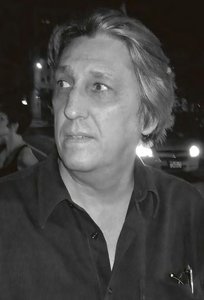
waltércio caldas júnior
1946 - , Brazil
プロフィール概要
- Artistic Movement Or Style: Neo-Concretism
- Artists Or Movements Influenced By This Artist: ['Minimalism']
- Artists Who Influenced This Artist: ['Ivan Serpa']
- Date Of Birth: November 6, 1946
- Full Name: Waltércio Caldas Júnior
- Nationality: Brazilian
- Notable Artworks:
- End (Fim)
- Mirror of Light
- Painted Iron
- Place Of Birth: São Paulo, Brazil

