

 プレビュー
プレビュー
 シェアする
シェアする シェアする
シェアする
 詳細を見る
詳細を見る

 ダウンロード
 似ている作品
 X線調査
X線調査 スライドショー
 Stats
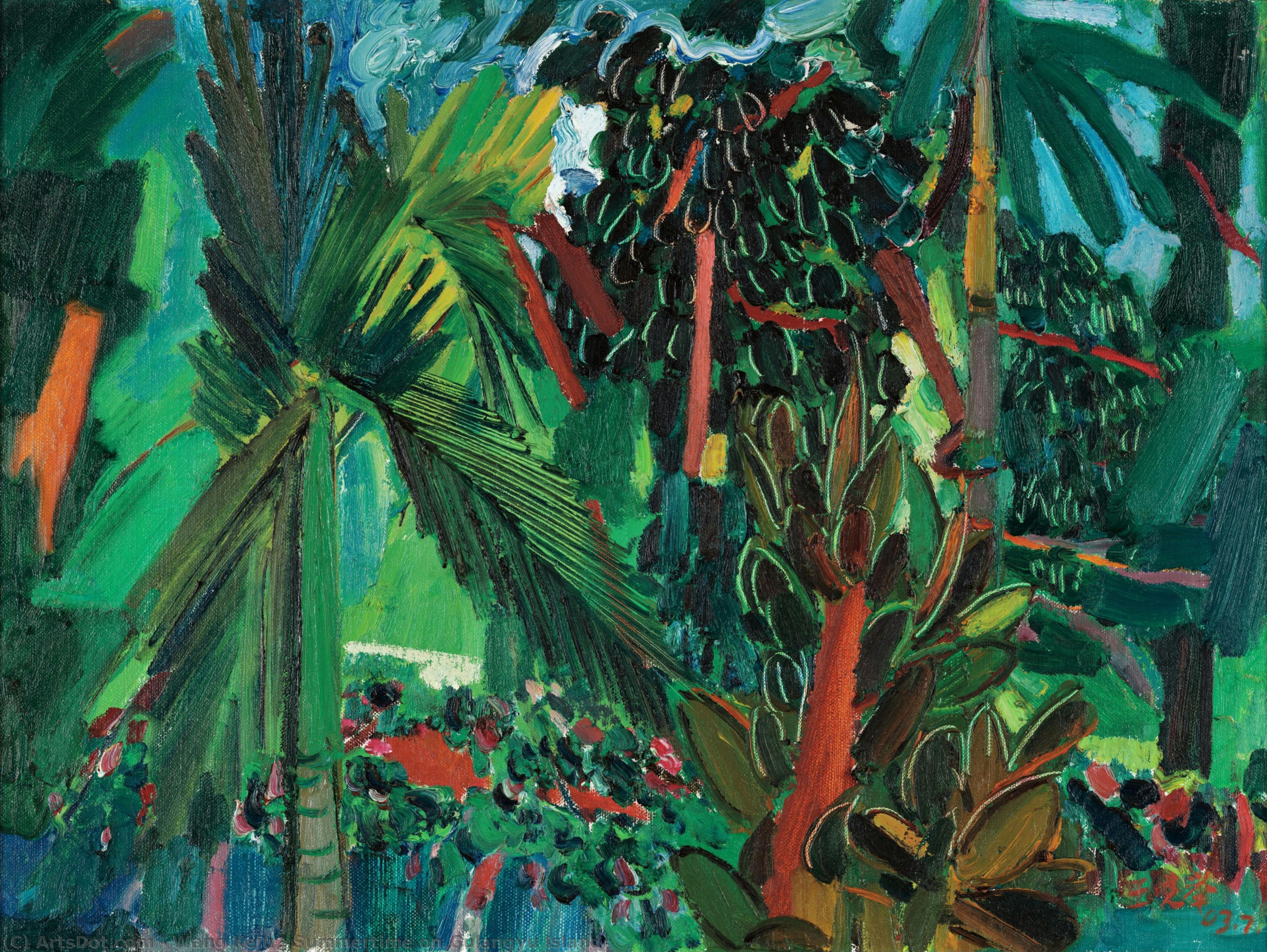
StatsSummertime on Gulangyu Island
 Painting
- Contemporary Realism
 2003
2003- Contemporary
 80.0 x 60.0 cm
 Art Museum of China Profile
 詳細を見る
詳細を見る
オンラインプレビューをはるかに凌ぐ、高解像度で鮮明なデジタル画像をご購入いただけます。
各ファイルは、社内の専門家が高度なツールと熟練した手作業によるレタッチを用いて、細心の注意を払って準備されています。すべての画像において、卓越した鮮明度、正確な色彩再現性、そして繊細なディテールを保証いたします。
最終ファイルは、プロフェッショナルな編集・印刷環境ですぐにご利用いただけるよう最適化された状態で、72時間以内にメールにてお届けいたします。これは、一流のデザインスタジオ、出版社、ギャラリーから信頼されているものと同等の品質です。
デジタルアート
個人での鑑賞、印刷、クリエイティブなプロジェクト用に、高解像度ファイルをダウンロードできます。 ( Switch to Print 手描きの絵画を購入)
デジタル画像のご注文に付随する特典
高品質なデジタル画像配信を、確かな品質で。
ArtsDot.com を選ぶことは、単に画像を手に入れることではありません。それは、プロの手によって精密に仕上げられ、満足保証が付いた高品質なデジタルアートワークを受け取ることを意味します。ご注文いただいた際に自動的に付随する内容は、以下の通りです:

メールですぐにお届け
ご注文から72時間以内に、高解像度のデジタル画像ファイルがメールでお手元に届きます。すぐにそのままご利用いただけます。

AI技術で最適化されたデジタルファイル
お客様の作品は、高度なAIツールと専門家による手作業の編集を組み合わせてプロフェッショナルに最適化されており、細部のディテール、鮮明さ、そして正確な色再現性を最大限に引き出しています。

一生涯無料の再送サービス
ファイルを誤って削除したり、紛失してしまったりしましたか?ご安心ください。いつでも無料で再送いたします。

輸入手数料は一切かかりません
関税や手数料、配送料を気にすることなく、お気に入りのアートワークをすぐにお楽しみいただけます。デジタルダウンロードは常に免税です。

色彩再現の保証
プロ仕様のツールとカラーマネジメント技術を用いることで、デジタル画像が元の色を最大限に忠実に再現することを保証いたします。

100日間満足保証
ご購入いただいたデジタル画像にご満足いただけない場合は、100日以内であれば、理由を問わず修正または100%の返金対応をさせていただきます。

100% 返金保証
ご満足いただけない場合は、デジタルファイルを受け取ってから100日以内であれば、理由を問わず全額返金いたします。

まとめ買い割引
3枚購入で10%OFF - 5枚購入で15%OFF - 10枚以上購入で20%OFF。クリエイティブなプロジェクト、ギャラリー、エージェンシーに最適です。
A Tropical Symphony in Green
In the vibrant masterpiece Summertime on Gulangyu Island, the viewer is instantly transported to a sun-drenched paradise where the boundaries between nature and tranquility dissolve. Created in 2003 by the esteemed contemporary Chinese master Wang Keju, this painting serves as a breathtaking window into a lush, tropical sanctuary. The canvas is dominated by an explosion of verdant hues, where deep emeralds meet bright, sun-kissed limes, depicting the dense, rhythmic foliage of palm fronds and ancient trees. As your eyes wander through the composition, you encounter a lively scene populated by figures that seem to move in harmony with the swaying leaves, creating a sense of shared existence between humanity and the natural world. The presence of delicate birds, perched subtly within the canopy, adds a layer of quiet life, completing this immersive sensory experience.
The technique employed by Wang Keju is nothing short of masterful, showcasing his unique ability to synthesize classical Chinese sensibilities with a modern, atmospheric approach to light and color. Each brushstroke feels intentional, contributing to a dynamic texture that captures the humid, energetic essence of a summer afternoon. The artist utilizes a brilliant palette to manipulate light, making the foliage appear almost translucent where the sun strikes it, and deep, mysterious where shadows gather. For the discerning collector or interior designer, this piece offers more than just visual beauty; it provides a profound sense of depth and movement. The composition is expertly balanced, ensuring that while the scene is full of life, it never feels chaotic, but rather like a perfectly orchestrated moment frozen in time.
An Evocative Escape for Modern Interiors
Beyond its technical brilliance, Summertime on Gulangyu Island carries a deep emotional resonance that makes it an ideal centerpiece for sophisticated living spaces. The painting evokes a feeling of nostalgia and peace, inviting the observer to pause and breathe in the imagined warmth of the island air. It is a work of profound optimism, celebrating the vitality of life and the enduring beauty of the natural landscape. For those looking to curate an atmosphere of serenity and rejuvenation within a home or gallery, this artwork acts as a focal point that breathes energy into any room.
Integrating a high-quality reproduction of this work into an interior design scheme allows for a sophisticated interplay of color and mood. Whether placed in a sunlit lounge to enhance its brightness or in a more muted, contemporary setting to provide a striking burst of organic life, the painting commands attention through its sheer luminosity. It is an investment in emotion—a way to bring the timeless, restorative power of the Chinese landscape into the modern domestic sphere, offering a permanent escape to the lush shores of Gulangyu.
関連作品
作家の略歴
Early Life and Artistic Foundations
Wang Keju, born in the coastal city of Qingdao, China, in 1956, embarked on a journey that would establish him as a prominent figure in contemporary Chinese landscape painting. His formative years were steeped in the rich artistic traditions of his homeland, yet he wouldn’t simply replicate them; instead, he sought to synthesize classical techniques with a deeply personal vision. Graduating from the Shandong Academy of Fine Arts in 1983, Wang Keju quickly distinguished himself, not merely as a skilled technician but as an artist possessing a unique sensitivity to light, color, and atmosphere. This early aptitude led to his appointment as Head of the Painting Department at the prestigious Xu Beihong School of Arts within Renmin University of China—a position that underscored both his talent and potential for leadership in the art world.
A Synthesis of Tradition and Innovation
Wang Keju’s artistic development is characterized by a compelling dialogue between tradition and innovation. While deeply rooted in the classical Chinese landscape painting, or shanshui (mountain-water) tradition, he moved beyond its purely representational aspects. He wasn't interested in simply mirroring nature but rather in capturing its essence—the feeling of being *within* a landscape, the subtle shifts in mood and light, and the emotional resonance it evokes. This pursuit led him to explore oil painting as his primary medium, allowing for greater flexibility in color palette and texture than traditional ink washes. His work often features broad brushstrokes and layered applications of paint, creating a sense of depth and luminosity that draws the viewer into the scene.
Gulangyu Island: A Recurring Muse
Perhaps most notably, Wang Keju’s artistic identity became inextricably linked with Gulangyu Island, a small, car-free island off the coast of Xiamen. He has returned to this location repeatedly throughout his career, transforming it into a powerful symbol within his oeuvre. The island's unique architectural blend—colonial villas nestled amongst lush vegetation and rocky shores—provides a rich visual tapestry for his explorations of light, shadow, and memory. His paintings of Gulangyu are not merely depictions of place; they are meditations on time, history, and the interplay between nature and human presence. He captures the island’s quiet beauty, its sense of isolation, and the lingering echoes of its past.
Exhibitions and Recognition
Wang Keju's work has garnered significant recognition both domestically and internationally. His numerous solo exhibitions include showcases at the Shanghai Art Museum (2004), the National Art Museum of China in Beijing (2007), and Pyo Gallery in Seoul, South Korea (2008). These exhibitions demonstrate a consistent trajectory of artistic growth and critical acclaim. He has also participated in major group shows, including the Third Art Biennale in Beijing (2008) and the Fine Art Fair in Beijing (2010). His paintings are held in prestigious public collections such as The National Art Museum of China, the Shanghai Art Museum, and the Chinese Contemporary Art Museum, solidifying his position within the canon of contemporary Chinese art.
Legacy and Historical Significance
Wang Keju’s contribution to contemporary Chinese painting lies in his ability to bridge the gap between tradition and modernity. He has successfully integrated classical aesthetics with a contemporary sensibility, creating works that are both visually stunning and emotionally resonant. His paintings offer a poignant reflection on China's evolving landscape—both physical and cultural—and serve as a testament to the enduring power of artistic vision. His influence extends beyond his own work, inspiring a new generation of artists to explore the possibilities of oil painting within the context of Chinese art history. He is not simply a painter of landscapes; he is a storyteller, a poet of light and color, and a chronicler of a changing world.
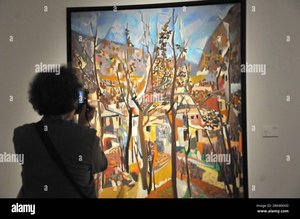
wang keju
1956 - , China
プロフィール概要
- Artistic Movement Or Style: Contemporary Landscape Painting
- Date Of Birth: 1956
- Full Name: Wang Keju
- Nationality: Chinese
- Notable Artworks:
- Gulangyu Island of China
- Summertime on Gulangyu Island
- Place Of Birth: Qingdao, China