

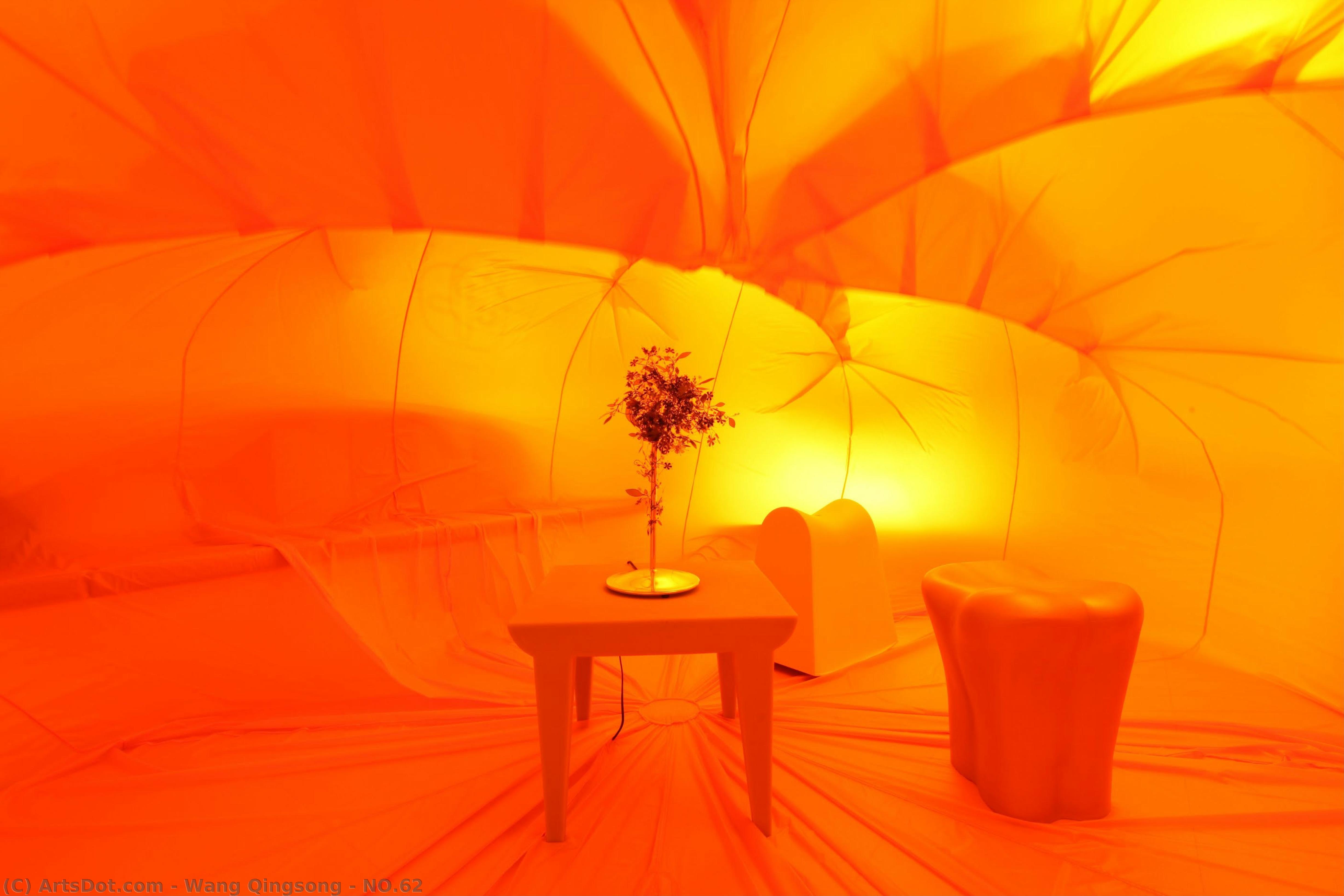
 プレビュー
プレビュー
 シェアする
シェアする シェアする
シェアする
 詳細を見る
詳細を見る

 ダウンロード
 似ている作品
 X線調査
X線調査 スライドショー
NO.62

 詳細を見る
詳細を見る
ジークレー/アートプリント
迅速な制作と多彩な仕上げオプションを備えた、ミュージアムクオリティのジークレーまたはキャンバスプリント。 ( 手描きの絵画を購入 画像を購入)




































作品のオリジナル比率に合わせた、当店の規定サイズからお選びください。

特定のフレームやスペースに合わせて、ご自身でサイズを指定することも可能です。選択されたサイズが元の画像の比率と一致しない場合、作品をトリミングするか、鏡面反射または単色での塗りつぶしによって画像を拡張いたします。制作を開始する前に、ご確認用のデジタルモックアップをお送りいたします。
画面上のプレビューには、実際のトリミングや拡張は反映されませんのでご注意ください。最終的な構図を正確に確認できるのは、モックアップのみとなります。
カスタムサイズも承っておりますが、元の比率を維持するためには、あらかじめ用意されたリストからサイズを選択することをお勧めいたします。


 ガラスオプションは、110cm未満のサイズでのみご利用いただけます。

NO.62
ジークレー/アートプリント
複製画のサイズ
-


合計金額
$ 62
関連作品

アーティストの略歴
A Chronicle of Transformation: The Art of Wang Qingsong
Born in Daqing, Heilongjiang Province, China, in 1966—a pivotal year marking the onset of the Cultural Revolution—Wang Qingsong’s artistic journey is inextricably linked to the seismic shifts that have reshaped his homeland. His upbringing was steeped in a regional identity forged by Soviet influence and later, the waves of economic reform sweeping across China. These early experiences, initially rooted in the industrial north and then evolving through time spent in Hubei province and Sichuan, would become foundational elements within his complex visual narratives. He pursued formal training at the Sichuan Academy of Fine Arts, honing his skills as an oil painter before a decisive shift towards photography in 1993, recognizing its potent capacity to capture the rapidly changing realities around him. This move wasn’t merely a change in medium; it was a fundamental reorientation toward documenting and interpreting the unfolding drama of modern China.From Painterly Beginnings to Photographic Allegories
Initially working within the “Gaudy Art” style, Wang Qingsong quickly found its limitations inadequate for expressing the depth of his observations. He began to see photography as a more direct and impactful tool—a means to dissect the burgeoning consumer culture and the social contradictions that accompanied it. His early photocollages were deliberately provocative, blending traditional Chinese motifs with elements of pop art, creating a visual language that was both familiar and unsettling. However, it was his large-scale staged photographs that truly established him as a significant voice in contemporary art. These weren’t simple snapshots; they were meticulously constructed allegories, often involving hundreds of models and elaborate sets, demanding weeks of preparation and execution. He doesn't merely record reality but orchestrates it, building worlds within the frame to convey his message. Wang himself describes this process as a necessary response to the overwhelming pace of change, stating that artists cannot afford to remain detached from the societal forces at play.The Epic Scale of Social Commentary
Wang Qingsong’s work is characterized by its epic scale and symbolic richness. He draws inspiration from diverse sources—Western advertising techniques, the propaganda imagery of China's Cultural Revolution, and even the compositional principles of ancient Chinese scroll paintings and European Old Master works. This eclectic blend creates a unique visual vocabulary that is both arresting and thought-provoking. His photographs often depict scenes of chaotic construction, extravagant consumption, or unsettling juxtapositions of tradition and modernity. Skyscraper, for example, vividly illustrates the human cost behind China’s rapid economic growth, depicting scaffolding workers constructing an enormous tower—a symbol of ambition built on anonymous labor. Similarly, The Bloodstained Shirt (2018), created during a visit to Michigan, powerfully connects historical struggles for land rights in China with similar issues faced by communities in the United States, highlighting the universal themes of inequity and collective action.Influences and Artistic Development
The artist’s development has been profoundly shaped by his personal experiences navigating a rapidly changing China. His early life exposed him to the remnants of Soviet influence, followed by the economic reforms that transformed Hubei province into an oil production hub. These formative years instilled in him a keen awareness of regional distinctions and the social consequences of progress. He views himself as both a journalist and an artist—a chronicler of his time who seeks to expose the contradictions and complexities of modern society. His work is not simply about documenting change; it’s about questioning its underlying forces and challenging conventional narratives. The influence of Western advertising and propaganda imagery is evident in his compositions, but he subverts these techniques to create a critical commentary on consumerism and political power.Historical Significance and Legacy
Wang Qingsong has emerged as one of China’s most acclaimed contemporary artists, gaining international recognition for his powerful and provocative works. His photographs have been exhibited in prestigious galleries and museums worldwide, including the Venice Biennale, the Hammer Museum, and the International Center of Photography. He is represented by Huxley-Parlour Gallery in the United Kingdom. Beyond the aesthetic impact of his work, Wang Qingsong’s significance lies in his ability to capture the spirit of a nation undergoing profound transformation. His photographs serve as visual records of a pivotal moment in history—a time of unprecedented economic growth, social upheaval, and cultural change. He doesn't offer easy answers or simplistic interpretations; instead, he presents complex narratives that invite viewers to question their own assumptions about China and the world around them.- His work has been widely shown internationally.
- He is represented in major collections worldwide.
- Wang Qingsong continues to live and work between Beijing and New York, remaining a vital voice in contemporary art.

wang qingsong
1966 - , China
基本情報
- Artistic Movement Or Style: Contemporary photography
- Date Of Birth: 1966
- Full Name: Wang Qingsong
- Nationality: Chinese
- Notable Artworks:
- Skyscraper
- The Bloodstained Shirt
- Follow Him
- Place Of Birth: Daqing, China