 プレビュー
プレビュー
 プリントを購入
 シェアする
シェアする シェアする
シェアする
 詳細を見る
詳細を見る

 ダウンロード
 似ている作品
 X線調査
X線調査 スライドショー
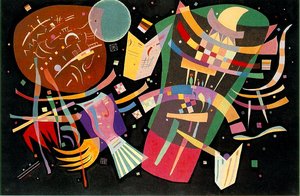
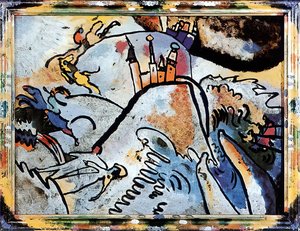
Bild II. Gnomus (Painting II. Gnomus)


 詳細を見る
詳細を見る




P118B $10

P118H $10

P118W $10

P438Z $10

P508JH $12

P508YH $12

P805H $10

P805Z $10

P919BZ $10

P919G $10

P919XJ $10

P959ZH $10

P968JZ $12

W106C $8

W218G $10

W218JH $8

W218Y $10

W307PJ $10

W316G $10

W316PJ $8

W316Y $10

W398PJ $8

W4111J $10

W500HY $15

W500JH $15

W692G $12

W849H $8

W940BG $15

W953PJ $8




作品のオリジナル比率に合わせた、当店の規定サイズからお選びください。

特定のフレームやスペースに合わせて、ご希望のサイズをご入力いただけます。選択されたサイズが元の画像の比率と異なる場合、アートワークをトリミングするか、手描きで要素を追加して絵画を拡張いたします。デジタルモックアップ を制作し、制作開始前にご確認(承認)をいただきます。
画面上のプレビューは、実際のトリミングや拡張を正確に反映しているものではありません。最終的な構図は、モックアップによってのみ正確にご確認いただけます。
カスタムサイズもご利用いただけますが、元の比率を維持するためには、あらかじめ用意されたリストからサイズを選択することをお勧めいたします。
ご注文後、ArtsDot.com チームより詳細な指示をお送りするとともに、仕上がりイメージ(モックアップ)をご提供いたします。


 ガラスオプションは、110cm未満のサイズでのみご利用いただけます。

Bild II. Gnomus (Painting II. Gnomus)
複製技法
複製画のサイズ
-


合計金額
$ 263
作品解説
A Window Into Kandinsky’s Inner Landscape
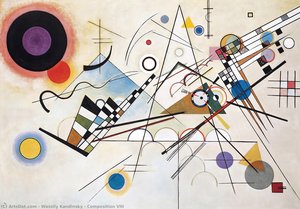
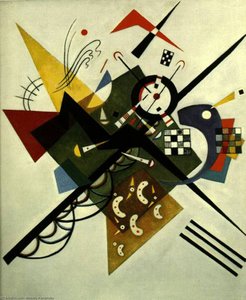
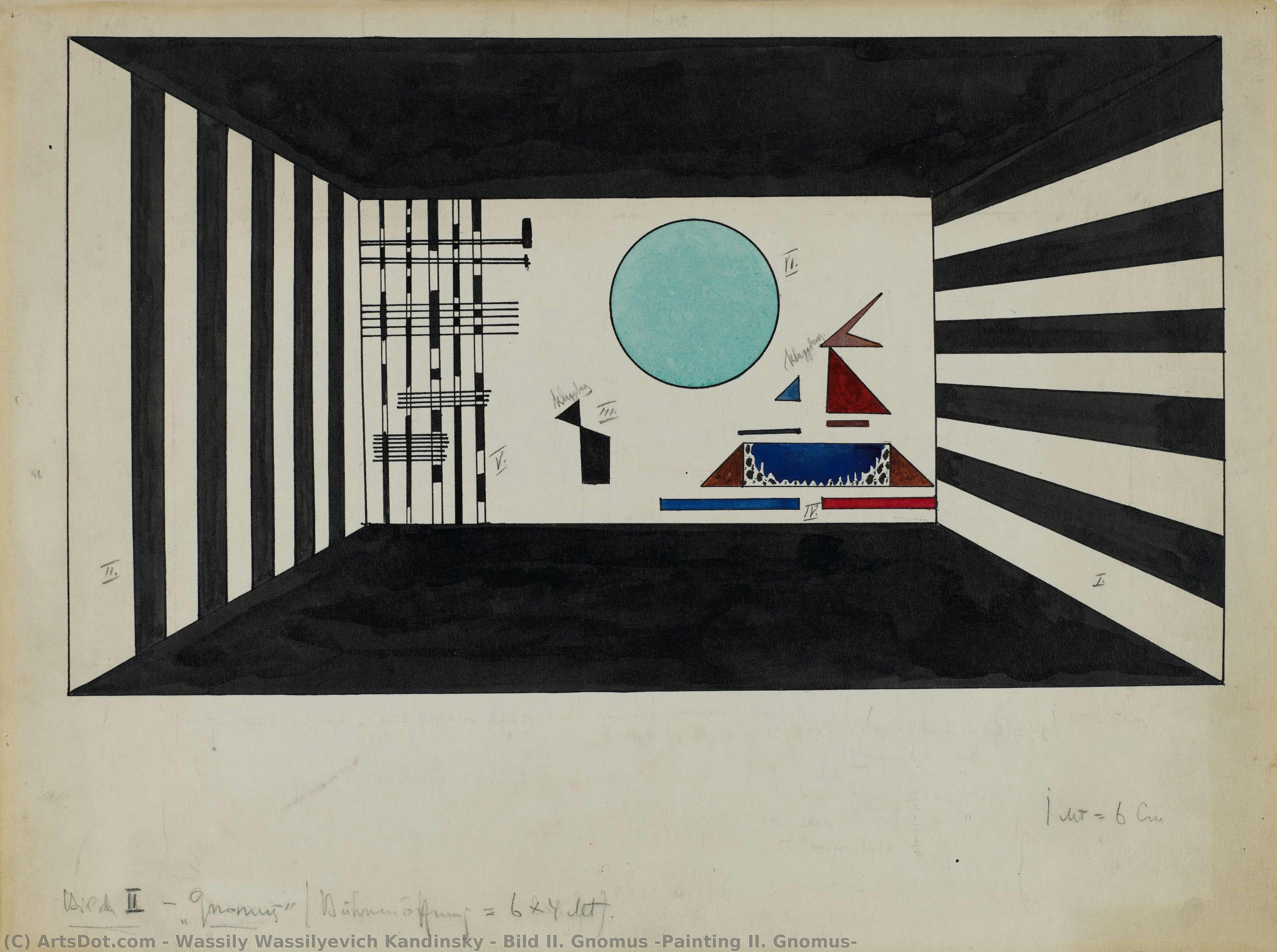
The artwork presented here—Bild II. Gnomus (Painting II. Gnomus)—offers an arresting glimpse into the formative years of Wassily Kandinsky, a pivotal moment in his artistic evolution and a cornerstone of abstract art history. Created in 1928 during his Munich period, this watercolor gouache on paper depicts an interior space—likely a studio or architectural study—rendered with meticulous geometric precision that embodies Kandinsky’s burgeoning fascination with synesthesia and his unwavering belief in the expressive potential of non-representational forms. It is not merely a painting; it is a distillation of Kandinsky’s spiritual quest, translated into a visual language where color and shape dance to an unseen rhythm. The composition immediately draws the eye toward a central perspective point, hinting at an observational viewpoint within a confined room. Vertical lines dominate the walls, establishing a sense of enclosure and grounding the composition, while horizontal lines delineate the floor and ceiling—a deliberate choice mirroring Kandinsky's desire to capture not just visual appearance but also underlying psychological states. However, this apparent stability is countered by the presence of a large blue circle positioned prominently in the center, acting as an undeniable focal point and subtly disrupting the conventional spatial hierarchy. Scattered geometric shapes—circles, rectangles, and triangles—interact with these architectural elements, creating a dynamic interplay that reflects Kandinsky’s exploration of visual relationships rather than literal depiction. The overall arrangement possesses a captivating tension between order and chaos, mirroring his artistic impulse to convey emotion through abstract forms.The Alchemy of Form and Color
Kandinsky's masterful execution is evident in the subtle layering of watercolor and gouache pigments on paper—a technique that prioritizes tonal gradation and structural clarity. The painting’s palette is strikingly sophisticated; while a high-contrast black and white foundation creates a sense of depth and spatial ambiguity, a single blue circle introduces a splash of cool color that breathes life into the monochrome landscape. A small, sharp hint of red in a triangular shape on the right side provides a secondary point of tension, preventing the eye from resting too long in one place. The use of lines within this piece is both structural and decorative. Numerous thin black lines create intricate geometric patterns within the room, adding complexity and visual interest. These lines serve to define the walls and floor while simultaneously acting as abstract motifs that float within the perceived space. This interplay of shapes—the circles, rectangles, and triangles—contributes to a sense of weightlessness, where certain elements appear to drift or interact with the architectural boundaries. For the collector or interior designer, this piece offers a profound sense of balance; it possesses the strength of geometric structure while maintaining the ethereal lightness of an abstract dreamscape.A Legacy of Spiritual Abstraction
To understand Bild II. Gnomus is to understand the soul of modern abstraction. Kandinsky believed that colors and shapes could evoke deep emotions and spiritual experiences, much like notes in a musical composition. The blue circle might symbolize spirituality or harmony, while the sharp angles of the triangles represent more discordant, energetic states. This piece reflects his interest in synesthesia—the blending of senses—where one can almost hear the visual rhythm of the lines and feel the temperature of the blue pigment. For those seeking to adorn a space with art that inspires contemplation, this work serves as a perfect centerpiece. It is an invitation to look beyond the surface and explore the inner landscape of the mind. Whether placed in a contemporary gallery setting or a sophisticated residential study, Kandinsky’s 1928 masterpiece brings with it a sense of historical weight and intellectual depth, making it an invaluable acquisition for anyone dedicated to the enduring power of the abstract movement.関連作品
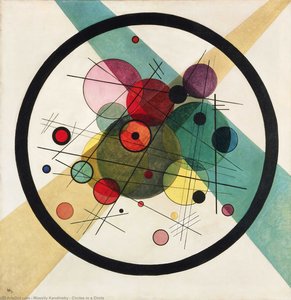
アーティストの略歴
色彩と精神に浸された生涯
1866年にモスクワで生まれたワシリー・ワシーリエヴィチ・カンディンスキーは、近代美術の歩みを決定的に変えた革命的な人物です。彼の道のりは、最初から芸術への天啓に満ちたものではありませんでした。当初はモスクワ大学で法学と経済学のキャリアを歩む運命にありましたが、印象派の絵画、特にクロード・モネの「積みわら」との深い出会い、そしてワーグナーのオペラ「ローエングリン」を目の当たりにした感動的な体験が、彼の中に芸術を追求したいという抑えきれない情熱を燃え上がらせたのです。30歳前後で訪れたこの決定的な瞬間は、単なる職業の変更にとどまらず、世界観そのものの劇的な変容を意味しており、彼を先駆的な抽象表現へと突き動かすこととなりました。その後、彼はミュンヘンへと移り、名高い美術アカデミーに入学してフランツ・フォン・シュトゥックに師事しましたが、正規の教育課程の中にあっても、カンディンスキーの精神は既成の境界を超えた探求を渇望していました。
初期の彼に影響を与えたのは、1889年のヴォログダ地方への民族学調査を通じて得たロシアの民俗芸術でした。そこから得た鮮やかな色彩のパレットと象徴的なイメージは、彼の心に深い魅惑を植え付けました。この基盤は、彼が独自の芸術言語を構築していく上で極めて重要な役割を果たすことになります。こうした初期の探求は、単なる審美的な好みによるものではなく、深い文化的繋がりと、芸術がいかにして具象を超えて伝達し得るかという、芽生えつつあった理解に根ざしていたのです。
抽象の黎明:表現主義から「内なる必然性」へ
カンディンスキーの初期作品には、力強い色彩と感情的な激しさを特徴とする、強烈な表現主義的傾向が見て取れます。1902年の「ポプラ」などの作品が、この時期を象徴しています。しかし、彼は単に外的な世界を再現することに満足はしませんでした。彼は、視覚的な描写を超越した内面的な現実、すなわち精神的な真実を表現しようと試みたのです。この探求が、彼を具象芸術から徐々に遠ざけ、色彩、形態、そしてそれらがもたらす感情的な共鳴への革命的な探求へと導いていきました。
彼は、色彩には固有の心理的効果があり、鑑賞者の心に特定の感情や感覚を呼び起こす力があると信じるようになりました。この信念は、秘教的な知識と普遍的な友愛を強調する精神運動である「神智学」への関心の高まりと深く結びついていました。これらの思想を深めるにつれ、カンディンスキーの絵画はますます非対象的(ノン・オブジェクティブ)になり、認識可能な形態を脱ぎ捨て、「内なる必然性」によって駆動される抽象的な構成へと向かっていきました。これは単に具象を放棄したということではなく、感情や精神性という形のない領域を表現し得る、新しい視覚言語を発見するプロセスだったのです。彼は、色彩と形態が調和して深い感情的反応を引き起こす、音楽の視覚的な等価物を作り出そうとしたのでした。
幾何学的な調和と精神的な共鳴
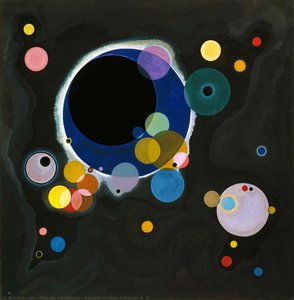
1911年にミュンヘンで共同設立した影響力のある芸術家集団青騎士(デア・ブラウエ・ライター)への参画後の時期には、カンディンスキーのスタイルはさらなる進化を遂げました。初期の作品に見られた流動的で有機的な形状に代わり、彼は円、三角形、正方形の相互作用に焦点を当てた幾何学的抽象の探求を開始しました。「いくつかの円」(140 x 140 cm)はこの時期の代表的な例であり、色彩と形態が調和しながらもエネルギッシュなダンスを繰り広げるダイナミックな構成を見せています。
これは決して冷徹で無機質な幾何学ではありませんでした。むしろ、そこには精神的な意義が吹き込まれていたのです。カンディンスキーは、幾何学的な図形には固有の象徴的意味があり、キャンバス内での配置が特定の感情的反応を呼び起こすと信じていました。彼の理論書、とりわけ最も有名な『芸術における精神的なものについて』(1911年)では、これらの信念が明文化されており、深い精神的真実を伝える媒体としての抽象芸術という、新しい理解の基礎を築きました。彼は、芸術は自然を模倣することを目指すべきではなく、むしろ芸術家の内面世界を明らかにし、より深く直感的なレベルで鑑賞者と繋がるものであるべきだと主張したのです。
バウハウスの影響と不朽の遺産
第一次世界大戦の勃発により、1914年にカンディンスキーはロシアへの帰還を余儀なくされましたが、ロシア革命後、彼は当時の支配的な芸術的風潮との間に次第に隔たりを感じるようになります。1920年、彼はドイツのバウハウス校での教授職を引き受け、そこで色彩、形態、抽象に関する自身の理論を用いて、後世の芸術家たちに多大な影響を与えました。バウハウスは、カンディンスキーが自身の思想をさらに発展させ、新たな創造的道を切り拓くための理想的な環境となりました。
彼は幾何学的な形態と鮮やかな色彩を用いた実験を続け、しばしば厚塗りのインパスト技法を取り入れることで、構成に深みと複雑さを加える質感豊かな表面を作り出しました。これは「親密なパーティー」(1942年)のような後期の作品に見られる特徴です。1933年にナチス政権によってバウハウスが閉鎖された後、カンディンスキーはフランスへと移住し、その生涯の最期までそこで過ごしました。近代美術における彼の功績は計り知れません。彼は抽象表現主義の先駆者として、また非具象絵画の発展における重要人物として広く認められています。彼の作品は、モスクワのトレチャコフ美術館をはじめとする世界中の主要な美術館に収蔵されており、そこにある記念碑的な「コンポジション VII」は、彼の芸術的ビジョンと不朽の遺産の証となっています。
色彩、形態、そして精神性に対するカンディンスキーの探求は、今日においても芸術家たちにインスピレーションを与え続け、20世紀美術史における最も重要な人物の一人としての地位を確固たるものにしています。彼は単に絵を描いたのではありません。彼は感情を、思想を、そして人間精神の真髄そのものを描いたのです。
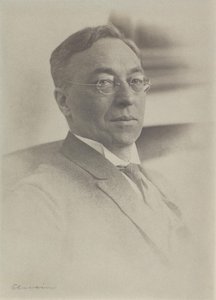
ワシリー・ワシーリエヴィチ・カンディンスキー
1866 - 1944 , ロシア
基本情報
- Artistic Movement Or Style: 抽象芸術、表現主義
- Artists Who Influenced This Artist:
- クロード・モネ
- リヒャルト・ヴァグナー
- Date Of Birth: 1866年12月4日
- Date Of Death: 1944年12月13日
- Full Name: ワシリー・ワシーリエヴィチ・カンディンスキー
- Nationality: ロシア
- Notable Artworks:
- いくつかの円
- 構成作品IX
- Place Of Birth: モスクワ、ロシア
関連記事

Kandinsky's Masterpieces: 25 Paintings That Define Abstract Art | ArtsDot
Journey through Wassily Kandinsky's 25 most iconic abstract paintings. Explore his revolutionary use of color, form & spiritual expressionism. Find museum-quality Kandinsky reproductions and elevate your home decor with ArtsDot.com. Discover all masterpieces on ArtsDot.com!

幾何学的抽象絵画を定義した傑作10選|アート、アーティスト、インテリア装飾
モンドリアン、マレーヴィチ…幾何学的抽象絵画を代表する傑作10選。各作品の背景や色彩構成、アーティストの情熱に迫ります。美術館品質の複製画はArtsDot.comで。オンラインでアートコレクションをご覧ください。
古典と現代の調和:大胆な抽象芸術がクラシックインテリアに与える影響
抽象表現主義がクラシックインテリアに与える影響を解説。色彩心理学や空間への効果、著名なアーティストの作品を紹介します。ArtsDot.comで理想のアートピースを見つけ、洗練された空間を実現しましょう。
抽象表現主義を定義する十大傑作:芸術と装飾の深遠な旅
抽象表現主義を定義する10の傑作。ポロック、ロスコら巨匠たちの情熱と色彩の世界へ。各作品に込められた物語と技法を紐解き、至高のアート体験を。ArtsDot.comで、ミュージアムクオリティの複製画や洗練されたインテリアアイデアを発見してください。
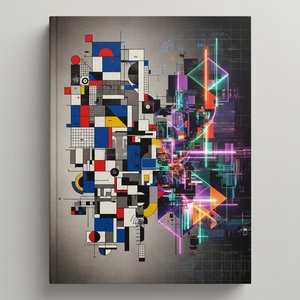
Beyond Form & Color: Geometric Abstraction's Evolution in 20th/21st Century Art
Explore the evolution of geometric abstraction from Cubism to contemporary art. Discover key artists like Malevich & Mondrian, investment insights, and expert collecting advice at ArtsDot.