

 プレビュー
プレビュー
 プリントを購入
 シェアする
シェアする シェアする
シェアする
 詳細を見る
詳細を見る

 ダウンロード
 似ている作品
 X線調査
X線調査 スライドショー
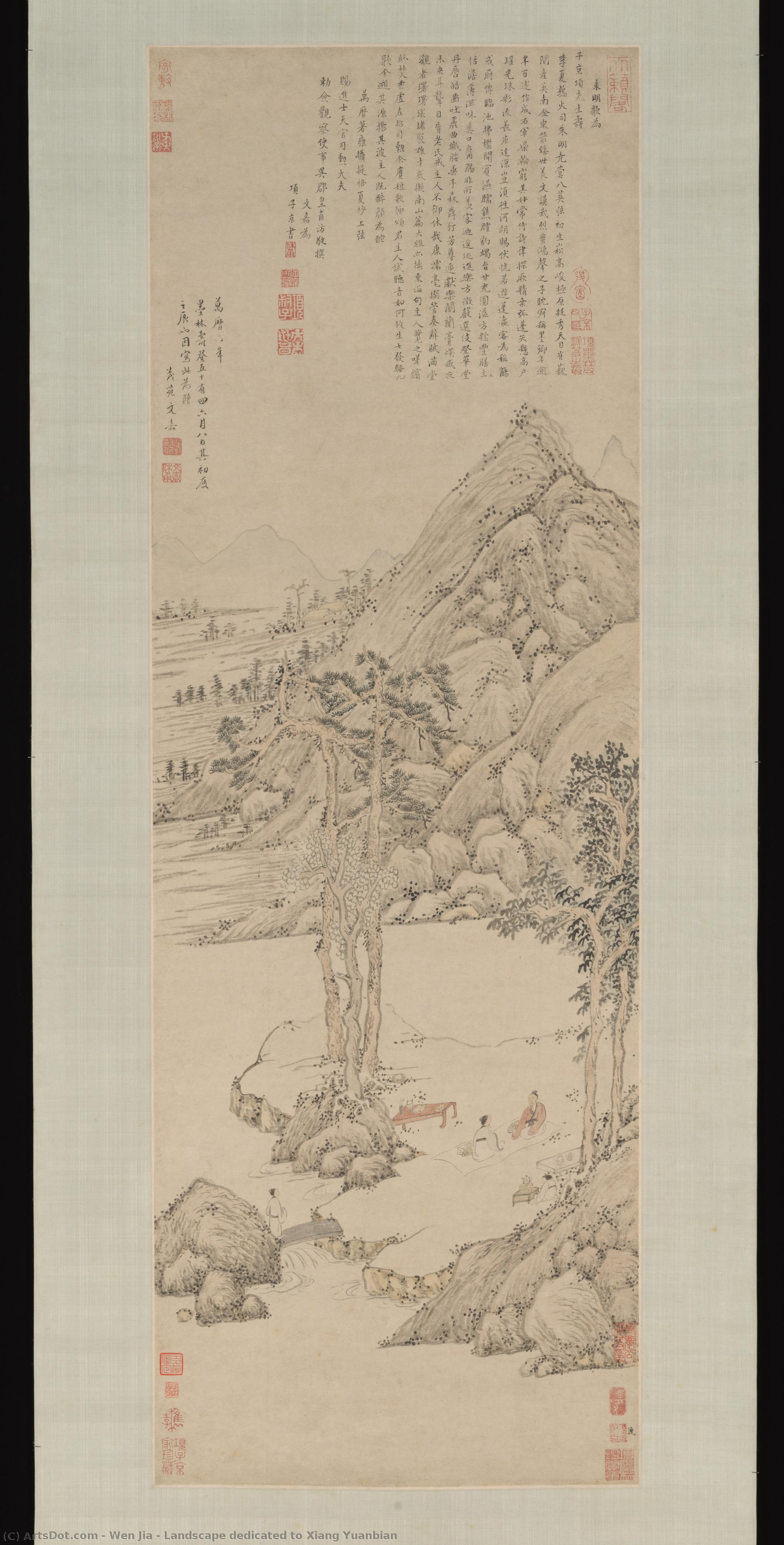
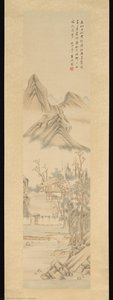
Landscape dedicated to Xiang Yuanbian
 Acrylic On Canvas
- WallArt
- Late Yuan Dynasty
 1578
1578 118.0 x 40.0 cm
 メトロポリタン美術館
 詳細を見る
詳細を見る
オンラインプレビューをはるかに凌ぐ、高解像度で鮮明なデジタル画像をご購入いただけます。
各ファイルは、社内の専門家が高度なツールと熟練した手作業によるレタッチを用いて、細心の注意を払って準備されています。すべての画像において、卓越した鮮明度、正確な色彩再現性、そして繊細なディテールを保証いたします。
最終ファイルは、プロフェッショナルな編集・印刷環境ですぐにご利用いただけるよう最適化された状態で、72時間以内にメールにてお届けいたします。これは、一流のデザインスタジオ、出版社、ギャラリーから信頼されているものと同等の品質です。
デジタル画像のご注文に付随する特典
高品質なデジタル画像配信を、確かな品質で。
ArtsDot.com を選ぶことは、単に画像を手に入れることではありません。それは、プロの手によって精密に仕上げられ、満足保証が付いた高品質なデジタルアートワークを受け取ることを意味します。ご注文いただいた際に自動的に付随する内容は、以下の通りです:

メールですぐにお届け
ご注文から72時間以内に、高解像度のデジタル画像ファイルがメールでお手元に届きます。すぐにそのままご利用いただけます。

AI技術で最適化されたデジタルファイル
お客様の作品は、高度なAIツールと専門家による手作業の編集を組み合わせてプロフェッショナルに最適化されており、細部のディテール、鮮明さ、そして正確な色再現性を最大限に引き出しています。

一生涯無料の再送サービス
ファイルを誤って削除したり、紛失してしまったりしましたか?ご安心ください。いつでも無料で再送いたします。

輸入手数料は一切かかりません
関税や手数料、配送料を気にすることなく、お気に入りのアートワークをすぐにお楽しみいただけます。デジタルダウンロードは常に免税です。

色彩再現の保証
プロ仕様のツールとカラーマネジメント技術を用いることで、デジタル画像が元の色を最大限に忠実に再現することを保証いたします。

60日間満足保証
ご購入いただいたデジタル画像にご満足いただけない場合は、60日以内であれば、修正または100%の返金(理由を問う必要はありません)をさせていただきます。

100% 返金保証
ご満足いただけない場合は、デジタルファイルを受け取ってから60日以内であれば、理由を問わず全額返金いたします。

まとめ買い割引
3枚購入で10%OFF - 5枚購入で15%OFF - 10枚以上購入で20%OFF。クリエイティブなプロジェクト、ギャラリー、エージェンシーに最適です。
作品の詳細
Landscape Dedicated to Xiang Yuanbian: A Reflection of Wu Zhen’s Legacy
The second son of Wen Zhengming (1470–1559), Wen Jia, stood firmly within the artistic lineage established by his father and Shen Zhou, mastering the stylistic conventions of the four great masters—a deliberate homage to the zenith of Yuan dynasty painting. This monumental landscape, executed in 1578 for Xiang Yuanbian, embodies Wu Zhen’s distinctive approach: a serene vision rendered with subtle textural nuances that capture the essence of mountainous grandeur. It's more than just a depiction of scenery; it’s an embodiment of contemplative beauty and philosophical depth.- Style & Technique: Wen Jia meticulously adopted Wu Zhen’s signature technique—a masterful blend of ink wash painting (shan shui) and color application—creating a harmonious interplay between tonal gradation and luminous highlights. The artist skillfully employed pale texture strokes to delineate the contours of distant mountains, establishing a foundational layer of atmospheric perspective that draws the viewer's gaze upwards into the expansive vista.
- Historical Context: Painted during the Ming Dynasty’s reign, this artwork reflects the prevailing aesthetic sensibilities of the time—a yearning for tranquility amidst political upheaval and an appreciation for the sublime qualities inherent in nature. Wu Zhen’s influence extended beyond mere stylistic imitation; it represented a profound engagement with Daoist ideals concerning harmony and balance.
- Symbolism & Composition: The placement of dark black foliage dots punctuates the mountainscape, acting as focal points that guide the eye across the canvas. These dots aren't merely decorative elements but symbolize permanence and stability—counterbalancing the fluidity of the flowing water and reinforcing the overarching theme of enduring beauty.
- The Xiang Yuanbian Connection: The painting’s dedication to Xiang Yuanbian underscores its significance as a connoisseur’s piece, reflecting his profound admiration for artistic excellence. Fifteen seals bearing Xiang Yuanbian's signature attest to his enthusiasm for Wen Jia’s achievement and solidify its place within the annals of Ming Dynasty art history.
Detailed Examination: Wu Zhen’s Influence on Wen Jia’s Vision
Wen Jia’s meticulous rendering of mountain contours—characterized by delicate texture strokes—directly echoes Wu Zhen's pioneering use of tonal gradation to convey depth and atmosphere. Unlike earlier landscape painters who prioritized detailed representation, Wu Zhen championed a more suggestive approach, prioritizing mood and emotion over precise topographical accuracy. Wen Jia skillfully internalized this principle, creating an image that invites contemplation rather than demanding immediate visual comprehension. The artist’s deliberate choice of color—primarily muted greens and browns—further enhances the painting's contemplative character, aligning perfectly with Wu Zhen’s artistic ethos.A Window into Daoist Philosophy: Harmony and Balance
The inclusion of dark foliage dots serves as a powerful reminder of Daoist cosmology—the belief in an interconnected universe governed by yin and yang principles. These dots symbolize stability and permanence, anchoring the viewer's gaze amidst the dynamic flow of water and representing the enduring beauty of the natural world. Wen Jia’s artistic endeavor transcends mere visual representation; it aspires to embody a deeper philosophical truth—a harmonious equilibrium between opposing forces that mirrors the Daoist ideal of cosmic balance.Beyond Reproduction: Capturing the Essence of Serenity
A hand-painted reproduction of “Landscape Dedicated to Xiang Yuanbian” strives to recapture not only its visual splendor but also its profound emotional resonance. The subtle textural nuances and harmonious color palette—inherited from Wu Zhen’s masterful technique—ensure that the artwork retains its contemplative spirit, offering viewers a glimpse into the aesthetic sensibilities of a bygone era and inspiring appreciation for the enduring power of landscape painting as a vehicle for artistic expression.関連作品


作家の略歴
The Shadowed Canvas: Exploring the Life and Art of Jean-Baptiste Mongeau
Jean-Baptiste Mongeau, a name perhaps less familiar than those of his contemporaries in the late 18th and early 19th centuries, nevertheless stands as a quietly significant figure within the burgeoning world of French Romanticism. Born in Lyon in 1765 – a city renowned for its silk weaving and vibrant artistic community – Mongeau’s life was shaped by both privilege and profound personal loss, experiences that would indelibly inform his distinctive style and thematic concerns. His early years were marked by a rigorous education, fostered by his merchant father who recognized the boy's innate talent for drawing and painting. Unlike many artists of his era who sought patronage from the aristocracy, Mongeau’s initial training was largely self-directed, fueled by an avid study of classical masters – particularly Rembrandt and Caravaggio – alongside the burgeoning ideals of the Enlightenment. Mongeau’s artistic journey took a dramatic turn with the untimely death of his wife, Sophie, in 1793 during the tumultuous years of the French Revolution. This devastating loss profoundly impacted him, shifting his focus from bright, celebratory scenes to explorations of melancholy, memory, and the ephemeral nature of beauty. It's believed that this period marked a decisive break with Neoclassical conventions, laying the groundwork for his unique Romantic sensibility. He began to favor darker palettes – deep blues, somber greens, and bruised purples – and employed dramatic chiaroscuro techniques reminiscent of Caravaggio, but imbued with an intensely personal emotional resonance.A Style Forged in Sorrow: Mongeau’s Distinctive Technique
Mongeau's artistic technique is immediately recognizable, characterized by a masterful manipulation of light and shadow – a hallmark of the Romantic movement. He eschewed the smooth, polished surfaces favored by many of his contemporaries, instead embracing visible brushstrokes and a textured impasto that seemed to capture the very essence of feeling. His compositions often feature solitary figures—often women—set against vast, atmospheric landscapes, frequently rendered in muted tones. These scenes are not merely depictions of nature; they are meditations on isolation, longing, and the passage of time. He was particularly skilled at capturing the fleeting effects of light – a hazy dawn, a stormy twilight – using layers of translucent glazes to create an illusion of depth and atmosphere. His use of color was equally deliberate, employing subtle shifts in hue to evoke specific emotions and moods. Unlike many artists who sought to replicate reality with photographic precision, Mongeau deliberately distorted perspective and exaggerated forms to heighten the emotional impact of his work.Influences and Connections: Echoes of Rembrandt and the Sublime
While often categorized as a Romantic painter, Mongeau’s artistic lineage is complex and layered. His early exposure to Rembrandt's dramatic use of light and shadow undoubtedly shaped his technique, while his study of Caravaggio instilled in him a deep appreciation for theatrical composition and emotional intensity. However, he also drew inspiration from the burgeoning concept of the “sublime” – a term popularized by Edmund Burke and Immanuel Kant – which emphasized the awe-inspiring power of nature to evoke feelings of terror and wonder. Mongeau’s landscapes are not simply beautiful; they possess an unsettling grandeur that reflects this Romantic preoccupation with the overwhelming forces of the natural world. He also maintained correspondence with other artists of his time, including Théodore Géricault and Eugène Delacroix, exchanging ideas and critiques that further informed his artistic development.Key Works and Lasting Legacy
Among Mongeau’s most celebrated works are *The Widow's Lament* (1803), a haunting depiction of a grieving woman seated before a crumbling mausoleum; *Twilight on the Seine* (1807), capturing the melancholic beauty of a Parisian evening; and *The Shepherdess Lost* (1812), a poignant allegory of lost innocence and youthful vulnerability. These paintings, along with numerous smaller works in his studio, offer profound insights into the artist’s emotional landscape. Despite not achieving widespread fame during his lifetime, Mongeau's work has been increasingly recognized for its originality and emotional depth in recent decades. His exploration of grief, memory, and the sublime continues to resonate with contemporary audiences, solidifying his place as a significant, if often overlooked, figure in the history of French art. His influence can be seen in later Romantic painters who sought to capture the complexities of human emotion through evocative imagery and dramatic composition. Mongeau’s legacy lies not just in his individual paintings but also in his willingness to confront difficult emotions with honesty and vulnerability—a testament to the enduring power of art to explore the depths of the human experience.
wen chia
1583 , China
プロフィール概要
- Artistic Movement Or Style: World Goes Pop
- Artists Or Movements Influenced By This Artist: ['']
- Artists Who Influenced This Artist: ['']
- Date Of Death: 1583
- Notable Artworks:
- Evelyne Axell
- Joav BarEl
- Thomas Bayrle

