

 プレビュー
プレビュー
 プリントを購入
 シェアする
シェアする シェアする
シェアする
 詳細を見る
詳細を見る

 ダウンロード
 似ている作品
 X線調査
X線調査 スライドショー
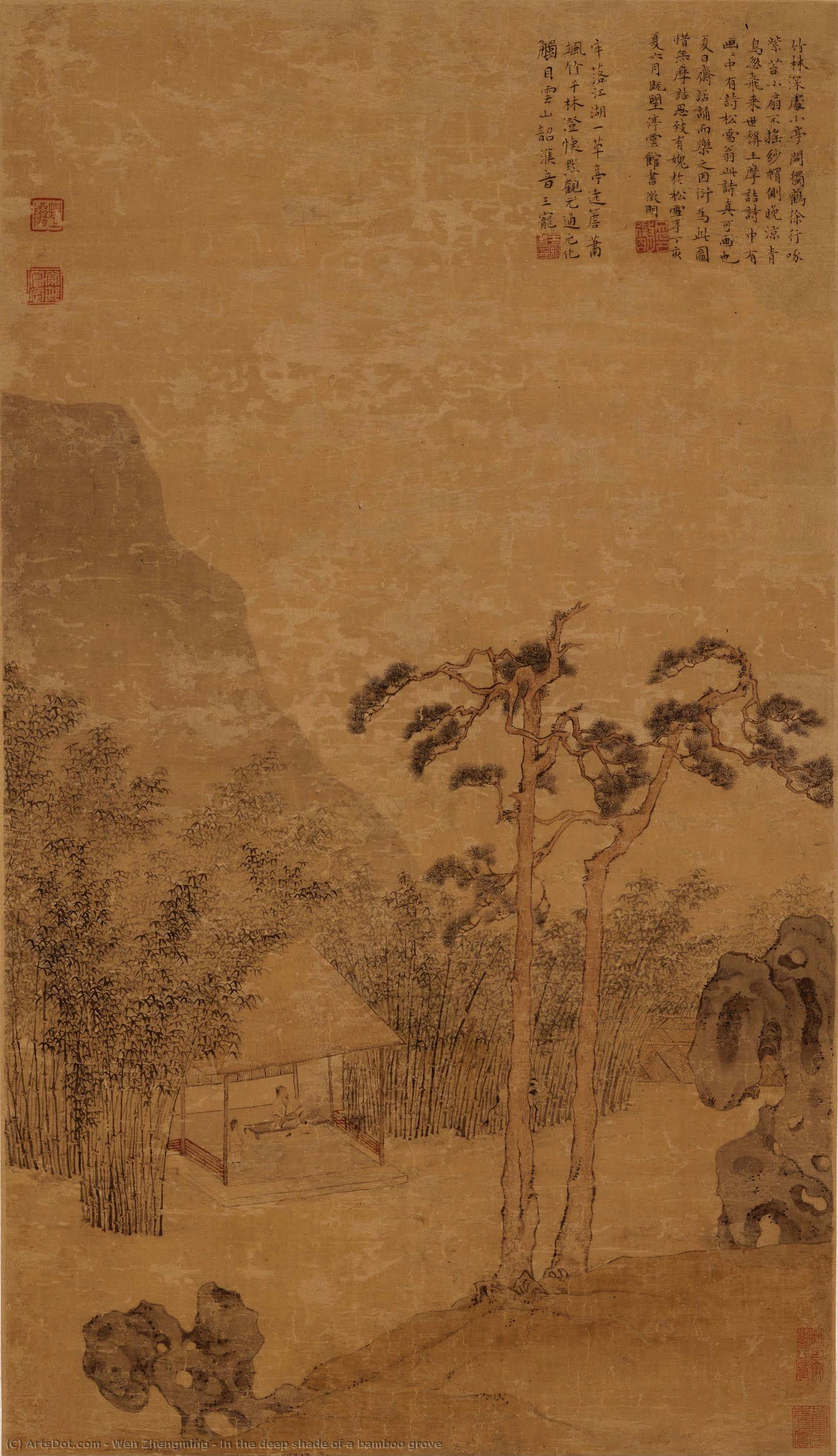
In the deep shade of a bamboo grove
 Ink
Ink- WallArt
- Wu School
 Early Modern
 41.0 x 71.0 cm
 香港藝術館
香港藝術館
 詳細を見る
詳細を見る




P118B $10

P118H $10

P118W $10

P438Z $10

P508JH $12

P508YH $12

P805H $10

P805Z $10

P919BZ $10

P919G $10

P919XJ $10

P959ZH $10

P968JZ $12

W106C $8

W218G $10

W218JH $8

W218Y $10

W307PJ $10

W316G $10

W316PJ $8

W316Y $10

W398PJ $8

W4111J $10

W500HY $15

W500JH $15

W692G $12

W849H $8

W940BG $15

W953PJ $8




作品のオリジナル比率に合わせた、当店の規定サイズからお選びください。

特定のフレームやスペースに合わせて、ご希望のサイズをご入力いただけます。選択されたサイズが元の画像の比率と異なる場合、アートワークをトリミングするか、手描きで要素を追加して絵画を拡張いたします。デジタルモックアップ を制作し、制作開始前にご確認(承認)をいただきます。
画面上のプレビューは、実際のトリミングや拡張を正確に反映しているものではありません。最終的な構図は、モックアップによってのみ正確にご確認いただけます。
カスタムサイズもご利用いただけますが、元の比率を維持するためには、あらかじめ用意されたリストからサイズを選択することをお勧めいたします。
ご注文後、ArtsDot.com チームより詳細な指示をお送りするとともに、仕上がりイメージ(モックアップ)をご提供いたします。


 ガラスオプションは、110cm未満のサイズでのみご利用いただけます。

In the deep shade of a bamboo grove
複製技法
複製画のサイズ
-


合計金額
$ 313
A Sanctuary of Ink and Silence
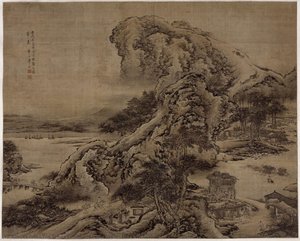
In the quietude of a landscape captured through the delicate medium of Shuimohua, Wen Zhengming invites us into a realm where time seems to suspend its forward march. "In the deep shade of a bamboo grove" is not merely a depiction of nature, but an invitation to spiritual retreat. The composition, a vertical journey through the misty heights of a mountainous landscape, draws the eye upward through layers of soft, monochromatic tones. As we gaze upon this masterpiece from the Ming dynasty, we find ourselves standing at the edge of a verdant world, where the subtle gradations of brown and ink create an atmosphere of profound stillness. The painting captures that fleeting moment of twilight or overcast softness, where the boundaries between earth and sky dissolve into a dreamlike haze.
The technical mastery of Wen Zhengming is evident in every deliberate brushstroke. Eschewing the need for vibrant color, the artist relies on the sophisticated layering of ink washes to build depth and texture. This meticulous process creates a sense of atmospheric perspective, where distant peaks appear as ghostly silhouettes against the aged, parchment-like surface of the paper. The use of line is both purposeful and expressive; fine, rhythmic strokes define the resilient stalks of bamboo and the rugged contours of the mountains, while broader, more fluid washes suggest the presence of mist and moisture in the air. This interplay between precision and abstraction allows the viewer to experience the texture of the landscape—the grain of the stone, the softness of the foliage, and the weight of the humid air.
Symbolism and the Scholar's Soul
To understand this work is to understand the heart of the Wu School and the ideals of the wenren, or scholar-artist. Every element within this landscape carries a weight of cultural significance. The bamboo, central to the piece’s identity, serves as a powerful symbol of integrity, flexibility, and resilience—qualities deeply revered in Chinese philosophy. Nestled within this verdant sanctuary, a small pavilion offers a focal point for contemplation, representing a place of shelter and intellectual pursuit away from the chaos of worldly affairs. Even the presence of subtle figures suggests a shared experience of solitude, reminding us that the appreciation of nature is a profound human connection to the cosmos.
For the discerning collector or interior designer, this artwork offers more than just aesthetic beauty; it provides an emotional anchor for a space. The painting’s subdued palette and tranquil subject matter make it an exquisite choice for creating a sense of calm in a modern living environment. Whether placed in a quiet study, a minimalist gallery, or a sophisticated lounge, a high-quality reproduction of this work brings with it the timeless elegance of the Ming dynasty. It serves as a window into a world of scholarly grace, offering a perennial source of inspiration and a meditative escape from the frenetic pace of contemporary life.
関連作品

アーティストの略歴
Wen Zhengming: A Life Dedicated to Art and Scholarship
- Born: November 28, 1470 (Wen Bi), near present-day Suzhou, China
- Died: March 28, 1559
- Origin: ArtsDot
Wen Zhengming was a towering figure in Ming dynasty art, renowned as a painter, calligrapher, and poet. He is considered one of the "Four Masters of Ming painting" alongside Tang Yin, Shen Zhou, and Zhu Yunming. His work embodies the ideals of the wenren (scholar-artist), blending artistic skill with literary cultivation and philosophical depth.
Early Life and Training
- Family Background: Wen Zhengming's family had a history of military service but transitioned to scholarly pursuits. His father, Wen Lin, was a noted official and amateur painter who fostered an appreciation for art in his sons.
- Early Education: He received early training from his father and brother, Wen Gui, both interested in painting.
- Mentorship under Shen Zhou: A pivotal moment in Wen Zhengming's artistic development was his apprenticeship to Shen Zhou (1499-1509), the founder of the Wu School of painting. This school emphasized literati ideals and a return to earlier Song and Yuan dynasty styles.
- Influences: Xia Chang, whose paintings of bamboo influenced Wen Zhengming's own work, was his wife’s uncle. His father introduced him to a leading calligrapher in Suzhou, shaping his calligraphy skills early on.
Artistic Style and Major Works
- Wu School Affiliation: Wen Zhengming became a leading figure within the Wu School, rejecting professional, academy-influenced styles in favor of amateur artistry rooted in scholarship.
- Style Characteristics: His style is characterized by its elegance, refinement, and subtle use of ink washes (shuimohua). He was known for his ability to capture the essence of a subject rather than merely replicating it realistically. He often incorporated poetry into his paintings, further demonstrating his scholarly background.
- Subject Matter: Wen Zhengming’s subjects included landscapes, bamboo, flowers, birds, and scenes from private gardens like the Humble Administrator's Garden (Zhaoshi Yuan). The garden itself became a recurring theme in his art and poetry.
- Notable Works:
- Eight Views of the Yellow Mountains (1681) – A stunning example of landscape painting showcasing panoramic views.
- In the Deep Shade of a Bamboo Grove - A serene Shuimohua masterpiece demonstrating his mastery of ink wash technique.
- Numerous album leaves depicting scenes from the Humble Administrator's Garden, painted over several decades (1535 and 1551).
Calligraphy and Literary Contributions
- Exceptional Calligrapher: Wen Zhengming was also a highly regarded calligrapher, considered by some to be the greatest in China by 1541. He excelled in both regular script (kaishu) and semi-cursive script (xingshu).
- Influence of Huang Tingjian: His calligraphy style was influenced by the Song dynasty master Huang Tingjian, known for his expressive and unconventional approach.
- Prolific Poet: He was a prolific poet whose verses often reflected on themes of art, nature, and personal reflection.
Legacy and Historical Significance
- Influence on Later Artists: Wen Zhengming’s work profoundly influenced generations of Chinese artists, particularly those within the literati tradition.
- Counterfeiting and Popularity: The high demand for his paintings during the 16th century led to widespread counterfeiting, a testament to his popularity and artistic reputation.
- Scholar-Artist Ideal: He epitomized the ideal of the scholar-artist, demonstrating that artistic excellence could be achieved alongside intellectual pursuits.
- Preservation of Tradition: Wen Zhengming played a crucial role in preserving and transmitting the traditions of Song and Yuan dynasty painting within the Ming period.
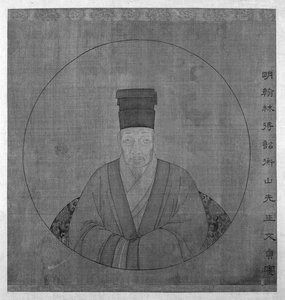
Wen Zhengming
1470 - 1559
基本情報
- Artistic Movement Or Style: Wu School, Literati art
- Artists Or Movements Influenced By This Artist:
- Wen Zhenheng
- Wen Jia
- Wen Boren
- Artists Who Influenced This Artist:
- Shen Zhou
- Li Cheng
- Xia Chang
- Date Of Birth: 1470
- Date Of Death: 1559
- Full Name: Wen Zhengming
- Nationality: Chinese
- Notable Artworks:
- In the deep shade of a bamboo grove
- Eight views of the Yellow Mountains
関連記事
Ephemeral Expressions: Exploring the Nuances of Ink on Paper Through History & Contemporary Art
Explore the captivating world of ink wash painting – from its ancient origins to contemporary masters. Discover techniques, symbolism & conservation insights with ArtsDot.com.

葛飾北斎:25の傑作が語る浮世絵の世界 - ArtsDot
葛飾北斎の25選:『神奈川沖浪裏』や『富嶽三十六景』など、浮世絵の世界を深く探求。木版画の技法と日本美術の美をArtsDotで。高品質なアートプリントで空間に感動を。コレクションはこちら。
Xie Zhiliu: A Legacy of Ink Wash Painting & Modern Chinese Literati Tradition
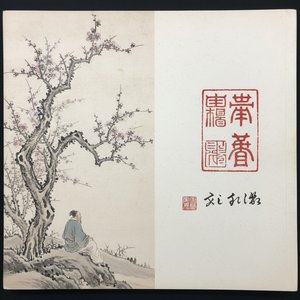
Explore the legacy of Xie Zhiliu, a master of Chinese ink wash painting & prominent figure in modern art. Discover his techniques, influences, and contributions to literati tradition. A guide for discerning collectors.

ロマン派ランドスケープ:時代を彩る巨匠の10選|アートとインテリアの世界
ロマン派絵画の時代を彩る10選。巨匠たちの風景が織りなす感動の世界へ。ターナー、ルーベンスなど、名作の裏話と高精細複製でアートをお部屋に。ArtsDot.comで至福のアート体験を。

Evocations of Place: A Historical Journey Through Landscape Art
Explore the rich history of landscape art with ArtsDot. Discover renowned artists, movements like Impressionism & Romanticism, and expert guidance for collecting timeless pieces. Find your perfect serene escape today!

