

 プレビュー
プレビュー
 シェアする
シェアする シェアする
シェアする
 詳細を見る
詳細を見る

 ダウンロード
 似ている作品
 X線調査
X線調査 スライドショー
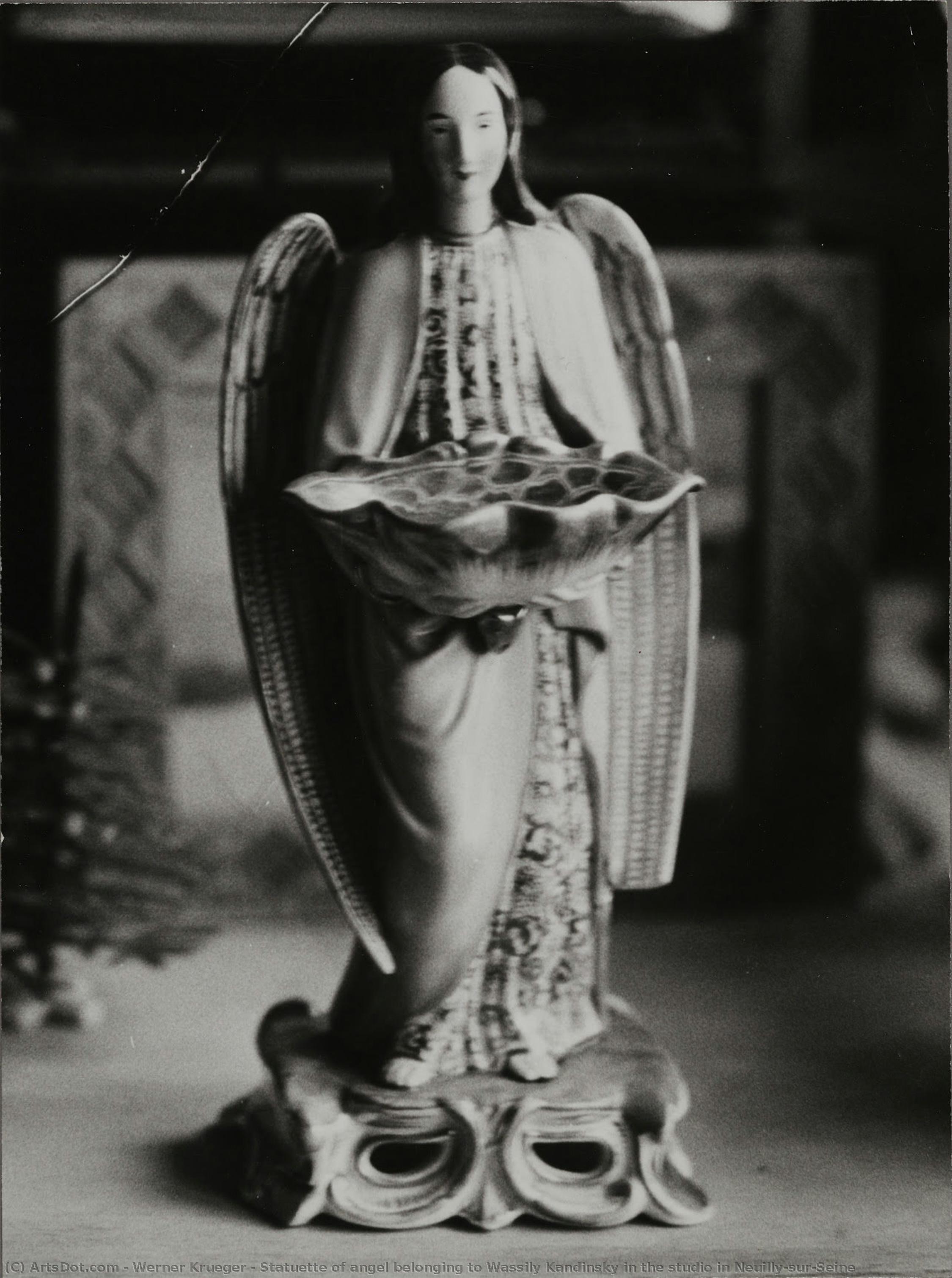
Statuette of angel belonging to Wassily Kandinsky in the studio in Neuilly-sur-Seine


 詳細を見る
詳細を見る
ジークレー/アートプリント
迅速な制作と多彩な仕上げオプションを備えた、ミュージアムクオリティのジークレーまたはキャンバスプリント。 ( 手描きの絵画を購入 画像を購入)




































作品のオリジナル比率に合わせた、当店の規定サイズからお選びください。

特定のフレームやスペースに合わせて、ご自身でサイズを指定することも可能です。選択されたサイズが元の画像の比率と一致しない場合、作品をトリミングするか、鏡面反射または単色での塗りつぶしによって画像を拡張いたします。制作を開始する前に、ご確認用のデジタルモックアップをお送りいたします。
画面上のプレビューには、実際のトリミングや拡張は反映されませんのでご注意ください。最終的な構図を正確に確認できるのは、モックアップのみとなります。
カスタムサイズも承っておりますが、元の比率を維持するためには、あらかじめ用意されたリストからサイズを選択することをお勧めいたします。


 ガラスオプションは、110cm未満のサイズでのみご利用いただけます。

Statuette of angel belonging to Wassily Kandinsky in the studio in Neuilly-sur-Seine
ジークレー/アートプリント
複製画のサイズ
-


合計金額
$ 62
関連作品



アーティストの略歴
A Pioneer of Flight: The Life and Legacy of Werner Krueger
Werner Krueger, born in Neuilly-sur-Seine, France, in 1910, was a figure whose impact extends far beyond the realm of artistic expression—though his life intersected with it in fascinating ways. He wasn’t a painter or sculptor, but a German engineer who fundamentally altered the landscape of aviation. Krueger's story is one of quiet innovation, meticulous research, and a dedication to solving complex aerodynamic challenges. While he passed away in 2003, his invention, the Krueger flap, continues to be an integral component of modern aircraft design, silently enhancing safety and efficiency for millions of travelers every day. His early life remains somewhat shrouded in detail; however, it’s clear that a keen analytical mind and a passion for mechanics were present from a young age, leading him towards a career dedicated to the science of flight.The Birth of an Innovation: Developing the Krueger Flap
Krueger's most significant contribution came with the development of the Krueger flap in 1943. Prior to this invention, increasing the lift capacity of swept-wing aircraft at lower speeds presented a considerable hurdle for aeronautical engineers. Swept wings, while advantageous at high velocities, tended to stall more readily during takeoff and landing. The existing solutions—slats and droop flaps—had limitations in their effectiveness. Krueger’s ingenious solution involved rotating a portion of the lower wing surface outward, effectively increasing the wing's area and altering its aerodynamic profile. This simple yet profound modification dramatically improved low-speed lift production, particularly crucial for swept-wing designs. He rigorously tested his invention at the Göttingen Aerodynamische Versuchsanstalt (AVA) in 1944, meticulously documenting its performance characteristics and refining its design through countless wind tunnel experiments. The AVA’s facilities provided the ideal environment to validate his theories and demonstrate the practical benefits of the Krueger flap.From Prototype to Production: Boeing and Beyond
The initial impact of Krueger's work remained largely confined to research circles for some time. However, in 1954, Boeing recognized the potential of this innovation and began flight testing the Krueger flap on the B-707 prototype. This marked a pivotal moment, transitioning the invention from theoretical concept to practical application. Boeing ultimately integrated the Krueger flap into the production model of the B-727 in 1963—a landmark achievement that solidified its place in aviation history. The B-727’s success demonstrated the reliability and effectiveness of the flaps, leading to their widespread adoption across numerous aircraft manufacturers. Interestingly, Boeing often employed a hybrid approach, utilizing Krueger flaps inboard near the fuselage and slats outboard closer to the engine nacelles, optimizing performance based on specific aerodynamic requirements.A Life Intertwined with Artistic Circles
While primarily known for his engineering prowess, Werner Krueger’s life was also subtly connected to the world of art. He resided in Neuilly-sur-Seine, a suburb of Paris that served as a haven for many prominent artists during the early 20th century, including Wassily Kandinsky. Records indicate an association between Krueger and Kandinsky, evidenced by photographs depicting a ceramic angel statue created by Kandinsky within Krueger’s studio. This connection suggests a possible appreciation for aesthetic form and design beyond his technical pursuits—perhaps influencing his meticulous approach to engineering solutions. The presence of Kandinsky's work in his home speaks to a broader intellectual curiosity and an openness to creative expression, even as he dedicated himself to the precision of scientific innovation.Historical Significance: A Silent Revolution in Aviation
Werner Krueger’s legacy is not one of public acclaim or artistic recognition, but rather one of profound practical impact. The Krueger flap remains a cornerstone of modern aircraft design, contributing significantly to flight safety and efficiency. It's a testament to the power of focused research and ingenious problem-solving. The flaps allow for safer takeoffs and landings, reducing stall speeds and enhancing maneuverability—critical factors in passenger air travel. His invention has indirectly touched countless lives, enabling more efficient and secure global connectivity. While often unseen by passengers, the Krueger flap stands as a silent revolution in aviation, a lasting tribute to the brilliance of Werner Krueger, the engineer who dared to reshape the wings upon which we fly. His contribution is a reminder that innovation can take many forms, and its impact extends far beyond the laboratory or workshop.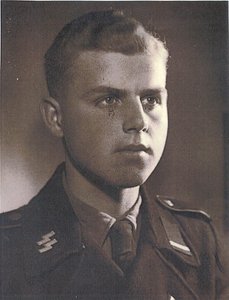
werner krueger
1910 - 2003 , France
基本情報
- Artistic Movement Or Style: Engineering
- Artists Or Movements Influenced By This Artist: ['Boeing aircraft design']
- Date Of Birth: 1910
- Date Of Death: 2003
- Full Name: Werner Krueger
- Nationality: German
- Notable Artworks: ['Krueger flap design']
- Place Of Birth: Neuilly-sur-Seine, France
関連記事

Kandinsky's Masterpieces: 25 Paintings That Define Abstract Art | ArtsDot
Journey through Wassily Kandinsky's 25 most iconic abstract paintings. Explore his revolutionary use of color, form & spiritual expressionism. Find museum-quality Kandinsky reproductions and elevate your home decor with ArtsDot.com. Discover all masterpieces on ArtsDot.com!

Bronze Sculptures That Defined Art History | ArtsDot
Journey through art history with our Top 10 bronze sculptures! Explore masterpieces by Rodin, Michelangelo & more. Discover stories behind iconic statues and find museum-quality reproductions for your home decor at ArtsDot.com.

Bronze Age to Modern Masters: 10 Sculptures That Redefined Art | ArtsDot
Journey through art history with 10 legendary bronze sculptures – from Michelangelo's David to Rodin’s Thinker. Explore the stories, techniques & timeless beauty of these masterpieces. Find museum-quality reproductions & elevate your home decor on ArtsDot.com.

The Enduring Form: Exploring Themes & Techniques in Sculpture Across Historical Periods
Explore the rich history of sculpture from ancient masterpieces to contemporary innovations. Discover key techniques, influential artists & investment potential for discerning art collectors.

Celestial Messengers: Angels in Painting – A Historical & Artistic Exploration
Explore the captivating history of angels in painting! Discover symbolism, iconic Renaissance & Byzantine masterpieces, and renowned artists. Expert insights for art lovers & collectors at ArtsDot.

