

 プレビュー
プレビュー
 シェアする
シェアする シェアする
シェアする
 詳細を見る
詳細を見る

 ダウンロード
 似ている作品
 X線調査
X線調査 スライドショー
 Stats
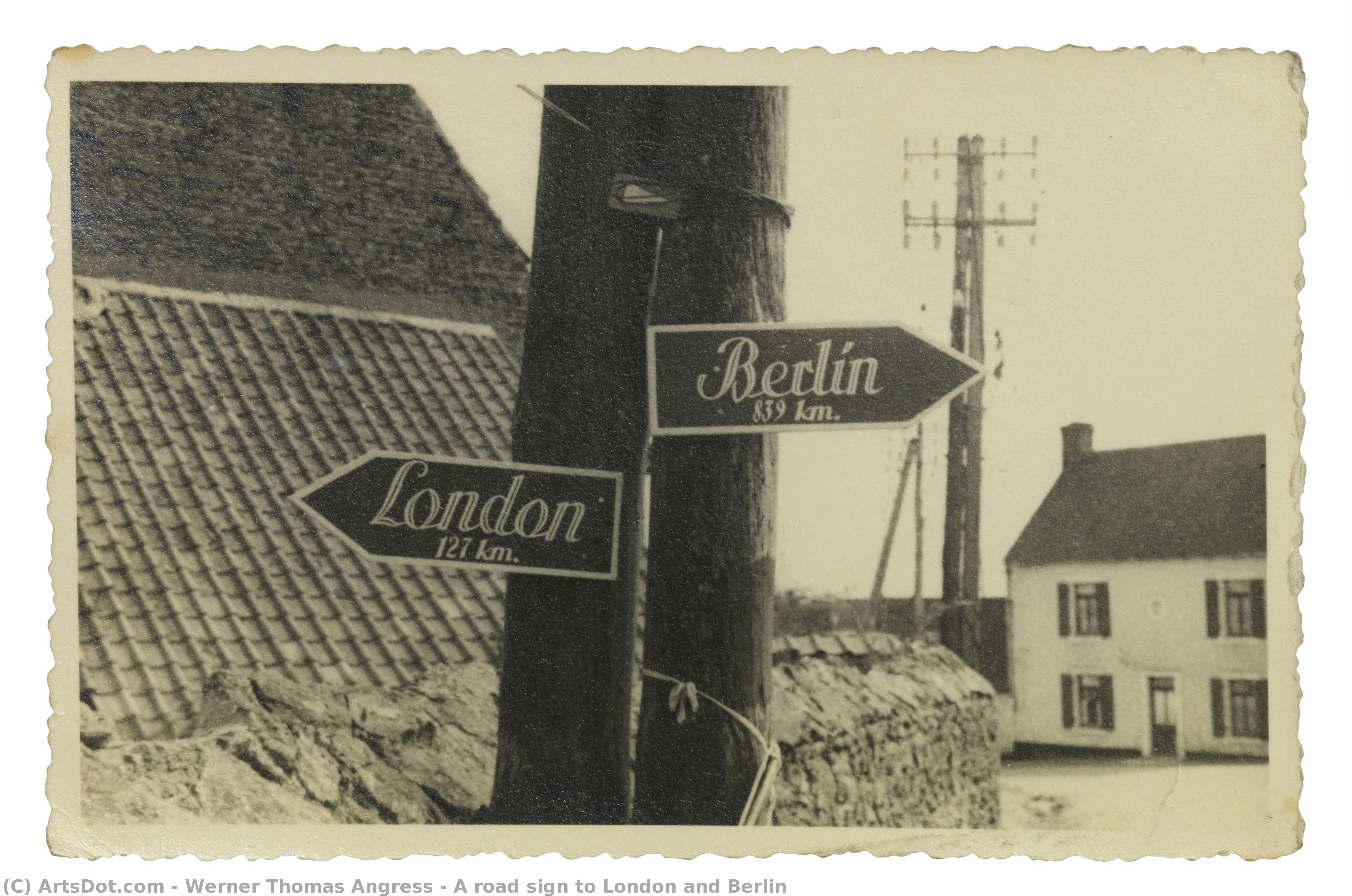
StatsA road sign to London and Berlin

 詳細を見る
詳細を見る
手描き油彩複製画
当社のアーティストが、お客様のご希望のサイズと額縁に合わせて、キャンバスに手描きで制作する油彩画です。 ( Switch to Print Switch to Digital Image)




































作品のオリジナル比率に合わせた、当店の規定サイズからお選びください。

特定のフレームやスペースに合わせて、ご希望のサイズをご入力いただけます。選択されたサイズが元の画像の比率と異なる場合、アートワークをトリミングするか、手描きで要素を追加して絵画を拡張いたします。デジタルモックアップ を制作し、制作開始前にご確認(承認)をいただきます。
画面上のプレビューは、実際のトリミングや拡張を正確に反映しているものではありません。最終的な構図は、モックアップによってのみ正確にご確認いただけます。
カスタムサイズもご利用いただけますが、元の比率を維持するためには、あらかじめ用意されたリストからサイズを選択することをお勧めいたします。
ご注文後、ArtsDot.com チームより詳細な指示をお送りするとともに、仕上がりイメージ(モックアップ)をご提供いたします。


 ガラスオプションは、110cm未満のサイズでのみご利用いただけます。

A road sign to London and Berlin
複製技法
複製画のサイズ
-


合計金額
$ 263
関連作品









アーティストの略歴
A Life Forged in Exile and Resilience
The life of Werner Thomas Angress was a profound odyssey, a journey that spanned continents and traversed the darkest corridors of the twentieth century. Born on June 27, 1920, in Berlin, Germany, Angress belonged to a generation of German-Jewish families whose lives were irrevocably fractured by the ascent of Nazism in 1933. His early years, once characterized by the comforts of a middle-class existence, were soon defined by the urgent necessity of survival. As the shadows of persecution lengthened over Berlin, Angress found temporary sanctuary at Groß Breesen, an agricultural training community designed to equip young Jews with the practical skills required for emigration. It was here, under the mentorship of the humanist educator Curt Bondy, that the seeds of a deep intellectual and empathetic worldview were sown—a foundation that would later allow him to document history not merely as a scholar, but as a witness.
The trajectory of his life took him from the relative safety of England in 1937 to the bustling streets of Amsterdam, before eventually leading him across the Atlantic to the United States. Yet, even as he sought refuge in the Americas, the drums of war followed him. Driven by a complex sense of duty and a desire to defend the very ideals of liberty that had been stripped from his homeland, Angress enlisted in the U.S. Army. His transformation from a refugee to a paratrooper of the 82nd Airborne Division remains one of the most poignant chapters of his biography. On the momentous day of D-Day, June 6, 1944, Angress leaped into the skies over Normandy—his first and only jump—marking a literal and symbolic descent into the heart of the conflict that had displaced him.
The Art of Memory and Identity
While history remembers Angress as an influential historian and a decorated soldier, his artistic contributions offer a more intimate window into the soul of a man caught between worlds. His work, most notably the evocative painting ‘A Road Sign to London & Berlin’, serves as a visual metaphor for the fractured identity of the displaced. In these works, one finds more than mere pigment on canvas; there is a palpable sense of the anxieties and aspirations of a generation grappling with the loss of home and the search for belonging. The imagery of road signs and directional markers transcends simple landscape painting, acting instead as a poignant symbol of the paths taken in flight and the heavy weight of the directions imposed by fate.
The technical execution of his visual narratives often mirrors the gravity of his subject matter. There is an inherent tension in his ability to blend personal trauma with broader historical movements. His art does not shy away from the darkness of the era, yet it is infused with a remarkable resilience. Through his brush, the experience of being a prisoner of war, a battlefield interrogator, and ultimately a liberator is distilled into moments of profound reflection. He possessed the rare ability to capture the duality of his existence: the pain of being rejected by his birth nation and the courage required to return to its soil as a defender of freedom.
Legacy of a Witness
The historical significance of Werner Thomas Angress lies in his unique position as both a participant in and an observer of the twentieth century's most defining struggles. His life’s work, spanning both the written word in memoirs like Witness to the Storm and his evocative visual expressions, provides an essential perspective on the German-Jewish experience during World War II. He stands as a testament to the power of perseverance, illustrating how one can emerge from the wreckage of displacement to find a voice that commands respect and evokes empathy.
To study Angress is to engage with the very essence of human endurance. His achievements—ranging from his military decorations, including the Bronze Star and the Purple Heart, to his scholarly contributions—are inextricably linked to his artistic vision. He reminds us that history is not merely a collection of dates and battles, but a deeply personal tapestry of individual lives striving for dignity amidst chaos. His legacy continues to resonate, offering a roadmap for understanding the complexities of identity, the trauma of exile, and the enduring strength of the human spirit.
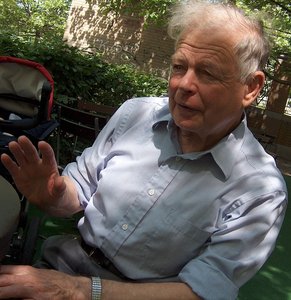
werner thomas angress
1920 - 2010 , Germany
基本情報
- Artistic Movement Or Style: WWII Refugee Art
- Date Of Birth: June 27, 1920
- Date Of Death: July 5, 2010
- Full Name: Werner Thomas Angress
- Nationality: German
- Notable Artworks: ['A Road Sign to London & Berlin']
- Place Of Birth: Berlin, Germany