

 プレビュー
プレビュー
 シェアする
シェアする シェアする
シェアする
 詳細を見る
詳細を見る

 ダウンロード
 似ている作品
 X線調査
X線調査 スライドショー
 統計情報
統計情報Pla Cezanne MST 007
 Contemporary Realism
 2009
2009- Contemporary
 2300.0 x 1720.0 cm
 Korean Art Museum Association
 詳細を見る
詳細を見る
オンラインプレビューをはるかに凌ぐ、高解像度で鮮明なデジタル画像をご購入いただけます。
各ファイルは、社内の専門家が高度なツールと熟練した手作業によるレタッチを用いて、細心の注意を払って準備されています。すべての画像において、卓越した鮮明度、正確な色彩再現性、そして繊細なディテールを保証いたします。
最終ファイルは、プロフェッショナルな編集・印刷環境ですぐにご利用いただけるよう最適化された状態で、72時間以内にメールにてお届けいたします。これは、一流のデザインスタジオ、出版社、ギャラリーから信頼されているものと同等の品質です。
デジタルアート
個人での鑑賞、印刷、クリエイティブなプロジェクト用に、高解像度ファイルをダウンロードできます。 ( プリント版に切り替え 手描きの絵画を購入)
デジタル画像のご注文に付随する特典
高品質なデジタル画像配信を、確かな品質で。
ArtsDot.com を選ぶことは、単に画像を手に入れることではありません。それは、プロの手によって精密に仕上げられ、満足保証が付いた高品質なデジタルアートワークを受け取ることを意味します。ご注文いただいた際に自動的に付随する内容は、以下の通りです:

メールですぐにお届け
ご注文から72時間以内に、高解像度のデジタル画像ファイルがメールでお手元に届きます。すぐにそのままご利用いただけます。

AI技術で最適化されたデジタルファイル
お客様の作品は、高度なAIツールと専門家による手作業の編集を組み合わせてプロフェッショナルに最適化されており、細部のディテール、鮮明さ、そして正確な色再現性を最大限に引き出しています。

一生涯無料の再送サービス
ファイルを誤って削除したり、紛失してしまったりしましたか?ご安心ください。いつでも無料で再送いたします。

輸入手数料は一切かかりません
関税や手数料、配送料を気にすることなく、お気に入りのアートワークをすぐにお楽しみいただけます。デジタルダウンロードは常に免税です。

色彩再現の保証
プロ仕様のツールとカラーマネジメント技術を用いることで、デジタル画像が元の色を最大限に忠実に再現することを保証いたします。

100日間満足保証
ご購入いただいたデジタル画像にご満足いただけない場合は、100日以内であれば、理由を問わず修正または100%の返金対応をさせていただきます。

100% 返金保証
ご満足いただけない場合は、デジタルファイルを受け取ってから100日以内であれば、理由を問わず全額返金いたします。

まとめ買い割引
3枚購入で10%OFF - 5枚購入で15%OFF - 10枚以上購入で20%OFF。クリエイティブなプロジェクト、ギャラリー、エージェンシーに最適です。
A Symphony of Color and Form
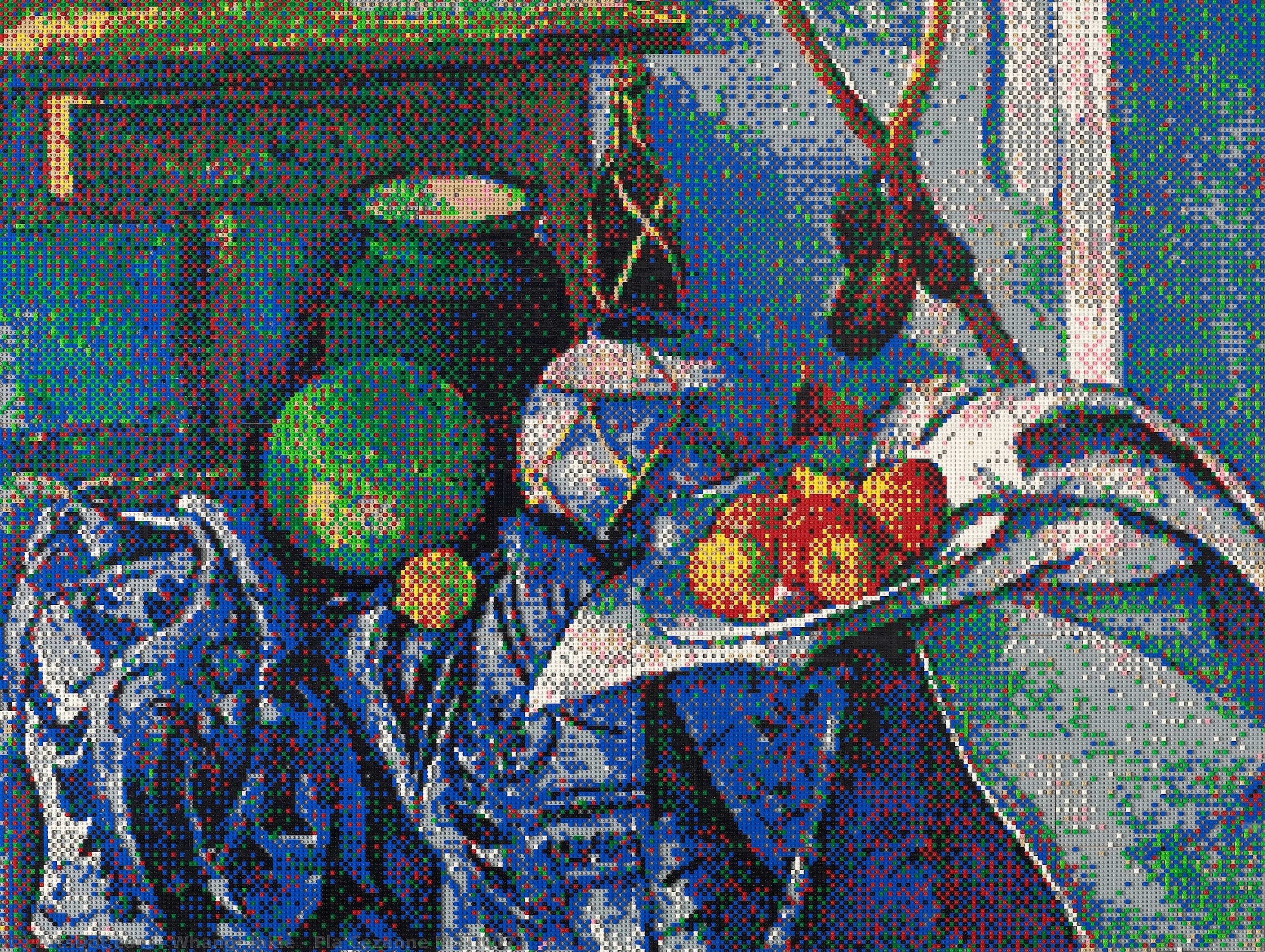
In the vibrant realm of contemporary still life, Pla Cezanne MST 007 emerges as a breathtaking celebration of light, texture, and organic abundance. This masterful work by the Korean contemporary artist Whang Inkie invites the viewer into a lush, sensory experience where the boundaries between nature and artistic expression blur. The composition is a rhythmic dance of shapes; apples glow with a deep, sun-kissed warmth in the upper reaches of the canvas, while oranges are scattered like fallen embers across the center and lower left. Bananas provide a graceful, sweeping movement on the left side, their curved forms guiding the eye through a landscape of fruit that feels both bountiful and meticulously curated. A delicate bowl and a decorative vase anchor the scene, adding a touch of domestic elegance to this explosion of chromatic energy.
The technique employed in this piece reflects a profound dialogue between tradition and modern vitality. While the title pays homage to the structural legacies of masters like Paul Cézanne, Whang Inkie infuses the subject matter with a contemporary pulse. The brushwork is deliberate yet fluid, creating a surface that captures the play of light upon skin-like textures of fruit. Each stroke contributes to a sense of volume and weight, making the oranges feel heavy with juice and the apples possess a firm, polished luster. This interplay of light and shadow does more than just define form; it breathes life into the inanimate, transforming a simple arrangement of food into a living, breathing tableau that commands attention within any space.
Beyond its visual splendor, Pla Cezanne MST 007 carries an emotional resonance that speaks to the timeless human desire for harmony and plenty. There is a profound sense of optimism embedded in its palette; the bright yellows, deep reds, and vibrant oranges evoke feelings of warmth, vitality, and the joy of the harvest. For the discerning collector or interior designer, this painting serves as more than mere decoration. It acts as a focal point of energy, capable of transforming a quiet corner into a lively sanctuary. Whether placed in a sophisticated gallery setting or a modern living space, the artwork offers a continuous sense of movement and life, making it an exquisite choice for those looking to infuse their surroundings with the enduring beauty of the natural world.
関連作品
作家の略歴
Introduction: A Life Painted in Layers
Joan Mitchell (1925–1992) stands as a pivotal figure in the evolution of abstract expressionism, yet her artistic journey was far from straightforward. Born in Chicago on February 12, 1925, into a family deeply immersed in the arts—her mother’s tales of North Carolina provided fertile ground for her imagination, and her father’s more turbulent nature shaped her perspective – Mitchell's path to becoming a celebrated artist was marked by both privilege and personal struggle. Early exposure to music, literature, and visual art fostered a profound sensitivity, leading her to begin painting seriously at the age of eleven. A pivotal year in 1947 saw her awarded a travel fellowship that propelled her to France, where she immersed herself in the burgeoning European avant-garde and began to radically shift towards abstraction. This period wasn’t merely an artistic exploration; it was a crucial process of shedding inherited expectations and forging her own visual language. Returning to New York in 1949, Mitchell quickly integrated into the vibrant “New York School” of painters and poets, gaining recognition through exhibitions like the influential “9th Street Show” in 1951 – an event that firmly established her as a rising star within the abstract expressionist movement. Her work, characterized by its physicality, bold use of color, and deeply personal connection to landscapes, people, poetry, music, and even beloved dogs, continues to resonate with viewers today, solidifying her legacy as one of the most significant artists of the post-war era.Early Influences and Artistic Development
Mitchell’s artistic development was profoundly shaped by a confluence of factors. Her upbringing instilled in her a deep appreciation for beauty and creativity, nurtured by family experiences and exposure to diverse cultural influences. The stories her mother recounted from North Carolina—filled with folklore, symbolism, and the complexities of human relationships—became a rich source of inspiration, informing her later work’s exploration of memory, identity, and personal narratives. Her time in France proved transformative, exposing her to the radical experimentation happening within the European art scene. Artists like Jean Dubuffet and Alberto Magnelli, with their emphasis on raw emotion and gestural painting, exerted a significant influence on Mitchell's approach. She began to prioritize direct expression over representational accuracy, embracing color and texture as primary means of conveying feeling and experience. This shift is particularly evident in her early paintings, which are characterized by loose brushstrokes, vibrant hues, and an intuitive engagement with the canvas—a departure from more structured or intellectualized approaches to abstraction. The 1950s saw Mitchell steadily refining her technique, developing a distinctive style that combined elements of gestural abstraction with lyrical color fields.The “9th Street Show” and Recognition within Abstract Expressionism
Joan Mitchell’s participation in the “9th Street Show” of 1951 marked a crucial turning point in her career. This landmark exhibition, organized by artist Larry Rubin, showcased the work of a group of emerging abstract expressionists—including Barnett Newman, Lee Krasner, and Clyfford Still—and provided a platform for their voices to be heard within the New York art world. Mitchell’s inclusion in the show garnered immediate attention, solidifying her position as a leading figure in the burgeoning movement. Her paintings from this period – characterized by dynamic compositions, layered color fields, and expressive brushwork – demonstrated a remarkable ability to convey both emotional intensity and formal sophistication. The “9th Street Show” not only provided Mitchell with critical acclaim but also opened doors to gallery representation and further exhibition opportunities. It was during this time that she began to establish relationships with key figures in the abstract expressionist community, including Clement Greenberg, who championed her work and helped to shape its critical reception.Later Works and a Continuing Exploration of Landscape
While Mitchell’s early work focused heavily on abstraction, her artistic interests broadened significantly in later years. She continued to explore landscape as a primary subject matter, but her approach evolved to incorporate elements of memory, personal experience, and psychological insight. Her paintings from the 1960s and 70s are often characterized by a more subdued palette and a greater emphasis on texture and surface quality—reflecting a shift towards a more contemplative and introspective mode of expression. Mitchell’s work during this period is deeply informed by her travels, particularly her experiences in Europe and the American Southwest. The rugged beauty of these landscapes—with their vast vistas, dramatic light, and sense of timelessness—became recurring motifs in her paintings, serving as metaphors for human experience and the complexities of consciousness. Her later works are not simply depictions of scenery; they are layered explorations of memory, emotion, and the relationship between the individual and the natural world.Legacy and Historical Significance
Joan Mitchell’s impact on contemporary art is undeniable. She was a fearless innovator who challenged conventional notions of abstraction and pushed the boundaries of color theory and expressive painting. Her work continues to be exhibited in major museums around the world, and her paintings are highly sought after by collectors and institutions alike. Beyond her individual achievements, Mitchell played a vital role in shaping the trajectory of abstract expressionism—demonstrating that abstraction could be both intellectually stimulating and emotionally resonant. She also paved the way for subsequent generations of female artists to pursue their own unique visions within the field. Her legacy extends beyond the art world, inspiring viewers with her profound sensitivity, her unwavering commitment to artistic exploration, and her ability to capture the essence of human experience through color and form.
ワン・インキー
1951 - , 韓国