

 プレビュー
プレビュー
 プリントを購入
 シェアする
シェアする シェアする
シェアする
 詳細を見る
詳細を見る

 ダウンロード
 似ている作品
 X線調査
X線調査 スライドショー
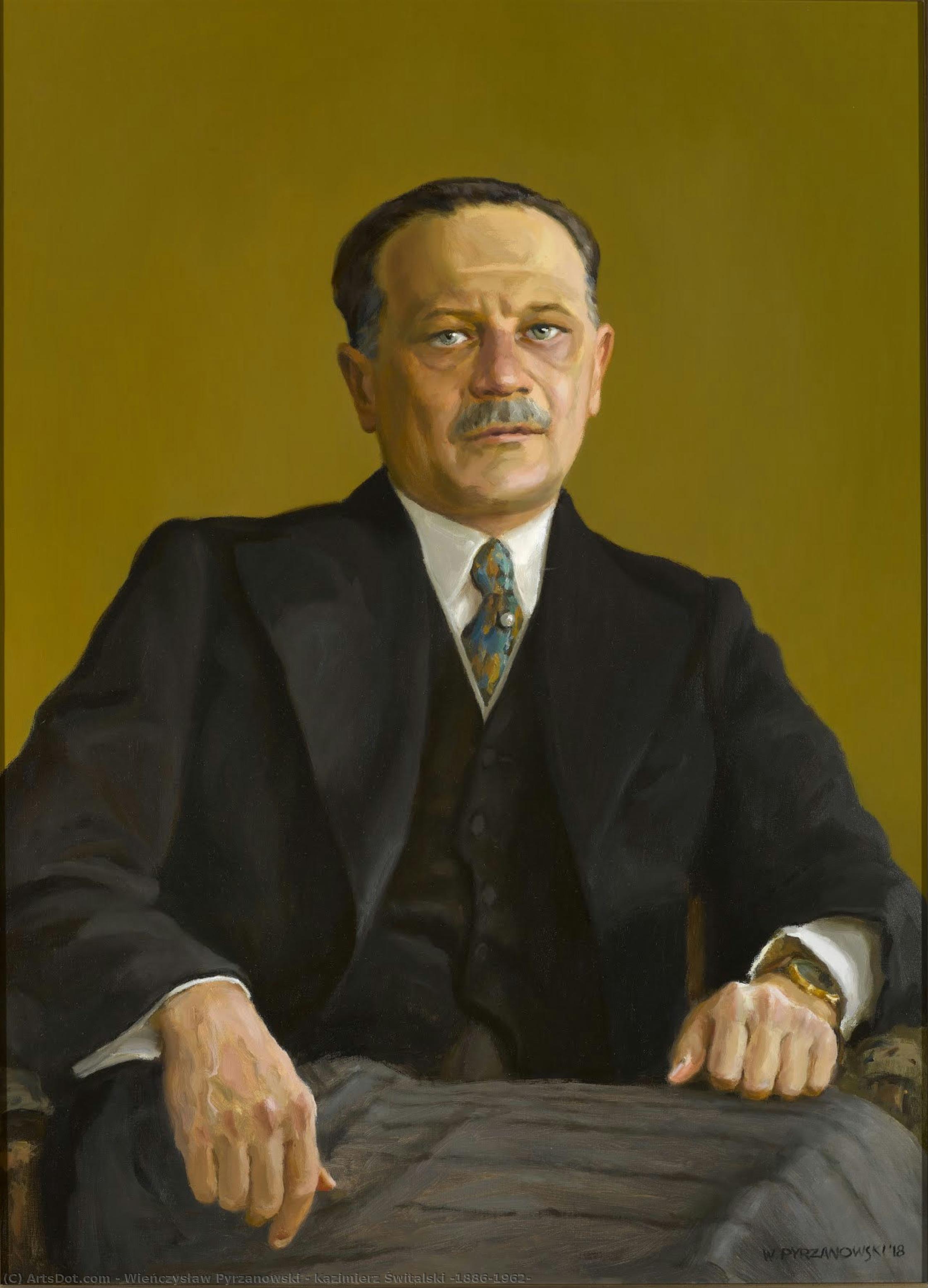
Kazimierz Świtalski (1886-1962)
 Contemporary Realism
 2018
2018 110.0 x 80.0 cm
 ポーランド議会
 詳細を見る
詳細を見る
オンラインプレビューをはるかに凌ぐ、高解像度で鮮明なデジタル画像をご購入いただけます。
各ファイルは、社内の専門家が高度なツールと熟練した手作業によるレタッチを用いて、細心の注意を払って準備されています。すべての画像において、卓越した鮮明度、正確な色彩再現性、そして繊細なディテールを保証いたします。
最終ファイルは、プロフェッショナルな編集・印刷環境ですぐにご利用いただけるよう最適化された状態で、72時間以内にメールにてお届けいたします。これは、一流のデザインスタジオ、出版社、ギャラリーから信頼されているものと同等の品質です。
デジタル画像のご注文に付随する特典
高品質なデジタル画像配信を、確かな品質で。
ArtsDot.com を選ぶことは、単に画像を手に入れることではありません。それは、プロの手によって精密に仕上げられ、満足保証が付いた高品質なデジタルアートワークを受け取ることを意味します。ご注文いただいた際に自動的に付随する内容は、以下の通りです:

メールですぐにお届け
ご注文から72時間以内に、高解像度のデジタル画像ファイルがメールでお手元に届きます。すぐにそのままご利用いただけます。

AI技術で最適化されたデジタルファイル
お客様の作品は、高度なAIツールと専門家による手作業の編集を組み合わせてプロフェッショナルに最適化されており、細部のディテール、鮮明さ、そして正確な色再現性を最大限に引き出しています。

一生涯無料の再送サービス
ファイルを誤って削除したり、紛失してしまったりしましたか?ご安心ください。いつでも無料で再送いたします。

輸入手数料は一切かかりません
関税や手数料、配送料を気にすることなく、お気に入りのアートワークをすぐにお楽しみいただけます。デジタルダウンロードは常に免税です。

色彩再現の保証
プロ仕様のツールとカラーマネジメント技術を用いることで、デジタル画像が元の色を最大限に忠実に再現することを保証いたします。

100日間満足保証
ご購入いただいたデジタル画像にご満足いただけない場合は、100日以内であれば、理由を問わず修正または100%の返金対応をさせていただきます。

100% 返金保証
ご満足いただけない場合は、デジタルファイルを受け取ってから100日以内であれば、理由を問わず全額返金いたします。

まとめ買い割引
3枚購入で10%OFF - 5枚購入で15%OFF - 10枚以上購入で20%OFF。クリエイティブなプロジェクト、ギャラリー、エージェンシーに最適です。
関連作品




作家の略歴
Keith Haring: A Revolutionary Voice in Pop Art
Born on May 4, 1958, in Reading, Pennsylvania, and raised in the small town of Kutztown, Keith Allen Haring’s artistic journey began not with formal training but with a profound connection to the vibrant street art scene emerging in New York City during the late 1970s and early 1980s. His childhood was marked by a love for drawing, nurtured initially by his father, an amateur cartoonist, and fueled by the influence of popular culture icons like Dr. Seuss and Walt Disney. This foundation laid the groundwork for his distinctive style – a bold fusion of cartoon aesthetics, graffiti techniques, and social commentary that would quickly catapult him to international fame.
Haring’s early years were spent exploring various artistic avenues, including enrollment at the Ivy School of Professional Art in Pittsburgh, where he soon realized that commercial art wasn't his calling. He found himself drawn to the burgeoning alternative art community thriving outside the traditional gallery system, a world characterized by raw energy and experimentation. This immersion led him to forge connections with fellow artists like Kenny Scharf and Jean-Michel Basquiat, alongside musicians and performance artists within the downtown scene. Crucially, Haring’s exposure to graffiti profoundly impacted his work; he was captivated by its directness, accessibility, and ability to bypass established art institutions. The subway system in New York City became his laboratory – a blank canvas where he created hundreds of spontaneous chalk drawings, capturing figures, animals, and abstract forms with rapid, energetic lines.
The Subway Drawings and Early Recognition
These “subway drawings,” as they came to be known, were more than just doodles; they represented a deliberate attempt to engage the public directly. Haring’s work quickly gained attention from commuters and critics alike, transforming him into an overnight sensation. His distinctive style – characterized by bold outlines, vibrant colors, and simplified imagery – resonated deeply with audiences, particularly young people. This recognition led to his first solo exhibition at the Westbeth Painters Space in 1981, a pivotal moment that established his place within the New York art scene. The show was met with critical acclaim and generated significant media buzz, solidifying Haring’s status as a rising star.
Following this success, Haring continued to explore various mediums and formats, including murals, posters, and commercial collaborations. He embraced opportunities to create public artworks, often commissioned by hospitals, schools, and community organizations. His commitment to social activism became increasingly prominent during this period. In 1986, he created “Crack is Wack,” a powerful mural designed to raise awareness about the devastating effects of crack cocaine addiction. This work, along with others addressing issues such as AIDS awareness, homosexuality, and apartheid, demonstrated Haring’s desire to use his art as a vehicle for social change. His work was deeply rooted in the spirit of protest and solidarity that characterized the era.
Expanding Horizons: Galleries, Exhibitions, and Social Impact
Throughout the 1980s, Haring's popularity soared, leading to numerous solo exhibitions across the United States and internationally. He participated in prestigious events such as Documenta 7 in Kassel, Germany; the São Paulo Biennial; and the Whitney Biennial in New York City. These engagements exposed his work to a global audience and further cemented his reputation as a significant contemporary artist. He also established “The Pop Shop” in Soho, New York, in 1986 – a retail space that sold merchandise bearing his iconic images at affordable prices, democratizing access to his art and extending its reach beyond the traditional gallery setting.
Haring’s artistic output wasn't limited to visual art. He also ventured into animation, creating short films for television and billboards. His work was frequently featured in magazines and newspapers, solidifying his status as a pop culture icon. Notably, he collaborated with brands like Swatch and Absolut Vodka, demonstrating his ability to seamlessly integrate his artistic vision with commercial interests. Despite the increasing attention, Haring remained committed to his core values – accessibility, social engagement, and the belief that art should be for everyone.
Legacy and Recognition
Tragically, Keith Haring’s life was cut short on February 16, 1990, at the age of 31, due to complications from AIDS. However, his legacy endures as one of the most influential artists of the late 20th century. His distinctive style continues to inspire artists and resonate with audiences worldwide. In 2014, he was honored with a place on the Rainbow Honor Walk in San Francisco, recognizing his contributions to LGBTQ+ rights. The Keith Haring Foundation, established shortly before his death, continues to support organizations dedicated to combating AIDS and promoting children’s health and education – ensuring that Haring's commitment to social justice remains an integral part of his artistic legacy.
Key Works
- “Untitled (Disco Ball)” (1983)
- “Untitled (Pop Shop)” (1986)
- “Crack is Wack” (1986)
- “Radiant Baby” (1987)
- “Dogs Playing Poker” (1985)

wieńczysław pyrzanowski
1958 - , Poland
プロフィール概要
- Artistic Movement Or Style: Pop art, graffiti art
- Artists Or Movements Influenced By This Artist:
- Kenny Scharf
- Jean-Michel Basquiat
- Artists Who Influenced This Artist:
- Jean Dubuffet
- Andy Warhol
- Date Of Birth: May 4, 1958
- Date Of Death: February 16, 1990
- Full Name: Keith Allen Haring
- Nationality: American
- Notable Artworks:
- Crack Is Wack
- Tower
- Untitled Series
- Tuttomondo
- Place Of Birth: Reading, Pennsylvania, USA