

 プレビュー
プレビュー
 シェアする
シェアする シェアする
シェアする
 詳細を見る
詳細を見る

 ダウンロード
 似ている作品
 X線調査
X線調査 スライドショー
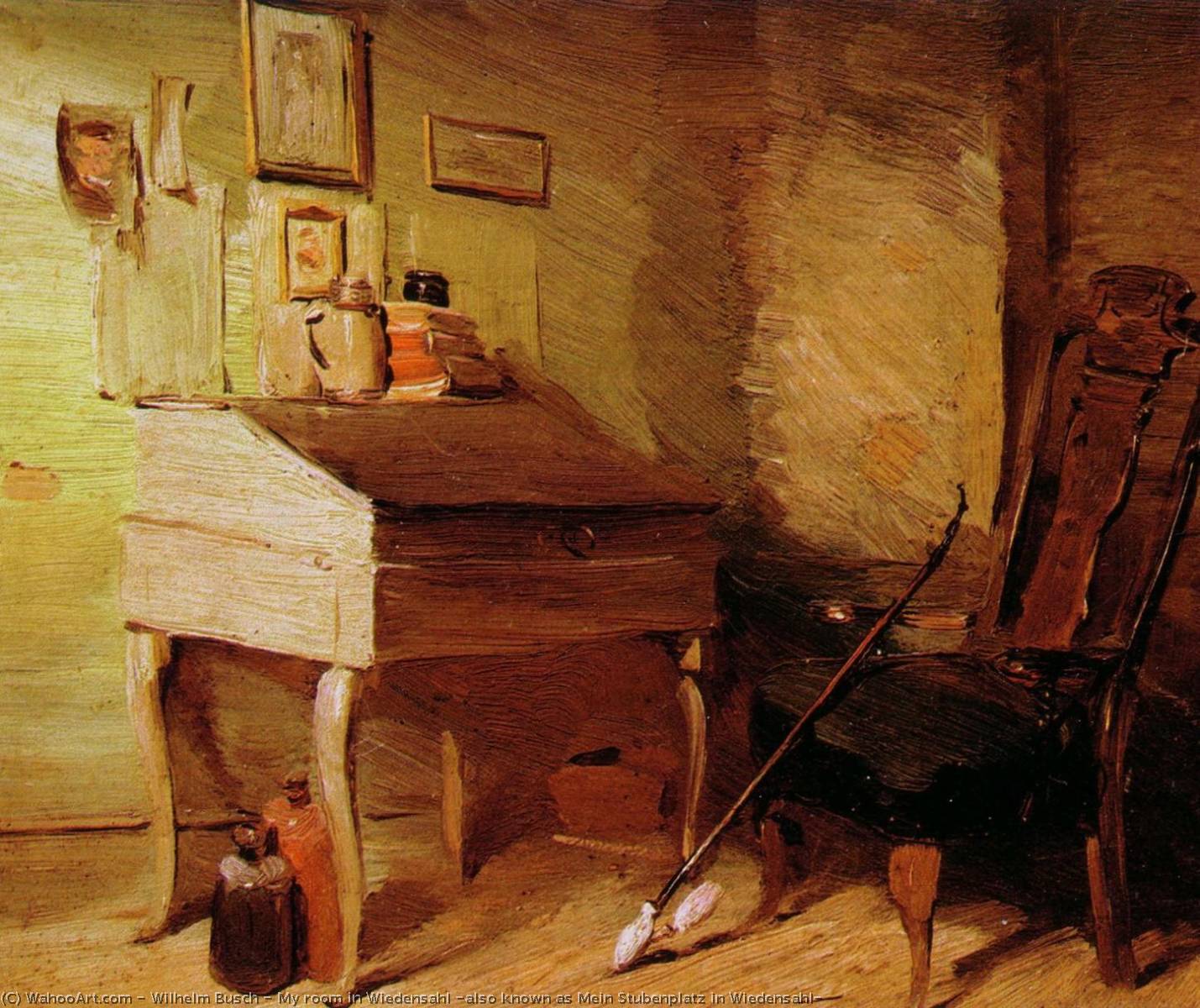
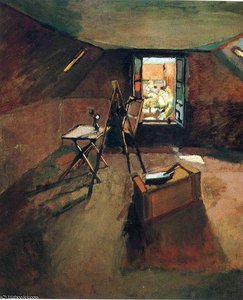
My room in Wiedensahl (also known as Mein Stubenplatz in Wiedensahl)

 詳細を見る
詳細を見る
ジークレー/アートプリント
迅速な制作と多彩な仕上げオプションを備えた、ミュージアムクオリティのジークレーまたはキャンバスプリント。 ( 手描きの絵画を購入 画像を購入)




































作品のオリジナル比率に合わせた、当店の規定サイズからお選びください。

特定のフレームやスペースに合わせて、ご自身でサイズを指定することも可能です。選択されたサイズが元の画像の比率と一致しない場合、作品をトリミングするか、鏡面反射または単色での塗りつぶしによって画像を拡張いたします。制作を開始する前に、ご確認用のデジタルモックアップをお送りいたします。
画面上のプレビューには、実際のトリミングや拡張は反映されませんのでご注意ください。最終的な構図を正確に確認できるのは、モックアップのみとなります。
カスタムサイズも承っておりますが、元の比率を維持するためには、あらかじめ用意されたリストからサイズを選択することをお勧めいたします。


 ガラスオプションは、110cm未満のサイズでのみご利用いただけます。

My room in Wiedensahl (also known as Mein Stubenplatz in Wiedensahl)
ジークレー/アートプリント
複製画のサイズ
-


合計金額
$ 62
関連作品

アーティストの略歴
The Master of Satirical Lines: The Life and Legacy of Wilhelm Busch
In the quiet, thatched-roof village of Wiedensahl, amidst the humble surroundings of a family shop, a creative force was born that would forever alter the landscape of European visual storytelling. Heinrich Christian Wilhelm Busch, arriving on April 15, 1832, emerged from a devout Protestant lineage to become one of the most profound humorists and illustrators of his era. His early years were steeped in the rhythms of German provincial life, a setting that would later serve as both the canvas and the target for his sharp, satirical wit. As the eldest of seven children, Busch’s upbringing was marked by a blend of industriousness and religious devotion, yet it was his formal training at the prestigious academies of Düsseldorf, Antwerp, and Munich that provided him with the technical mastery required to transform simple sketches into enduring cultural icons.
Busch’s artistic evolution was characterized by an extraordinary ability to marry fine art technique with the burgeoning medium of mass-market illustration. He did not merely draw; he choreographed movement through a series of rapid, expressive scrawls that could capture the most fleeting of human emotions or the most chaotic of physical contortions. His Bilderbogen, or pictorial broadsheets, acted as vital precursors to the modern comic strip, utilizing wood engraving and later zincography to disseminate his biting social commentaries. Through these works, he explored the complexities of contemporary life, turning a keen eye toward the hypocrisies of Catholicism, the stifling nature of strict religious morality, and the pervasive spirit of Philistinism that gripped much of 19th-century society.
A Symphony of Verse and Visual Wit
What truly distinguished Busch from his contemporaries was his seamless integration of visual narrative and linguistic play. He was a master of "doggerel" verse—a style that, while appearing simple or even whimsical, possessed a rhythmic precision and a sharp, satirical edge. His comic texts were vibrant tapestries of language, rich with onomatopoeation and inventive neologisms that breathed life into his characters. This duality of poet and painter allowed him to create continuous pictorial narratives such as the legendary Max und Moritz. In these tales, the mischievous exploits of two young boys became a mirror for societal failings, blending dark humor with a profound understanding of human nature.
The impact of his work was so potent that it occasionally drew the ire of censors; his biting critiques of authority and religious bigotry led to certain works being banned by the powers of his time. Yet, this very controversy only served to cement his reputation as a fearless observer of the human condition. His influence rippled far beyond the borders of Germany, finding echoes in the development of international comic traditions. Most notably, the iconic American comic strip The Katzenjammer Kids drew direct inspiration from the anarchic energy of his Max und Moritz, proving that Busch’s brand of humor possessed a universal, timeless appeal.
Enduring Influence and Artistic Heritage
As the decades progressed, Wilhelm Busch’s significance transitioned from that of a popular illustrator to a foundational figure in Western European art and literature. His ability to convey complex psychological states through extreme simplicity remains a subject of study for artists and historians alike. The legacy he left behind is not merely found in museum archives but is actively preserved through institutions such as the Wilhelm Busch Museum and the biennial Wilhelm Busch Prize, which continues to honor excellence in humorous and satirical verse.
Reflecting on his monumental career, several key elements define his historical importance:
- Innovation in Medium: His pioneering use of pictorial broadsheets laid the essential groundwork for the modern comic strip format.
- Social Commentary: He utilized satire as a surgical tool to dissect and critique the religious and social rigidities of the 19th century.
- Linguistic Mastery: The creation of a unique, playful vocabulary through neologisms and rhythmic verse enriched the German literary tradition.
- Global Reach: His work transcended linguistic barriers, influencing generations of cartoonists and illustrators across the globe.
Though he passed away in 1908, the spirit of Wilhelm Busch remains vibrantly alive. He remains a towering figure whose work continues to provoke laughter, reflection, and a deeper understanding of the beautiful, often absurd, complexities of life.
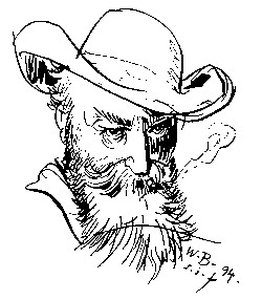
wilhelm busch
1832 - 1908
基本情報
- Artistic Movement Or Style: Satirical illustration
- Artists Or Movements Influenced By This Artist: ['Katzenjammer Kids']
- Date Of Birth: April 15, 1832
- Date Of Death: January 9, 1908
- Full Name: Heinrich Christian Wilhelm Busch
- Nationality: German
- Notable Artworks:
- Max and Moritz
- The Holy Antonius
- Hans Huckebein
- Place Of Birth: Wiedensahl, Germany

