

 プレビュー
プレビュー
 プリントを購入
 シェアする
シェアする シェアする
シェアする
 詳細を見る
詳細を見る

 ダウンロード
 似ている作品
 X線調査
X線調査 スライドショー
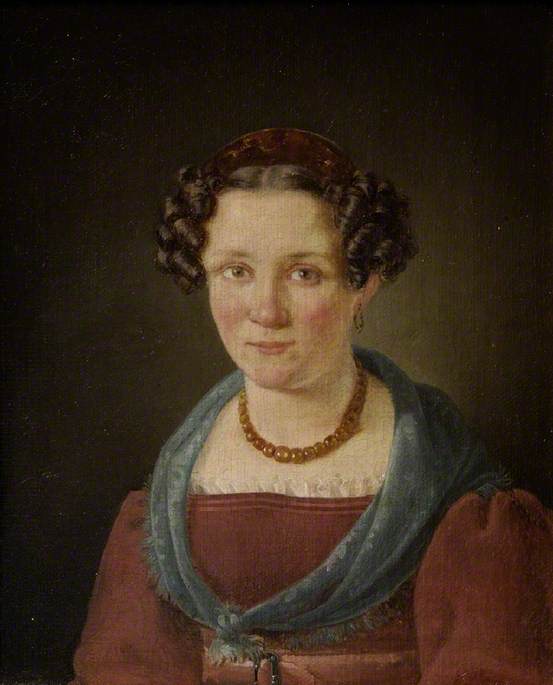
Portrait of a Woman
 Oil On Canvas
- WallArt
- Danish Golden Age
 23.0 x 19.0 cm
 Fitzwilliam College
 詳細を見る
詳細を見る
オンラインプレビューをはるかに凌ぐ、高解像度で鮮明なデジタル画像をご購入いただけます。
各ファイルは、社内の専門家が高度なツールと熟練した手作業によるレタッチを用いて、細心の注意を払って準備されています。すべての画像において、卓越した鮮明度、正確な色彩再現性、そして繊細なディテールを保証いたします。
最終ファイルは、プロフェッショナルな編集・印刷環境ですぐにご利用いただけるよう最適化された状態で、72時間以内にメールにてお届けいたします。これは、一流のデザインスタジオ、出版社、ギャラリーから信頼されているものと同等の品質です。
デジタル画像のご注文に付随する特典
高品質なデジタル画像配信を、確かな品質で。
ArtsDot.com を選ぶことは、単に画像を手に入れることではありません。それは、プロの手によって精密に仕上げられ、満足保証が付いた高品質なデジタルアートワークを受け取ることを意味します。ご注文いただいた際に自動的に付随する内容は、以下の通りです:

メールですぐにお届け
ご注文から72時間以内に、高解像度のデジタル画像ファイルがメールでお手元に届きます。すぐにそのままご利用いただけます。

AI技術で最適化されたデジタルファイル
お客様の作品は、高度なAIツールと専門家による手作業の編集を組み合わせてプロフェッショナルに最適化されており、細部のディテール、鮮明さ、そして正確な色再現性を最大限に引き出しています。

一生涯無料の再送サービス
ファイルを誤って削除したり、紛失してしまったりしましたか?ご安心ください。いつでも無料で再送いたします。

輸入手数料は一切かかりません
関税や手数料、配送料を気にすることなく、お気に入りのアートワークをすぐにお楽しみいただけます。デジタルダウンロードは常に免税です。

色彩再現の保証
プロ仕様のツールとカラーマネジメント技術を用いることで、デジタル画像が元の色を最大限に忠実に再現することを保証いたします。

60日間満足保証
ご購入いただいたデジタル画像にご満足いただけない場合は、60日以内であれば、修正または100%の返金(理由を問う必要はありません)をさせていただきます。

100% 返金保証
ご満足いただけない場合は、デジタルファイルを受け取ってから60日以内であれば、理由を問わず全額返金いたします。

まとめ買い割引
3枚購入で10%OFF - 5枚購入で15%OFF - 10枚以上購入で20%OFF。クリエイティブなプロジェクト、ギャラリー、エージェンシーに最適です。
作品の詳細
A Moment Frozen in Time: Wilhelm Ferdinand Bendz’s “Portrait of a Woman”
Wilhelm Ferdinand Bendz's "Portrait of a Woman," painted circa 1824, is more than just a likeness; it’s a carefully constructed tableau of quiet dignity and subtle emotion. This intimate portrait, now housed at the Fitzwilliam Museum in Cambridge, offers a glimpse into the burgeoning artistic circles of early 19th-century Denmark – a period marked by both Romantic idealism and a growing interest in capturing the nuances of everyday life. Bendz, a student of the renowned Christoffer Wilhelm Eckersberg, skillfully balances formal training with a distinctly personal style, evident in his masterful use of light and shadow to draw the viewer into the subject’s gaze.
The painting depicts a young woman, her identity deliberately obscured, yet radiating an undeniable sense of composure. She is positioned within a modestly furnished interior – a dark background emphasizing the softness of the light falling upon her face and dress. The palette is restrained, dominated by muted browns, creams, and blues, creating a harmonious and almost melancholic atmosphere. Bendz’s technique reveals a meticulous attention to detail; observe the delicate rendering of the fabric folds in her gown, the subtle play of light on her skin, and the careful brushstrokes that define her features. The composition is remarkably balanced, drawing the eye directly to her face – an expression of quiet contemplation, hinting at thoughts and experiences beyond the frame.
The Danish Golden Age and Artistic Influences
To understand “Portrait of a Woman,” it’s crucial to situate Bendz within the context of the Danish Golden Age. This period (roughly 1800-1840) witnessed an unprecedented flourishing of art, fueled by patronage from the royal family and a renewed interest in classical ideals. Eckersberg, Bendz's mentor, played a pivotal role in shaping this artistic landscape, advocating for a more naturalistic approach to painting – moving away from the rigid conventions of earlier eras. However, Bendz’s work also reveals influences from contemporary German painting, particularly the Munich School, which emphasized dramatic lighting and emotional intensity. This fusion of Danish idealism and German dynamism is what gives Bendz's portraits their unique character.
Bendz’s early life was marked by a tragic brevity. Born in Odense in 1804, he tragically died in Vicenza in 1832 at the age of 27. This premature death cut short a promising career, leaving behind a relatively small but remarkably accomplished body of work. Despite his limited output, Bendz’s portraits are celebrated for their psychological depth and technical brilliance – qualities that continue to resonate with viewers today.
Symbolism and Emotional Resonance
While the subject's identity remains enigmatic, her pose and expression invite interpretation. She is not presented as a dazzling beauty but rather as a woman of quiet strength and introspection. The dark background serves to heighten the sense of intimacy, drawing attention to her face and creating an aura of mystery. Some art historians suggest that the painting may be interpreted as a meditation on female virtue and resilience – qualities highly valued during this period.
The subtle details—the pearl necklace, the simple dress—speak volumes about her social standing and personal values. The overall effect is one of understated elegance and profound emotional depth. Bendz masterfully captures not just a likeness but also a fleeting moment of human experience – a silent conversation between subject and viewer.
A Timeless Masterpiece: Reproductions and Beyond
Reproductions of “Portrait of a Woman” offer an accessible way to appreciate the artistry of Wilhelm Ferdinand Bendz. Whether displayed in a private residence or a corporate setting, this painting’s evocative atmosphere and technical skill will undoubtedly captivate viewers. Consider framing options that complement the artwork's muted palette – warm wood tones or neutral colors would create a harmonious backdrop. The painting’s inherent beauty and historical significance make it an ideal choice for collectors seeking a piece of Danish art history with enduring appeal.
関連作品
作家の略歴
Wilhelm Ferdinand Bendz: A Brief Biography
- Born: March 20, 1804, Odense, Denmark
- Died: November 14, 1832, Vicenza, Austrian Empire (present-day Italy)
- Nationality: Danish
- Movement: Danish Golden Age
Early Life and Artistic Training
- Bendz was born in Odense on the island of Funen. At a young age, he demonstrated artistic talent and was sent to Copenhagen for formal training.
- From 1820 to 1825, he studied at the Royal Danish Academy of Fine Arts under Christoffer Wilhelm Eckersberg, a pivotal figure in Danish painting.
- In 1825, Bendz attempted to win the prestigious gold medal for history painting but was unsuccessful. Subsequently, he focused on portraits and genre scenes.
- He likely absorbed influences from contemporary German painting, particularly the Munich School, which impacted his artistic style.
Career Highlights and Artistic Development
- Following graduation, Bendz exhibited regularly at Charlottenborg, gaining recognition for his works. The Royal Painting Collection acquired several of his paintings, including "Model Class at the Art Academy," "A Young Artist Looking at a Sketch Through a Mirror," and “A Sculptor Working with a Live Model.”
- He served as an assistant in Eckersberg's studio, undertaking tasks like reconstructing historical paintings and creating copies.
- In 1830, Bendz received a travel scholarship that allowed him to journey through Southern Europe. He spent approximately a year in Munich, a vibrant artistic center at the time.
- His most significant work from this period is "Artist in the Evening at Finck's Coffee House in Munich," a group portrait showcasing his evolving style and observational skills.
Artistic Style and Influences
- Influences: Bendz was heavily influenced by Christoffer Wilhelm Eckersberg, adopting his emphasis on direct observation, precise rendering, and clarity of composition. The Munich School also played a role in shaping his artistic vision.
- Style Characteristics: His paintings are characterized by sophisticated lighting, complex compositions, and realistic portrayals of everyday life, particularly scenes involving artists and their colleagues. He excelled at depicting indoor settings with careful attention to light and shadow.
- Technical Virtuosity: Bendz demonstrated technical virtuosity in his depictions of light sources and the resulting shadows, adding depth and realism to his works.
Legacy and Historical Significance
- Despite a relatively short career cut short by his early death at age 28, Wilhelm Ferdinand Bendz is remembered as one of the most talented artists of his generation.
- His paintings offer valuable insights into the artistic circles and daily lives of Danish artists during the Golden Age.
- Bendz’s ability to blend portraiture, genre scenes, and allegorical elements showcases his ambition and artistic versatility.
- Key works like "Artist in the Evening at Finck's Coffee House in Munich" continue to be admired for their technical skill and intimate portrayal of artistic life.
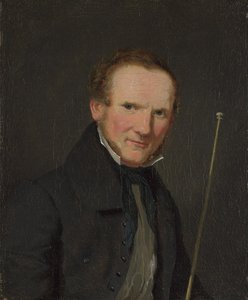
Wilhelm Ferdinand Bendz
1804 - 1832 , Denmark
プロフィール概要
- Artistic Movement Or Style: Danish Golden Age
- Artists Who Influenced This Artist: ['Christoffer Wilhelm Eckersberg']
- Date Of Birth: March 20, 1804
- Date Of Death: November 14, 1832
- Full Name: Wilhelm Ferdinand Bendz
- Nationality: Danish
- Notable Artworks:
- A Tobacco Party
- Artist in the Evening at Finck’s
- Model Class at the Art Academy
- Place Of Birth: Odense, Denmark

